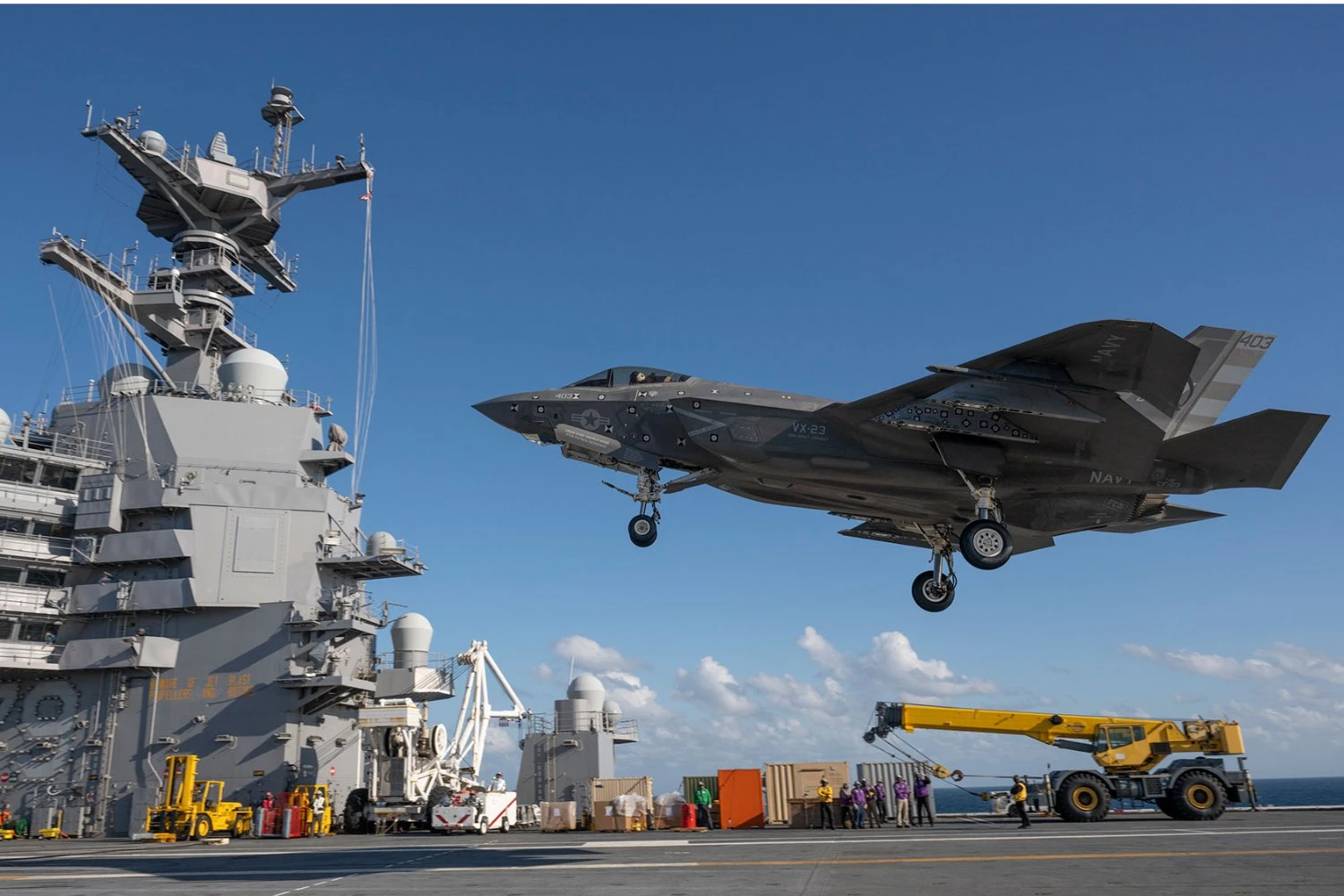
The Lockheed Martin F-35C Lightning II has been cleared for operations across the US Navy's aircraft carrier fleet following the completion of compatibility trials aboard the future USS John F. Kennedy (CVN 79). According to Lockheed Martin, the tests demonstrated that the carrier-based stealth fighter can safely launch and recover using the electromagnetic systems installed on the Gerald R. Ford class.
The manufacturer announced the results on November 19, more than a month after the first F-35C landing aboard Kennedy on October 13. Over 11 days of testing, two aircraft from Naval Air Station Patuxent River, Maryland, completed 34 flights, 122 catapult launches and 122 arrested landings.
The trials involved the Electromagnetic Aircraft Launch System (EMALS) and Advanced Arresting Gear (AAG), which replace the steam catapults and conventional arresting equipment used aboard the older Nimitz-class carriers.
Lockheed Martin said the successful campaign means the Navy has now cleared the F-35C to operate across its entire aircraft carrier fleet. However, this technical clearance does not mean that every carrier is equipped to support a permanently embarked F-35C squadron.
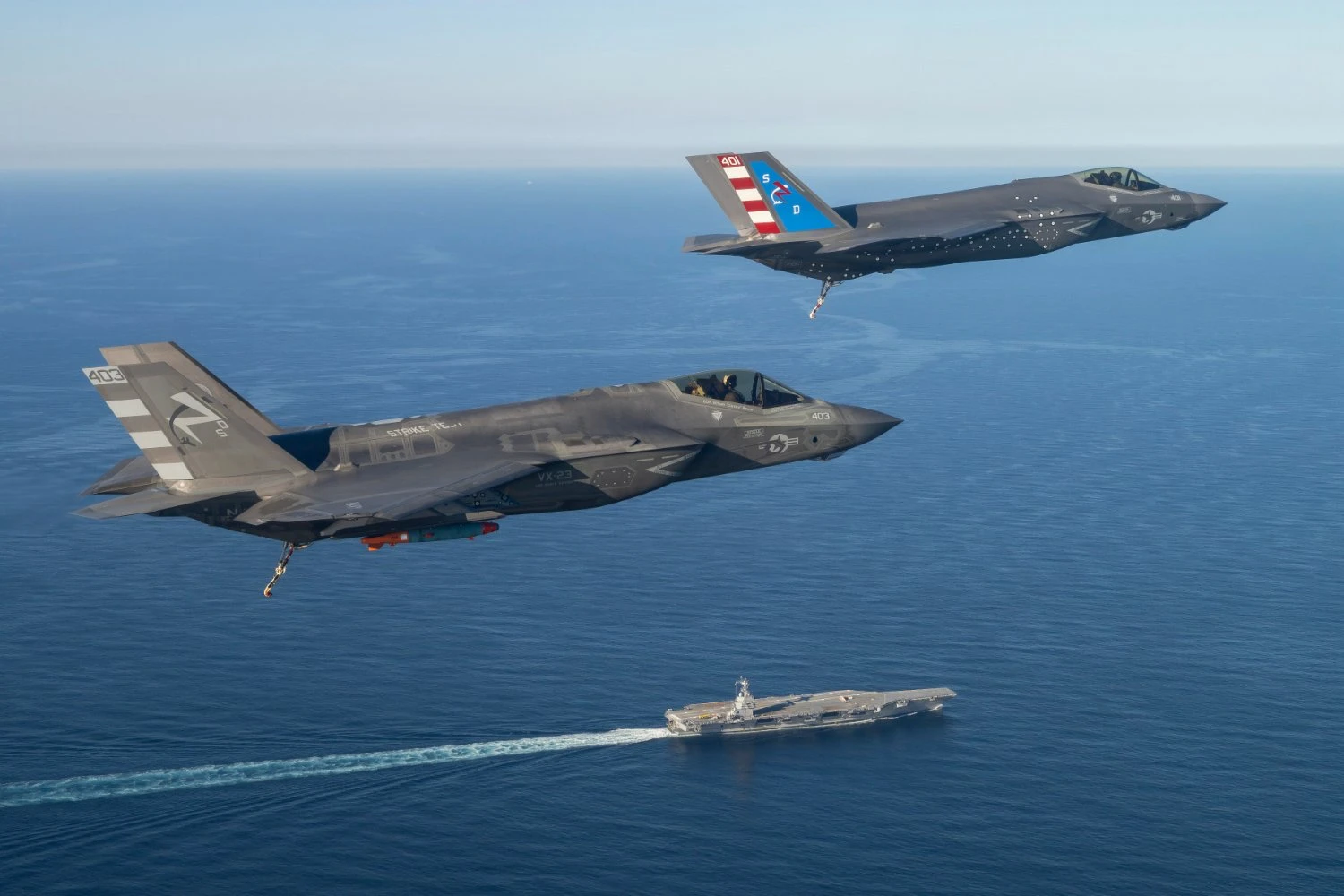
First Ford-class tests took place aboard Kennedy
The first F-35C landing on a Ford-class carrier took place on October 13, an event previously reported by Air Data News. The aircraft belonged to the Navy's test organization at Patuxent River, which was evaluating compatibility between the fighter and the ship's flight deck and recovery systems.
Follow Air Data News: WhatsApp | Instagram | LinkedIn | Twitter | Facebook
The November announcement provides the results of the completed campaign rather than reporting a new first landing. The 122 launches and recoveries generated data to support future operations involving the F-35C and the Ford-class carriers.
Kennedy is the second ship of the class, following USS Gerald R. Ford (CVN 78), which entered service in 2017. Despite being designed to accommodate fifth-generation fighters, the first carrier has yet to deploy with an F-35C squadron.
The Navy chose to conduct the latest compatibility trials aboard Kennedy, which incorporates F-35C support capabilities during construction rather than receiving them through modifications after delivery.
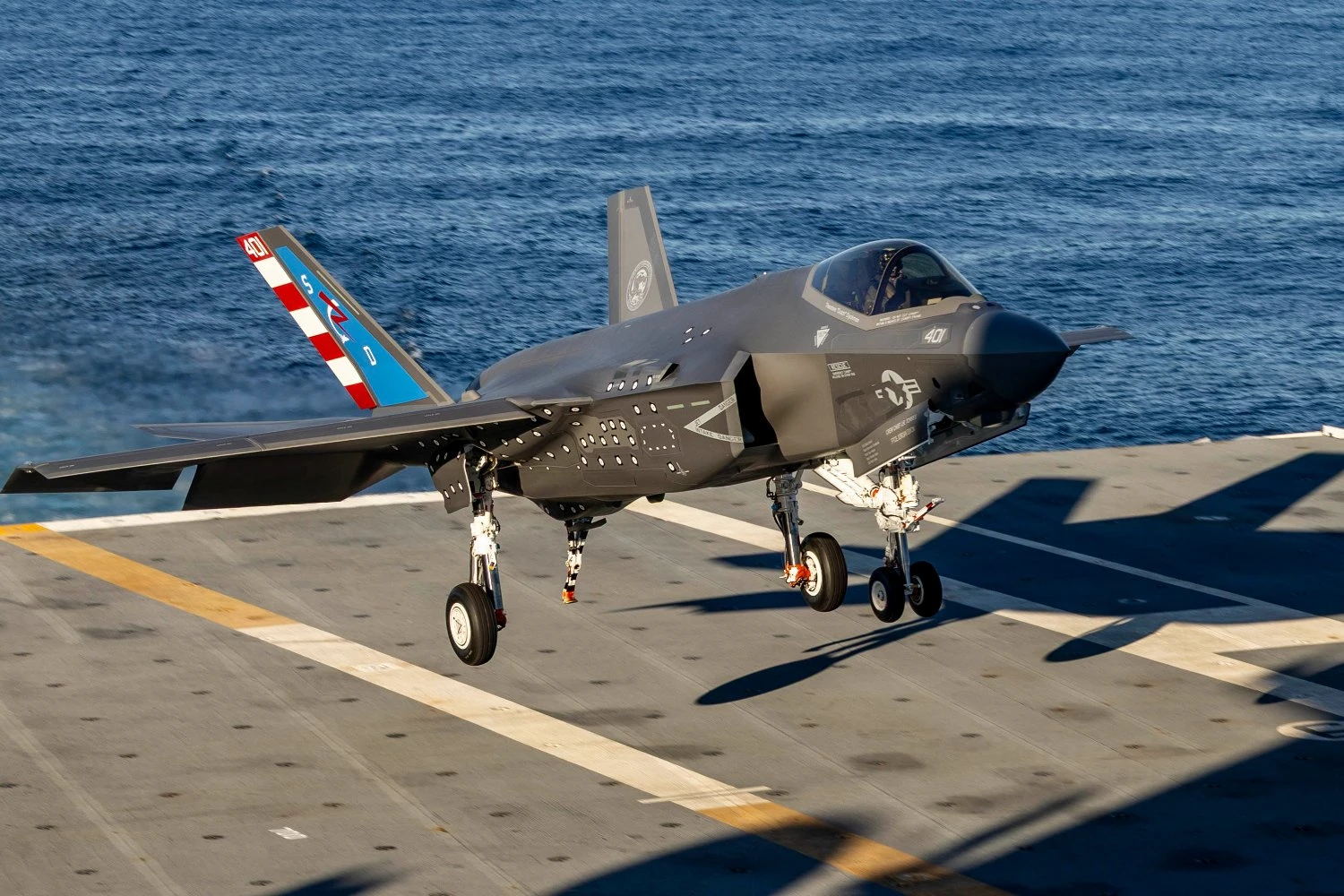
Clearance does not eliminate carrier limitations
The distinction between launching an F-35C and sustaining its operations during a deployment is important.
Gerald R. Ford has the flight deck and launch-and-recovery equipment needed to handle the fighter, but it has not received all the additional infrastructure required for routine deployments with an embarked F-35C squadron.
These modifications include specialized maintenance and support facilities and changes to flight deck equipment. Without them, the ship can accommodate the aircraft for limited operations but cannot provide the same level of sustained support planned for Kennedy.
Related news

November 19, 2026
The test results announced by Lockheed Martin therefore establish compatibility with the Ford class's launch-and-recovery systems. They do not establish that Gerald R. Ford has completed the separate modifications required to deploy routinely with the stealth fighter.
Kennedy, by contrast, is being completed with those capabilities already incorporated. The Navy changed its construction strategy in 2020 to avoid having to install the modifications after the ship entered service.
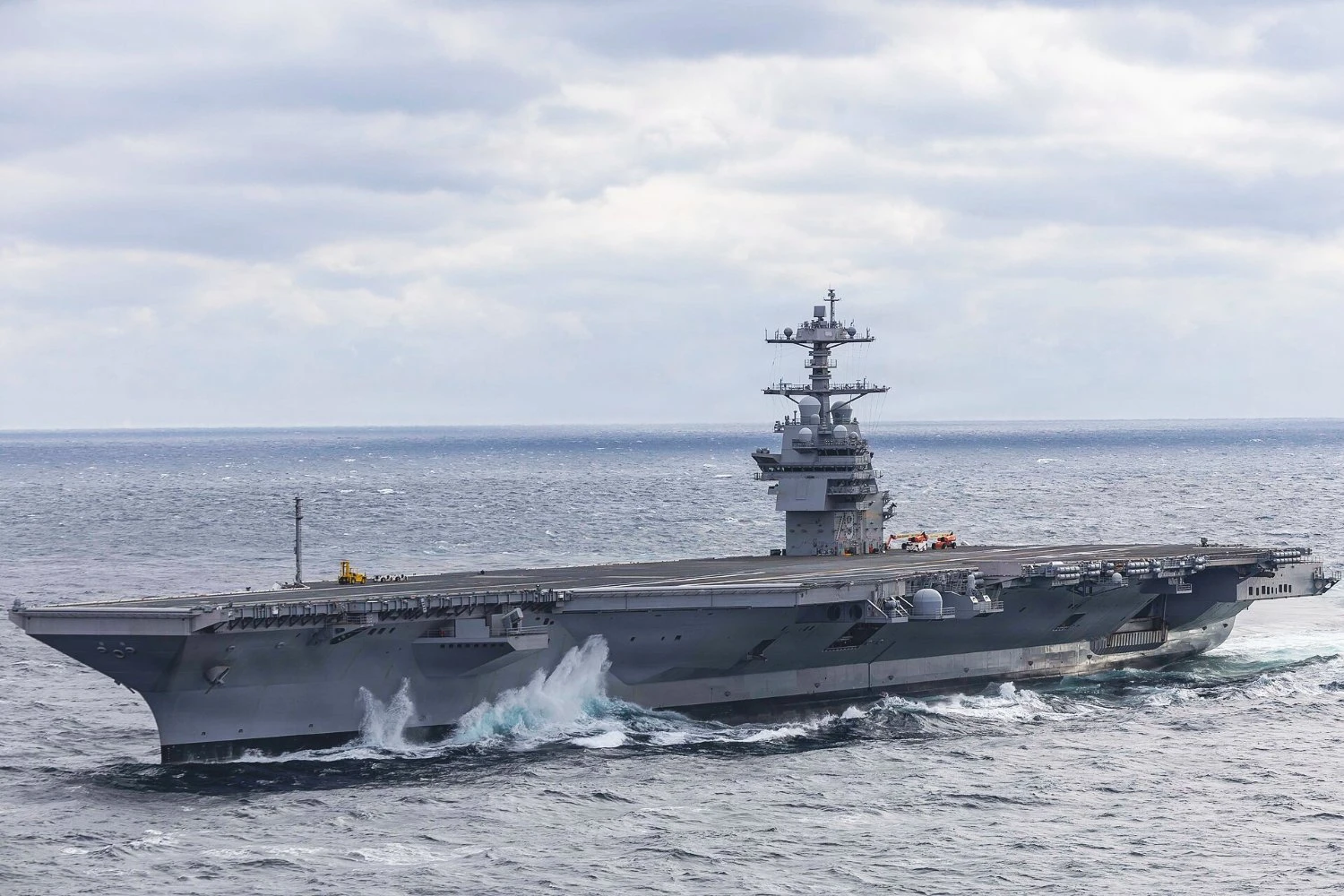
Kennedy still awaiting final delivery
The future USS John F. Kennedy received preliminary acceptance from the Navy on September 29, allowing its crew to conduct training and testing before the ship's formal delivery.
At that point, the carrier was approximately 99% complete, according to the Navy. Four of its 11 advanced weapons elevators still required final testing, although the seven completed units already provided access to the ship's ammunition magazines.
Final contractual delivery is scheduled for spring 2027, after which Kennedy will continue preparing for operational service. The Navy has not announced which carrier air wing or F-35C squadron will conduct the ship's first deployment.
Kennedy is expected to replace USS Nimitz (CVN 68) in the Pacific Fleet and eventually operate from Naval Base Kitsap-Bremerton in Washington state.

Report an error