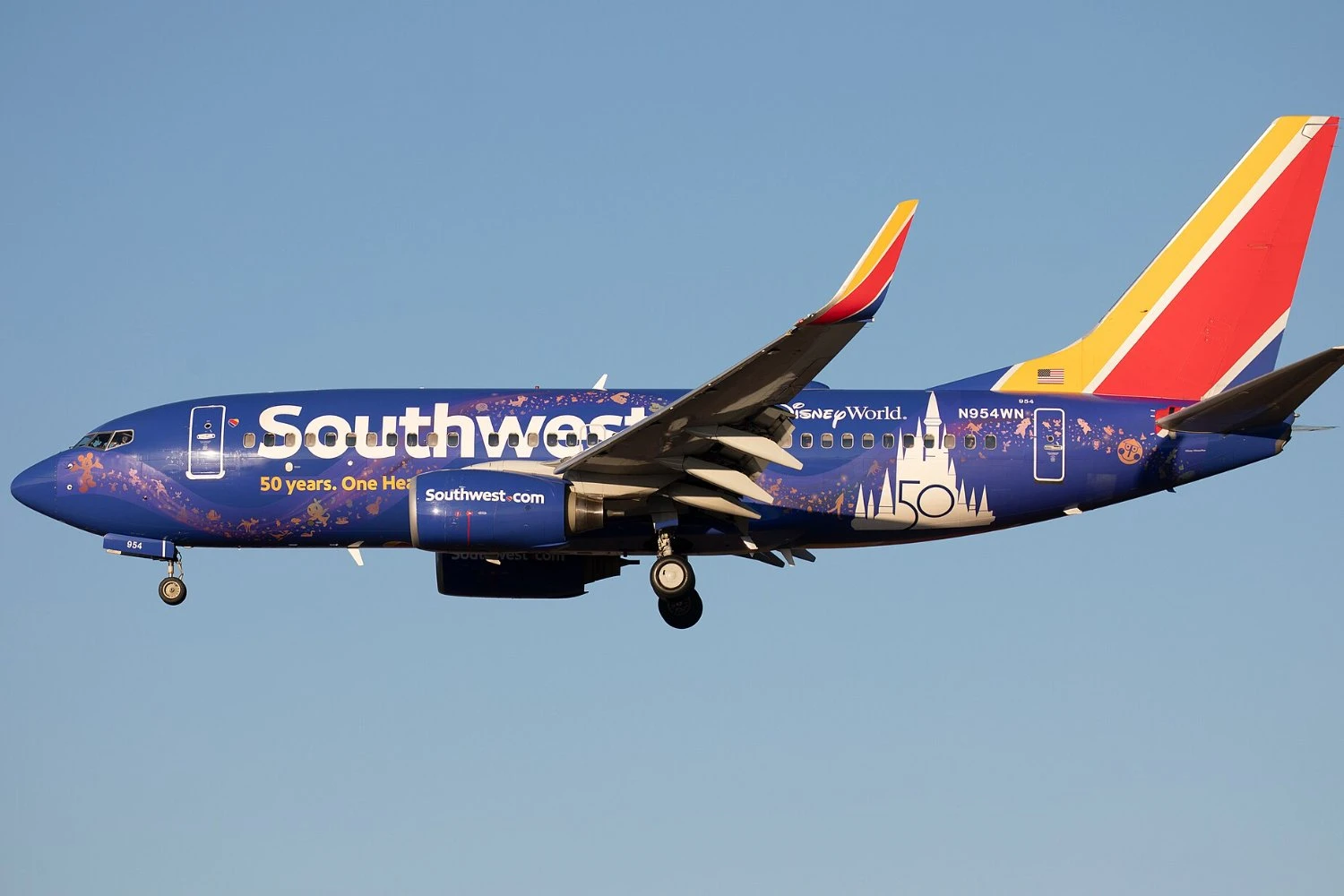
The US Federal Aviation Administration has ordered repetitive flight-control system tests on certain Boeing 737 Next Generation aircraft after identifying a potential failure in an autothrottle safeguard designed to detect excessive differences in engine thrust.
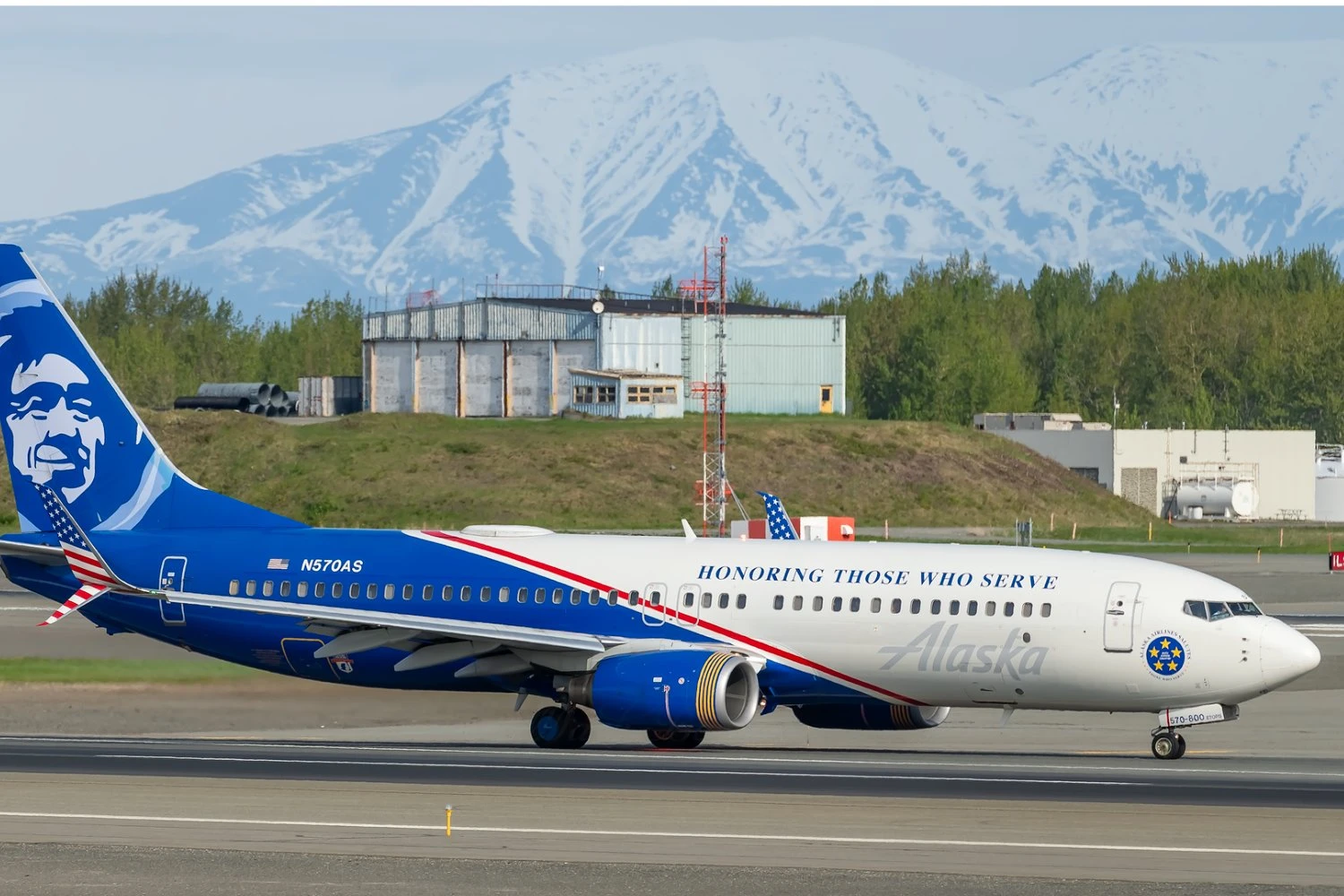
The directive, identified as AD 2026-23-04, covers selected 737-600, 737-700, 737-700C, 737-800 and 737-900 aircraft. According to the rule's published summary, approximately 300 US-registered jets are affected. The measure is scheduled for publication in the Federal Register on November 20, 2026, and will take effect 15 days later.
The problem involves the cruise thrust split monitor, known as MONFD, which is intended to disconnect the autothrottle when an excessive difference in thrust between the two engines threatens the aircraft's lateral stability. The FAA identified the possibility of incorrect or missing spoiler-position data that could prevent the monitor from activating when needed.
If the protection fails, the autothrottle could remain engaged despite a significant thrust imbalance. This could produce an uncommanded roll and, if the crew does not identify and correct the situation, potentially lead to loss of control.

How the thrust split monitor works
An aircraft with one engine producing substantially more thrust than the other tends to yaw and roll. The autopilot can initially counter these forces by commanding the ailerons and flight spoilers, potentially masking the developing imbalance.
The thrust split monitor uses flight-control information, including spoiler position, to recognize conditions associated with excessive asymmetric thrust and disengage the autothrottle.
Follow Air Data News: WhatsApp | Instagram | LinkedIn | Twitter | Facebook
However, a faulty spoiler-position signal can prevent the monitor from recognizing that the aircraft is experiencing a dangerous imbalance. The problem may remain undetected during normal operations because the safeguard is only required under particular conditions.
The new directive requires repetitive aileron built-in test equipment (BITE) checks of the digital flight control system, following Boeing Alert Safety Advisory 737-BSA-22-001, dated October 30, 2026. Operators must correct any identified failures and repeat the test until it passes.
The FAA estimates that each test requires two labor-hours, costing approximately $170 per aircraft. Across the 300 affected US-registered jets, the estimated cost is $51,000 per test cycle, excluding any additional corrective work.
The directive does not mandate an immediate hardware replacement. Its testing intervals are specified in Boeing's advisory, with the FAA adjusting the starting point for certain compliance periods to the directive's effective date.
Earlier directives and a fatal 737 accident
The FAA previously addressed thrust split monitor problems on older Boeing 737 Classic aircraft.
A directive issued in 2022 required repetitive tests on certain 737-300, 737-400 and 737-500 aircraft after the agency identified the possibility of an undetected spoiler sensor failure. Another directive, issued in December 2024, addressed flight-control rigging tolerances on the 737-300 and 737-400 that could prevent the monitor from responding correctly.
The safety function also featured in the investigation of Sriwijaya Air Flight 182, a Boeing 737-500 that crashed into the Java Sea on January 9, 2021, killing all 62 people aboard.
Indonesia's National Transportation Safety Committee (KNKT) found that mechanical friction or binding prevented the autothrottle from reducing thrust on the right engine. The left engine's thrust continued to decrease, creating an increasing imbalance.
The cruise thrust split monitor did not disengage the autothrottle when expected. Investigators concluded that an underestimated spoiler-position signal delayed its activation, allowing the thrust difference to grow until the aircraft entered an upset condition.
Related news

November 17, 2026

The KNKT also identified inadequate monitoring of the developing situation and shortcomings in upset prevention and recovery training among the contributing factors.
The new 737NG directive does not cite the Sriwijaya accident, which involved an older 737 Classic, and does not establish that the affected NG aircraft have the same underlying defect.
FAA adopts rule without prior consultation
The FAA issued the new directive without the usual advance notice-and-comment period, citing the potential safety consequences and the need for operators to act before a conventional consultation process could be completed.
The agency will still accept public comments for 45 days after publication. The requirement applies to the aircraft identified in Boeing's advisory rather than the entire 737NG fleet.

Report an error