One of the most recognizable features of the Boeing 787 Dreamliner is the serrated trailing edge of its engine nacelles. These sawtooth-shaped cutouts, known as chevrons, help reduce engine noise. Yet the Boeing 777X, powered by the much larger GE9X engines, does not use them. Why did Boeing abandon a technology that had become a distinctive feature of its aircraft?
Chevrons are designed to control how the air leaving an engine mixes with the surrounding atmosphere. This interaction produces turbulence and noise, particularly during takeoff and approach.
Developed with contributions from NASA, the technology has been adopted on several Boeing aircraft, including the 787, 747-8 and 737 MAX. The distinctive shape is the result of aerodynamic research rather than a styling decision.
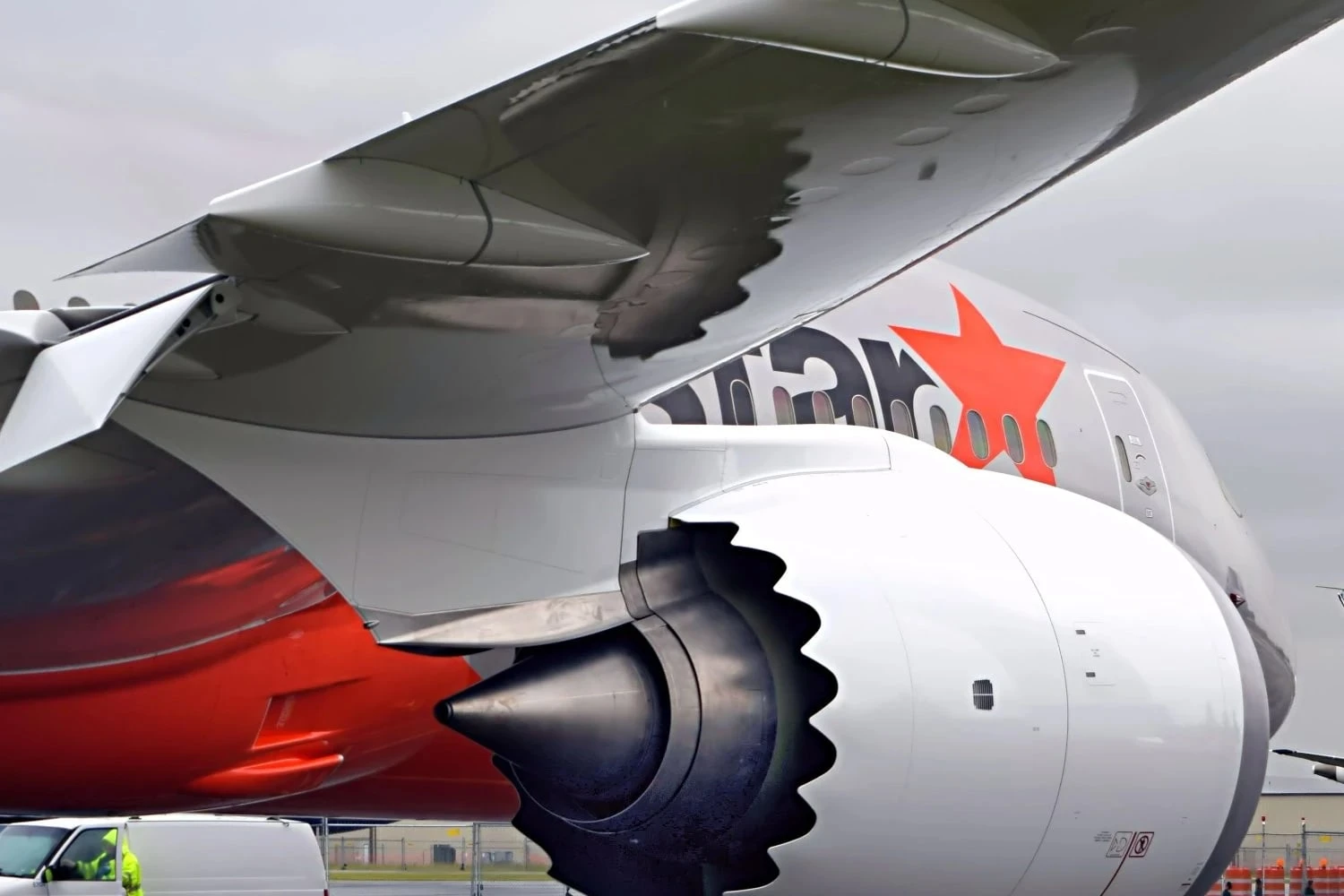
When high-speed exhaust meets slower-moving ambient air, the difference in velocity creates turbulent structures that generate noise. Chevrons modify this interaction, encouraging the two airflow streams to mix more gradually and reducing certain noise frequencies.
Follow Air Data News: WhatsApp | Instagram | LinkedIn | Twitter | Facebook
The technology involves a trade-off, however. By altering the airflow, the serrated edges can also introduce small aerodynamic penalties. Engineers must therefore balance noise reduction against engine efficiency.
How the GE9X controls noise differently
The Boeing 777X is powered by two GE Aerospace GE9X engines, each featuring a fan measuring approximately 11 feet 2 inches (3.40 meters) in diameter. It is the largest fan ever installed on a commercial aircraft engine, yet the nacelle has a smooth trailing edge rather than the serrations seen on the 787.
One important difference lies in the engine's architecture. The GE9X has a bypass ratio of approximately 10:1, meaning that for every unit of air passing through the engine's hot core, roughly ten units flow around it, driven by the large front fan.
This configuration allows the engine to generate much of its thrust by moving a larger volume of air at relatively lower velocities. Because exhaust velocity is a major contributor to jet noise, high-bypass turbofans can reduce this source of sound without relying as heavily on external noise-control devices.
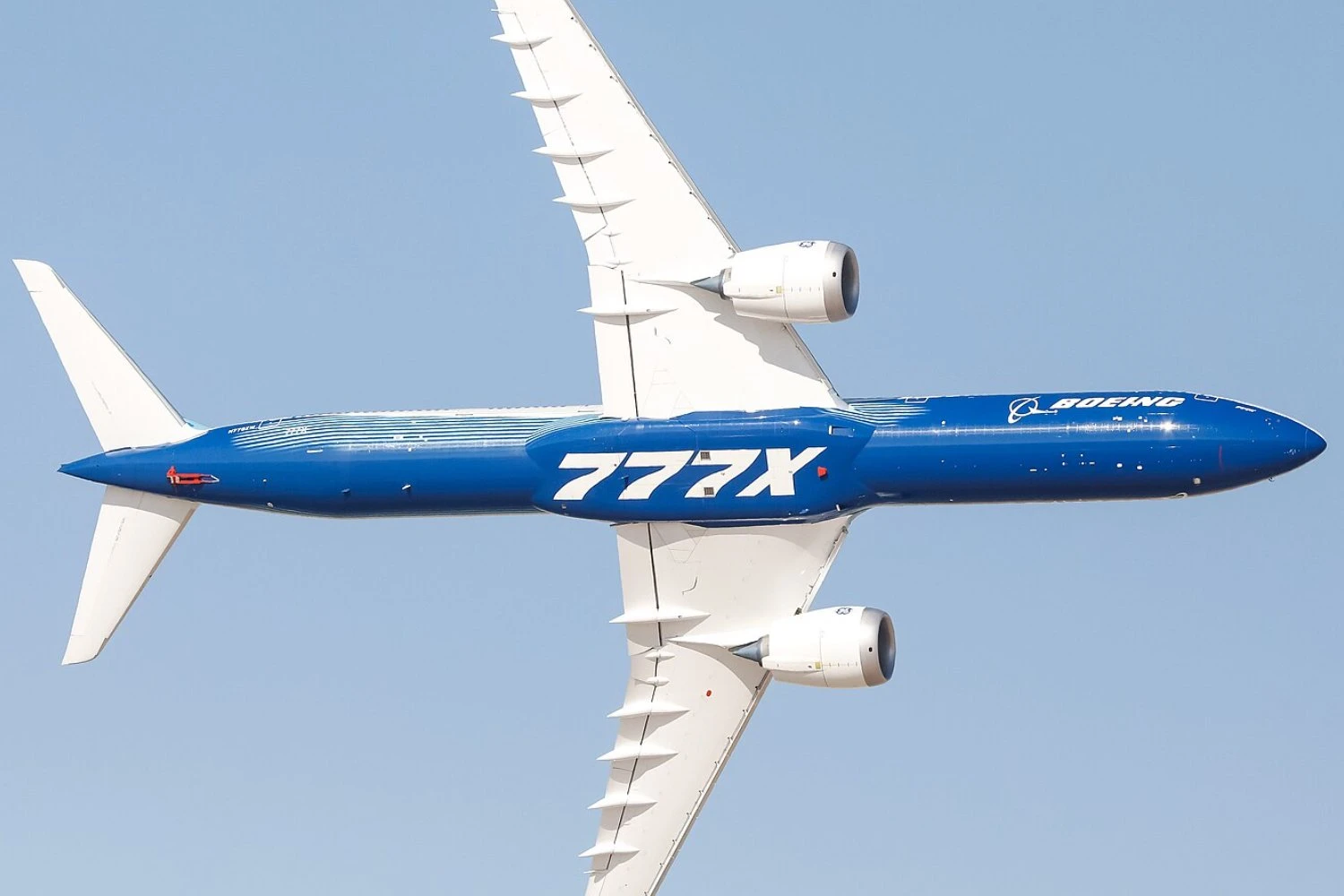
The absence of chevrons does not mean that the GE9X lacks acoustic treatments. Its exhaust system, developed by France's Safran Nacelles, incorporates dedicated noise-reduction technologies.
These include internal honeycomb structures with thousands of small perforations designed to absorb and dissipate acoustic energy. The treatments are integrated into selected areas of the exhaust system, reducing noise without requiring a serrated nacelle edge.
Related news

November 16, 2026
November 15, 2026
The exhaust assembly was also designed to optimize airflow and reduce weight. Made primarily from titanium, it can withstand temperatures exceeding 1,112°F (600°C) and is approximately 20% lighter than an equivalent conventional exhaust system, according to Safran.
Are chevrons becoming obsolete?
Not necessarily. Whether an engine uses serrated nacelle edges depends on its architecture, noise requirements and the technologies selected during aircraft development.
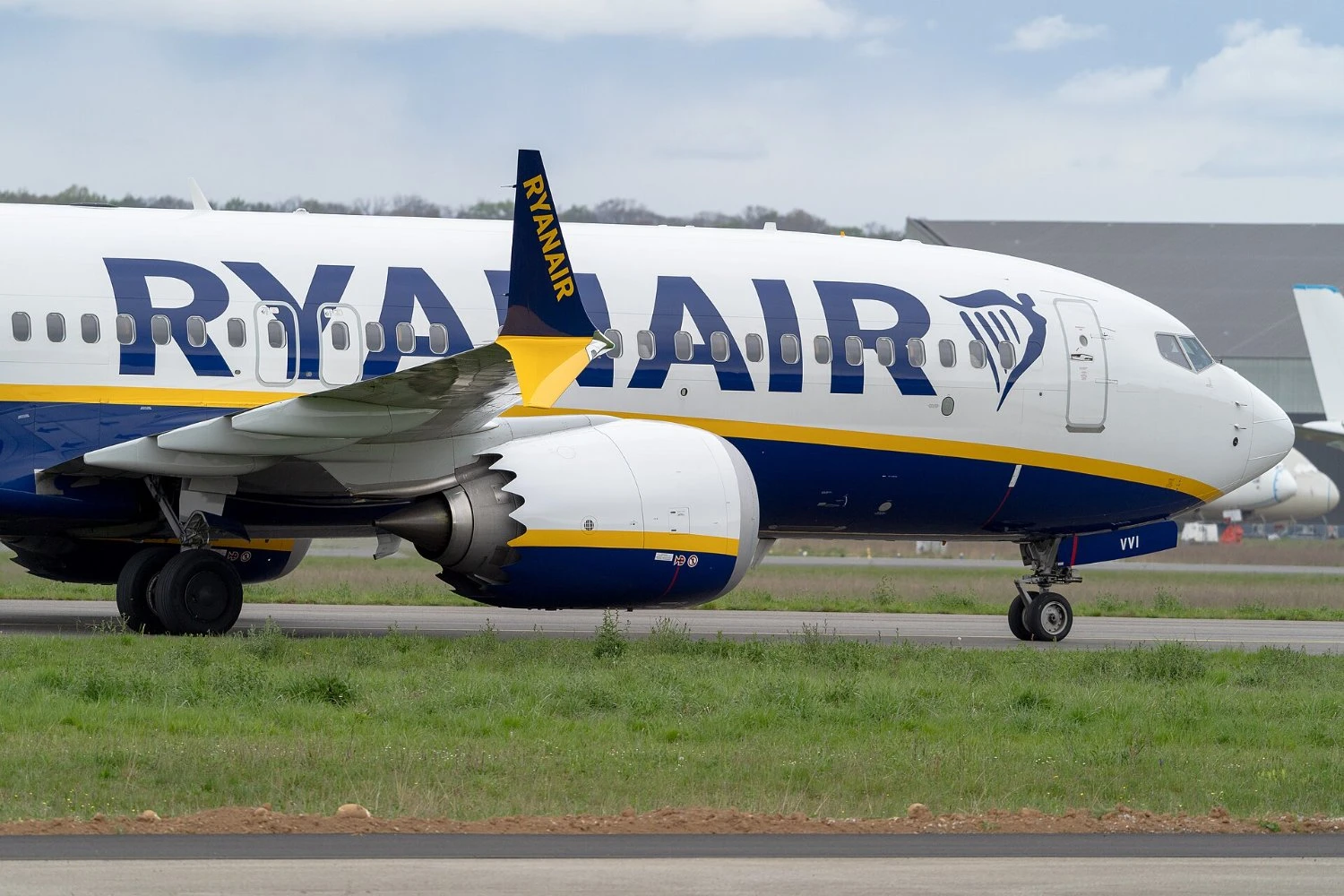
The Boeing 737 MAX, for example, still uses chevrons on its CFM LEAP-1B engines, despite being a more recent design than the 787. Airbus has adopted different acoustic solutions across its commercial aircraft families without reproducing Boeing's distinctive external serrations.
For the 777X, the combination of a high-bypass engine and internal acoustic treatments allows the aircraft to meet stringent noise requirements without chevrons. Boeing states that the aircraft has an 8 dB margin relative to Stage 5 noise limits, among the international standards governing aircraft noise certification.

That figure does not mean the 777X is 8 dB quieter than the 787. It describes the aircraft's margin against regulatory limits, rather than a direct comparison between the two models.
There is also insufficient publicly available information to determine how much the absence of chevrons alone improves fuel efficiency or changes GE9X noise levels. Boeing and GE Aerospace have not released a technical comparison isolating that difference.
The decision to use a smooth-edged exhaust system is not recent. Safran was selected to supply the 777X exhaust components in 2014 and began manufacturing them in 2016, emphasizing lightweight materials and acoustic treatments. The system made its first flight aboard the Boeing 777-9 in January 2020.