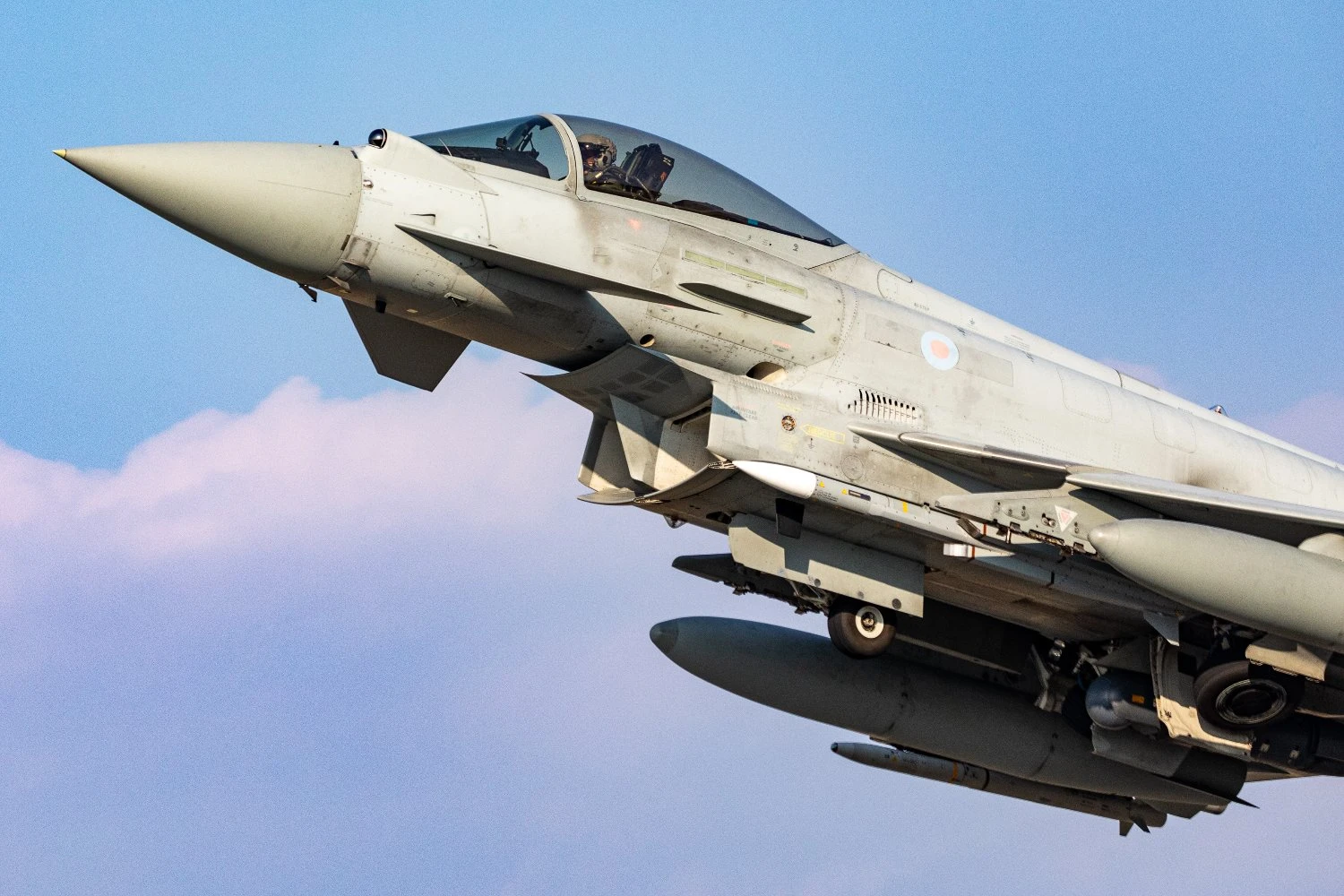
The Royal Air Force (RAF) has begun operational use of the Advanced Precision Kill Weapon System (APKWS) on Eurofighter Typhoon jets deployed in the Middle East, giving the aircraft a lower-cost option for intercepting attack drones.
The laser-guided 70mm rocket system is being carried by Typhoons from No. 9 Squadron operating from RAF Akrotiri in Cyprus, where British aircraft have been involved in regional air defense missions since the start of the conflict involving Iran, Israel and the United States earlier this year.
The UK Ministry of Defence said the weapon moved from testing to operational deployment in less than two months following a rapid integration effort involving BAE Systems and QinetiQ.
Initial air-to-ground tests were conducted in March, followed by air-to-air firings against Banshee target drones in April by pilots from the RAF’s 41 Test and Evaluation Squadron.
Related news
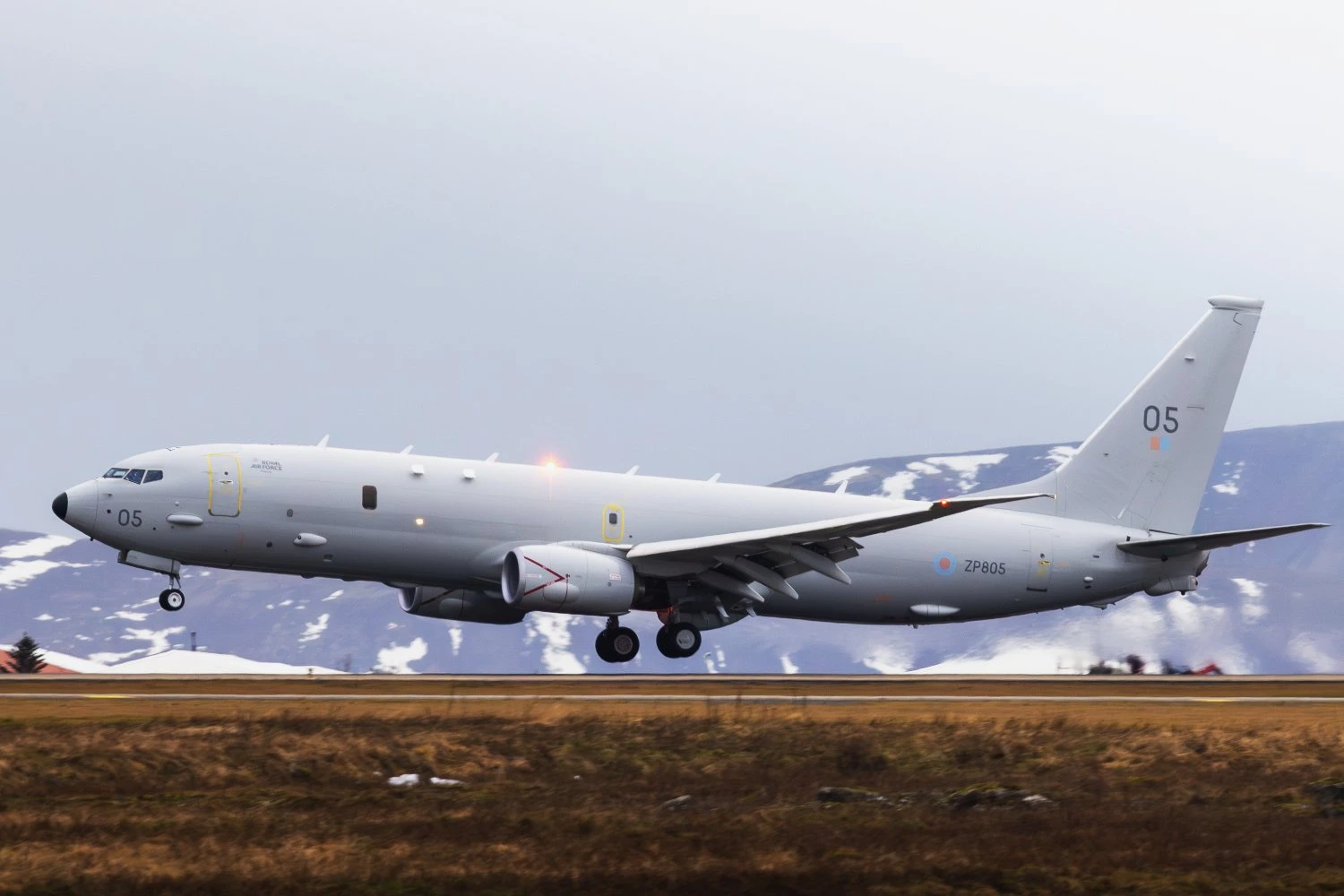
The APKWS converts unguided rockets into precision-guided weapons through a laser guidance kit. The system is already widely used by U.S. forces and offers a significantly cheaper alternative to short-range air-to-air missiles traditionally used against drones.
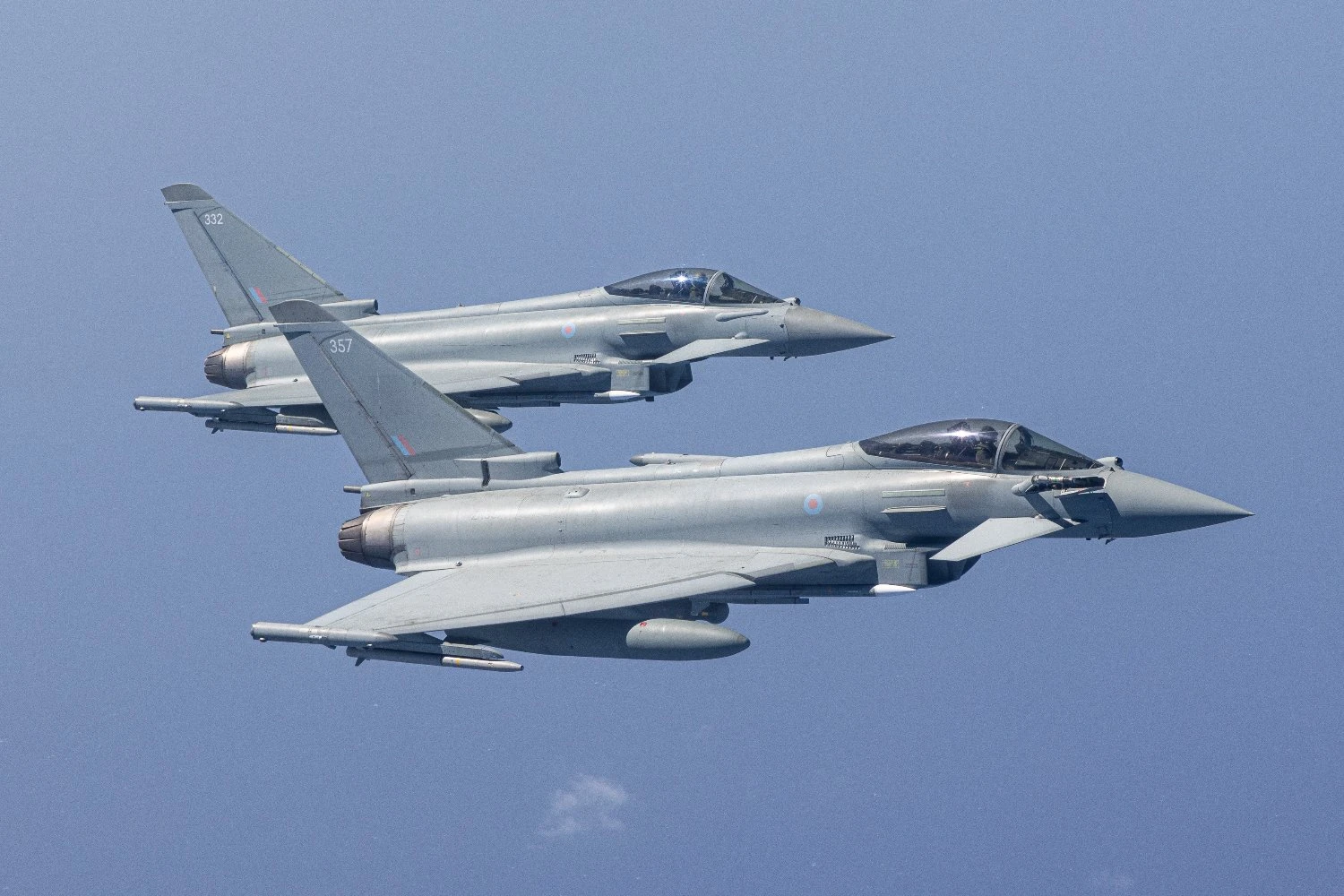
During recent regional operations, RAF Typhoons and F-35Bs reportedly intercepted Iranian-made drones using MBDA ASRAAM missiles, weapons estimated to cost several hundred thousand dollars each. By comparison, APKWS rockets are estimated to cost roughly $30,000 per shot.
The growing use of relatively inexpensive one-way attack drones such as the Iranian Shahed family has forced several countries to look for cheaper interception methods, particularly after months of sustained attacks across the Middle East.
Recent news
British officials said the new capability is intended to improve sustainability during prolonged operations and allow Typhoons to engage larger numbers of drones without relying exclusively on expensive missiles.
The RAF’s Typhoon fleet has accumulated more than 2,500 flight hours over the Middle East since the conflict escalated in late February, according to the Ministry of Defence.
The UK is also preparing to contribute fighter aircraft to future international efforts aimed at protecting shipping routes through the Strait of Hormuz, where drone and missile threats remain a major concern.
Follow Air Data News: WhatsApp | Google News | Instagram | LinkedIn | Twitter | Facebook