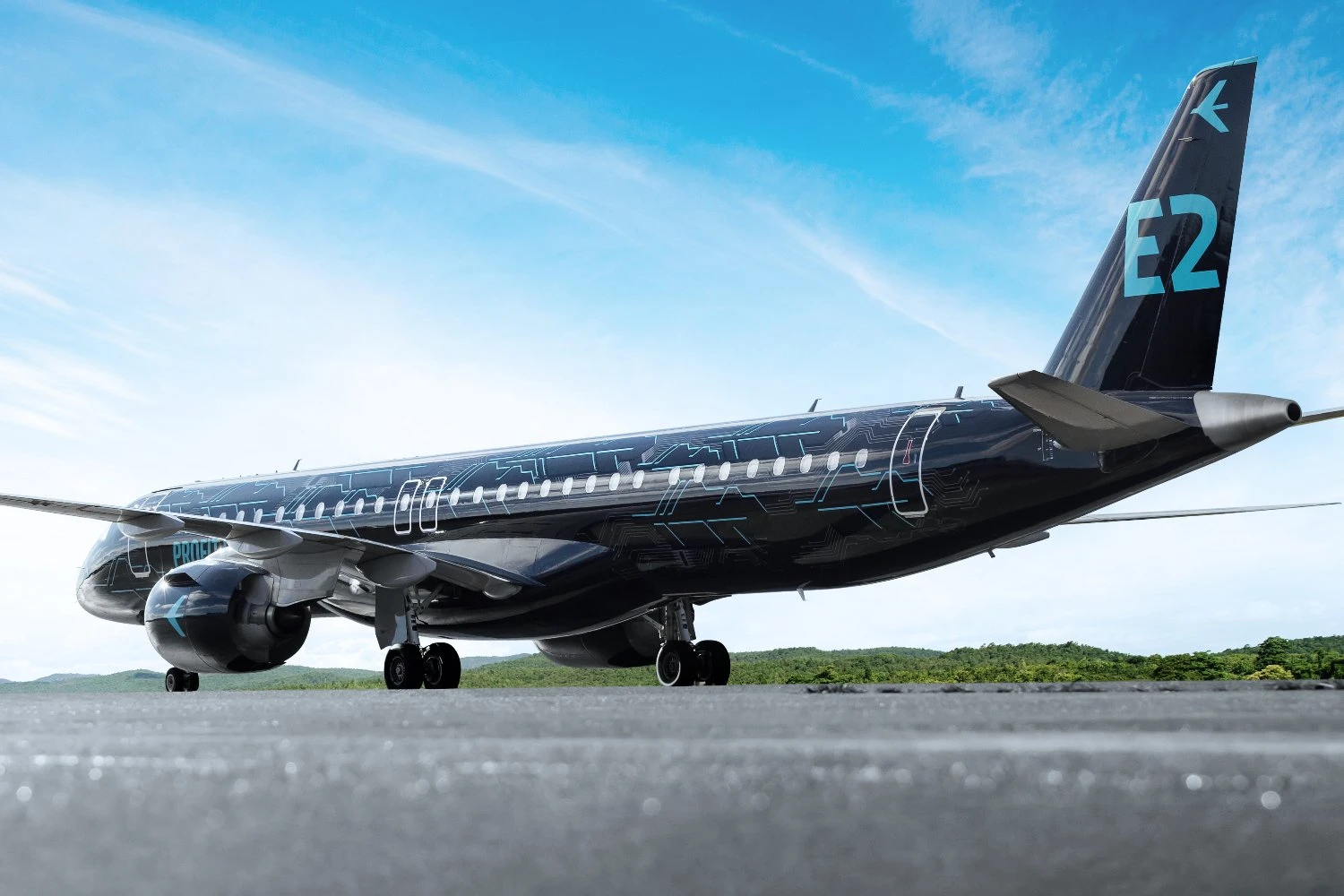
Embraer expects airlines worldwide to require 8,500 commercial aircraft with up to 150 seats over the next 20 years, representing a market worth an estimated $650 billion.
The forecast, published ahead of next week's Farnborough International Airshow, projects annual global passenger traffic growth of 3.7% through 2045, with replacement aircraft accounting for 53% of new deliveries and fleet expansion making up the remaining 47%.
Related news
September 21, 2026
September 18, 2026
China is expected to record the fastest passenger traffic growth among the world's major aviation regions, with revenue passenger kilometers (RPKs) increasing by 5.2% annually. The Middle East, Africa, Latin America and the Asia-Pacific region also outpace the global average, while Europe and North America are forecast to post more modest growth rates. By 2045, China and the broader Asia-Pacific region together are expected to account for 40% of global passenger traffic.
Despite China's stronger traffic growth, North America is projected to remain the largest market for aircraft in the sub-150-seat segment. Embraer forecasts deliveries of 2,670 jets in the region through 2045, followed by Europe and the CIS with 1,870 aircraft, China with 1,470 and the Asia-Pacific region with 1,050.
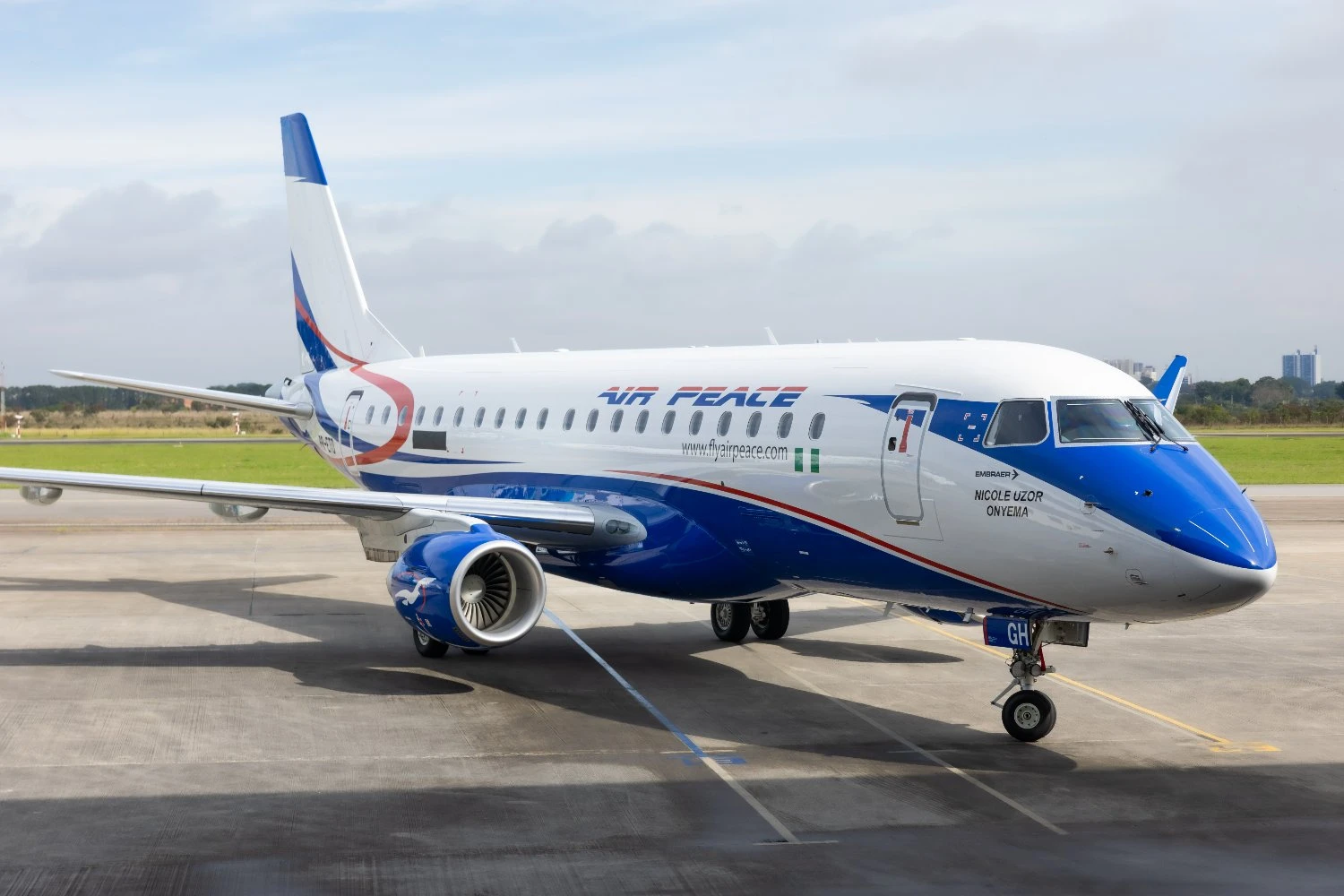
Unlike Boeing and Airbus, whose long-term outlooks cover the entire commercial aircraft market, Embraer's study focuses on aircraft with up to 150 seats. The manufacturer argues that demand for smaller narrowbody aircraft will increase as airlines expand service to secondary cities and lower-density routes that cannot consistently support larger single-aisle jets.
Follow Air Data News: WhatsApp | Instagram | LinkedIn | Twitter | Facebook
The report also identifies a shift in airline network planning driven by changes in manufacturing supply chains, tourism patterns and passenger preferences. Embraer argues that regional economic development, expanding industrial clusters and the growth of secondary destinations will create demand for more direct services using smaller aircraft capable of operating routes that would be uneconomical with larger jets.
The outlook contrasts with Boeing's latest Commercial Market Outlook, which forecasts demand for 43,625 commercial aircraft of all categories through 2045. Embraer's projection covers only the sub-150-seat segment, where it competes primarily with Airbus' A220 family and the smaller variants of the Airbus A320neo and Boeing 737 MAX families.