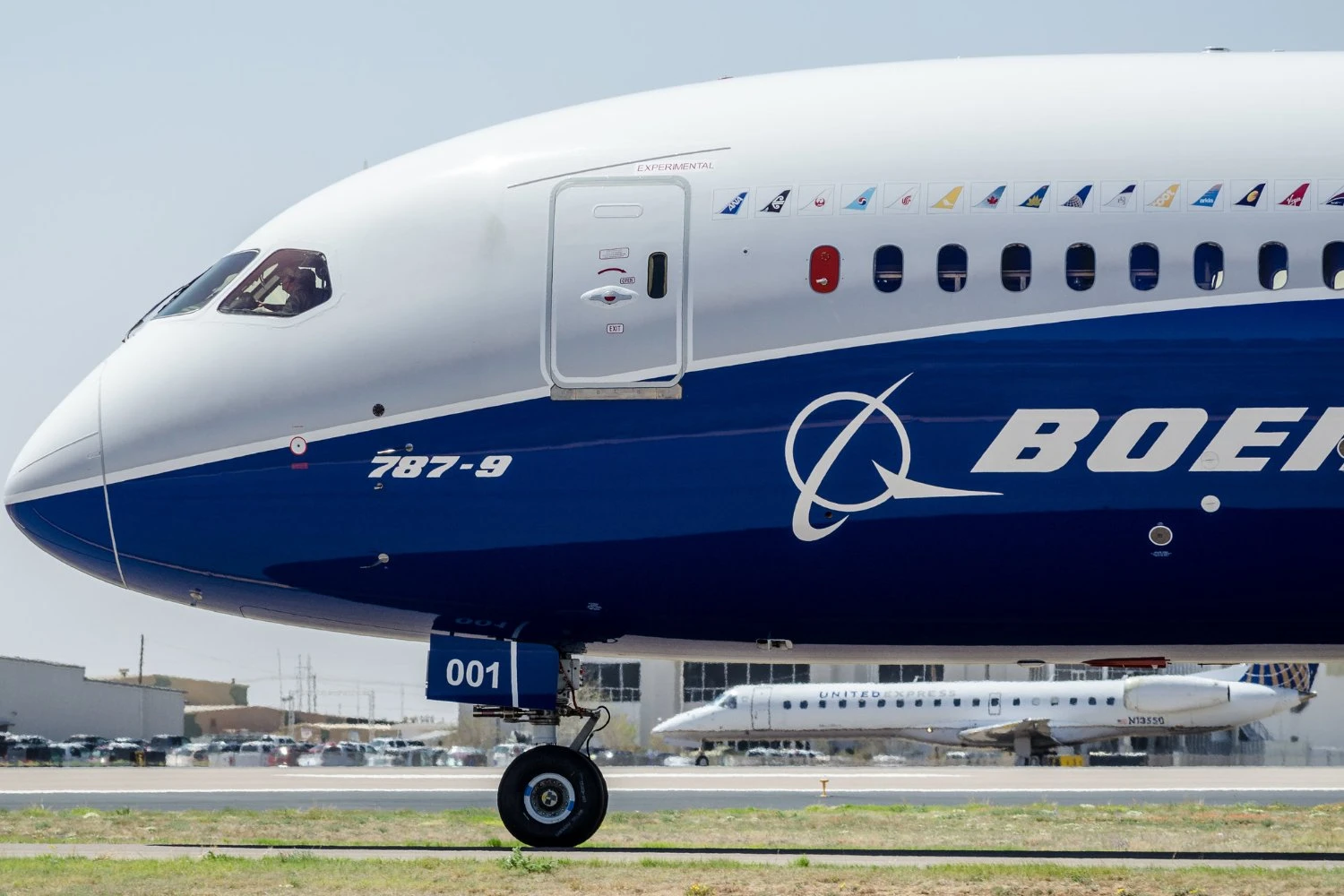
Boeing expects the global commercial aircraft fleet to grow to more than 50,000 airplanes by 2045, an increase of nearly 80% from current levels, as passenger traffic doubles over the next two decades.
The forecast, released ahead of the Farnborough International Airshow as part of Boeing's annual Commercial Market Outlook (CMO), projects demand for 43,625 new aircraft between 2026 and 2045. About half of those deliveries are expected to replace older, less efficient jets rather than expand airline fleets.
Recent news
September 21, 2026
September 21, 2026
September 21, 2026
Single-aisle aircraft will continue to dominate the market, accounting for 33,545 deliveries, or nearly 77% of total demand. Boeing also forecasts the need for 7,715 widebody aircraft, 1,435 regional jets and 930 factory-built freighters over the period.
According to the manufacturer, passenger traffic will grow at an average annual rate of 4%, driven by rising demand in emerging economies, continued expansion of point-to-point routes and a broader range of airline business models, from ultra-low-cost carriers to premium-focused operators.
The forecast expects emerging and developing markets — including China, India, Southeast Asia, the Middle East, Latin America and Africa — to account for 55% of all aircraft deliveries. Mature markets such as North America, Europe, Northeast Asia and Oceania will represent the remaining 45%, with replacement demand becoming an increasingly important factor.
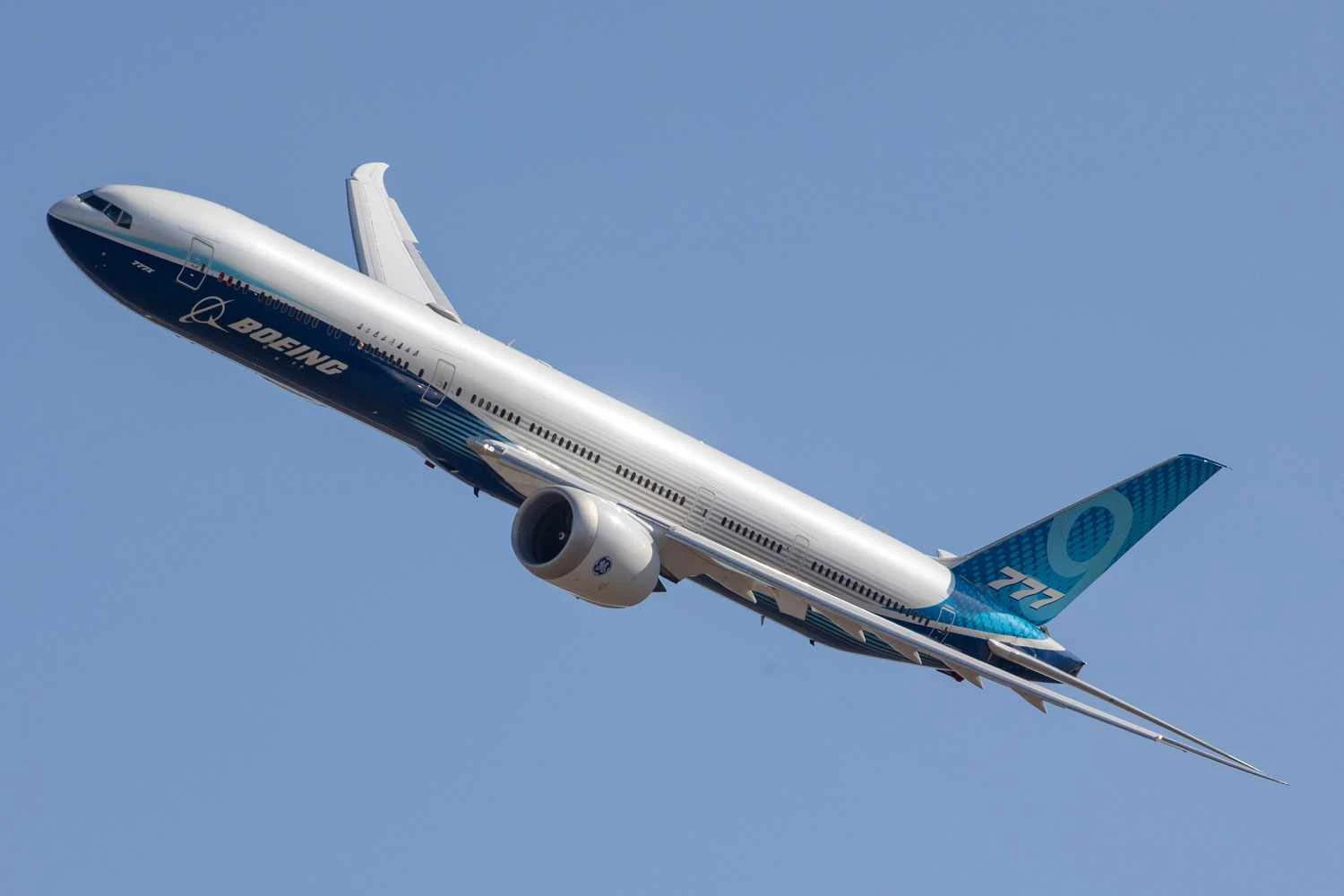
Boeing also projects continued growth in the cargo sector despite recent geopolitical disruptions. Air freight traffic is expected to increase by 3.7% annually through 2045, supporting demand for more than 2,900 freighters, including both newly built aircraft and passenger-to-freighter conversions.
The outlook comes as Boeing continues to rebuild production following years of manufacturing disruptions and certification delays. While the company acknowledged short-term constraints affecting aircraft deliveries, it said they are unlikely to alter the industry's long-term growth trajectory.
Boeing's latest forecast is largely in line with Airbus' long-term market outlook published last month. Both manufacturers expect sustained growth in global air travel over the next two decades, although competition for future orders has increasingly shifted toward Asia, the Middle East and other fast-growing aviation markets.