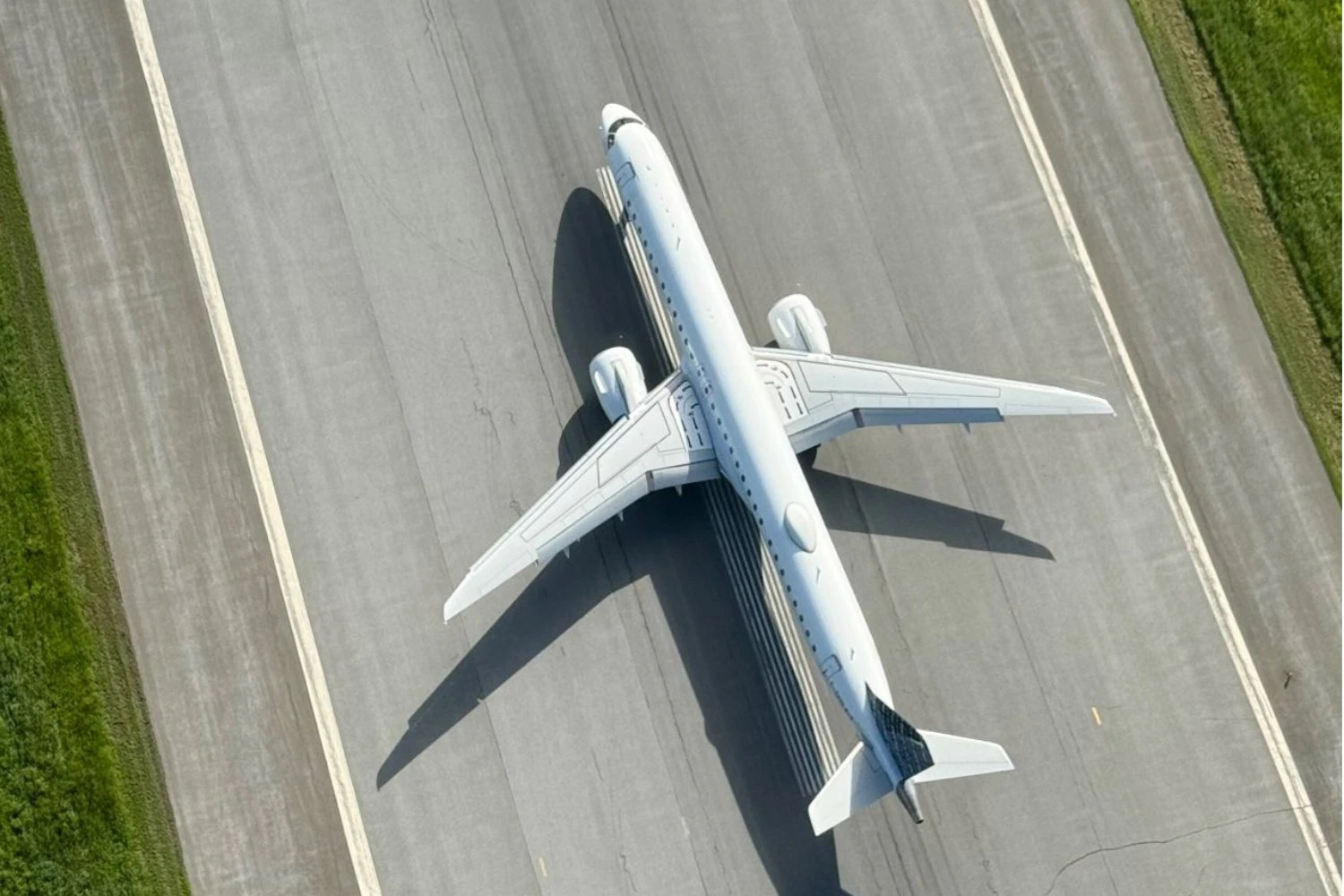
The European Union Aviation Safety Agency (EASA) has certified Embraer's Runway Overrun Awareness and Alerting System (ROAAS) for the E-Jet E2 family, allowing the safety feature to enter service with European operators. The approval follows certification by Brazil's National Civil Aviation Agency (ANAC) earlier this year.
ROAAS is designed to reduce the risk of runway overruns, one of the most common types of commercial aviation accidents. These events occur when an aircraft is unable to stop before reaching the end of the runway, often because of excessive landing speed, contaminated runway surfaces, tailwinds or unstable approaches.
Related news

September 21, 2026
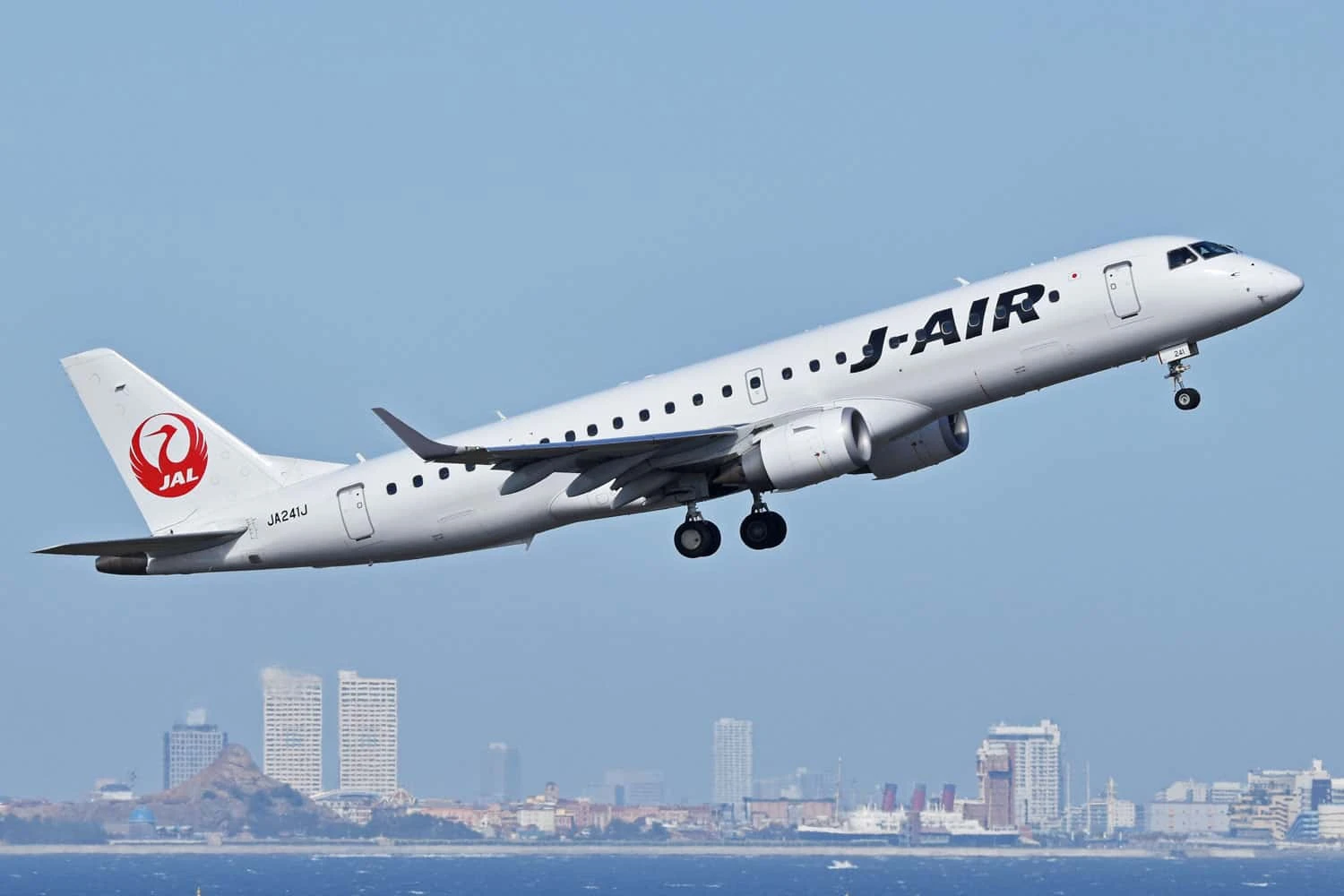

Unlike traditional landing performance calculations completed before arrival, ROAAS continuously reassesses the situation throughout the final approach using real-time aircraft data. The system evaluates factors such as speed, aircraft weight, flap configuration, braking capability and runway conditions to determine whether the available landing distance remains sufficient.
If the software predicts that the aircraft may not stop safely within the remaining runway, it issues cockpit alerts, allowing the crew to initiate a go-around before touchdown or adjust braking strategy after landing if conditions permit.

The technology relies on algorithms developed by Embraer and operates automatically without requiring additional pilot inputs. According to the manufacturer, its purpose is to improve situational awareness rather than replace pilot decision-making.
Runway overruns remain a significant focus of aviation safety authorities. In recent years, regulators and manufacturers have introduced several technologies aimed at reducing the risk, including runway awareness systems, improved braking performance calculations and airport infrastructure such as Engineered Materials Arresting Systems (EMAS) installed beyond runway ends at selected airports.