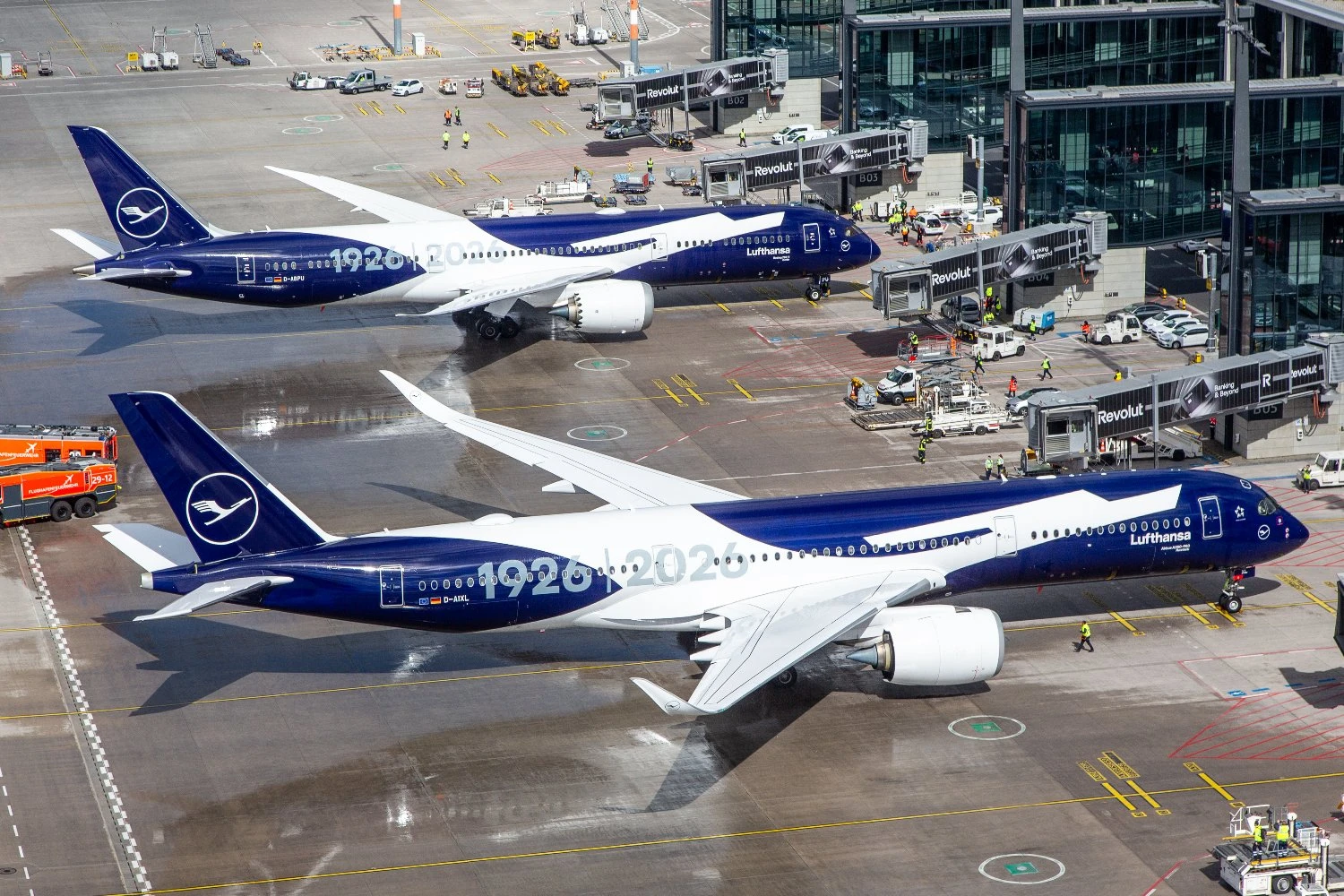
Boeing delivered 143 aircraft in the first quarter of 2026, ahead of Airbus with 114 units, even though the European manufacturer outpaced its rival in March alone, with 60 deliveries compared to 46.
The difference over the quarter came from a more consistent output in January and February, along with contributions from programs not matched by Airbus, particularly in cargo and military derivatives.
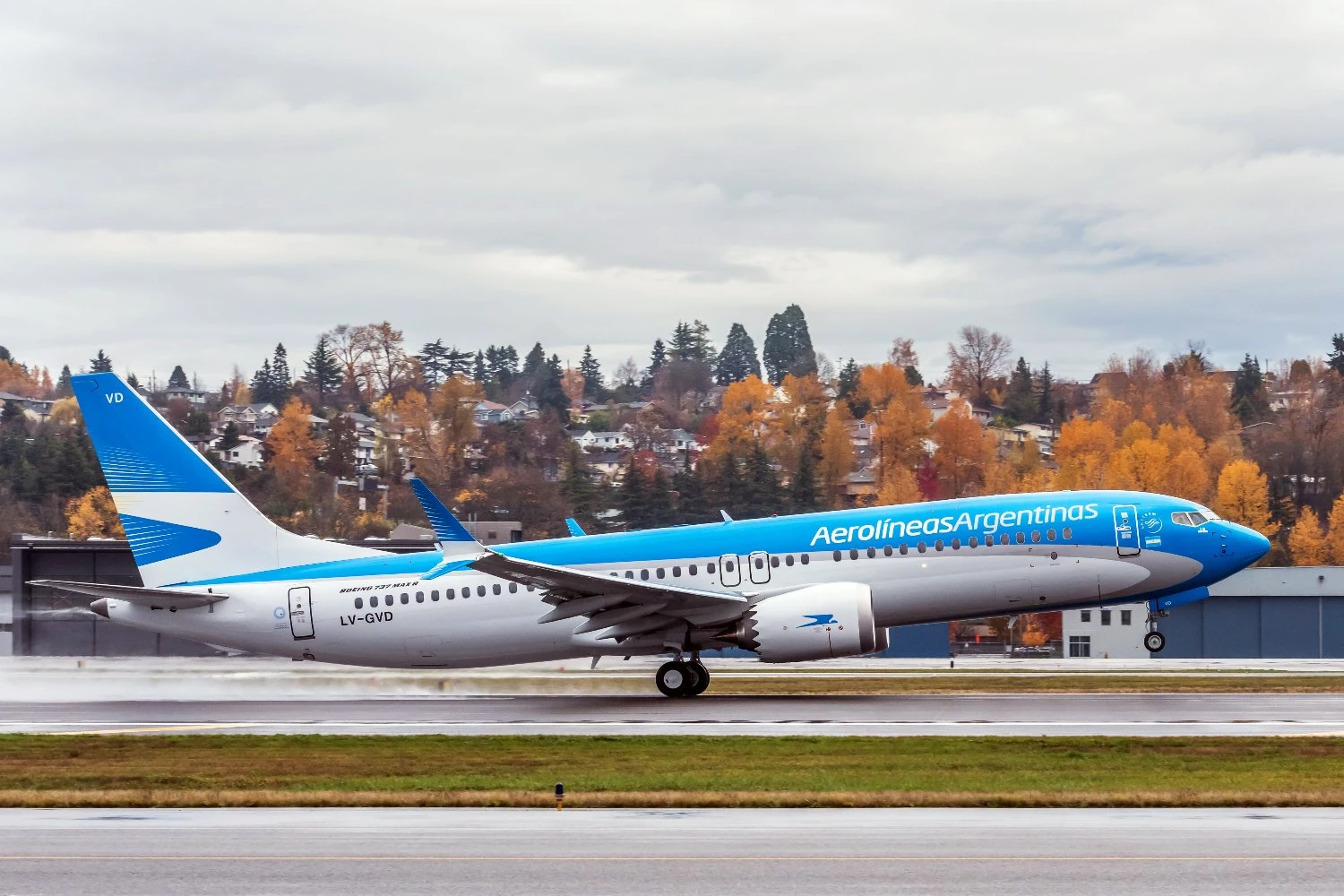
In the narrowbody segment, Boeing slightly led in total volume, with 113 737 MAX deliveries compared to 100 single-aisle aircraft from Airbus. Boeing reports the 737 MAX as a single family, without breaking down figures by variants such as the 737-8 and 737-9.
Airbus, in contrast, splits production between the A220 and A320neo families, with the A321neo alone accounting for 55 deliveries in the quarter. The aircraft remains the most in-demand narrowbody on the market, but Airbus continues to face constraints in increasing output to match demand.
Widebody deliveries remained limited for both manufacturers. Airbus handed over 14 aircraft, including eight A350-900s, three A350-1000s and three A330-900s. Boeing delivered 15 widebodies, with the 787 family accounting for the majority, including 11 787-9s and four 787-10s. The margin between the two manufacturers in this segment was minimal.
Recent news
September 21, 2026
September 21, 2026
September 21, 2026
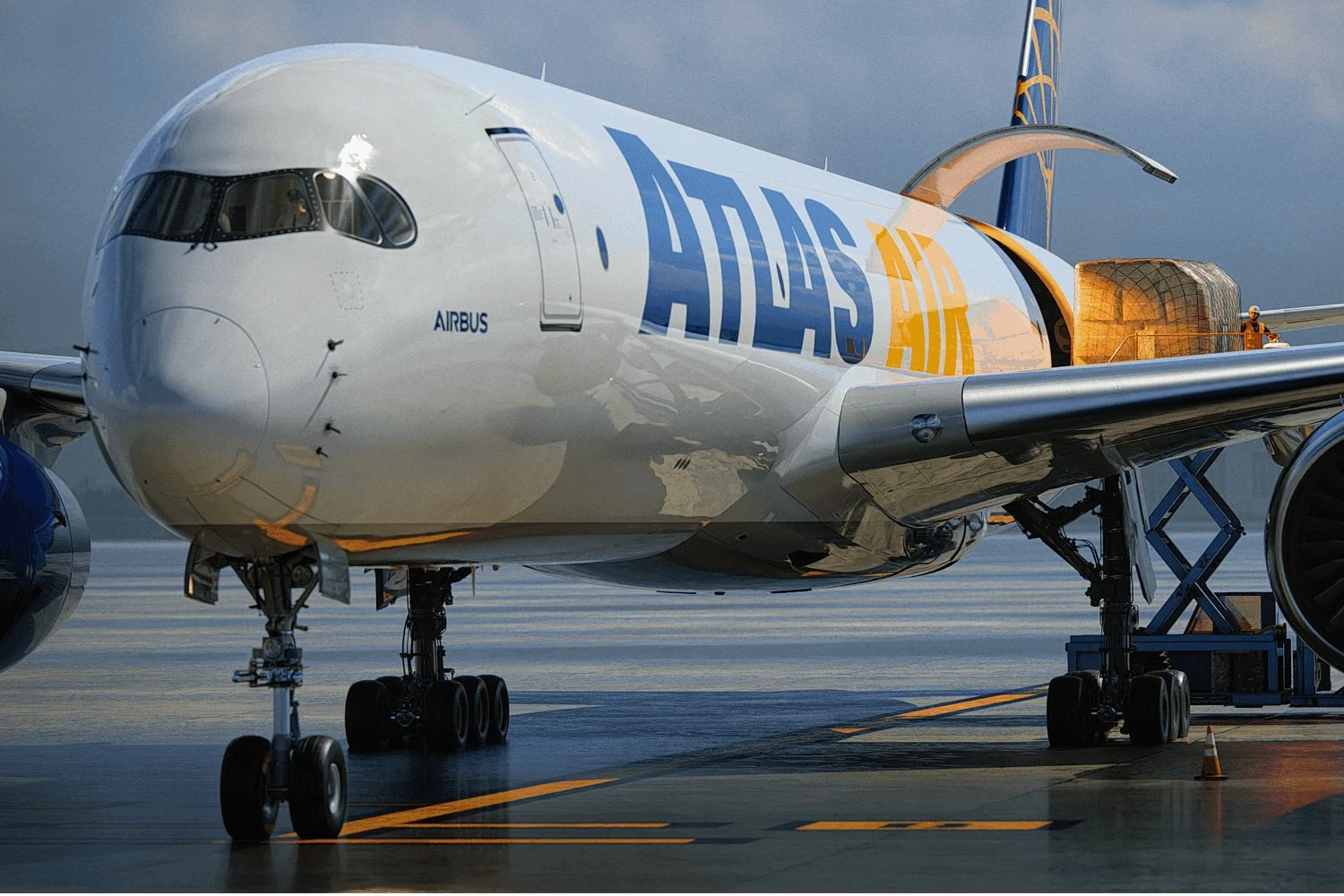
A key difference appears in the cargo market. Boeing delivered 11 freighters in the quarter, including eight 777Fs and three 767-300Fs, in addition to military variants based on the same platform. Airbus recorded no freighter deliveries in the period and has a limited presence in this segment, although that is expected to change with the future entry into service of the A350F.
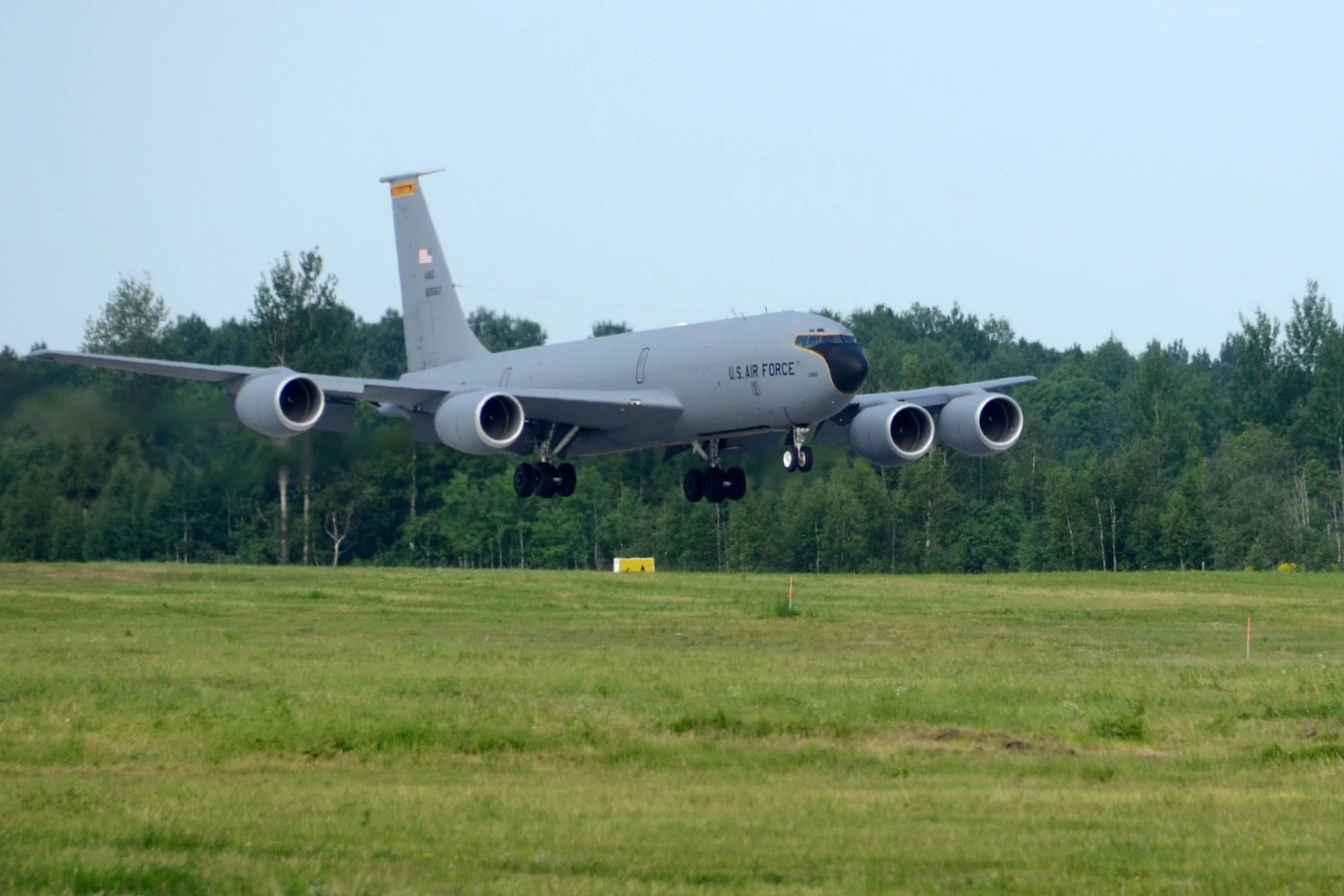
Military production also contributed to Boeing’s total, with four 767-2C aircraft delivered for tanker conversion. Airbus, which produces the A330 MRTT in smaller volumes and on a less regular schedule, did not record deliveries in this category during the quarter.
Both manufacturers continue to face constraints in the supply chain despite plans to increase production rates.