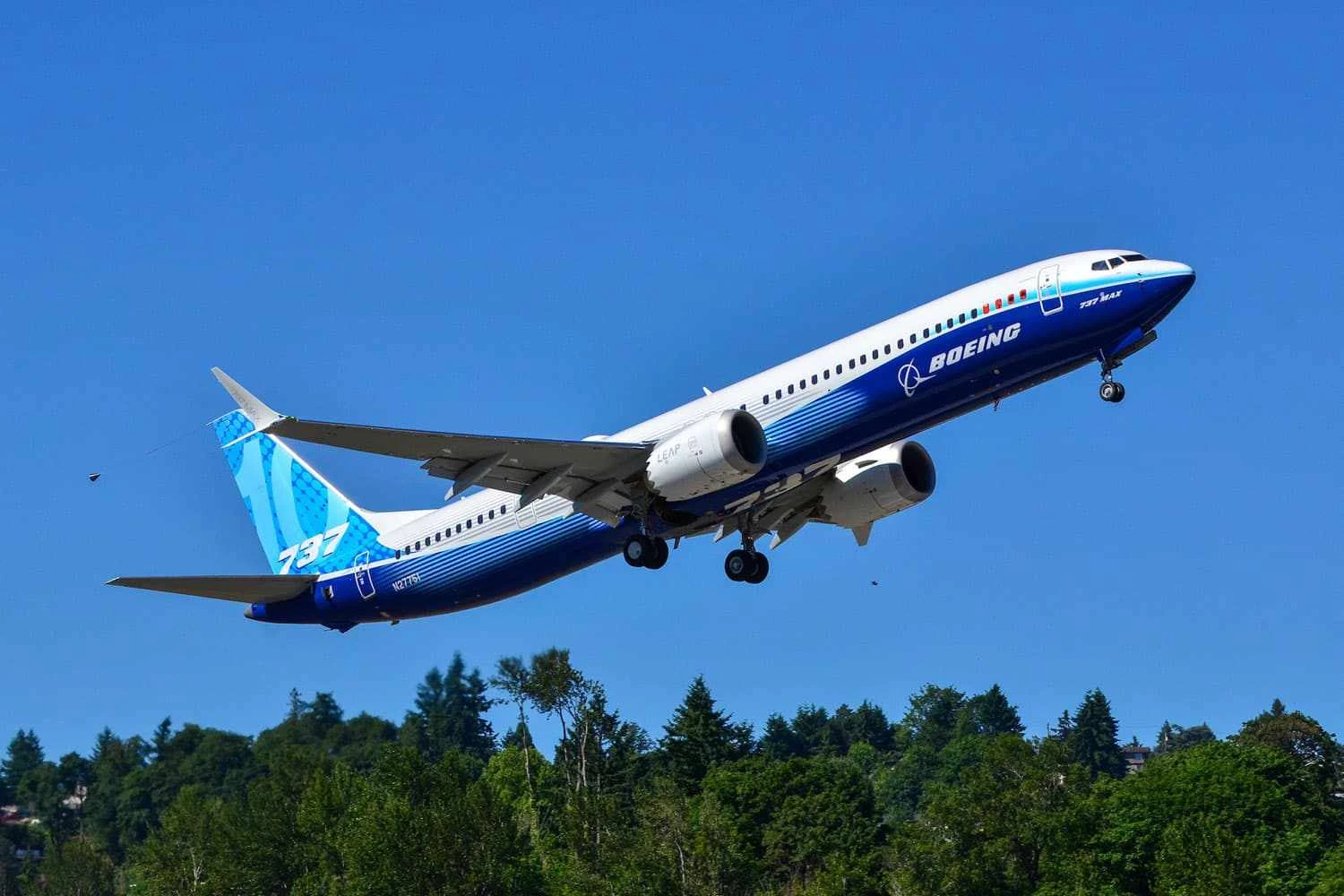
Boeing's recovery of 737 production is taking longer than expected, with the manufacturer now anticipating that output will only stabilize at 47 aircraft per month in 2027 as problems in wing production constrain the assembly system.
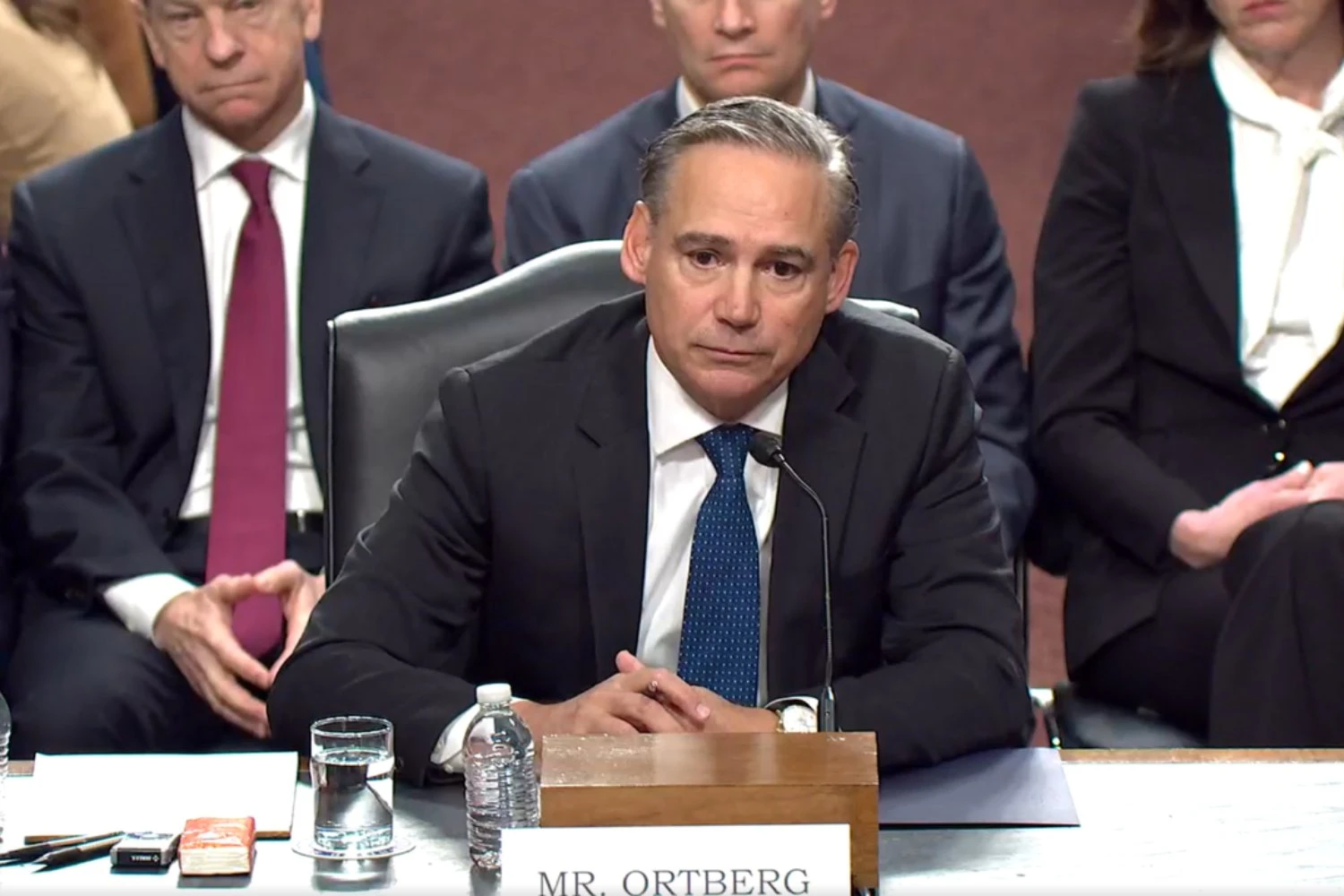
CEO Kelly Ortberg disclosed the revised timeline during Boeing's third-quarter earnings call on Tuesday, acknowledging that the transition from 42 to 47 aircraft per month has proved more difficult than the previous increase from 38 to 42.
"We're not stable at 47 yet," Ortberg told analysts. Boeing has been working through changes in the wing production process that did not deliver all the efficiency gains the company had expected.
The manufacturer is modifying those processes and adding capacity where necessary. Ortberg said initial results have been encouraging, but Boeing wants to demonstrate that the system can consistently sustain the higher rate before considering the transition complete.
Follow Air Data News: WhatsApp | Instagram | LinkedIn | Twitter | Facebook
Engines, another potential constraint as commercial aircraft manufacturers increase production, are not currently limiting the 737. Ortberg said engine availability could effectively be taken off the list of issues affecting the rate increase.
The slower progress means Boeing now expects to deliver fewer than 500 737s in 2026. The company delivered 124 during the third quarter and 367 during the first nine months of the year.
Investors reacted sharply to the slower recovery and other guidance disclosed with the results. Boeing shares fell 9.6% on Tuesday, their largest one-day decline in more than 18 months.
The production delays also affect the timing of cash generated from aircraft deliveries. Boeing expects approximately US$3 billion in free cash flow in 2027, below the roughly US$5.5 billion Wall Street consensus cited by Reuters.
Everett needed for next increase
Reaching 47 aircraft per month is only an intermediate step. Boeing is targeting a further increase to 52 per month during the second half of 2027, but several parts of the production system will need to be ready before that happens.
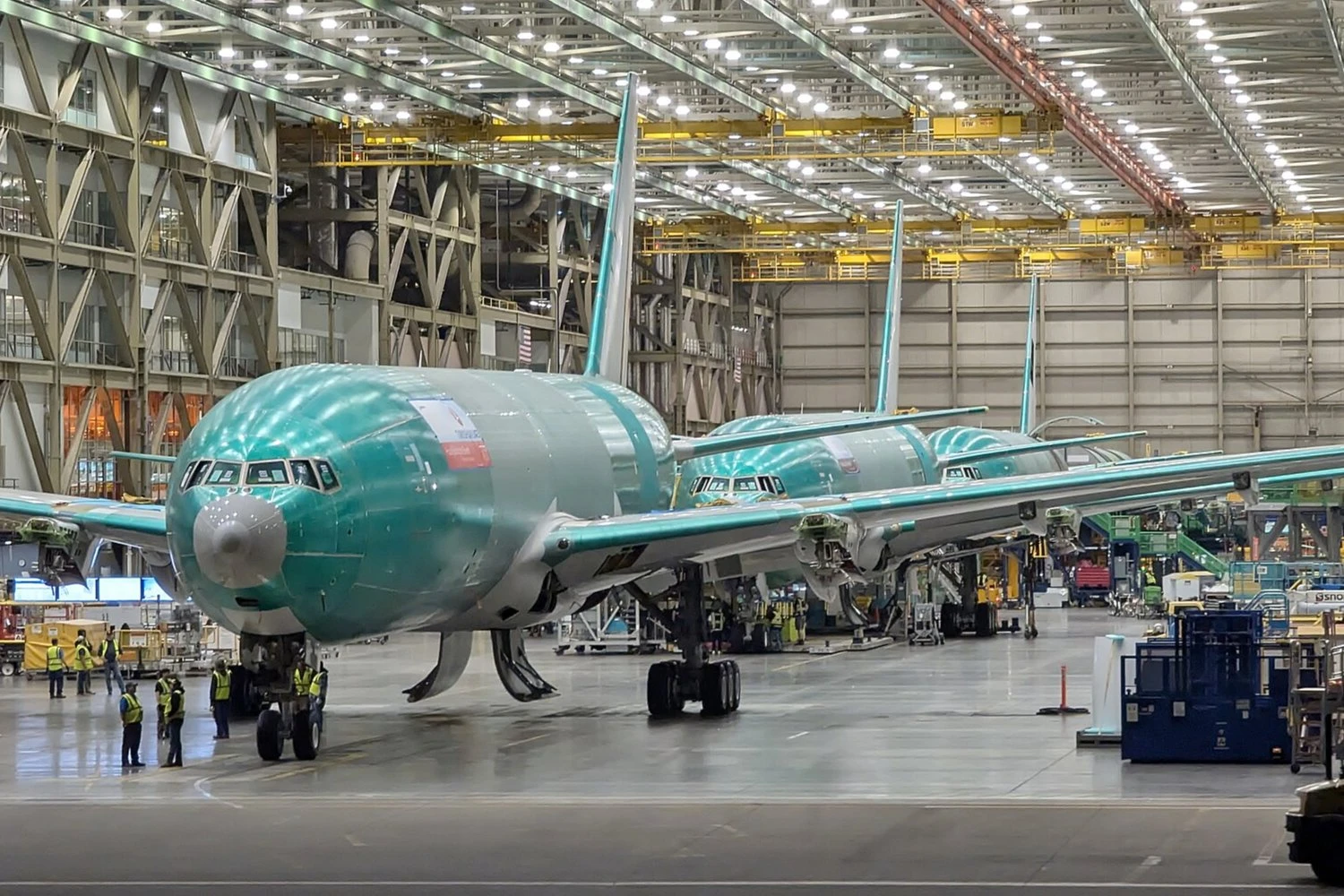
One is the new 737 North Line in Everett, Washington. The first aircraft assembled there, a 737 MAX 10 for WestJet, rolled out of the factory on Monday, one day before Boeing's earnings call.
Ortberg said Everett needs to be certified and operating as part of the production system before Boeing can move to the higher rate. The new line is expected initially to contribute about five aircraft per month.
Related news
October 27, 2026
Fuselage production in Wichita will also have to increase again. Boeing has deliberately kept fuselage output below final assembly rates as it consumes inventory accumulated during previous production disruptions.
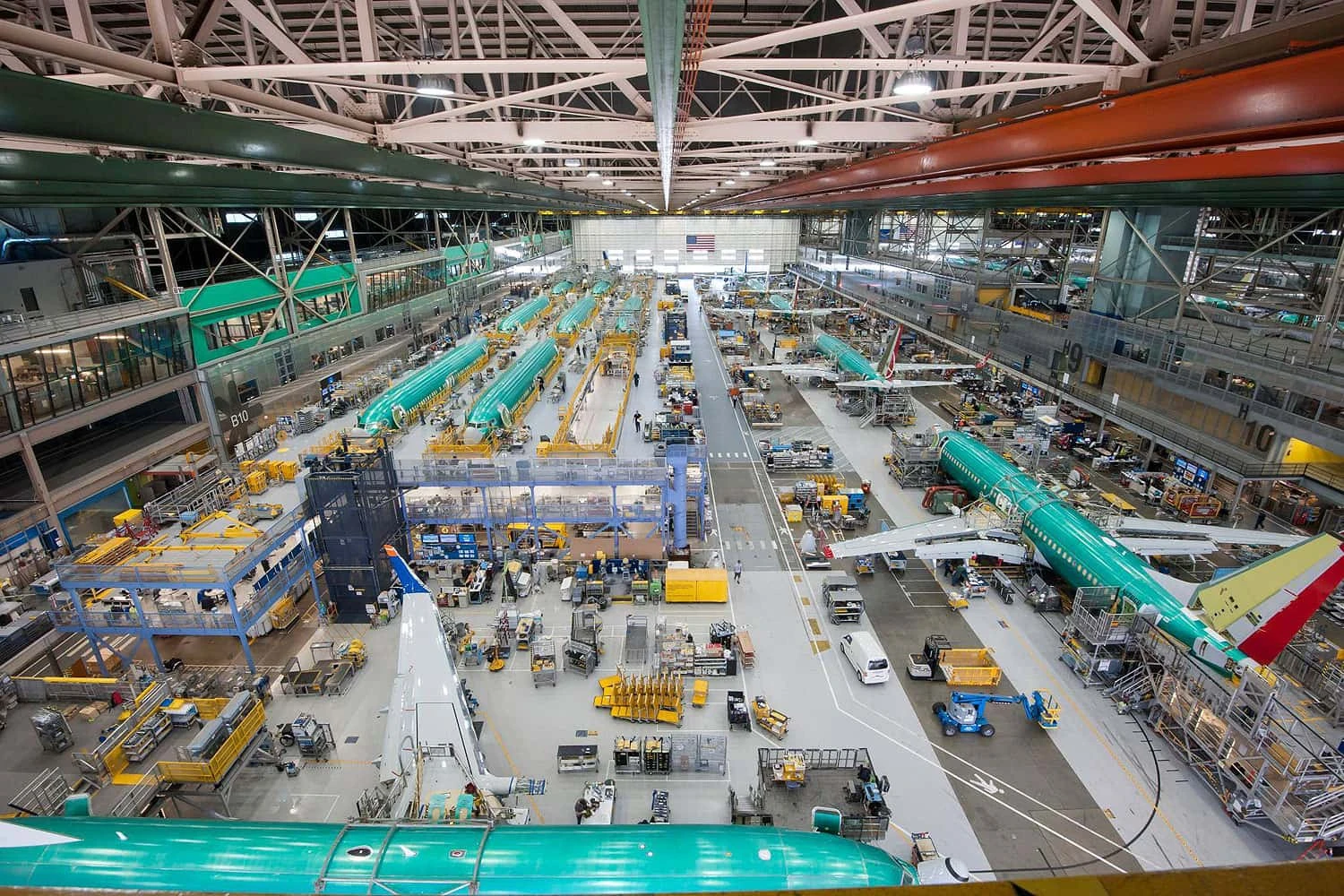
As that inventory normalizes, Wichita will have to accelerate and synchronize with the rest of the system before Boeing attempts 52 aircraft per month.
The company is taking a more cautious approach to rate increases after years in which production disruptions, quality problems and supply-chain instability repeatedly affected the 737 program. Ortberg told analysts that Boeing does not intend to increase output until the entire production system demonstrates that it can support the next rate.
MAX 7 and MAX 10 deliveries
The production recovery coincides with the completion of certification work on the two remaining passenger variants of the 737 MAX.
Boeing said the MAX 7 and MAX 10 certification programs together involved nearly 1,500 test flights and more than 4,000 hours of ground and flight testing.
Aircraft of both variants have already been built and will begin reaching customers in early 2027. Boeing expects to deliver approximately 30 previously produced MAX 7s and MAX 10s during the year as those aircraft are brought to their final certified configurations.
The MAX 10 received Federal Aviation Administration certification on October 20, while the MAX 7 was approved earlier in the third quarter.

Production is expected to continue increasing beyond the 52-aircraft monthly rate planned for the second half of next year. For its longer-term financial planning, Boeing is assuming 737 deliveries in the mid-to-high 50s per month by 2029.
Higher volumes, however, will not restore the economics of the program to where they stood before the two MAX accidents, the subsequent grounding and years of production disruption.
Boeing told analysts that it does not expect 737 margins to return to 2018 levels, either in percentage terms or in absolute dollars.
