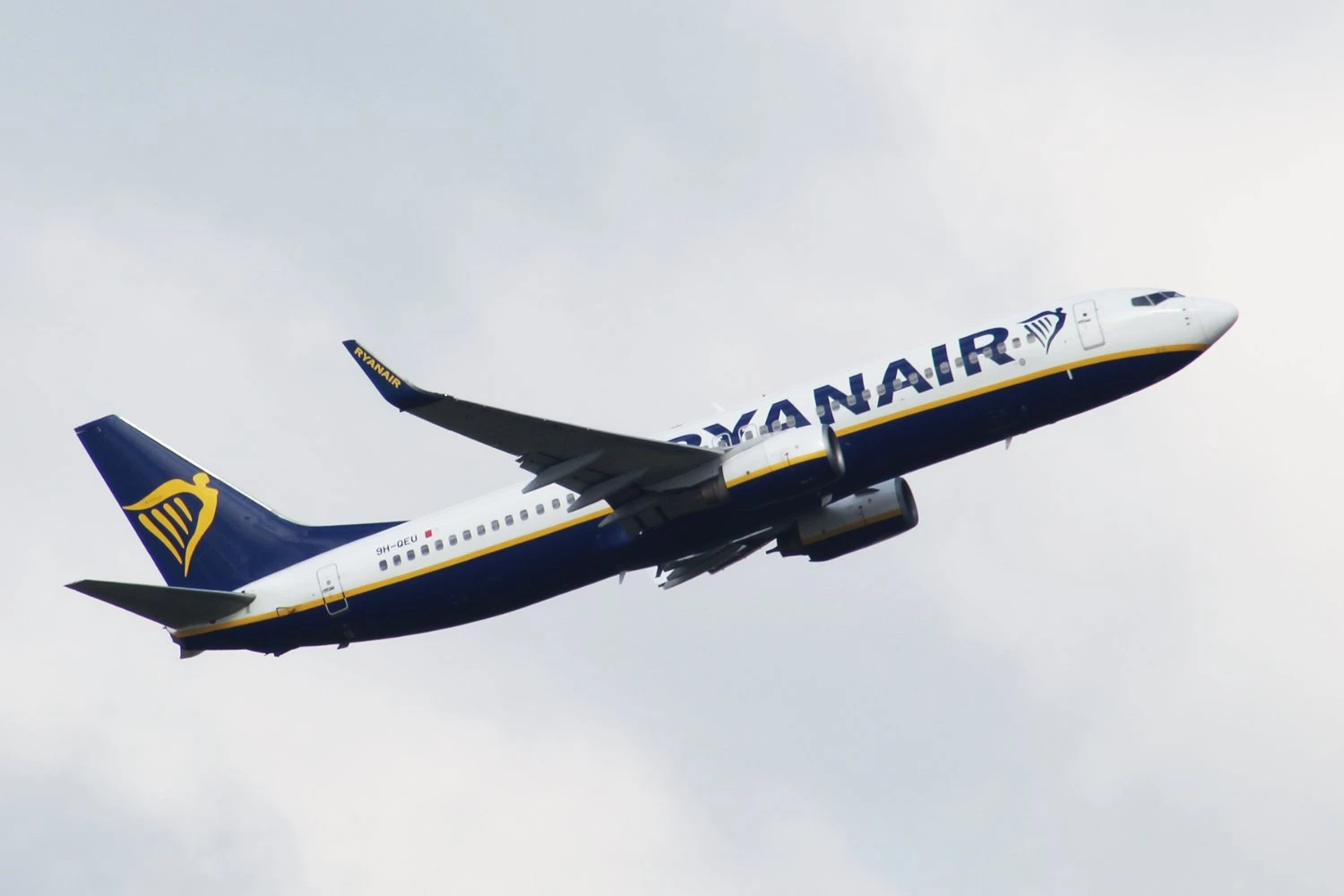
Investigators found bird remains and feathers inside the engine of the Ryanair Boeing 737-800 involved in an accident over Greece last month in which a passenger was partially pulled through a broken window.
According to a preliminary report from the U.S. National Transportation Safety Board (NTSB), a fan blade fractured in the right engine shortly after the aircraft departed Thessaloniki on July 10. Debris from the engine struck the fuselage and horizontal stabilizer, and one fragment broke a passenger window in Row 11.
Related news
September 14, 2026
August 14, 2026
The Boeing 737-800, registered 9H-QEU and operated by Malta Air on behalf of Ryanair, was flying from Thessaloniki to Memmingen, Germany. The aircraft was climbing through approximately 16,000 ft (4,880 m) when the crew detected severe engine vibration and passengers heard a loud bang.
The broken window caused a rapid depressurization. A 61-year-old passenger seated beside it was partially pulled into the opening before his wife and other passengers managed to drag him back into the cabin. He suffered neck and shoulder injuries and friction burns.
Cabin crew also reported a loud and continuous vibration and a small amount of smoke or fog before the oxygen masks deployed. The pilots returned to Thessaloniki, where the aircraft landed safely about an hour after departure.
Evidence of previous bird strikes
The investigation found bird remains inside components of the No. 2 engine. More significantly, the same engine had been involved in four other suspected bird strikes during the previous 12 months. Bird remains were identified after two of those events.
Maintenance inspections performed after the previous incidents found no damage. The engine's fan blades also underwent ultrasonic inspections in November 2025 and May 2026 without any defects being detected.
Investigators recovered three loose fragments of fan blades from the damaged engine. The NTSB has not yet established whether bird ingestion directly caused the blade fracture, and the investigation remains open.
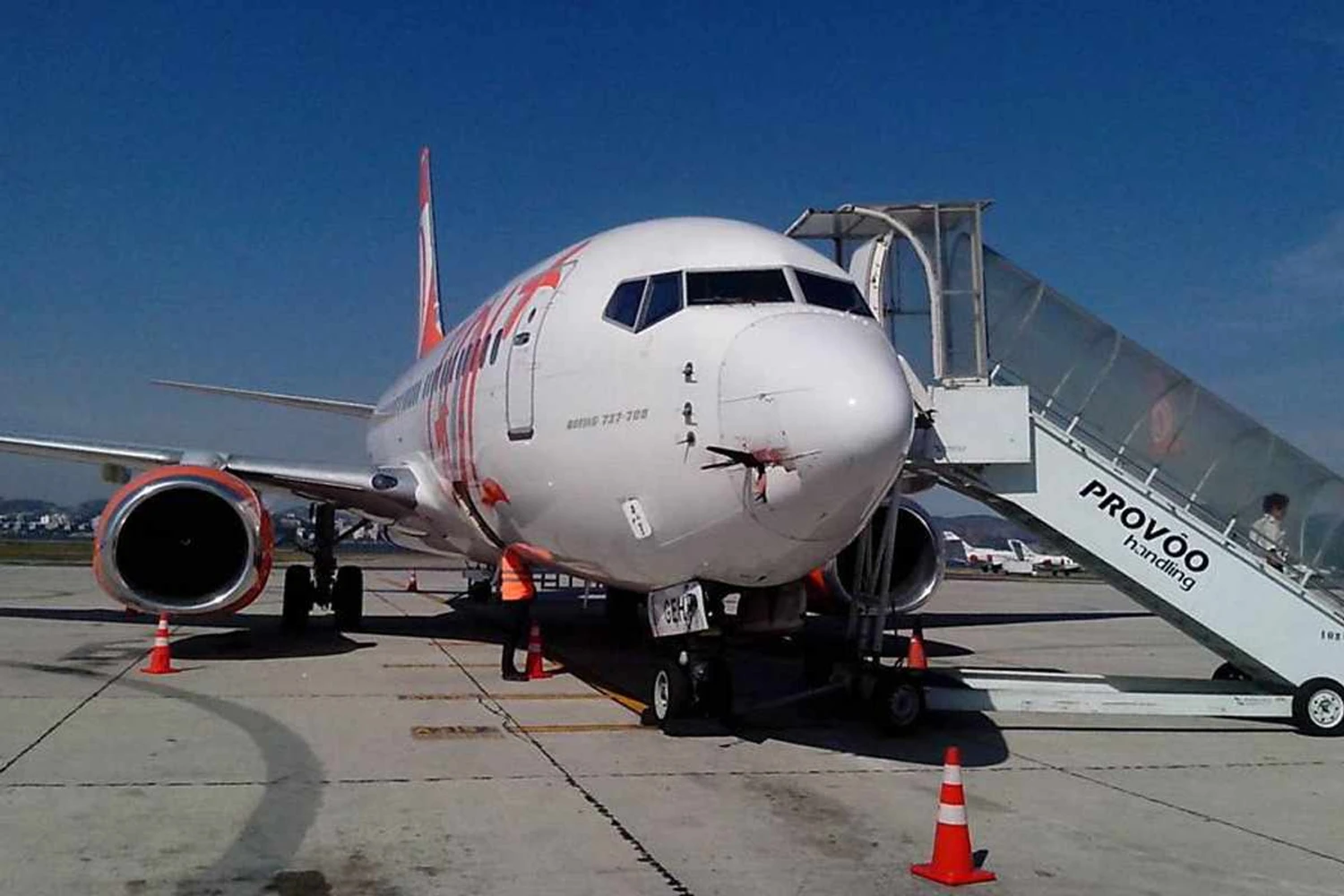
Ryanair CEO Michael O'Leary had previously said preliminary information pointed to foreign-object damage to the engine, although he cautioned at the time that the cause had not been established.
The accident bears similarities to previous failures involving CFM56 engines on Boeing 737 Next Generation aircraft. In the 2018 Southwest Airlines Flight 1380 accident, a fan blade failure sent debris into the fuselage and broke a window. A passenger was partially pulled through the opening and died from her injuries.
The U.S. Federal Aviation Administration issued three airworthiness directives in 2025 requiring modifications intended to reduce the possibility of engine inlet and cowling debris reaching the fuselage after a fan blade failure.
Follow Air Data News: WhatsApp | Instagram | LinkedIn | Twitter | Facebook
The Malta Air 737 had not yet received the principal modifications required by those directives. The deadline for operators to complete the work is July 2028, however, and the NTSB has not linked the absence of the modifications to the July accident.
The aircraft involved is an 18-year-old Boeing 737-800, manufacturer serial number 36569. The aircraft made its first flight on March 7, 2008, and was originally delivered to Ryanair later that month as EI-DYF. It was transferred to Malta Air and registered as 9H-QEU in September 2022. The 737 is configured with 189 seats and, according to fleet records, returned to service on August 8, less than a month after the accident.