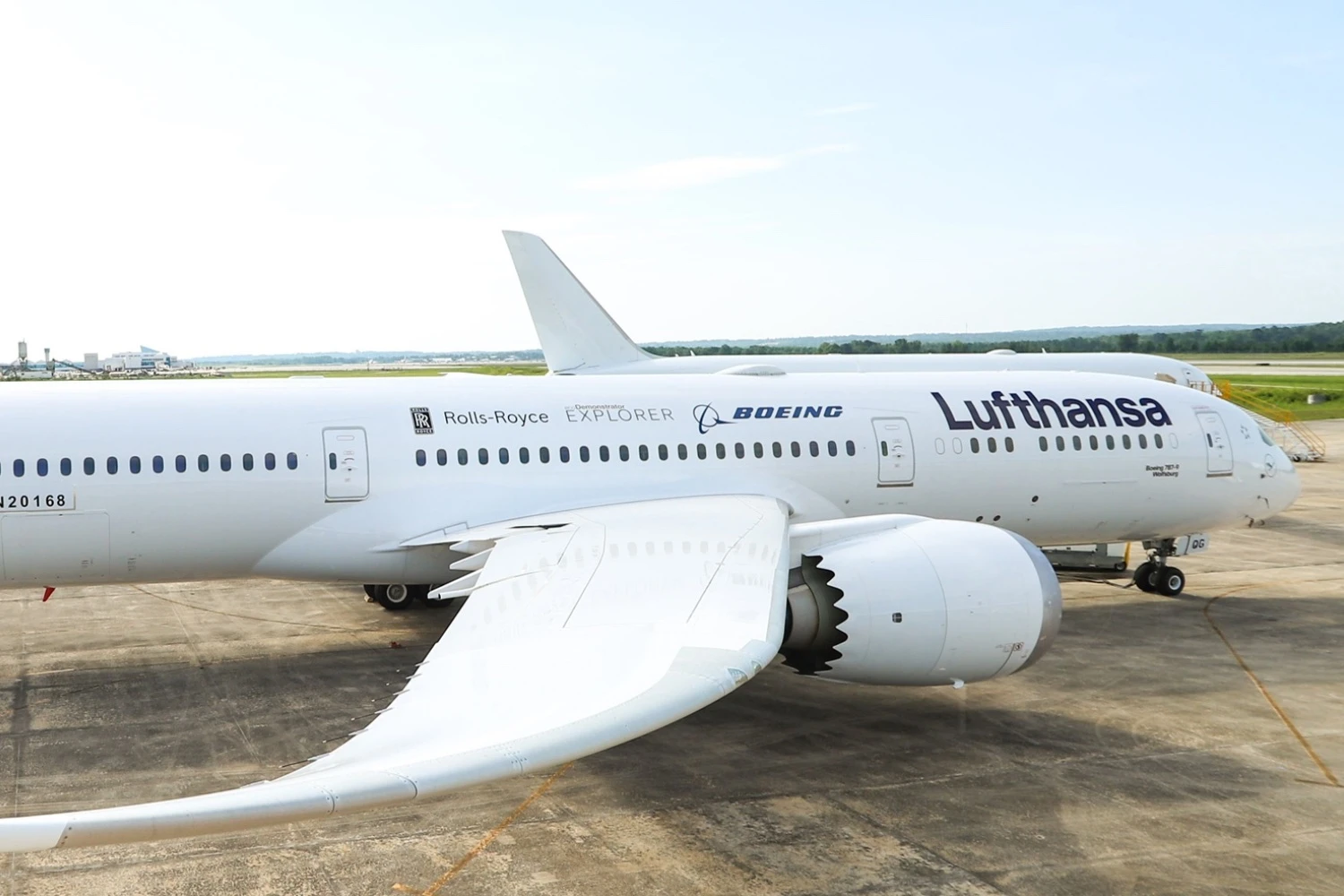
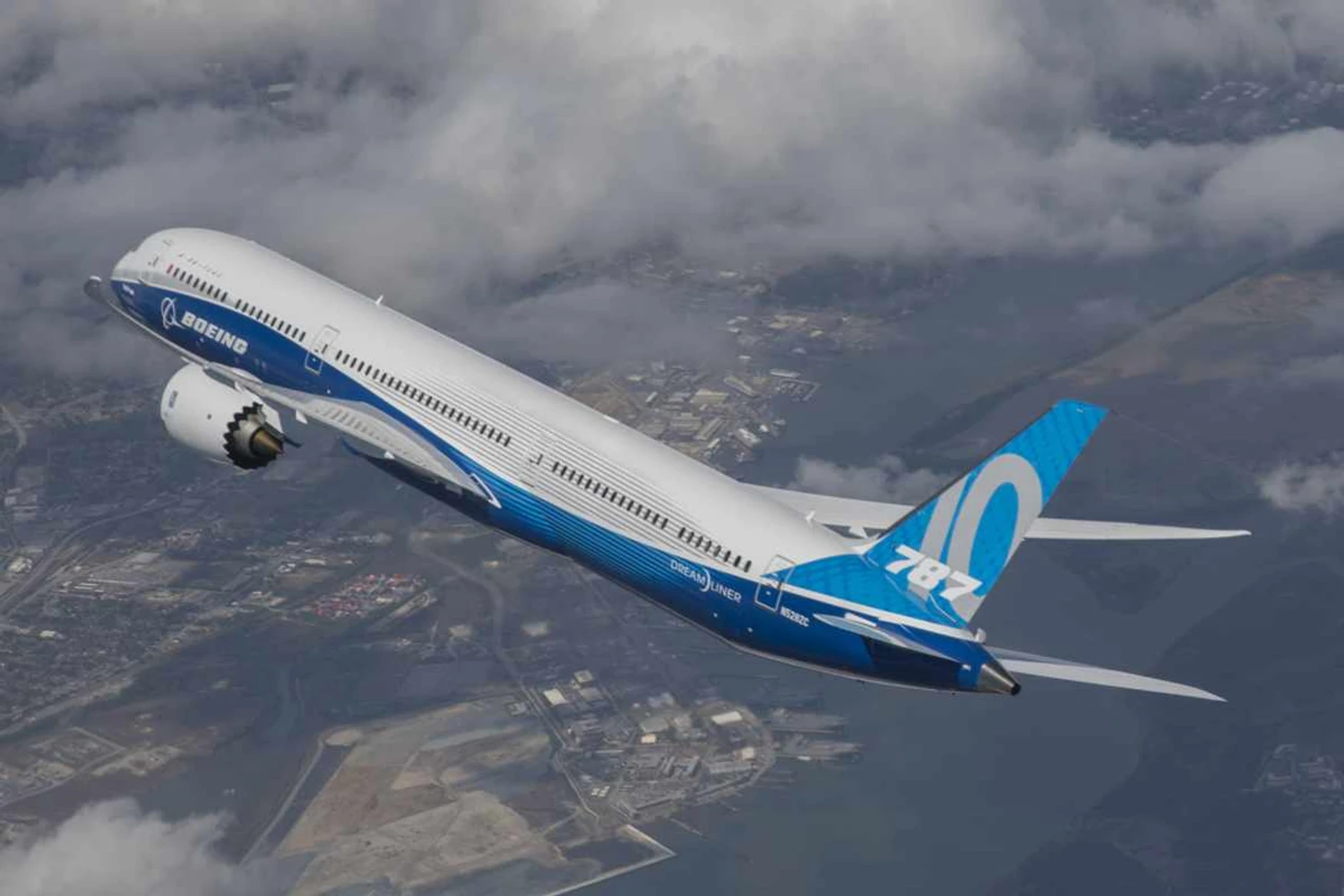
Boeing has completed a series of flight tests with a 787-9 equipped with a shorter engine inlet, a technology that could reduce the weight and aerodynamic drag of future turbofan nacelles.
The campaign took place at Boeing's test facility in Glasgow, Montana, and ended in late July. According to Aviation Week, the company is now analyzing the data collected during the flights.
Follow Air Data News: WhatsApp | Instagram | LinkedIn | Twitter | Facebook
The aircraft was a Trent 1000-powered 787-9 destined for Lufthansa and used for Boeing's latest ecoDemonstrator Explorer campaign. It flew from Columbia, South Carolina, to Montana on July 16 and returned on August 2.
Flight-tracking data indicates that the Dreamliner accumulated about 52 flight hours across 12 flights, including the initial ferry to Montana. Boeing did not disclose the precise number or nature of the tests.
The company told the outlet that the campaign finished ahead of schedule and produced the data required for further evaluation and development of the technologies under study.
One of the main experiments involved what Boeing calls its Next Generation Inlet, developed with Rolls-Royce under the FAA's Continuous Lower Energy, Emissions and Noise (CLEEN) program.
Trade-off
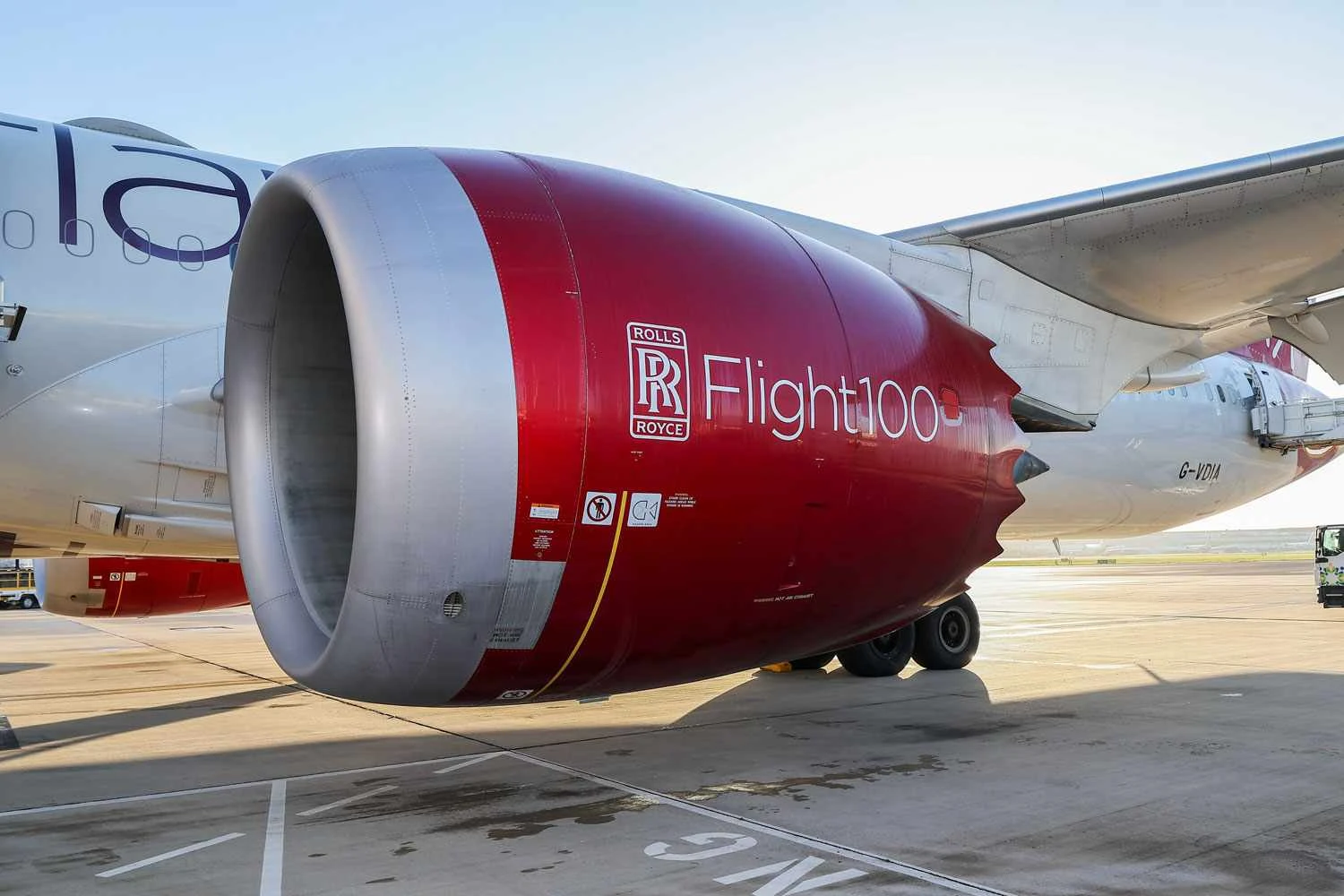
A shorter inlet can reduce nacelle weight and drag, an increasingly important consideration for high-bypass turbofan engines with large-diameter fans. There is a trade-off, however: reducing inlet length also leaves less internal surface available for acoustic treatment, which can make fan noise more difficult to control.
Boeing therefore fitted the modified inlet with a new acoustic treatment. The immediate objective was to determine whether the shorter design could provide a fuel-efficiency improvement of up to 0.5% without making the 787 noisier.
The concept has been under development for about a decade. Rolls-Royce began design and analysis work on a short inlet for the Trent 1000 in 2016. Ground tests followed in 2018 at the NASA John C. Stennis Space Center in Mississippi.
Related news
September 21, 2026
September 21, 2026
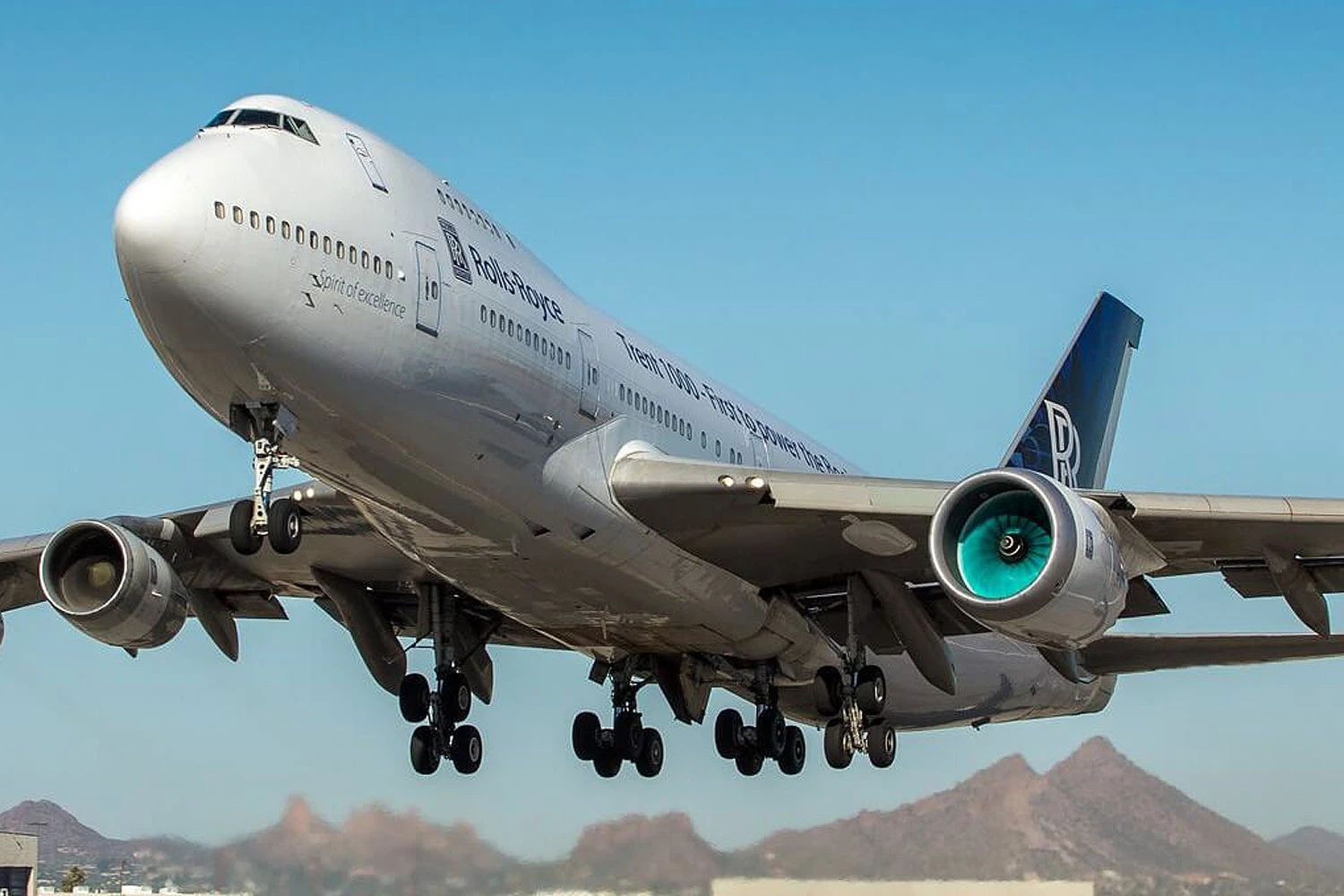
Rolls-Royce subsequently installed the concept on its Boeing 747-200 flying testbed for aerodynamic flight evaluations in late 2022. The 2026 campaign moved the technology to a 787 and added Boeing's acoustic treatment to the experiment.
Future versions could produce larger gains. Boeing estimates that a short inlet combined with a more compact nacelle could eventually cut fuel consumption by as much as 2% and reduce noise by up to 1.5 dB. Those targets have also appeared in FAA documentation for the CLEEN program.
Different approaches to airport noise
The 787 campaign was not limited to modifications to the engine installation. Boeing also tested what it calls "intelligent operations," a series of optimized approach and departure procedures intended to reduce both fuel consumption and airport noise.
According to Aviation Week, Boeing believes these procedures could cut noise by another 3 to 5 dB. The company has not yet disclosed results from the Montana flights.
The latest campaign was the 13th conducted under the ecoDemonstrator program since Boeing launched the initiative in 2012. The manufacturer has used production and dedicated test aircraft to evaluate technologies before deciding whether they are suitable for future commercial programs.
Boeing introduced the shorter "ecoDemonstrator Explorer" format in recent years for campaigns dedicated to a smaller number of specific technologies. Lufthansa participated in the 2026 program by providing the 787-9 used for the tests.