 Defense
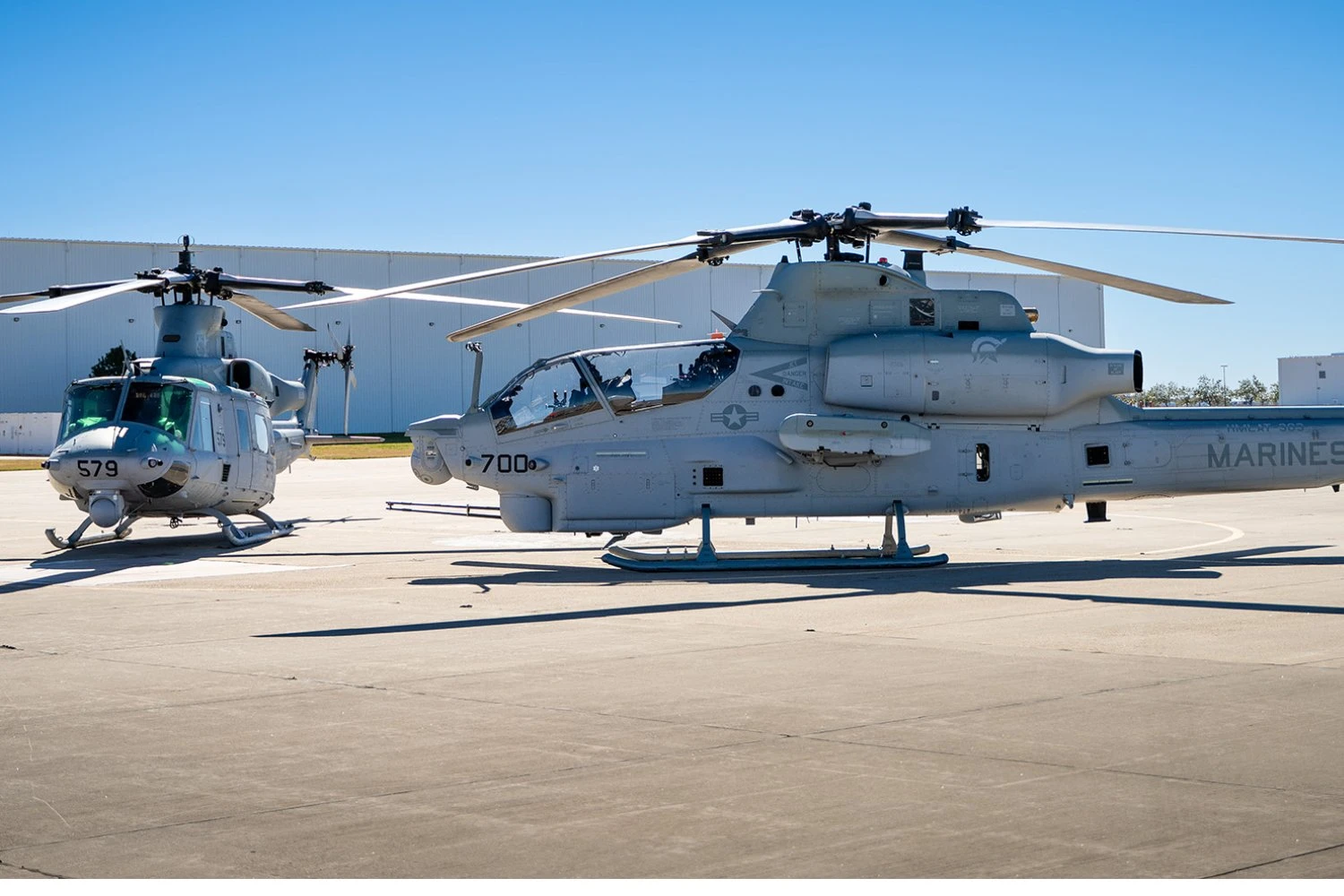
Bell has completed the first AH-1Z Viper and UH-1Y Venom helicopters upgraded under the U.S. Marine Corps’ SPINE modernization program, with both aircraft now transferred to Naval Air Station Patuxent River for flight testing.
The work focuses on structural reinforcements and increased electrical power capacity, allowing the H-1 fleet to support more demanding onboard systems, including next-generation weapons and mission equipment. The two helicopters were modified over a 19-month period at Bell’s Amarillo Assembly Center following earlier work at its drive systems and overhaul facilities.
Flight tests at Patuxent River will validate the final configuration before the upgrade package is applied across the broader Marine Corps fleet under future contracts. The program is intended to extend the operational relevance of the AH-1Z and UH-1Y in increasingly complex combat environments.
Bell said the enhancements will improve survivability and mission effectiveness, particularly by enabling integration of additional electronic systems that require higher power availability. “These upgrades will ensure that our H-1 aircraft remain capable for modern missions,” said Scott Sims, director of the H-1 program.
The SPINE (Structural and Power Improvements for NextGen Effects) effort is part of a longer-term plan to modernize the Marine Corps’ H-1 fleet over the coming decade, keeping the helicopters aligned with evolving operational requirements and joint-force interoperability standards.
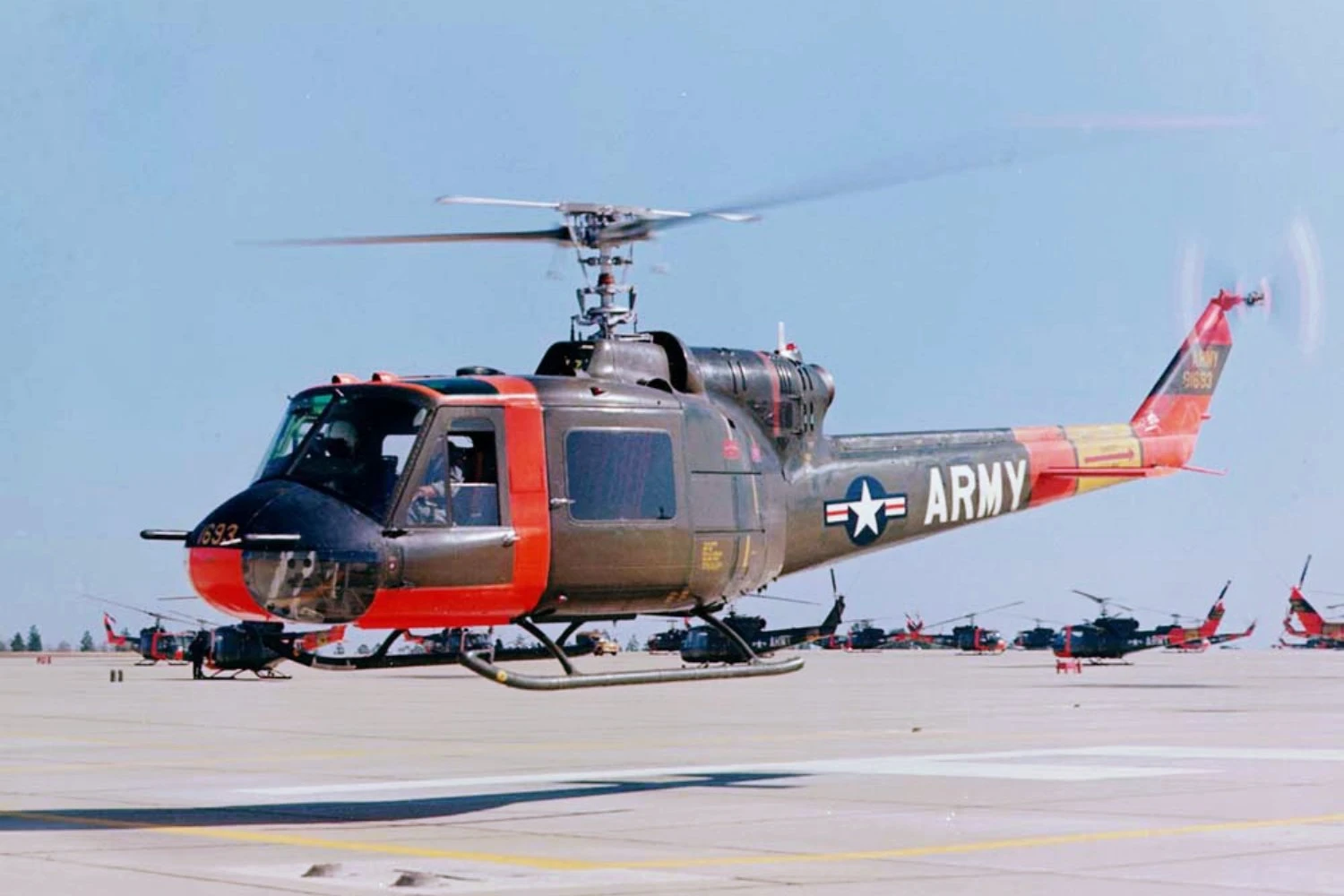
The H-1 family traces its origins back nearly 70 years to the first Bell Huey, which entered development in the 1950s. The lineage includes the UH-1 Iroquois and AH-1 Cobra, leading to today’s UH-1Y and AH-1Z variants that remain in frontline service.
According to World Air Forces 2026, there are currently 186 AH-1Z and 131 UH-1Y helicopters in service with the US Marine Corps.