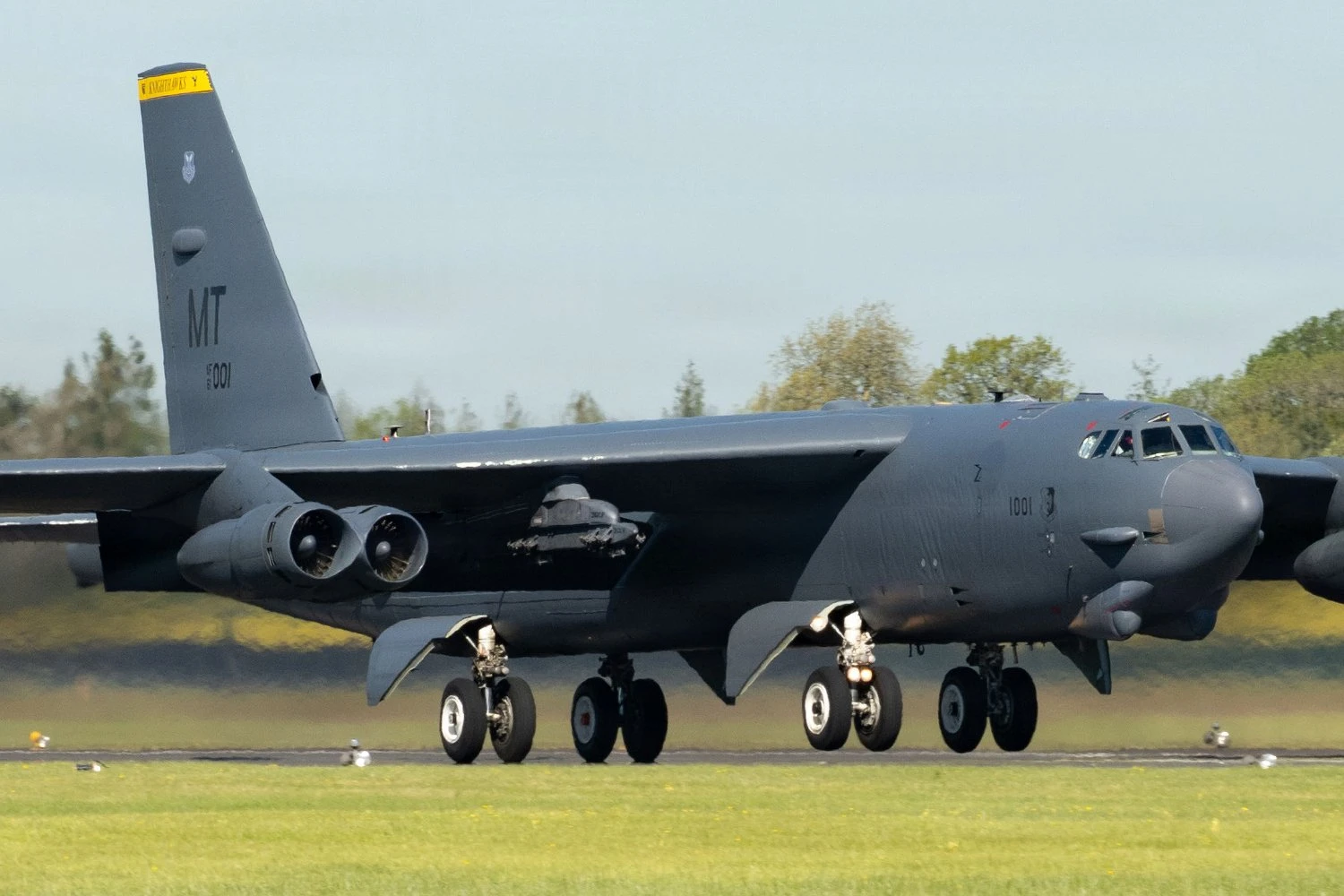
The U.S. Air Force (USAF) has set the acquisition cost of the B-52 Commercial Engine Replacement Program (CERP) at US$20.2 billion as it moves ahead with the two largest elements of a modernization effort intended to keep the strategic bomber operational into the 2050s.
The figure, established under the program's first official Acquisition Program Baseline, covers research and development, testing, procurement and military construction. US$2.6 billion has been spent since work began in 2018. Separately, the Radar Modernization Program (RMP) has been estimated at more than US$2.9 billion, taking the combined cost of the two projects above US$23 billion.
Follow Air Data News: WhatsApp | Instagram | LinkedIn | Twitter | Facebook
Both programs have experienced substantial cost growth and schedule delays. The Government Accountability Office (GAO) said CERP costs had risen by about US$3 billion since its previous assessment, while the radar program has also recorded cost growth of more than 30% and triggered a significant Nunn-McCurdy breach. Ten of 13 B-52 modernization projects reviewed by the watchdog have faced cost, schedule or performance problems.
Engine and radar programs move forward
CERP passed Milestone B on June 1, clearing it to enter Engineering and Manufacturing Development. The program will replace the B-52H's eight Pratt & Whitney TF33 turbofans with Rolls-Royce F130 engines and modify supporting systems including generators, hydraulics, cockpit displays and flight systems. Aircraft receiving the new engines and radar are expected to be redesignated B-52J.
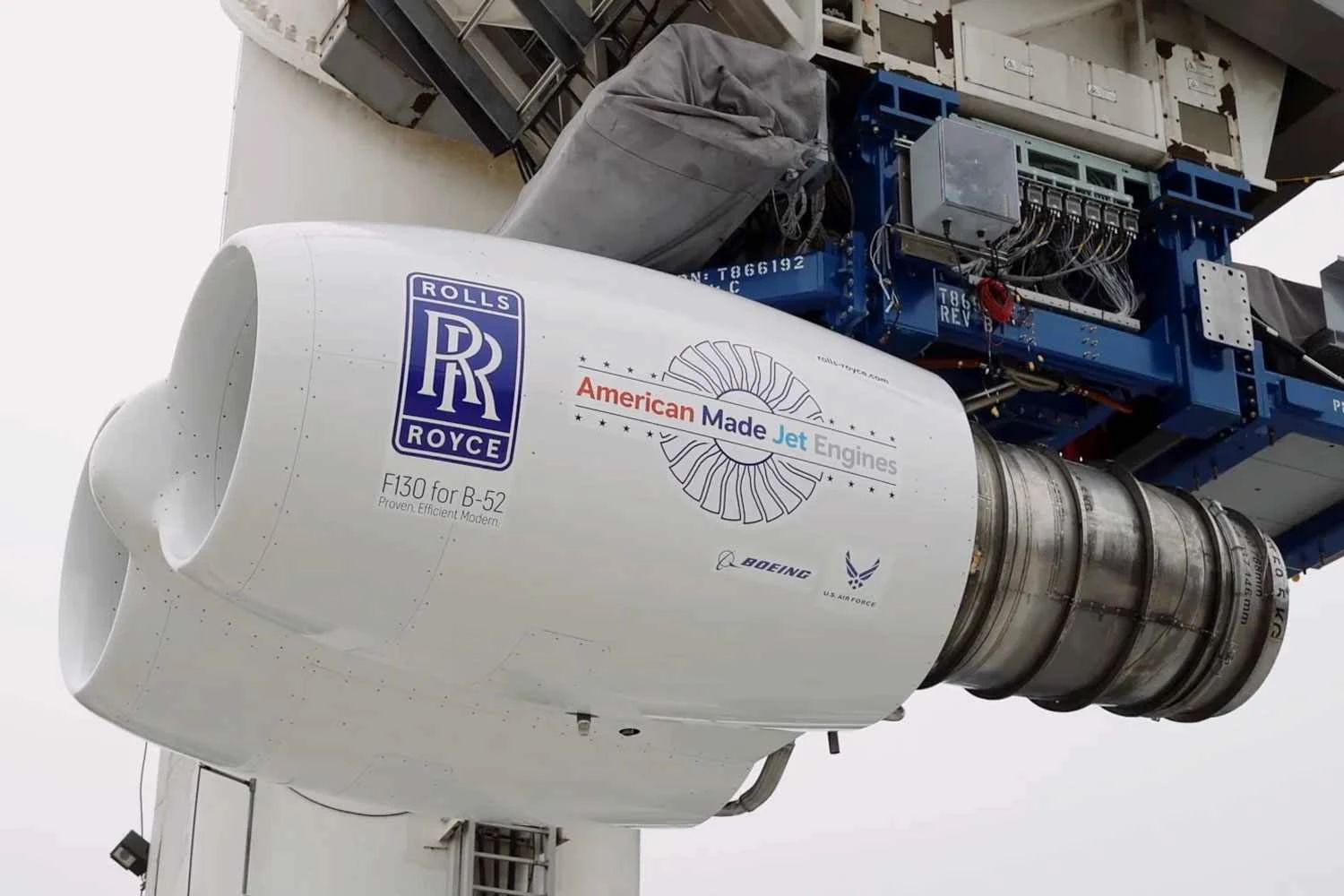
The redesign has already encountered integration problems. Wind-tunnel testing identified airflow distortion at the engine inlet, forcing Boeing and Rolls-Royce to redesign the nacelle and inlet before completing the Critical Design Review in May. Engine testing continues ahead of flight trials.
The radar program reached Milestone C on August 21, authorizing Low-Rate Initial Production. The APQ-188 AESA will replace the B-52's 1980s-era APQ-166 radar. Raytheon received the radar production contract and Boeing will supply the aircraft integration kits, with four aircraft covered by the first lot and 74 kits planned across five production lots.
The progress follows significant setbacks. The RMP's initial operational capability has moved by several years, while the Air Force reduced five of its 25 performance requirements as costs increased. CERP has also slipped, and the GAO has warned about plans to begin production while developmental flight testing remains incomplete, increasing the risk of costly changes if problems emerge later.
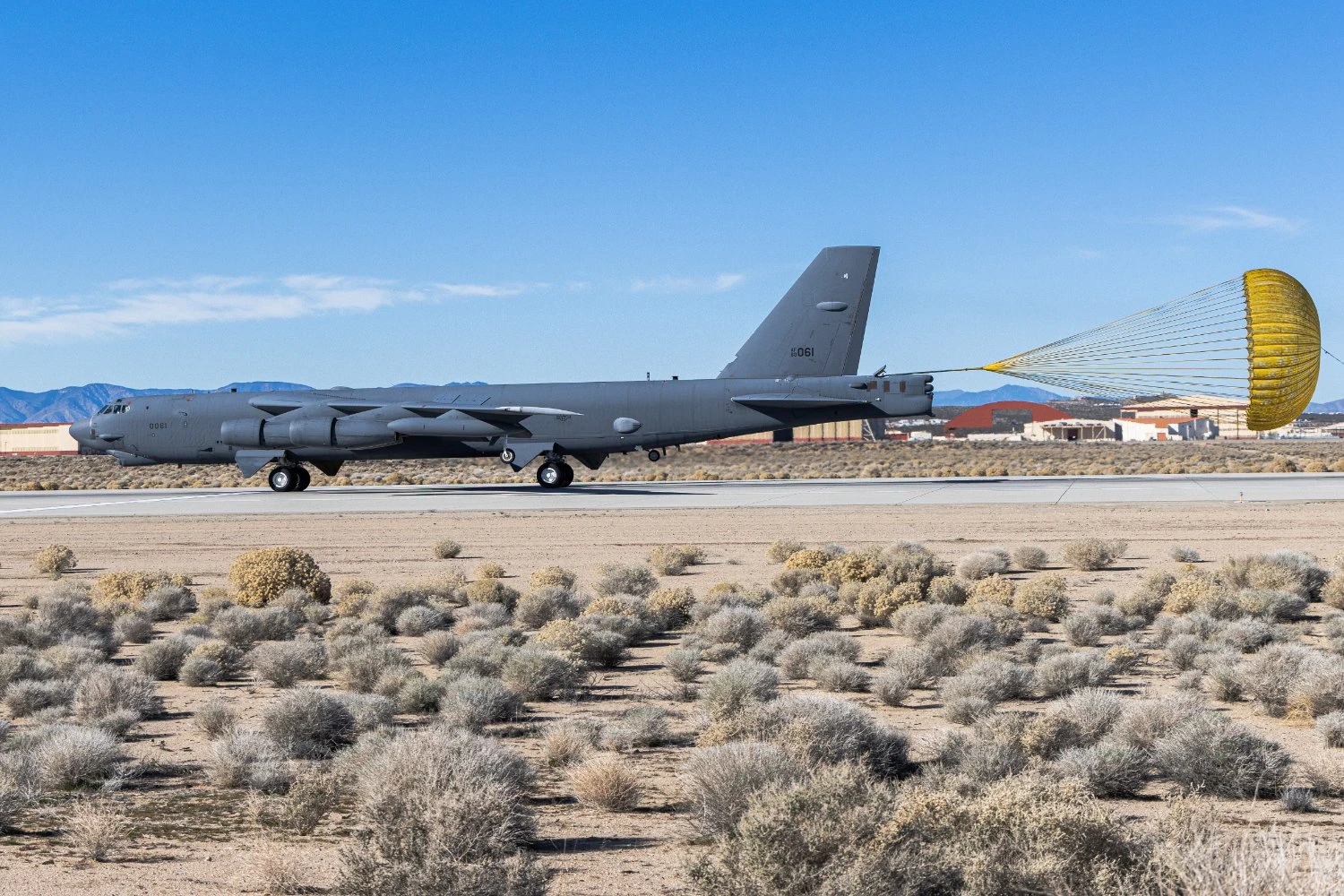
Two operational B-52s assigned to testing
The Air Force will now take two B-52Hs currently performing operational missions and send them to Boeing's San Antonio facility in the coming months. Both will receive the engine and radar modifications concurrently and become dedicated test aircraft, an effort that could help advance the two programs together as the service works through their delayed schedules.
Related news
September 14, 2026
September 13, 2026
The move follows the loss of a B-52 test aircraft at Edwards Air Force Base in June. The bomber had been involved in radar modernization testing, adding pressure to a test program already working through schedule and integration challenges.
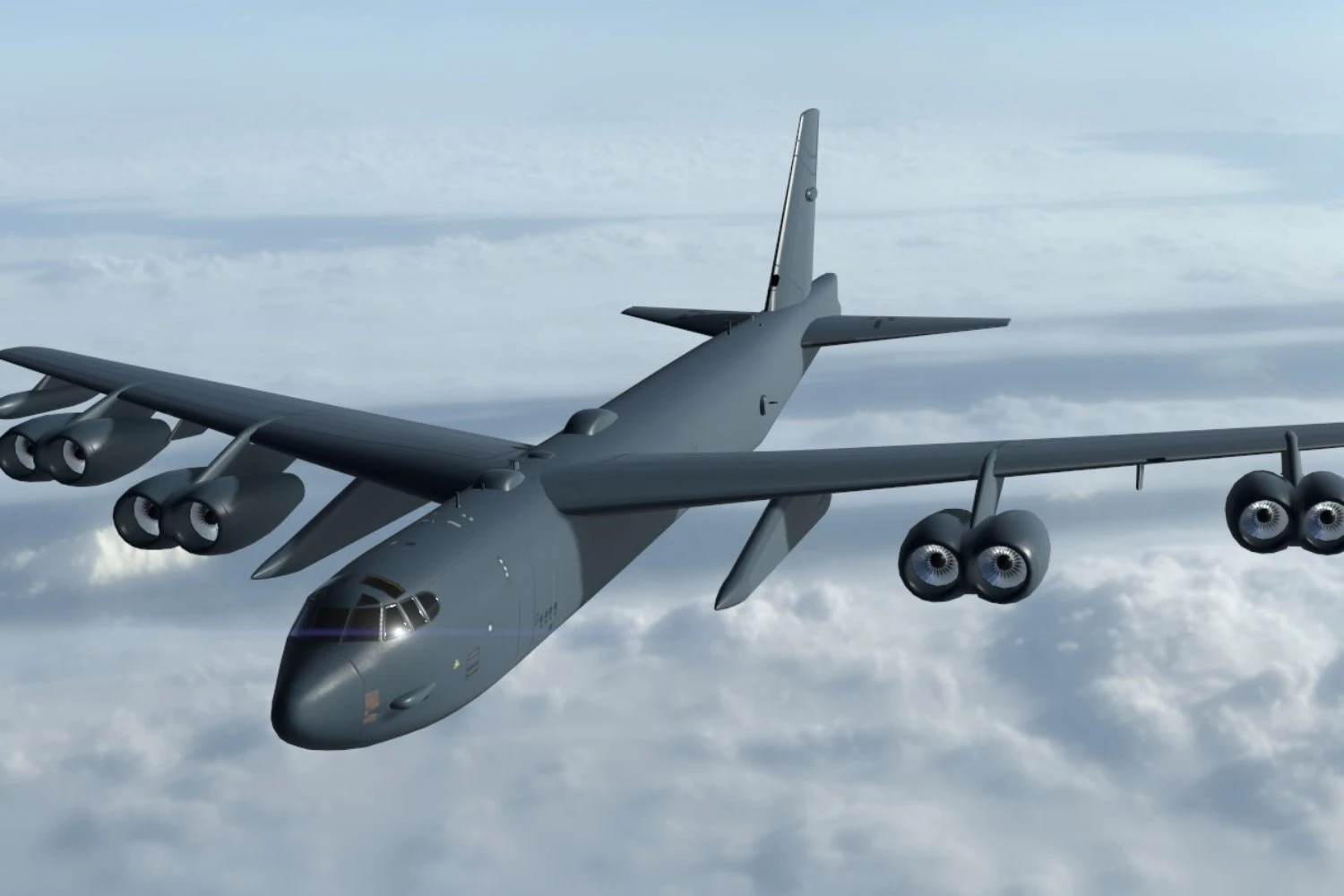
The mounting cost also illustrates the challenge behind extending the B-52's service life for another three decades. Although today's B-52Hs were built in 1961 and 1962, the aircraft retains the basic airframe architecture conceived by Boeing in the late 1940s. Successive variants brought new engines, systems and other improvements without fundamentally reinventing the original configuration. Integrating another generation of propulsion, radar, electrical and electronic systems into that architecture is proving considerably more complex and expensive than early projections suggested.
The Air Force nevertheless says detailed structural assessments completed for the CERP Milestone B decision found sufficient fatigue life across the B-52 airframes to support operations through the 2050s and beyond. The service plans to combine the new engines and radar with communications and weapons upgrades, including newer variants of the JASSM and LRASM, as it prepares the B-52 for continued conventional and nuclear missions.