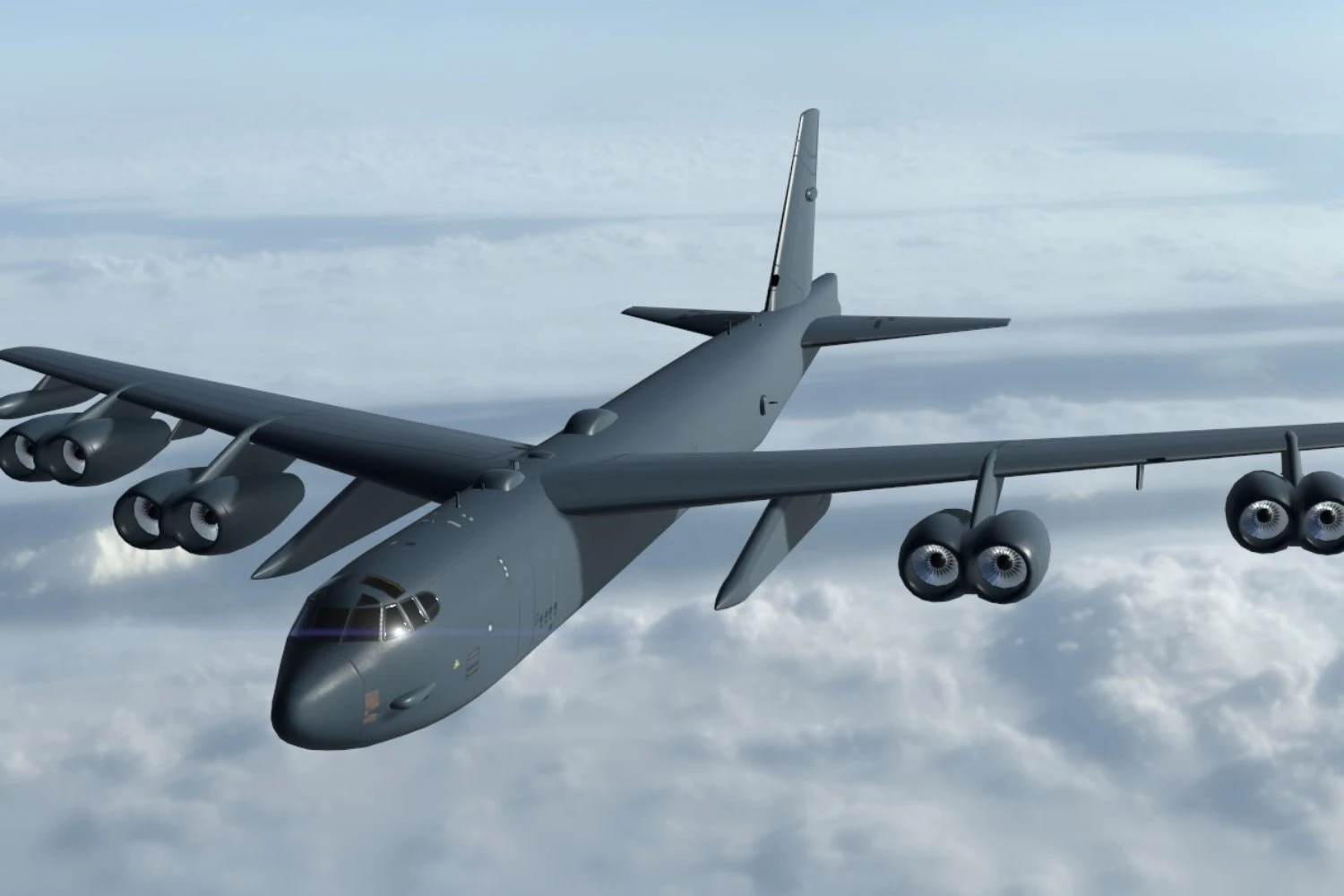
The U.S. Air Force (USAF) is preparing to launch a new study evaluating future long-range bomber requirements beyond the upgraded B-52J fleet and the Northrop Grumman B-21 Raider, according to documents associated with the fiscal 2027 budget request first reported by Air & Space Forces Magazine.
The service plans to begin a “Heavy Bomber Analysis of Alternatives” to assess future strike capabilities, including possible new aircraft concepts, additional B-52 upgrades or expanded procurement of the B-21.
The move comes even as the Air Force prepares to modernize 76 B-52H bombers into the B-52J configuration with new Rolls-Royce engines, radar, avionics and landing gear upgrades intended to keep the aircraft operational into the 2050s.
Related news
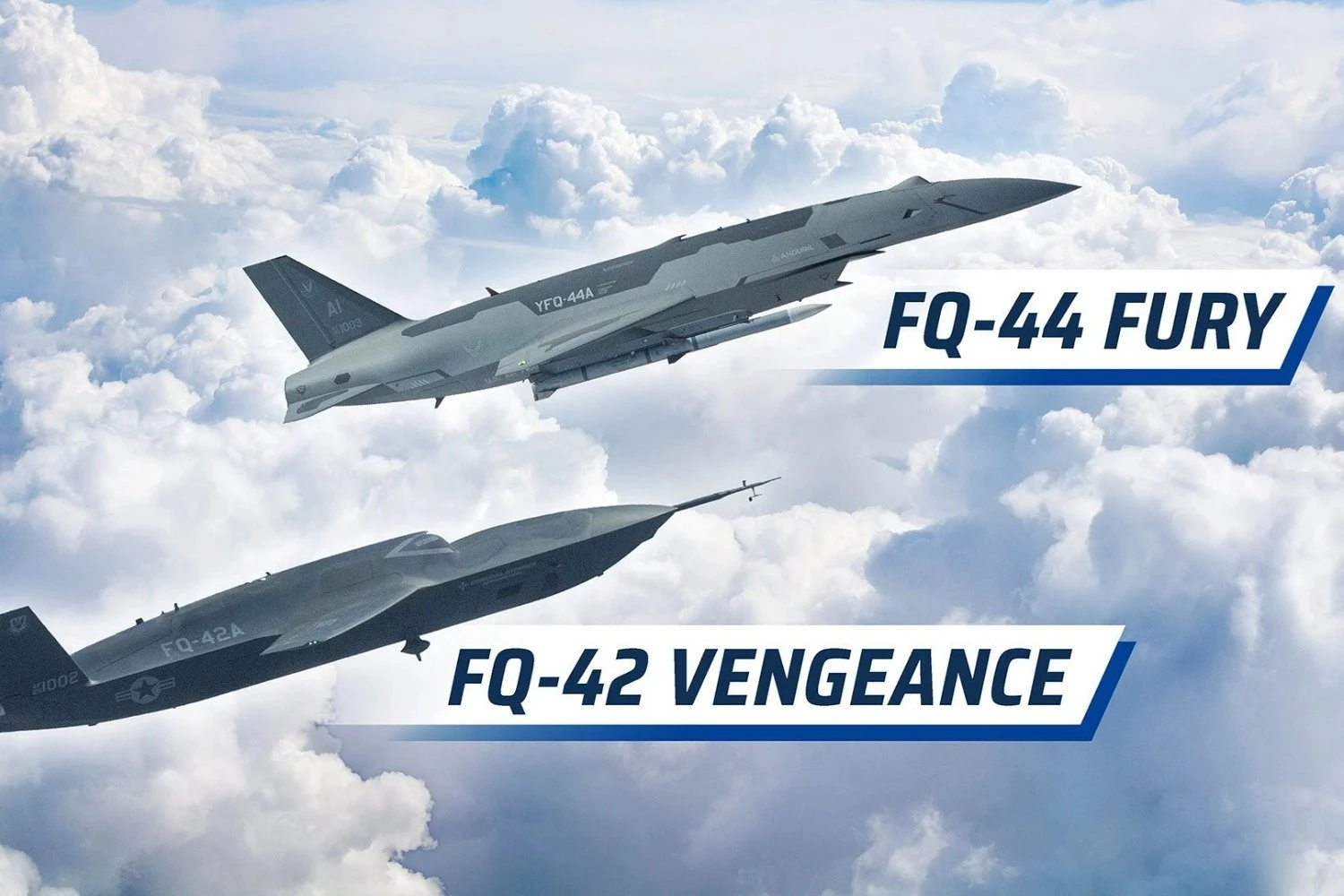
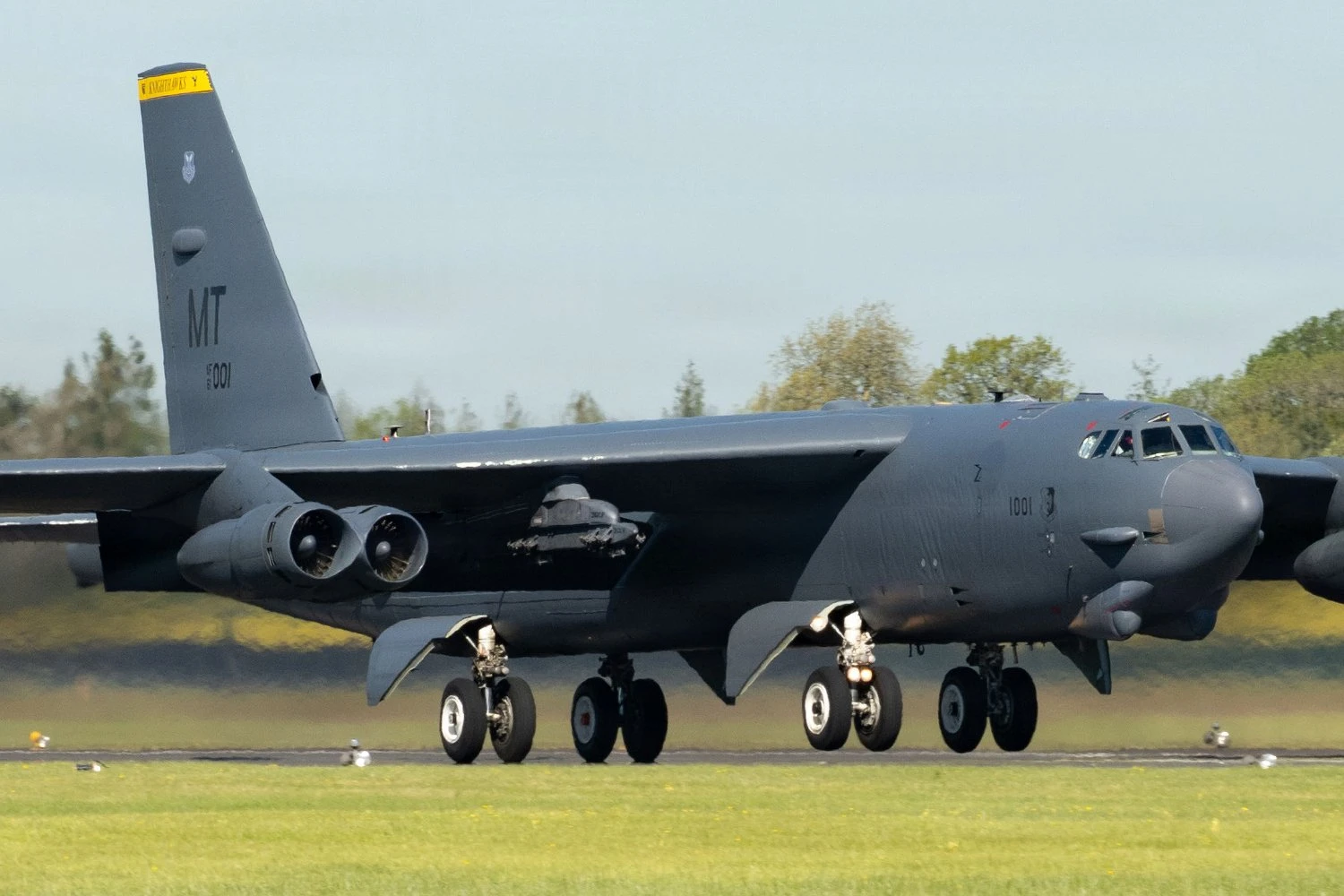
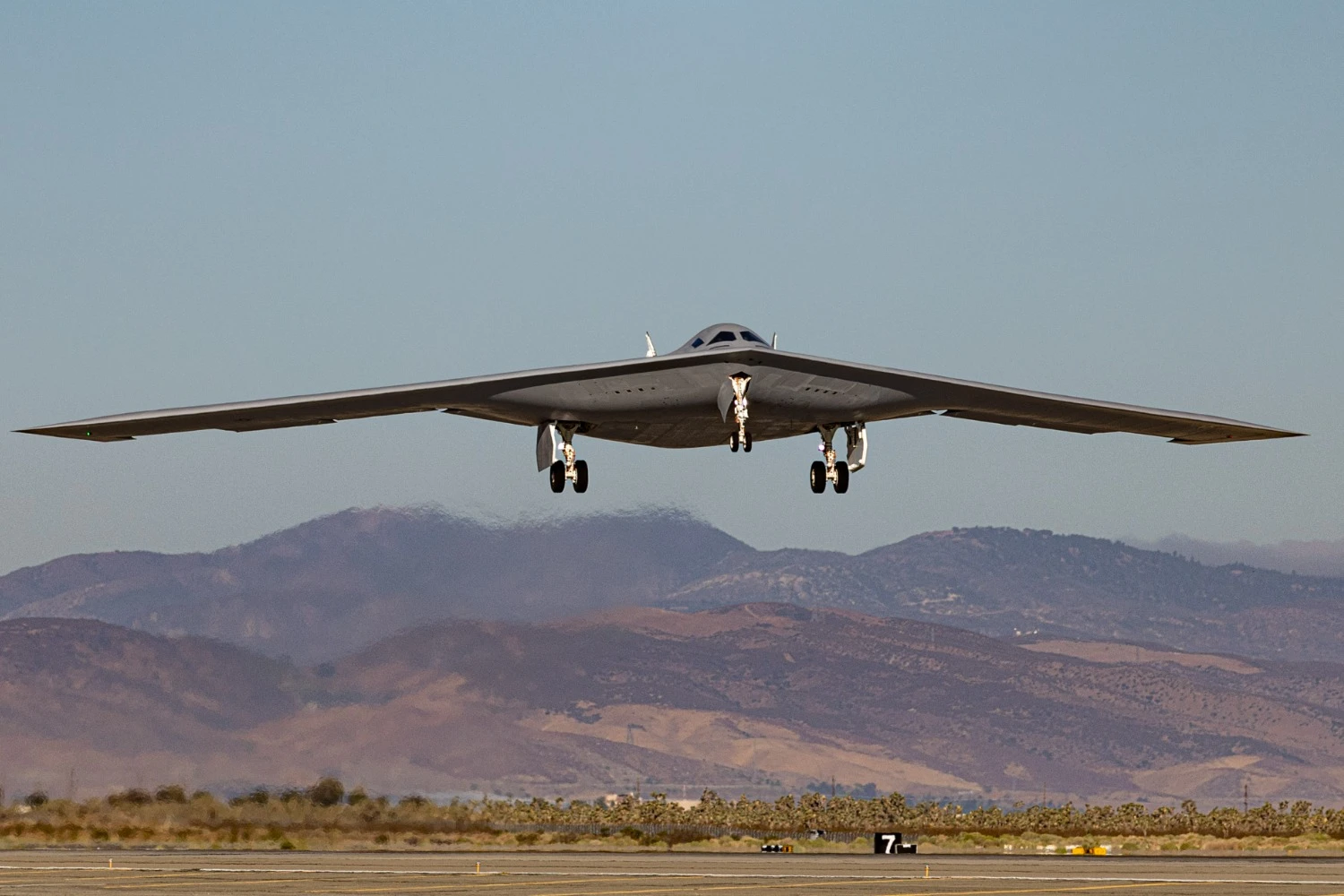
According to the report, the Air Force previously spent about $3.9 million on a classified B-52 proof-of-concept demonstration and is requesting another $1 million to begin the new analysis effort in 2027.
The study appears to show increasing questions inside the Air Force about the future balance between stealth penetrating bombers and large stand-off missile carriers.
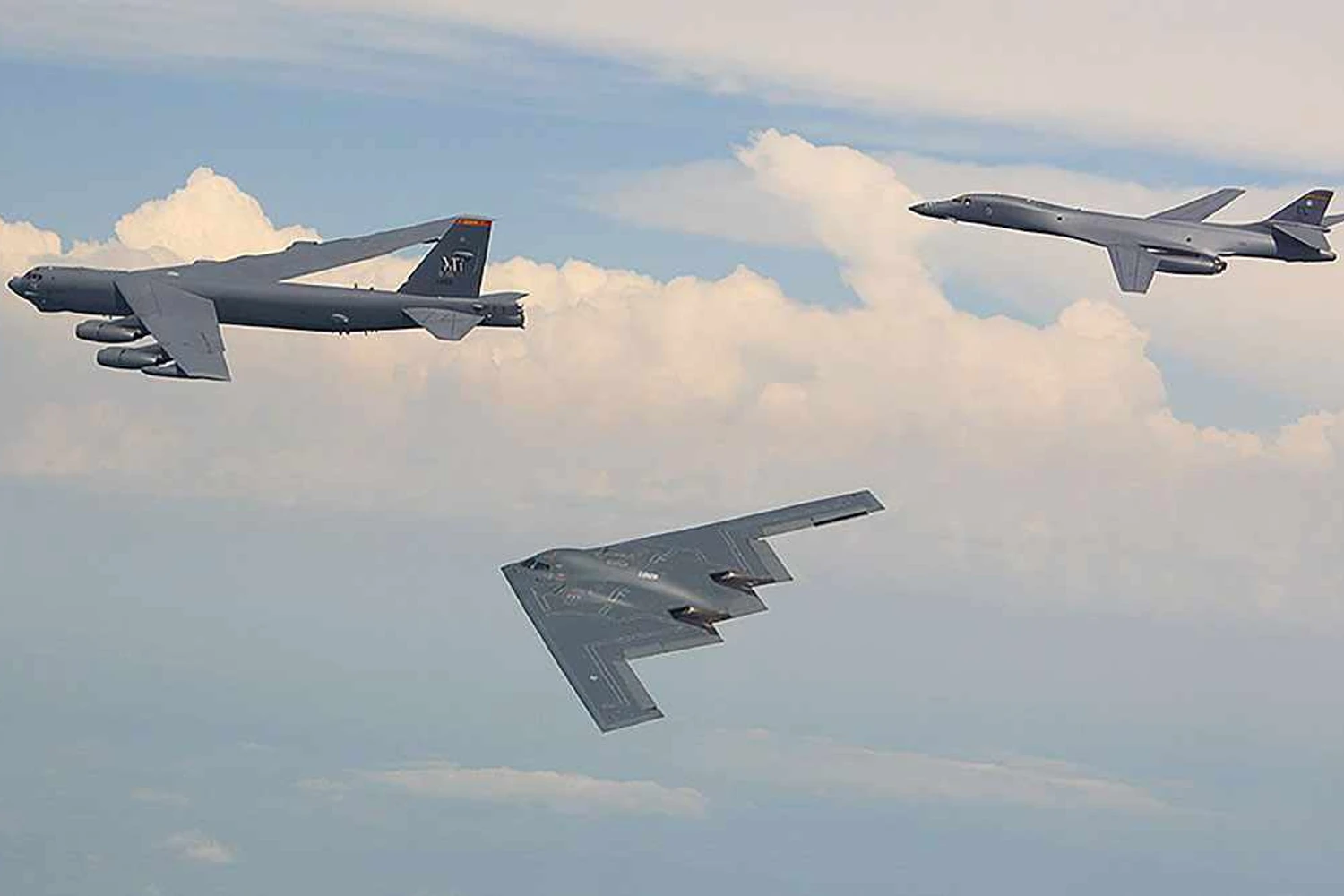
While the B-21 Raider is designed to penetrate heavily defended airspace, the B-52 increasingly operates as a long-range cruise missile platform capable of launching weapons from outside enemy air defense zones.
The discussion also comes as the Air Force reassesses timelines for retiring the B-1B Lancer and B-2 Spirit fleets.
Although earlier planning envisioned both bombers leaving service during the 2030s as B-21 deliveries accelerated, the Air Force has recently moved to keep portions of both fleets operational for longer.
The B-1B fleet, in particular, continues to play an important role because of its high payload and supersonic speed. The Air Force recently returned at least one previously retired Lancer to operational condition, underscoring continued demand for the aircraft.
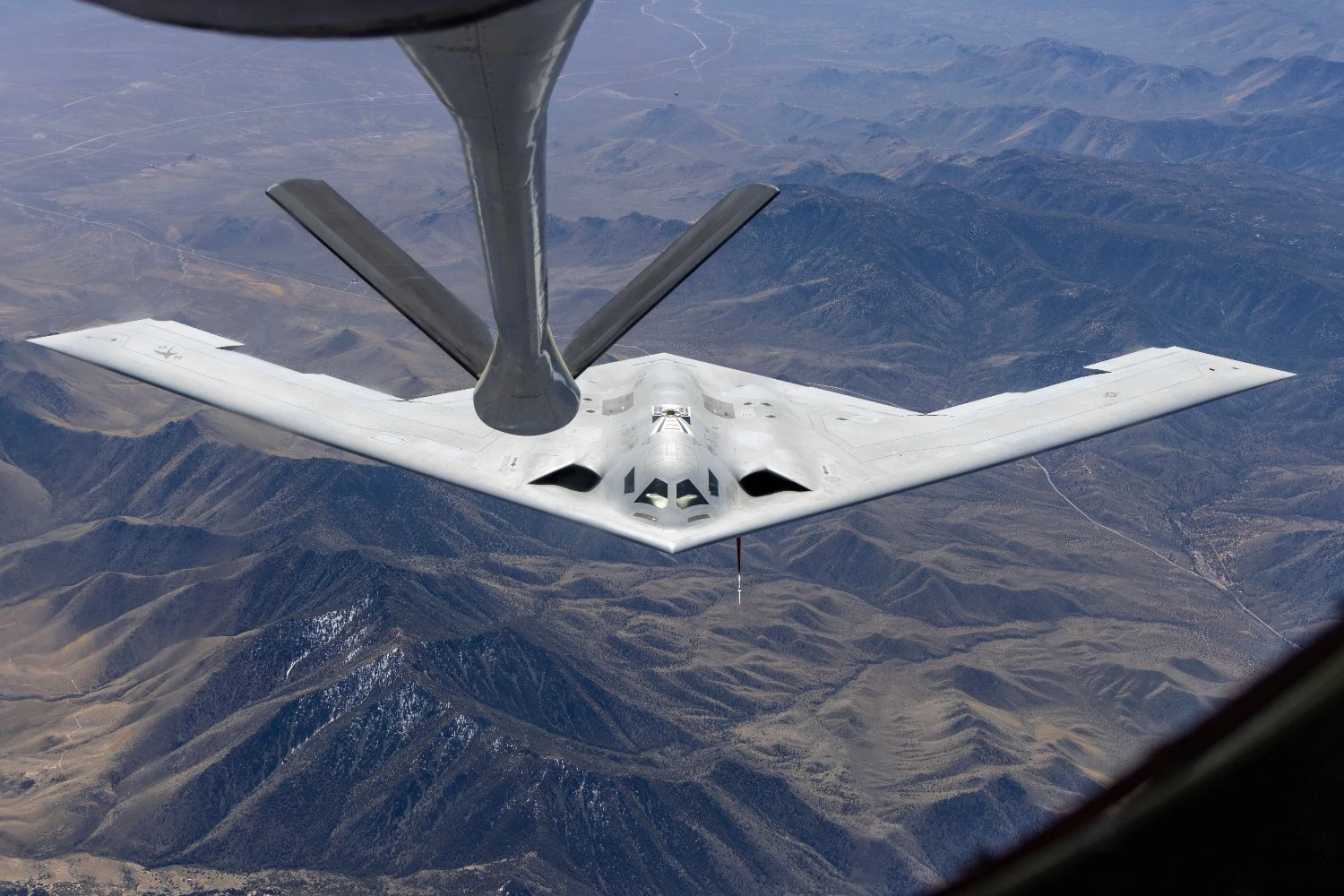
Analysts cited by the publication suggested the Air Force could eventually pursue a mixed force structure involving B-21 stealth bombers combined with future aircraft optimized for stand-off strike missions and large missile payloads.
Current Air Force plans call for at least 100 B-21 bombers, although senior U.S. military officials have recently supported expanding the fleet further. Admiral Samuel Paparo, head of U.S. Indo-Pacific Command, said in April he favored a force of 200 B-21 aircraft.
The future study is expected to examine factors including payload, survivability, electronic warfare capability, speed and the growing importance of long-range precision weapons.