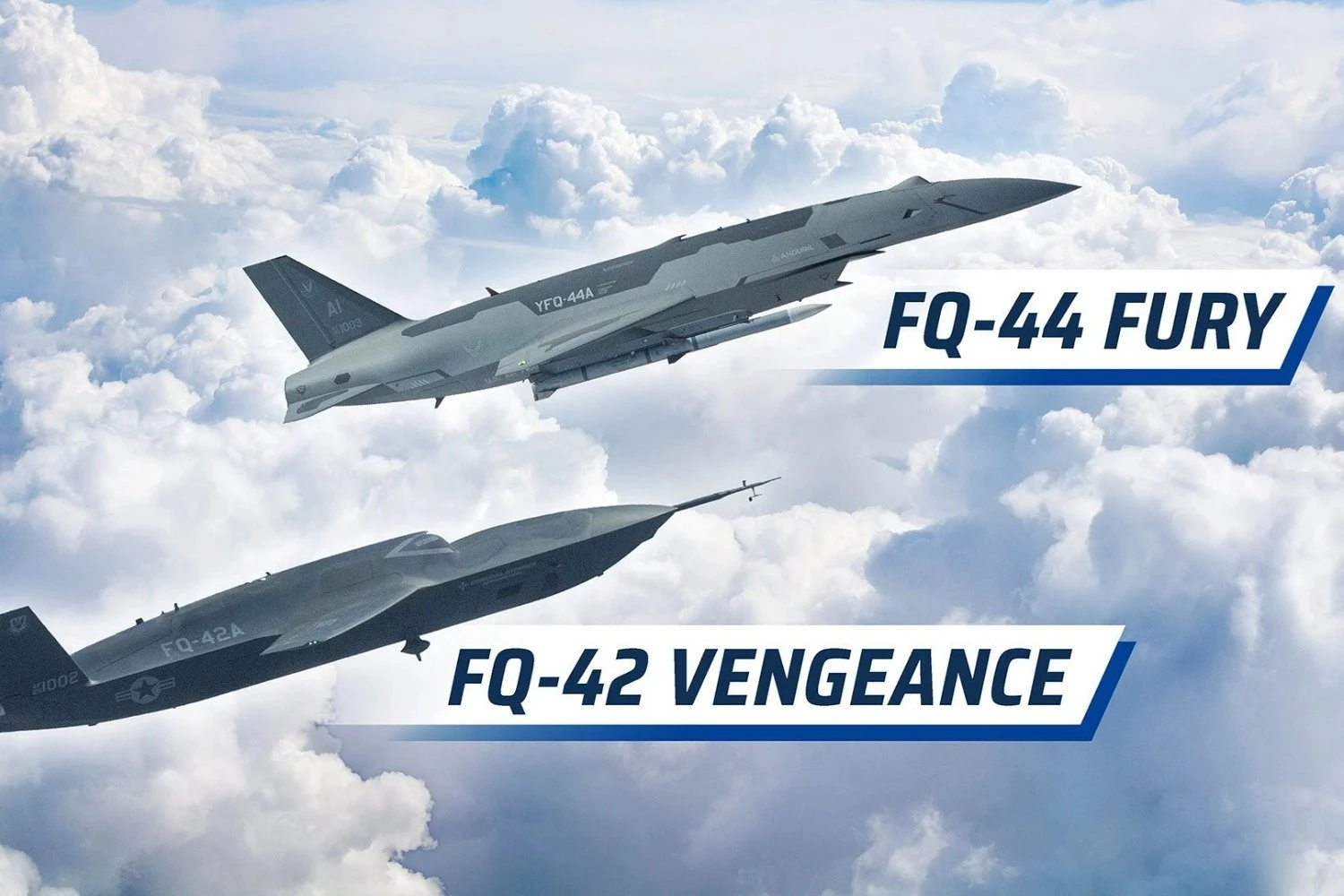
The US Air Force (USAF) will put its new Collaborative Combat Aircraft (CCA) drones into a large-scale combat exercise for the first time in December, another step toward introducing uncrewed aircraft designed to operate alongside fighters.
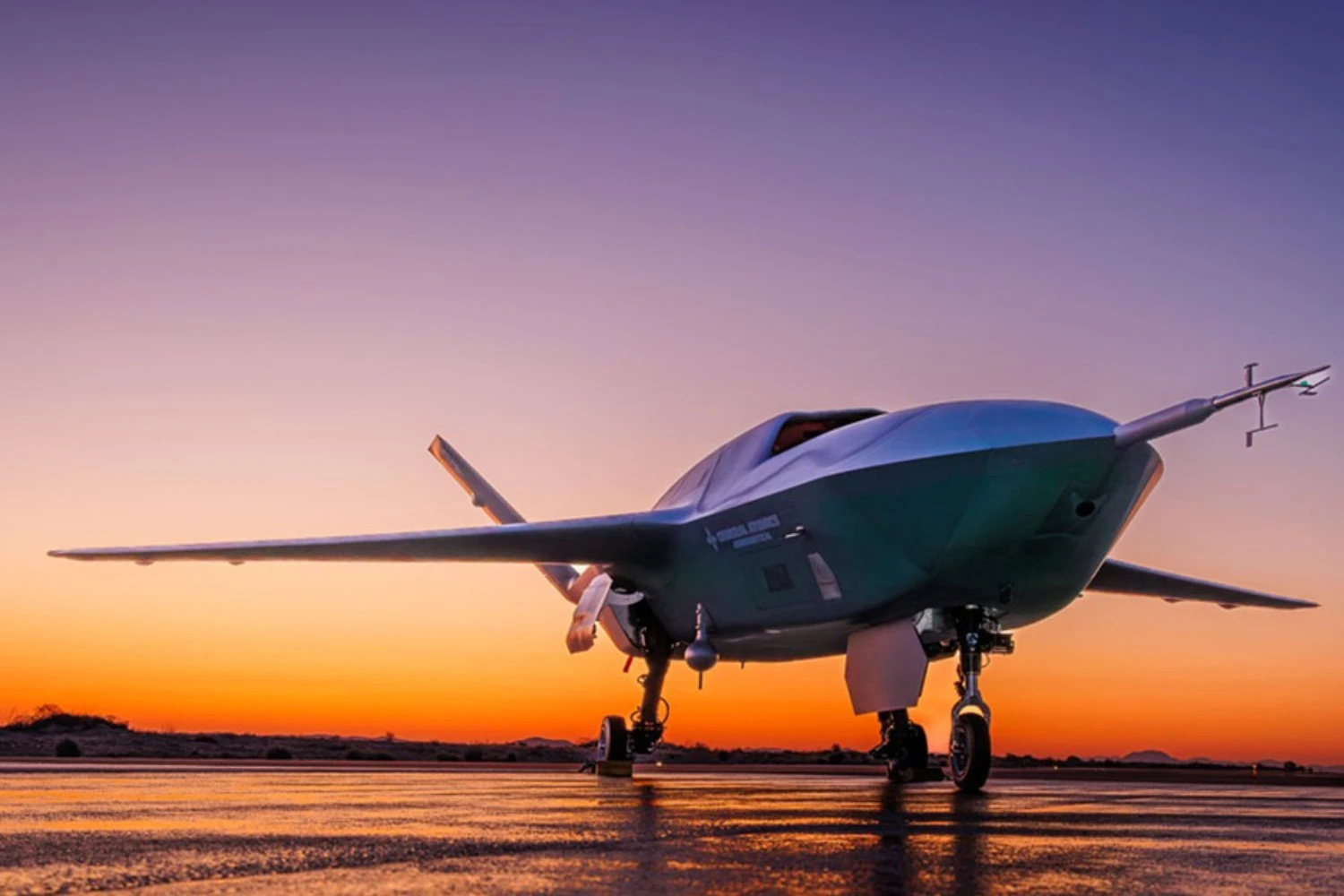
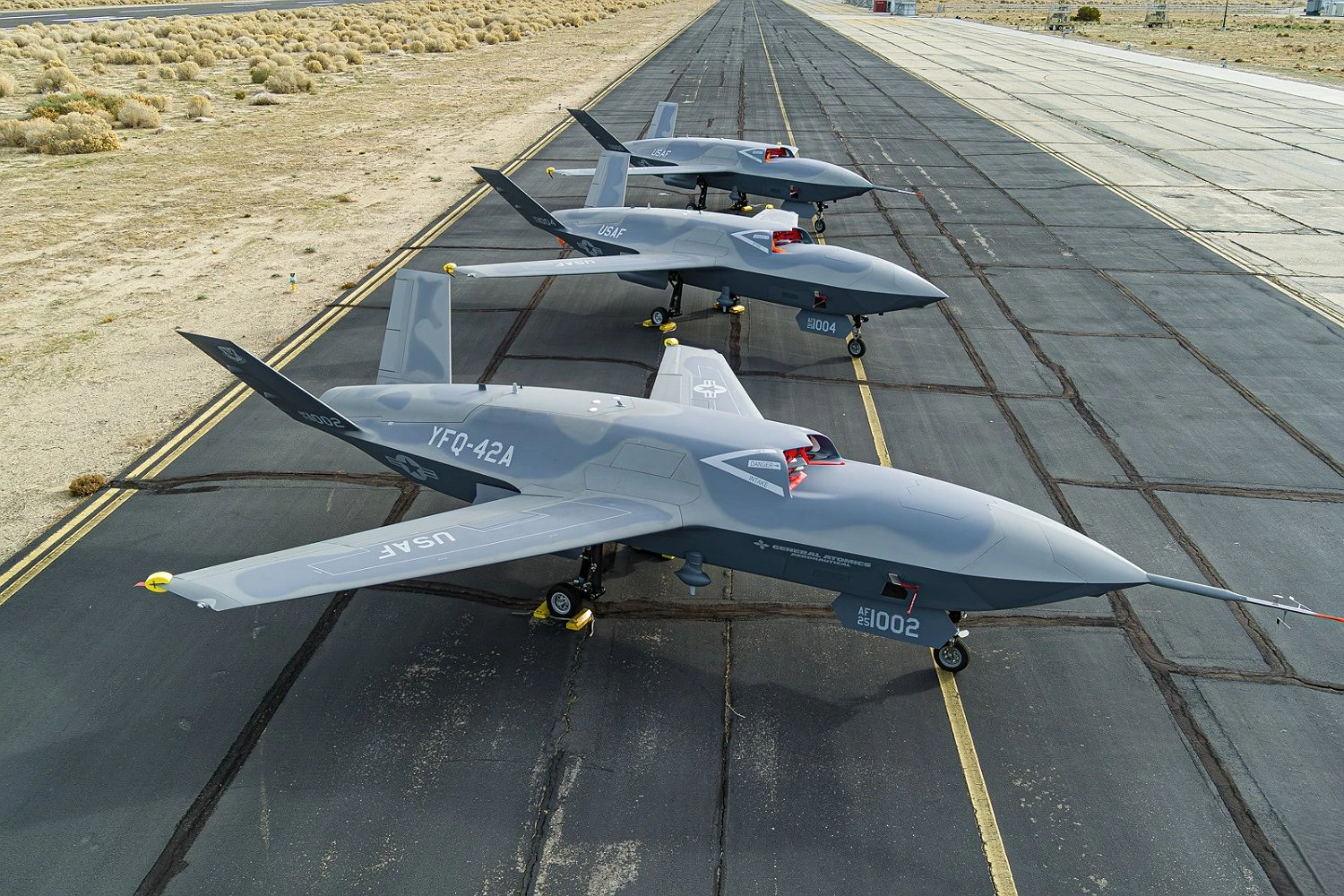
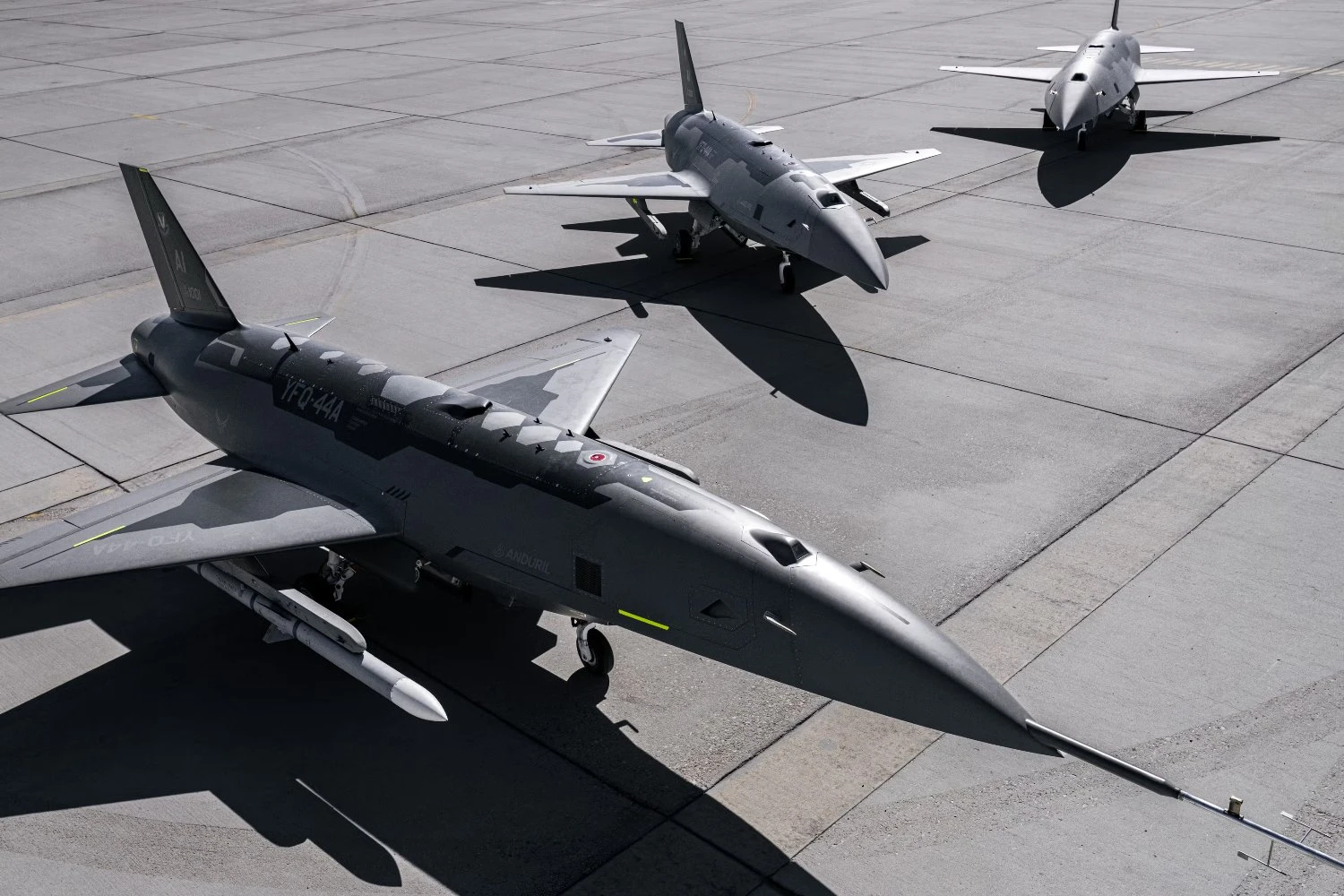
The General Atomics FQ-42A and Anduril FQ-44A are scheduled to participate in Emerald Flag at Eglin Air Force Base, Florida, according to Air & Space Forces Magazine, which first reported comments made by Lt. Col. Lyndon “OTTO” Bartlett, director of operations for the Experimental Operations Unit, during the Air, Space & Cyber Conference this week.
The exercise will be the first large-force employment event involving the two CCA designs selected by the Air Force under Increment 1 of the program.
Bartlett said the event will include the first live end-to-end demonstration of the CCA kill chain. The drones are expected to participate in an offensive counter-air scenario alongside fourth- and fifth-generation combat aircraft.
Follow Air Data News: WhatsApp | Instagram | LinkedIn | Twitter | Facebook
The exercise represents a significant change from the controlled flight-test environment in which the FQ-42A and FQ-44A have spent much of their development. It will require the aircraft to operate within a larger combat package that includes communications, command and control and multiple crewed aircraft.
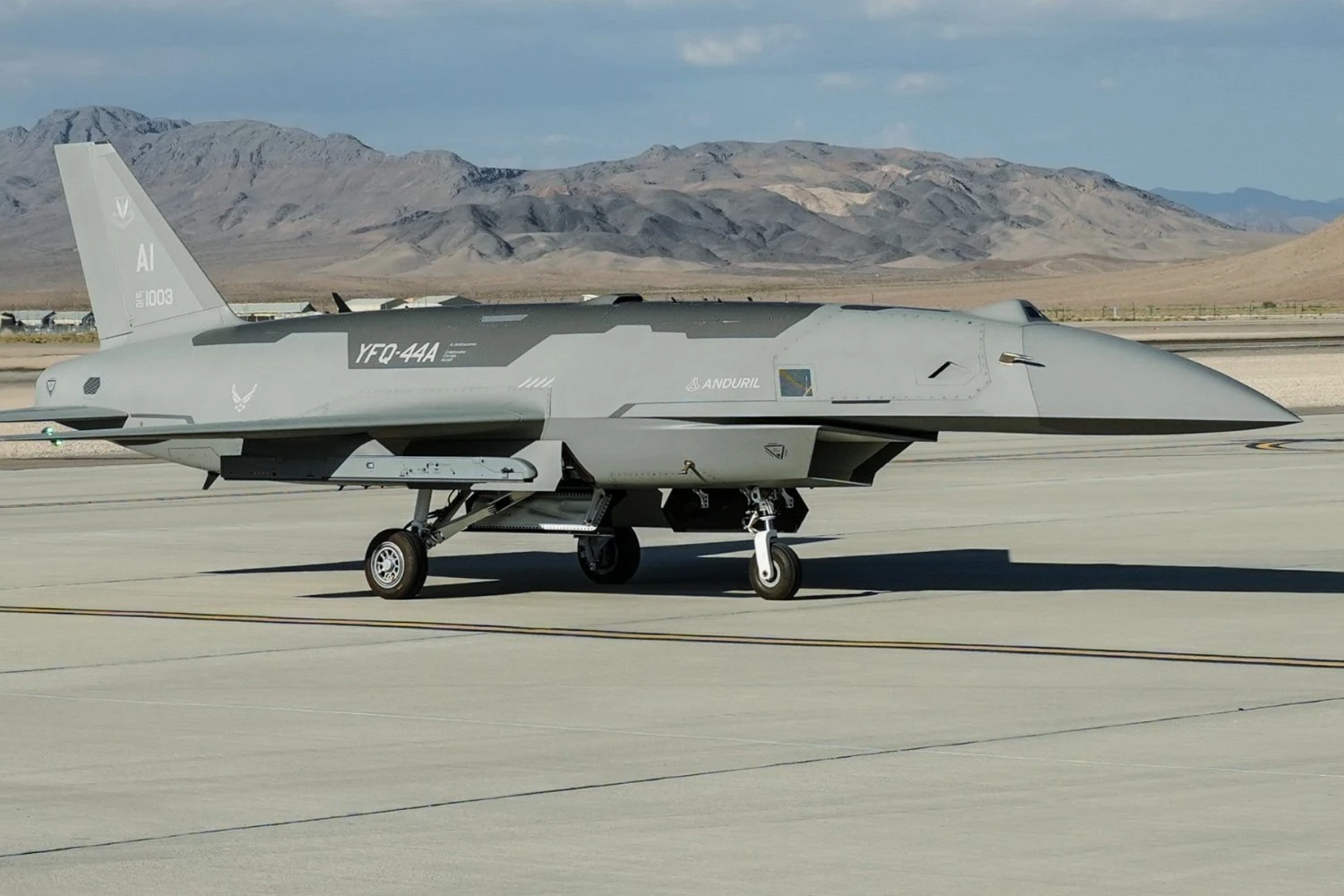
FQ-42A Vengeance FQ-44A Fury
Both CCA prototypes are already undergoing flight tests. General Atomics' FQ-42A became the first Increment 1 aircraft to fly in August 2025, followed by Anduril's FQ-44A in October.
The Air Force has deliberately developed the two aircraft in parallel as it explores how autonomous combat aircraft can be incorporated into existing operations.
The service has also started moving beyond basic flight testing. In July, FQ-42As and FQ-44As were deployed to Creech Air Force Base in Nevada for an Agile Combat Employment exercise.
Recent news

September 18, 2026
That event focused on procedures required to operate the aircraft away from their normal test environment, including sortie generation, maintenance and weapons loading.
Emerald Flag will take the process further by placing the CCAs alongside other combat aircraft during a large-force exercise rather than concentrating primarily on the drones themselves.
One maintainer for each drone
The tests are also helping the Air Force determine how much personnel and infrastructure will be required to operate CCAs.
Bartlett said the Experimental Operations Unit has been operating at a ratio of roughly one maintainer for each aircraft, a considerably smaller personnel requirement than that associated with conventional crewed combat aircraft.
The unit has also experimented with training personnel from different specialties to perform tasks on the CCAs, including aircraft preparation and weapons loading.
Reducing the logistical footprint is an important element of the CCA concept. The aircraft are intended to be less expensive and simpler to operate than crewed fighters, allowing larger numbers to be dispersed and deployed alongside aircraft such as the F-35 and future combat platforms.
MQ-28 preceded US CCAs in exercises
Emerald Flag will not be the first time an autonomous combat aircraft has operated with US forces during a major exercise.
Boeing's MQ-28 Ghost Bat participated in Valiant Shield 2026, where it worked with the Air Force's Experimental Operations Unit and crewed aircraft. The MQ-28, however, was developed in Australia for the Royal Australian Air Force and is not one of the aircraft selected for the US Air Force CCA Increment 1 program.
The FQ-42A and FQ-44A were selected in 2024 from an initial group of five competitors. General Atomics and Anduril subsequently received contracts to build and flight-test their respective designs.
The Air Force intends to use the results from Increment 1 to determine its initial operational CCA configuration and how autonomous aircraft should be employed alongside crewed fighters.
At least 500 CCAs planned by 2032
The scale envisioned for the program has also increased. The Air Force now plans to have at least 500 Collaborative Combat Aircraft by 2032 as it builds an operational force of autonomous combat drones.
Earlier planning called for more than 150 CCAs by the end of the decade, while the broader long-term concept has contemplated 1,000 or more aircraft.
Unlike a conventional fighter, a CCA does not need to reproduce every capability in a single airframe. Different aircraft can be assigned roles such as carrying weapons, sensors or electronic warfare equipment while operating under varying levels of autonomy and human control.
The December exercise at Eglin will provide the Air Force with its first opportunity to evaluate the FQ-42A and FQ-44A within the type of large, mixed combat formation for which the aircraft are being developed.