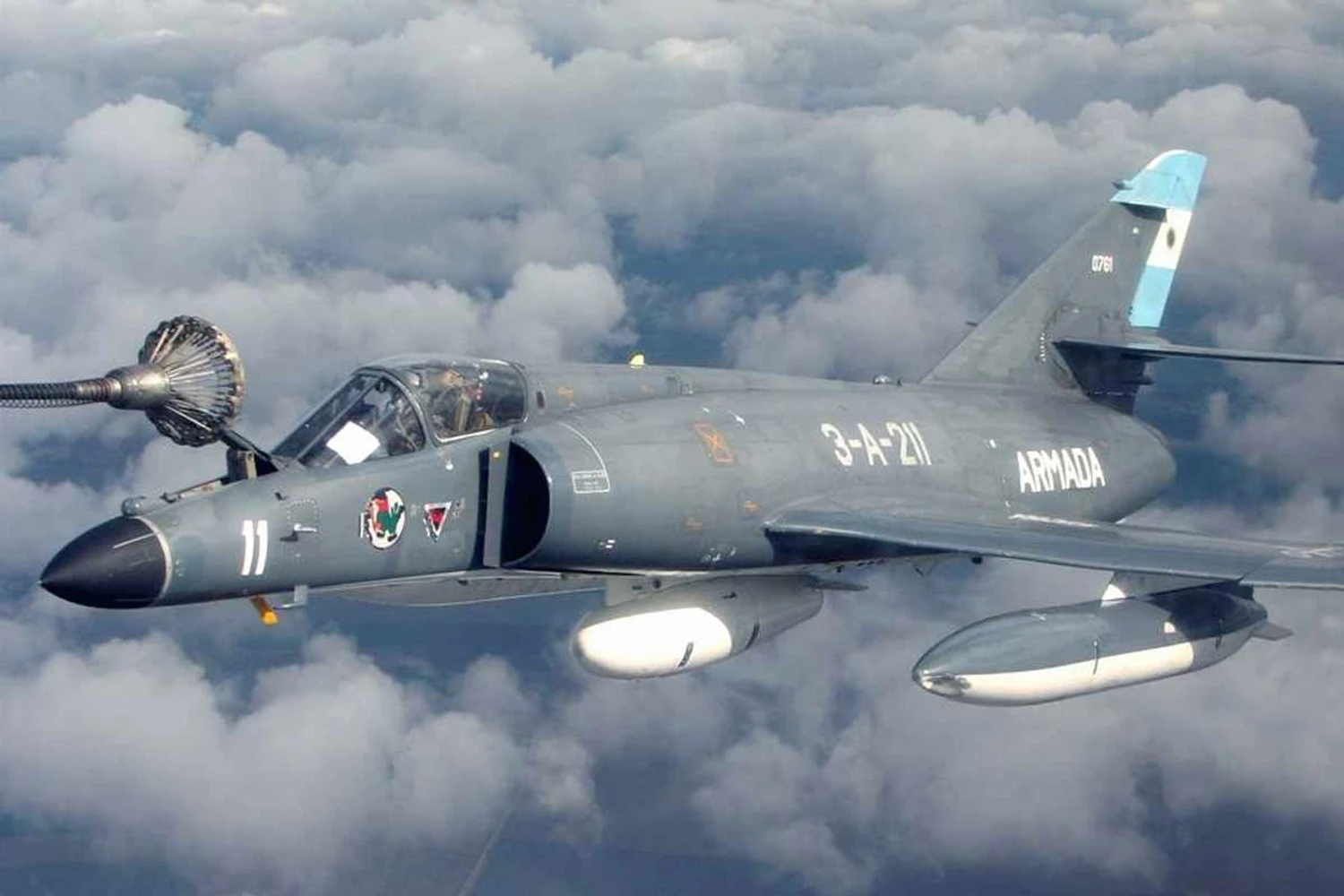
The Argentine Navy has decided to permanently retire its Dassault Super Étendard fleet, ending years of attempts to return the French-built strike aircraft to the air.
The decision was included in Plan Dédalo, a five-year restructuring of Argentine Naval Aviation announced on August 20. The Navy said the Super Étendards will be withdrawn from active service during 2026, closing a career that began more than four decades ago.
Related news

September 02, 2026
July 13, 2026
In practice, however, the aircraft have not flown for years.
Argentina acquired 14 Super Étendards from France beginning in 1980. The type became famous during the 1982 Falklands/Malvinas War, when Argentine aircraft used AM39 Exocet anti-ship missiles against the British fleet.
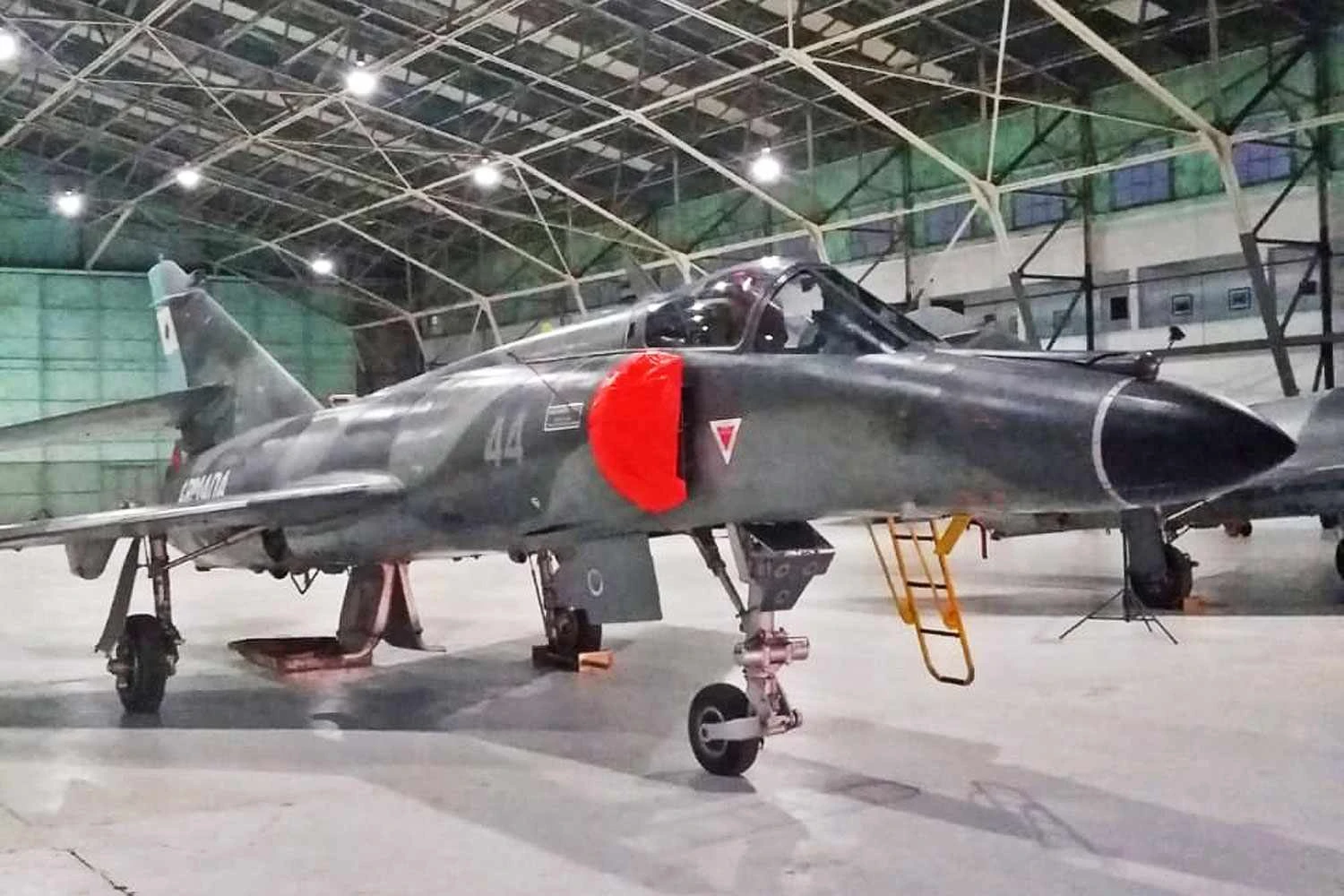
The remaining original aircraft stopped flying more than a decade ago. Argentina later bought five retired Super Étendard Modernisé (SEM) aircraft from France for approximately €12.5 million, together with a large stock of spare parts and support equipment. They arrived in Argentina in 2019 but never entered operational service.
The most persistent problem involved their Martin-Baker Mk6 ejection seats. Pyrotechnic components had exceeded their service life, but replacements could not be obtained normally because Martin-Baker is a British company and UK restrictions on military exports to Argentina remained in place.
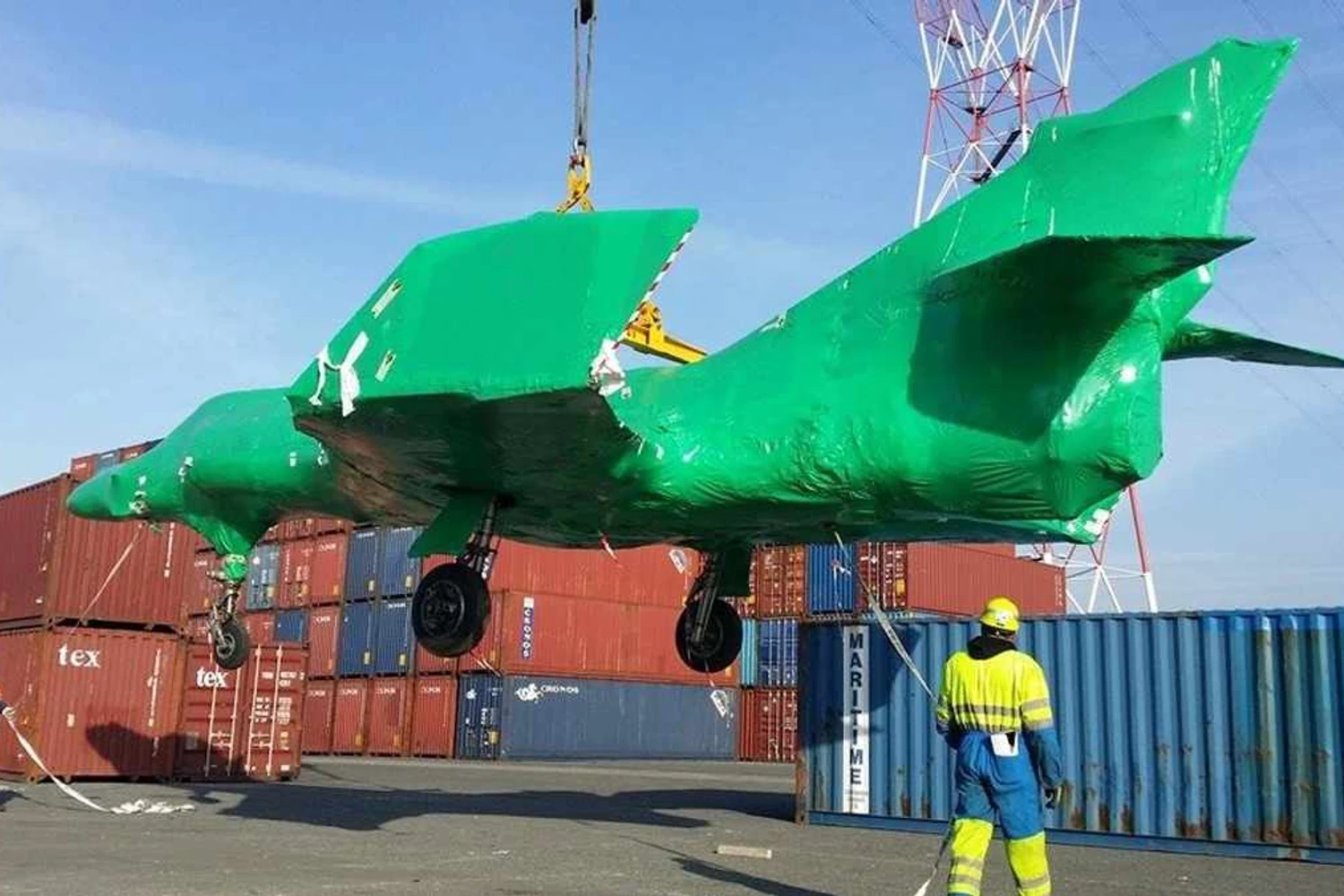
Failed attempt to overcome the ejection seat issue
Several alternatives were studied over the following years, including inspection and life-extension of existing components in Argentina and replacing the ejection-seat system altogether.
Argentina’s CITEDEF defense research institute eventually tested the existing cartridges and concluded that their service life could potentially be extended. That did not solve the problem, however, because military airworthiness authorities had not certified CITEDEF to approve that work for flight use.
By then, the ejection seats were no longer the only obstacle. Other time-limited components had also expired, including elements of the parachute system, and the aircraft themselves belonged to a type that France had already withdrawn from service. Former Argentine Navy chief Adm. Julio Guardia said in 2024 that returning the aircraft to flight would require considerably more work than simply replacing the cartridges.
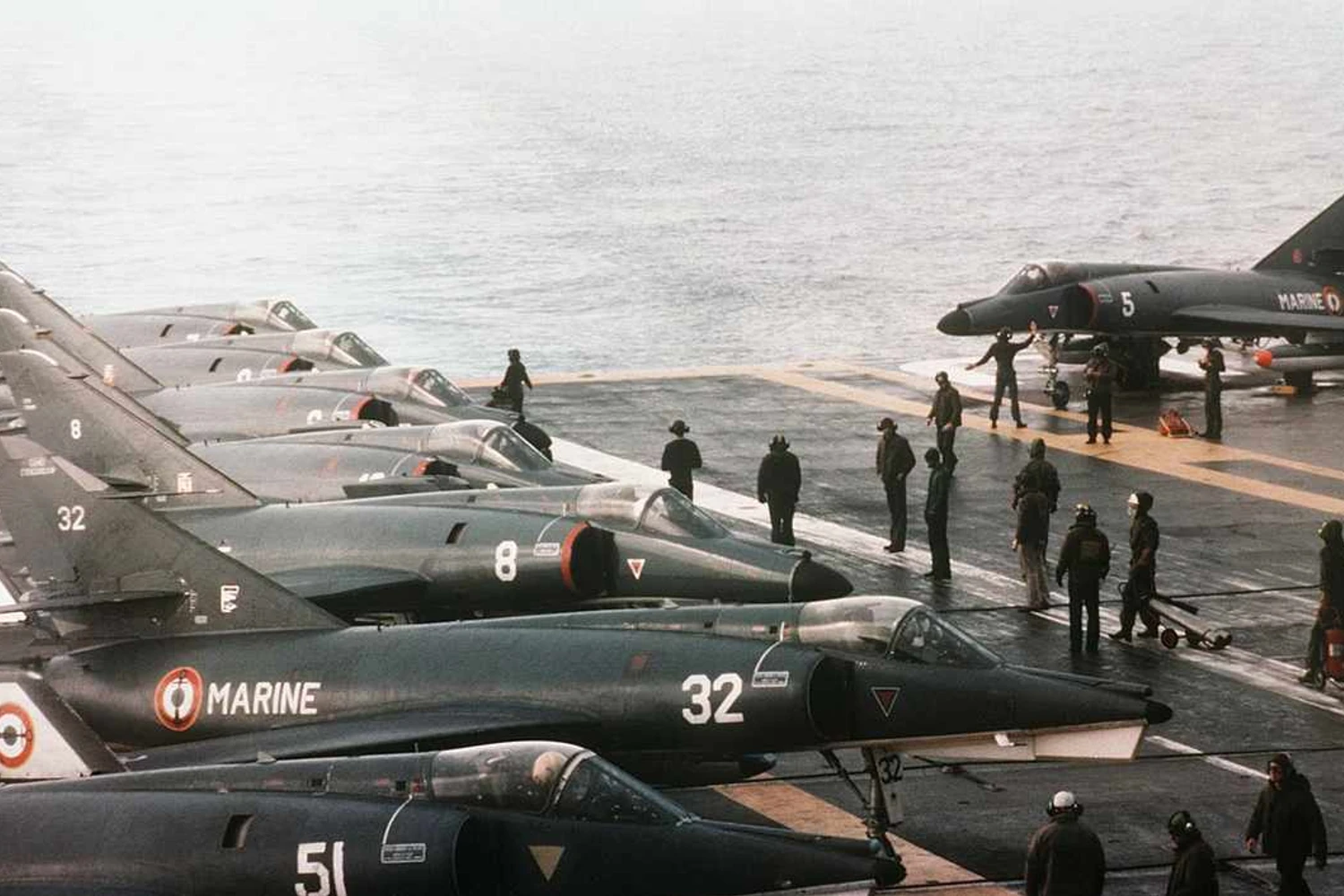
An earlier attempt had already effectively stalled in 2023. Then-Defense Minister Jorge Taiana said after discussions with his French counterpart that France could neither solve the British-origin ejection-seat problem nor provide some components for an aircraft no longer supported in French service.
The 2026 decision therefore ends a prolonged effort to recover a capability that existed mostly on paper.
Follow Air Data News: WhatsApp | Instagram | LinkedIn | Twitter | Facebook
No replacement fighter has been identified for Argentine Naval Aviation. Plan Dédalo instead concentrates available resources on maritime patrol, helicopters and unmanned aircraft.
The Navy expects to complete the delivery of its four former Norwegian P-3 Orion patrol aircraft by June 2027. Its B-200 aircraft will gradually give way to B-360s, AS555 Fennec helicopters will leave service in 2027 as Leonardo AW109s arrive, and four Shield AI V-BAT unmanned aircraft are planned for 2028-2029. Sea King helicopters are scheduled to begin leaving service from 2031.