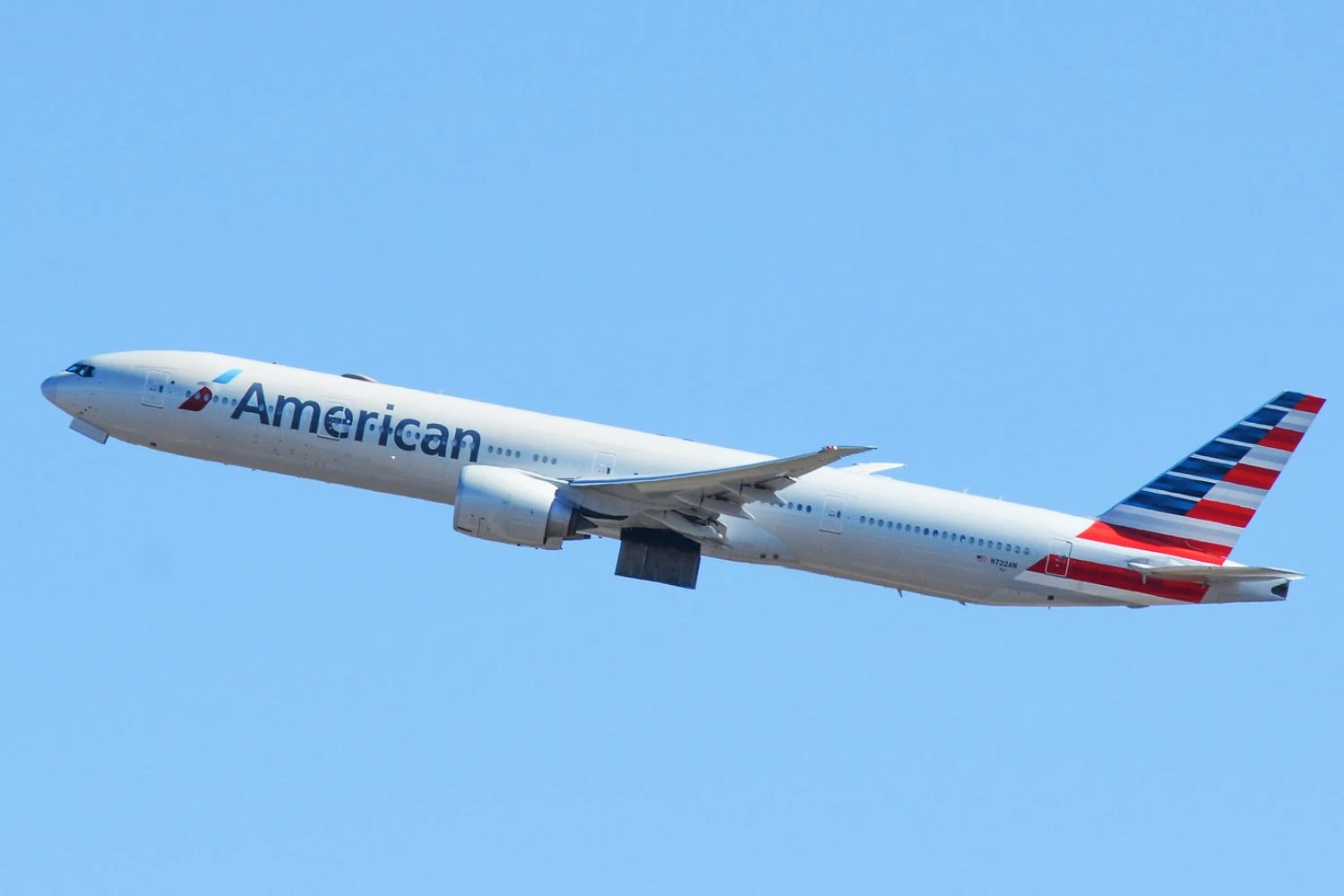
American Airlines has introduced its first retrofitted Boeing 777-300ER, beginning a program that will give its largest aircraft a substantially larger premium cabin and help keep the 20-jet fleet in service well into the late 2030s.
The first aircraft to complete the modification is N718AN, one of the oldest 777-300ERs in American’s fleet. The aircraft, MSN 41665, first flew in November 2012 and was delivered to the carrier the following month. It returned from the cabin modification in August after spending several months undergoing the work.
Its first scheduled passenger flight with the new interior is New York JFK-Buenos Aires on September 2.
The 13.8-year-old aircraft illustrates why American is investing in the type rather than preparing for its immediate replacement. Its 20 777-300ERs average about 12.4 years of age, leaving considerably more potential service life than the airline’s older 777-200ER fleet.
Follow Air Data News: WhatsApp | Instagram | LinkedIn | Twitter | Facebook
American has said the cabin program is intended to support operation of the 777-300ERs well into the late 2030s.
The new configuration also changes how American uses the capacity of its largest aircraft. The 777-300ER previously accommodated 304 passengers, including eight Flagship First and 52 business-class seats. The retrofitted aircraft has 366 seats.
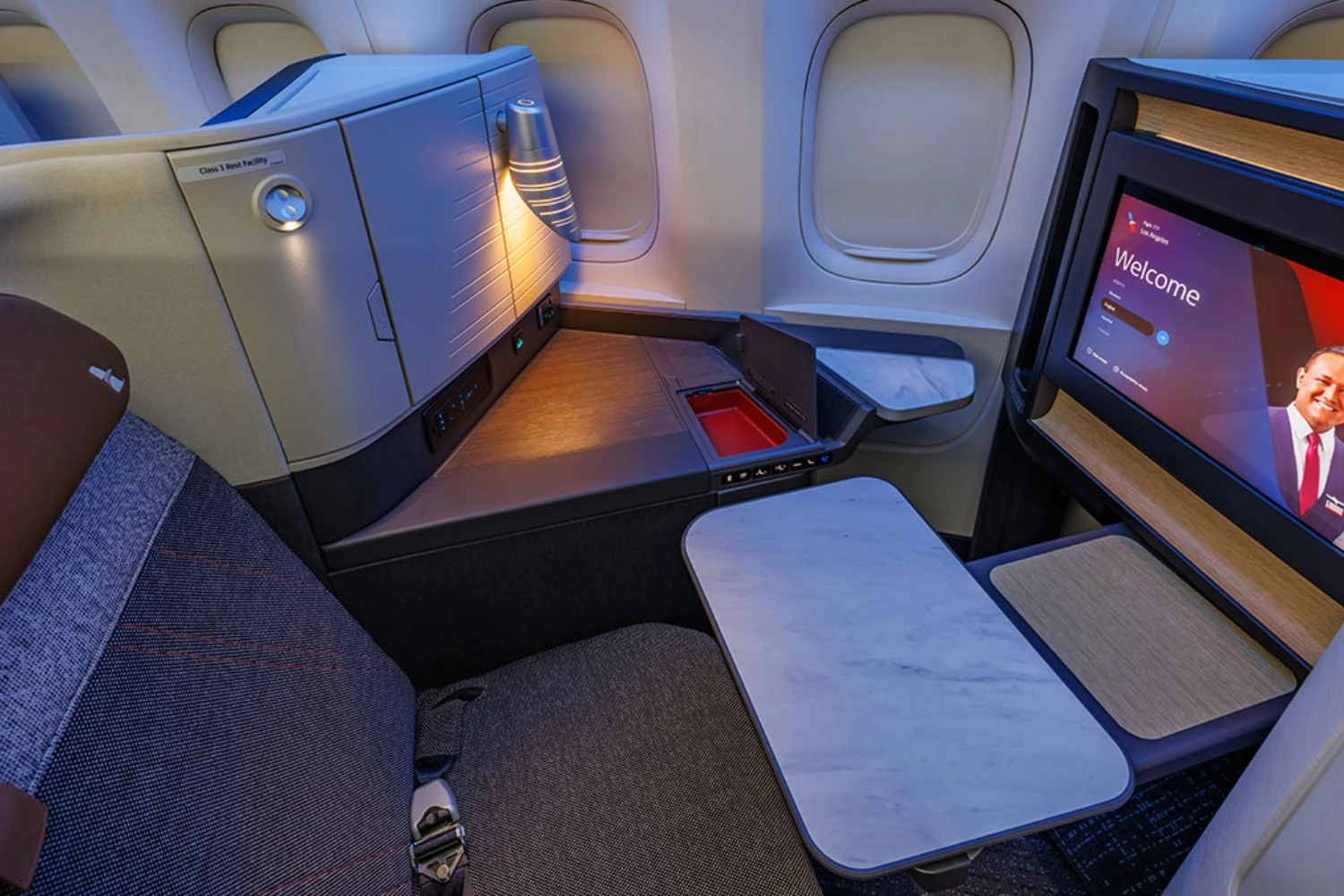
Flagship First disappears and business class expands to 70 Flagship Suite seats, each with a privacy door. Premium Economy increases from 28 to 44 seats, while another 30 Main Cabin Extra seats provide additional legroom.
Despite adding 62 seats overall, American is increasing the proportion of the aircraft dedicated to higher-yield products. The carrier describes the new 777-300ER as having more Business and Premium Economy seats than any aircraft operated by a US airline.
The same Flagship Suite concept has already appeared aboard American’s new premium-configured Boeing 787-9s and Airbus A321XLRs. The 777 retrofit allows aircraft delivered more than a decade ago to offer a comparable onboard product on some of the carrier’s most important long-haul markets, including London, Tokyo, São Paulo, Buenos Aires and Sydney.
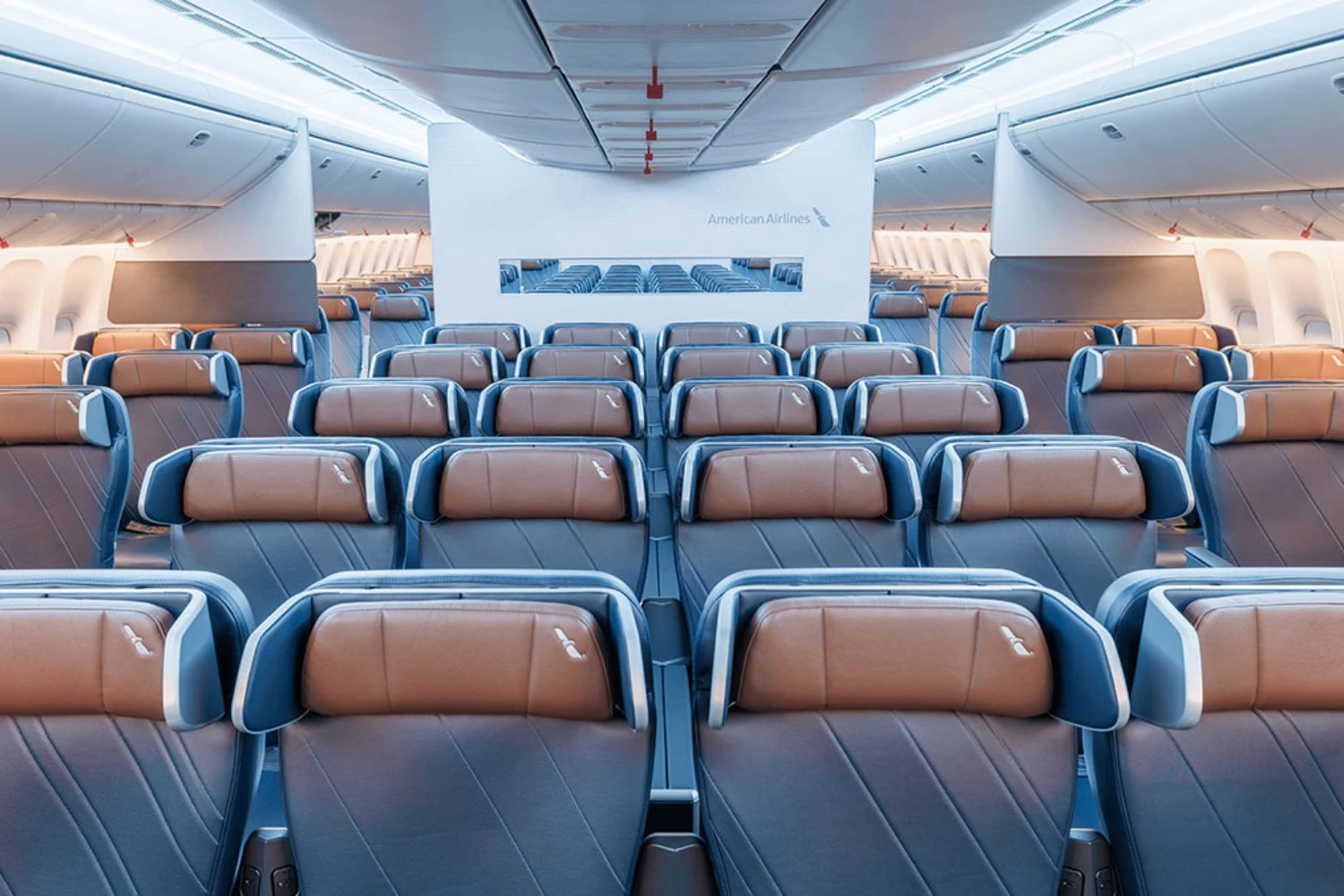
American Airlines Boeing 777-300ER Premium Economy | American Airlines 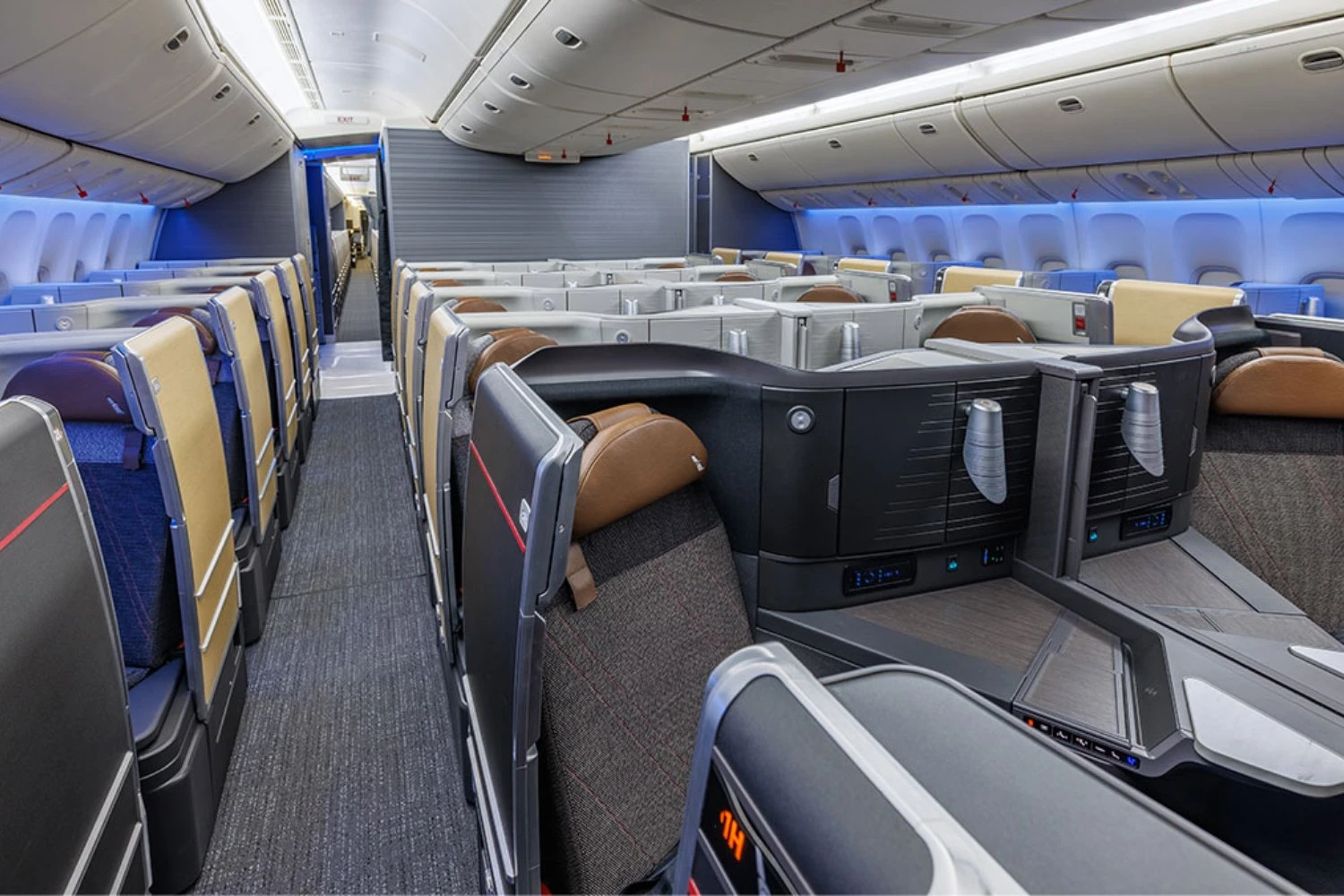
American Airlines Boeing 777-300ER FlagShip Suite | American Airlines 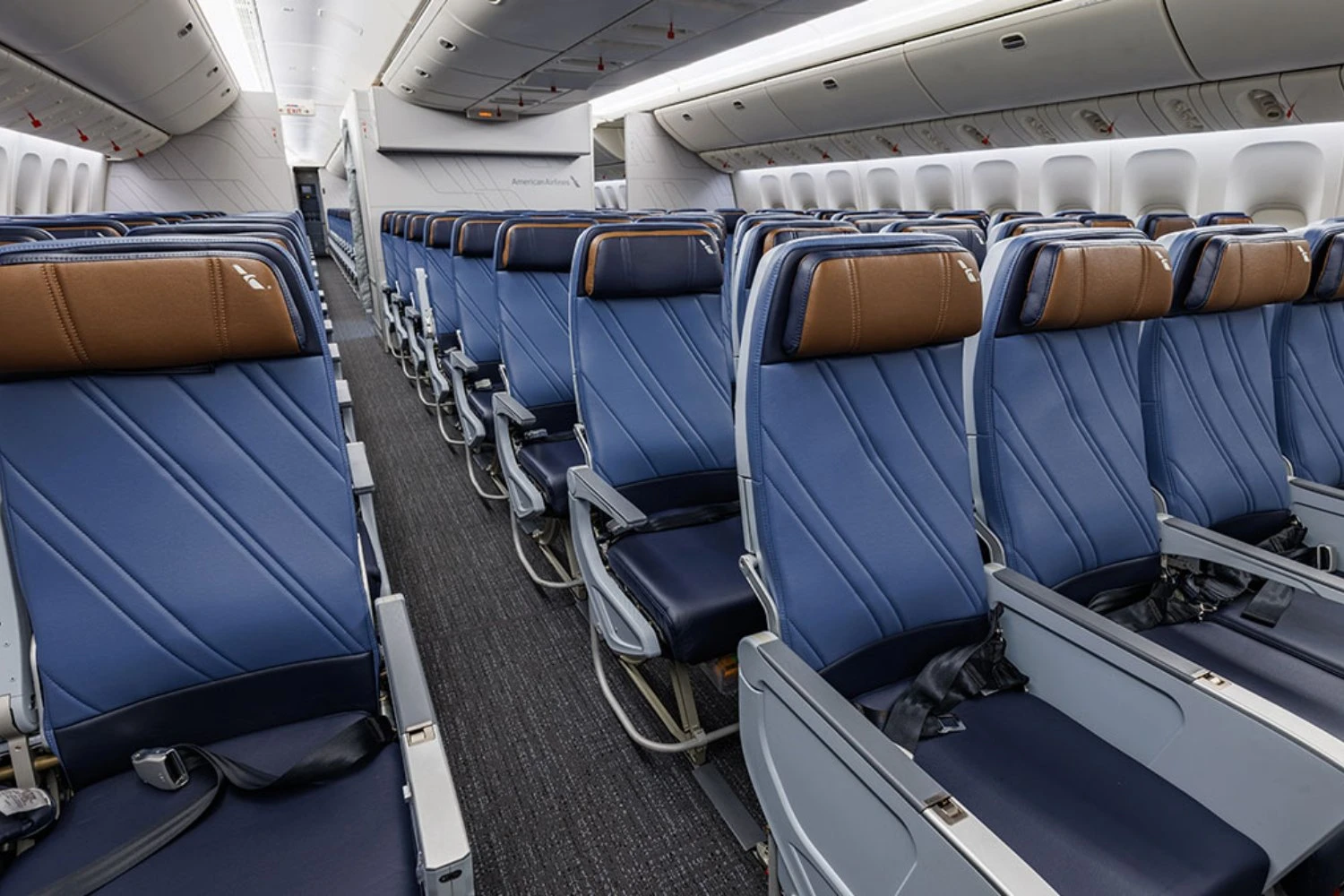
American Airlines Boeing 777-300ER Economy | American Airlines



The higher seating capacity has another effect. American estimates the new configuration will improve fuel efficiency per seat by almost 8% once the program is completed. The improvement comes primarily from spreading the aircraft’s fuel consumption across substantially more passengers rather than changes to the 777 itself.
Flagship First disappears
The retrofit also marks the end of American’s international first-class cabin.
Flagship First will no longer be sold on the 777-300ER for travel from November 19. American is similarly removing the product from its premium transcontinental network as additional A321XLRs enter service, with sales ending for travel from March 28, 2027.
The change leaves Flagship Suite business class as American’s highest onboard product. It follows an industry trend among US airlines toward larger and more elaborate business-class cabins rather than maintaining a small separate international first class.
American first announced plans to reconfigure its 777-300ERs in 2022. The original schedule called for the new premium interiors to begin appearing in 2024, but the first aircraft has entered service two years later.
The carrier plans to retrofit all 20 aircraft, giving a fleet that entered service between 2012 and 2016 an interior developed for American’s newest generation of long-haul aircraft.
Why invest in the 777 now?
The decision comes as American is simultaneously considering what will eventually replace its current 777 fleet.
Chief Executive Robert Isom said in June that the airline had issued a request for proposals to Airbus and Boeing for a future widebody order. American expects its 777s to begin retiring during the 2030s and is starting the selection process well ahead of those withdrawals because of the long delivery lead times for new widebody aircraft.
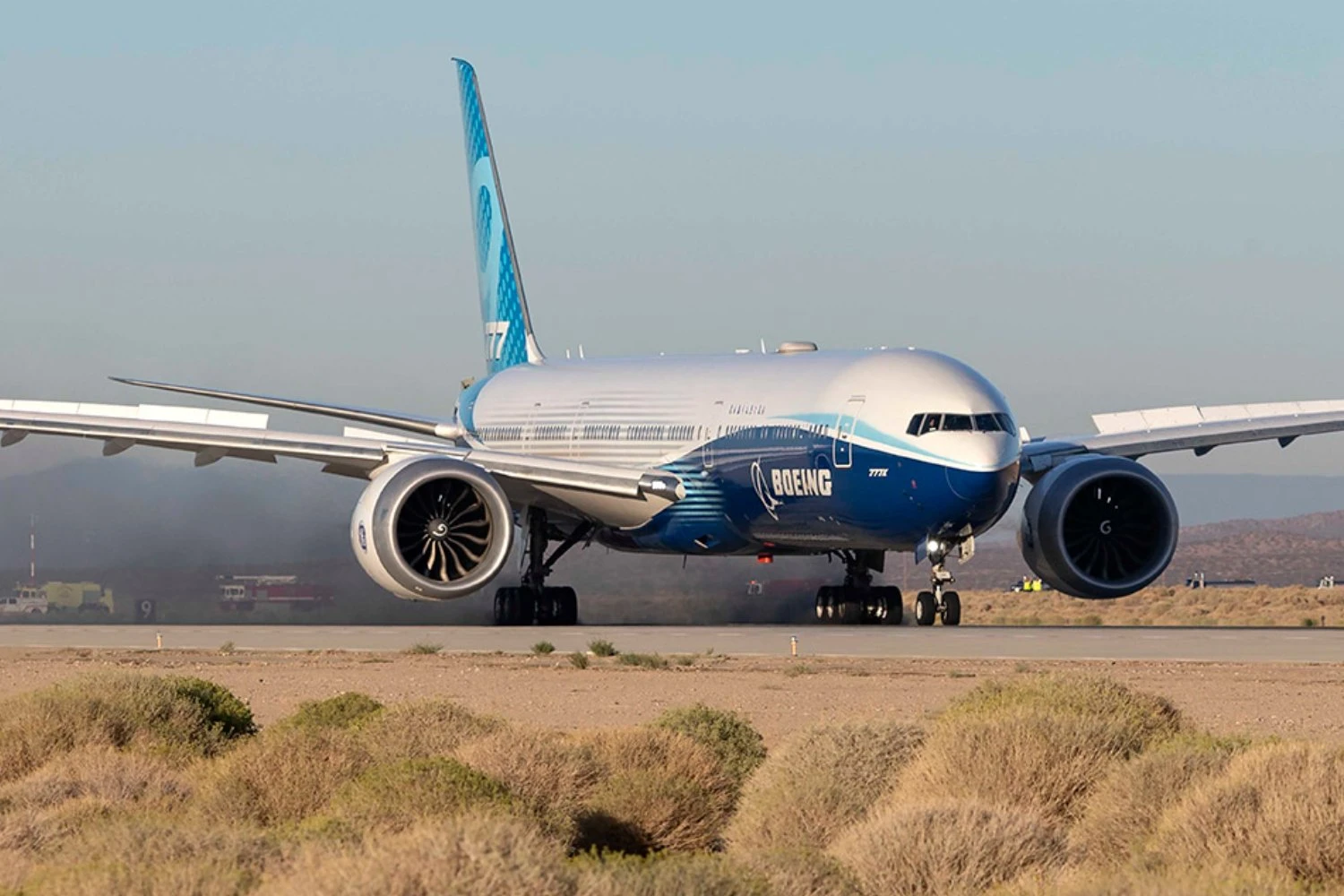
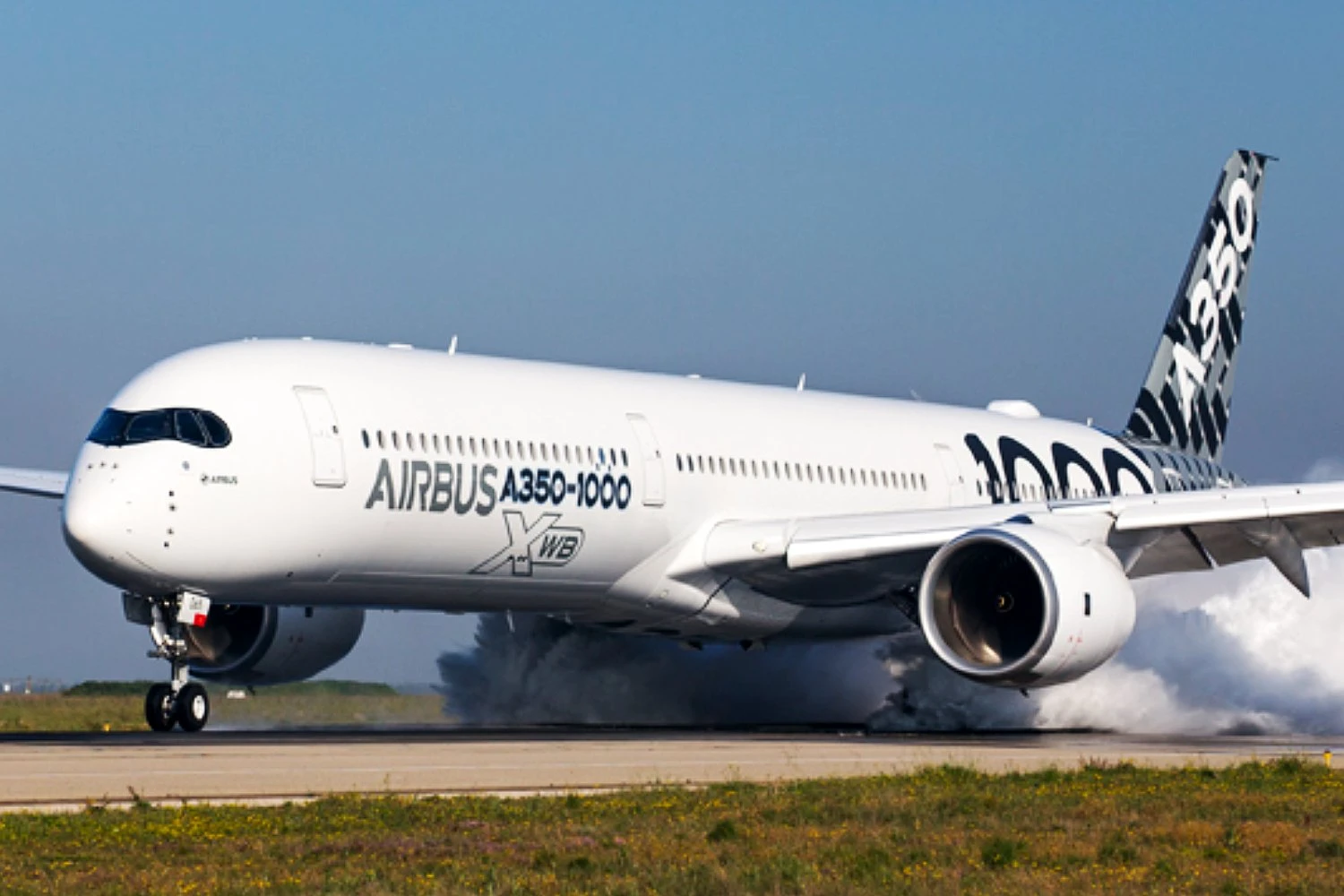
That potentially puts aircraft such as the Airbus A350 and Boeing 777X into consideration for the next phase of American’s long-haul fleet, although the airline has not identified the models competing in the process.
Related news
September 21, 2026
September 21, 2026
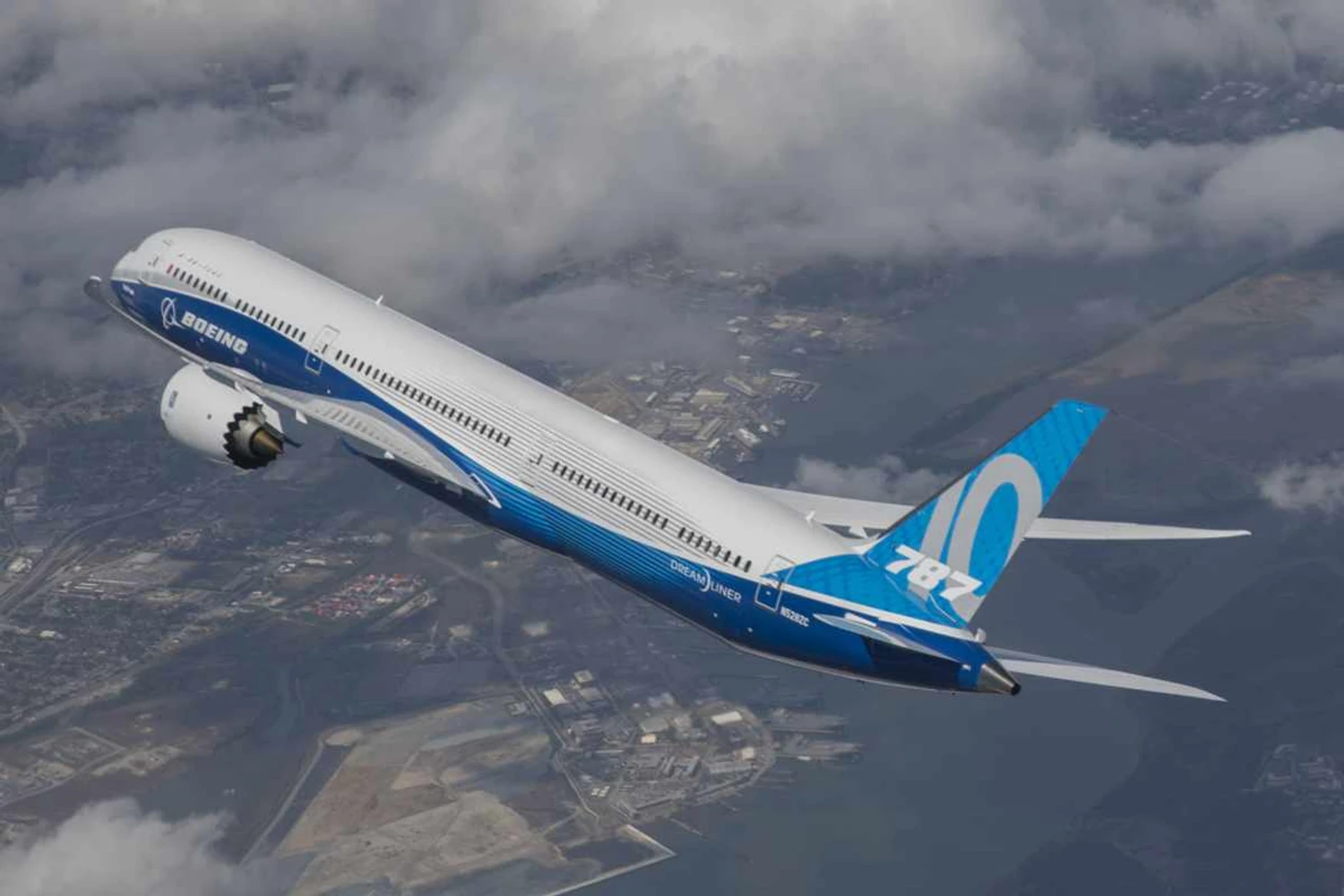
American currently has no A350 or 777X on order. Its outstanding widebody commitments are for additional Boeing 787s, which are expanding the fleet but do not provide an immediate replacement for all 67 of its current 777s.
The timing helps explain why a cabin investment and a future aircraft competition can take place simultaneously. Even if American selects another large widebody soon, production backlogs mean new aircraft ordered today would arrive years before the entire existing fleet could be replaced.
For the 777-300ERs, the retrofit provides a cabin capable of remaining competitive during that interval without forcing American to replace aircraft that are only around halfway through a potential commercial life.
And the older 777-200ERs?
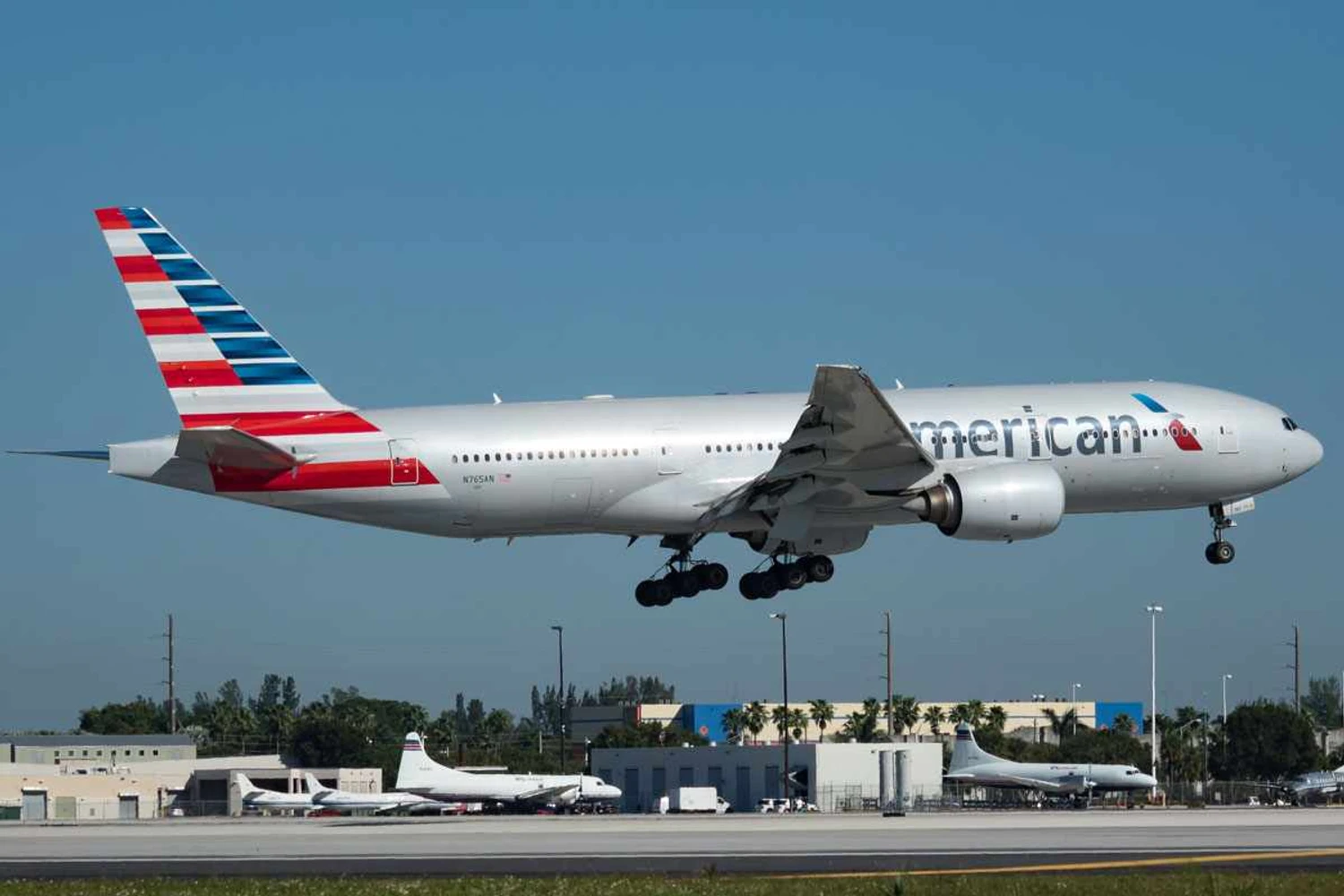
American faces a different equation with its 47 Boeing 777-200ERs. They average about 25.8 years of age, more than twice the average age of the -300ER fleet, and some date from the late 1990s.
They are therefore the more obvious candidates for retirement as American begins replacing its 777 fleet during the next decade.
Yet American is also investing in these aircraft rather than allowing their cabins to deteriorate while waiting for replacements. The carrier has confirmed that the 777-200ERs will undergo their own cabin refurbishment, although the program differs from the extensive reconfiguration of the -300ER.
The decision illustrates the problem facing American and other major long-haul operators. Aircraft that may have only several years left in their fleets still need competitive cabins, particularly when shortages, production constraints and long order backlogs make rapid widebody replacement impractical.
American has said it has no required aircraft retirements in the foreseeable future, giving it flexibility over when individual 777s leave the fleet. The future widebody order can consequently determine the long-term replacement cycle, while cabin investments allow the existing aircraft to remain commercially useful until sufficient new capacity becomes available.