 Industry
Airbus is escalating a dispute with Pratt & Whitney over delayed engine deliveries, including the possibility of seeking damages, as it struggles to stabilize aircraft production affected by supply shortages, according to a Reuters report.
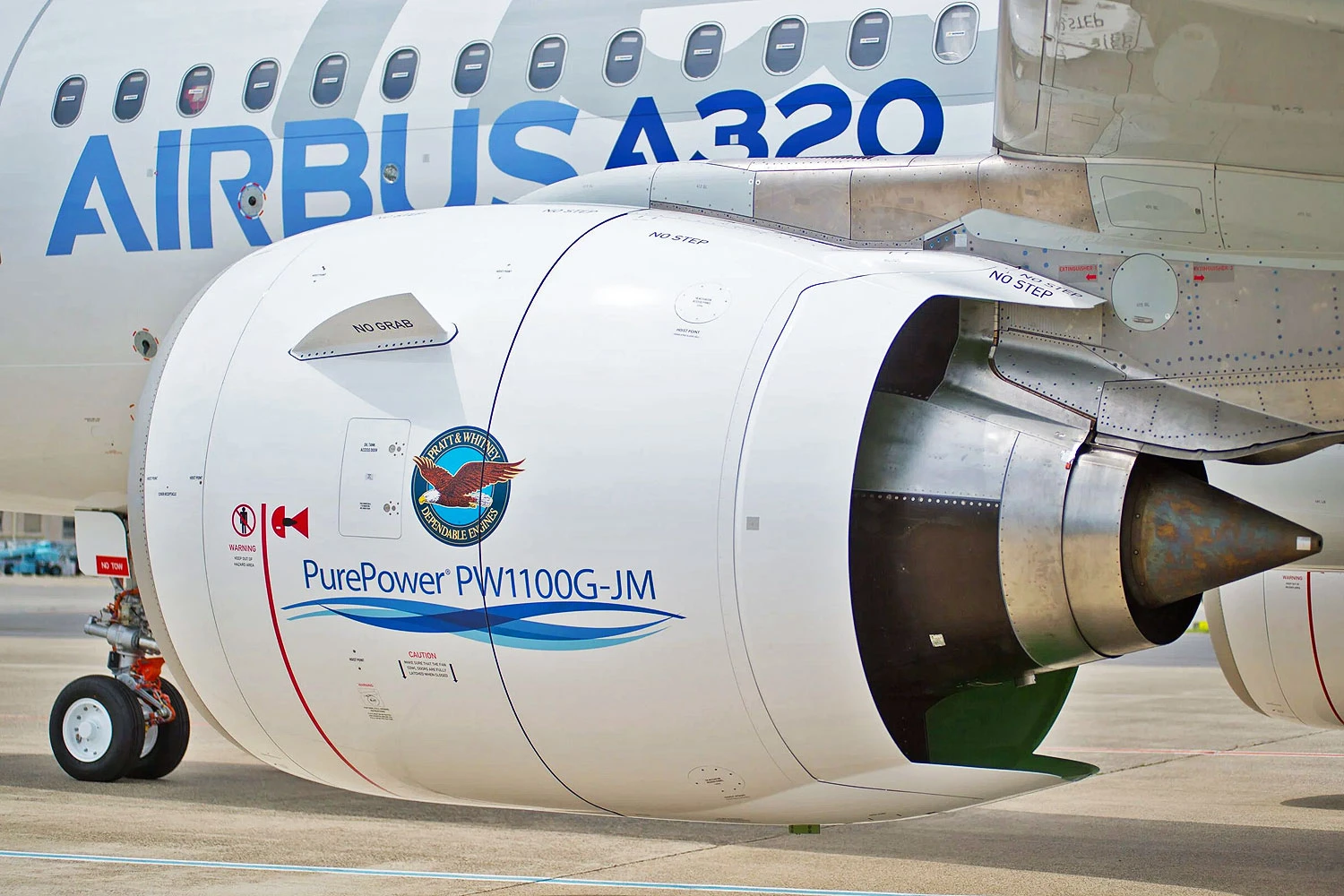
At the center of the conflict is Pratt & Whitney’s PW1100G geared turbofan (GTF), one of the two engine options for the Airbus A320neo family and the sole powerplant for the A220. The engine has been under a prolonged recall following manufacturing defects that forced extensive inspections and repairs, grounding hundreds of aircraft worldwide.
The situation has created a structural bottleneck: engines are being diverted to maintenance shops to support in-service fleets, reducing availability for new aircraft assembly. Airbus has argued that Pratt & Whitney failed to meet previously agreed delivery volumes, a shortfall that contributed to recent cuts in its production targets.
Those constraints come at a time when Airbus is trying to significantly increase output. The manufacturer has long targeted a monthly production rate of 75 A320neo family aircraft, but faces a backlog of 7,193 jets as of last month — equivalent to roughly eight years of production at that rate. Any disruption in engine supply therefore has a direct and amplified impact on deliveries.
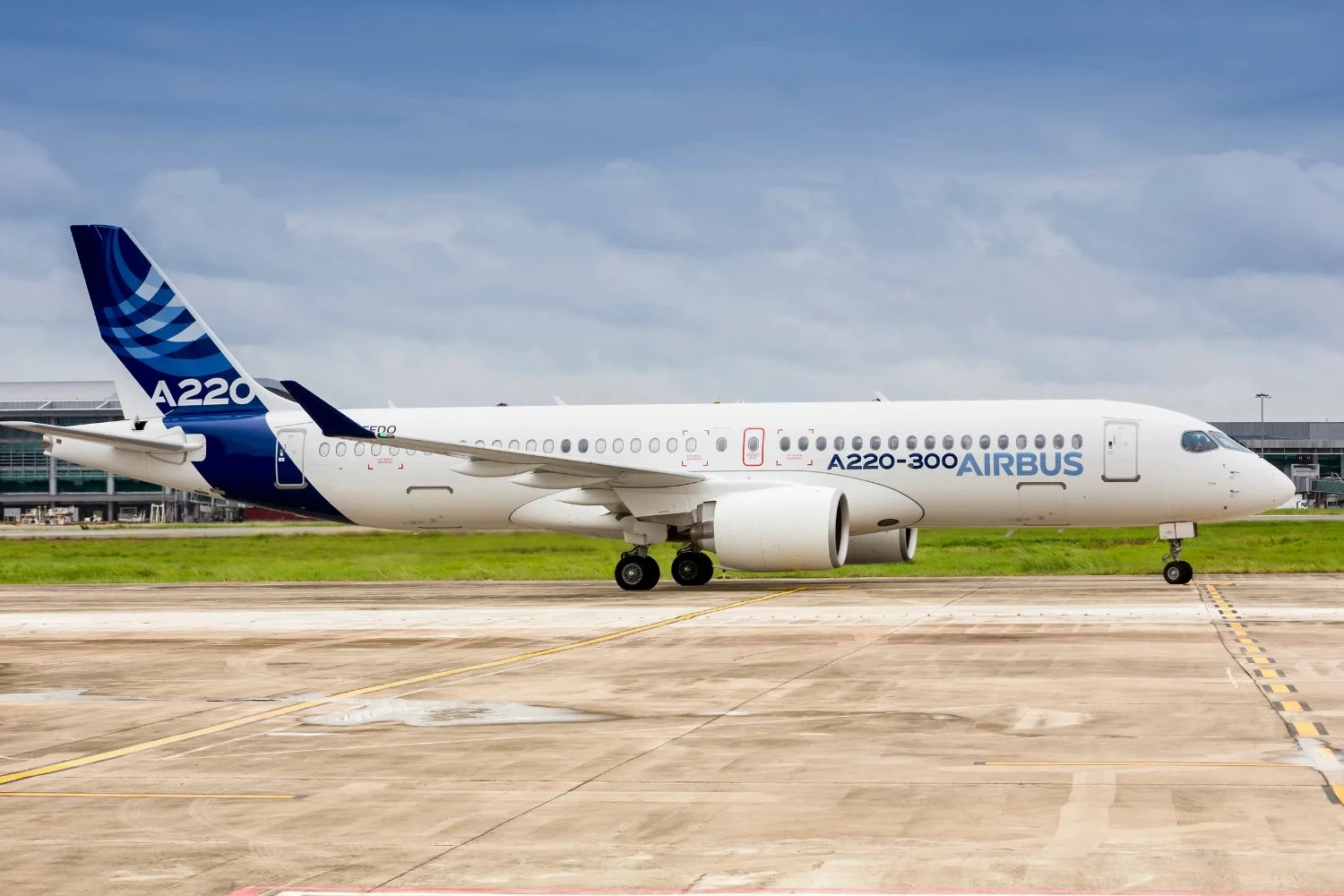
The pressure extends to the A220 program, which depends exclusively on the GTF engine. Airbus aims to raise production to 14 aircraft per month, yet had 456 units pending delivery as of February, highlighting the importance of a stable engine supply chain for the smaller narrowbody.
For airlines, the issue is equally critical. Carriers operating GTF-powered aircraft have faced long turnaround times for inspections and overhauls, limiting fleet availability. This has led to tension between Airbus, which depends on engine deliveries to sustain output, and airlines that rely on spare engines and maintenance capacity to keep aircraft flying.
The dispute also highlights differences with Boeing’s competing narrowbody program. The 737 MAX relies exclusively on the CFM LEAP engine, which, despite some supply constraints, has not faced the same scale of durability issues or repair backlog affecting Pratt & Whitney’s GTF.
Airbus CEO Guillaume Faury has previously indicated the company is prepared to enforce contractual obligations, signaling a harder stance after months of negotiations. While such disputes are often resolved through arbitration, the scale of the disruption has turned this case into one of the most significant tensions between an airframer and an engine supplier in recent years.