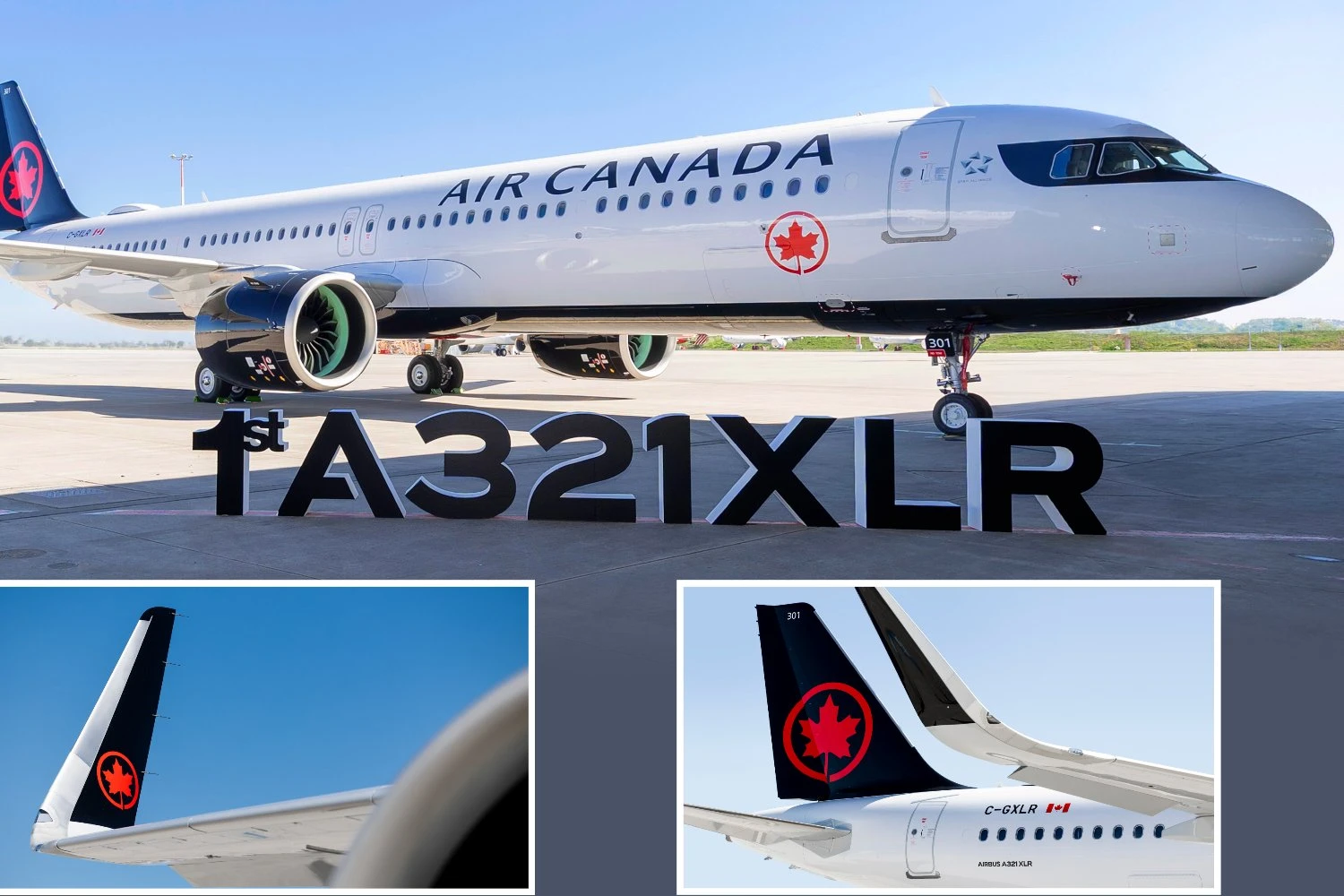
Air Canada says delays in Airbus aircraft deliveries continue to affect the introduction of its Airbus A321XLR fleet, despite the carrier having already received its first two examples of the long-range narrowbody.
Speaking in Montreal, Air Canada Executive Vice President and Chief Operations Officer Mark Nasr said the airline has experienced repeated delays in the A321XLR program since placing its order.
Related news
September 15, 2026
September 15, 2026
“On the XLR program, unfortunately, we have been on the receiving end of several delays in the program, and these aircraft are the better part of two years late from what we originally anticipated when we made the order,” Nasr said.
Air Canada took delivery of its first A321XLR on April 22 and received a second aircraft on May 29. The type is expected to enter commercial service this month, with planned destinations including Toulouse and Copenhagen.
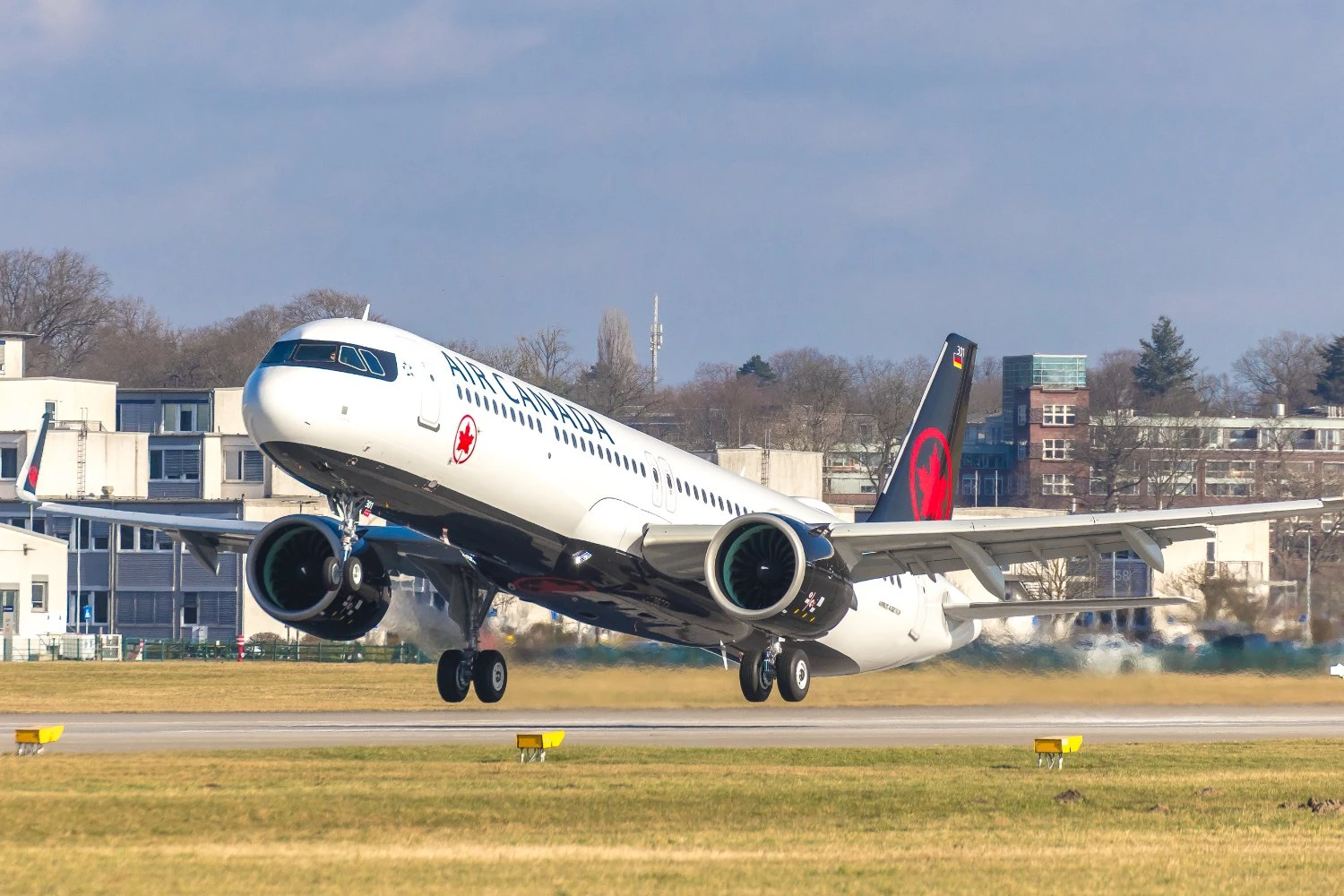
The airline became an A321XLR customer in March 2022, announcing an initial commitment for 26 aircraft consisting of six firm orders and 20 leased jets. Air Canada has since expanded its plans and now expects to operate a fleet of 30 A321XLRs, including 15 aircraft acquired through leasing arrangements.
With a range of up to 4,700 nautical miles (8,700 km), the A321XLR is Airbus' longest-range single-aisle airliner. The aircraft is designed to serve routes that are too long for traditional narrowbody jets but do not require the capacity of larger widebody aircraft.
Nasr said the delays are not unique to Airbus and stem from persistent issues affecting aircraft manufacturing and supply chains across the industry.
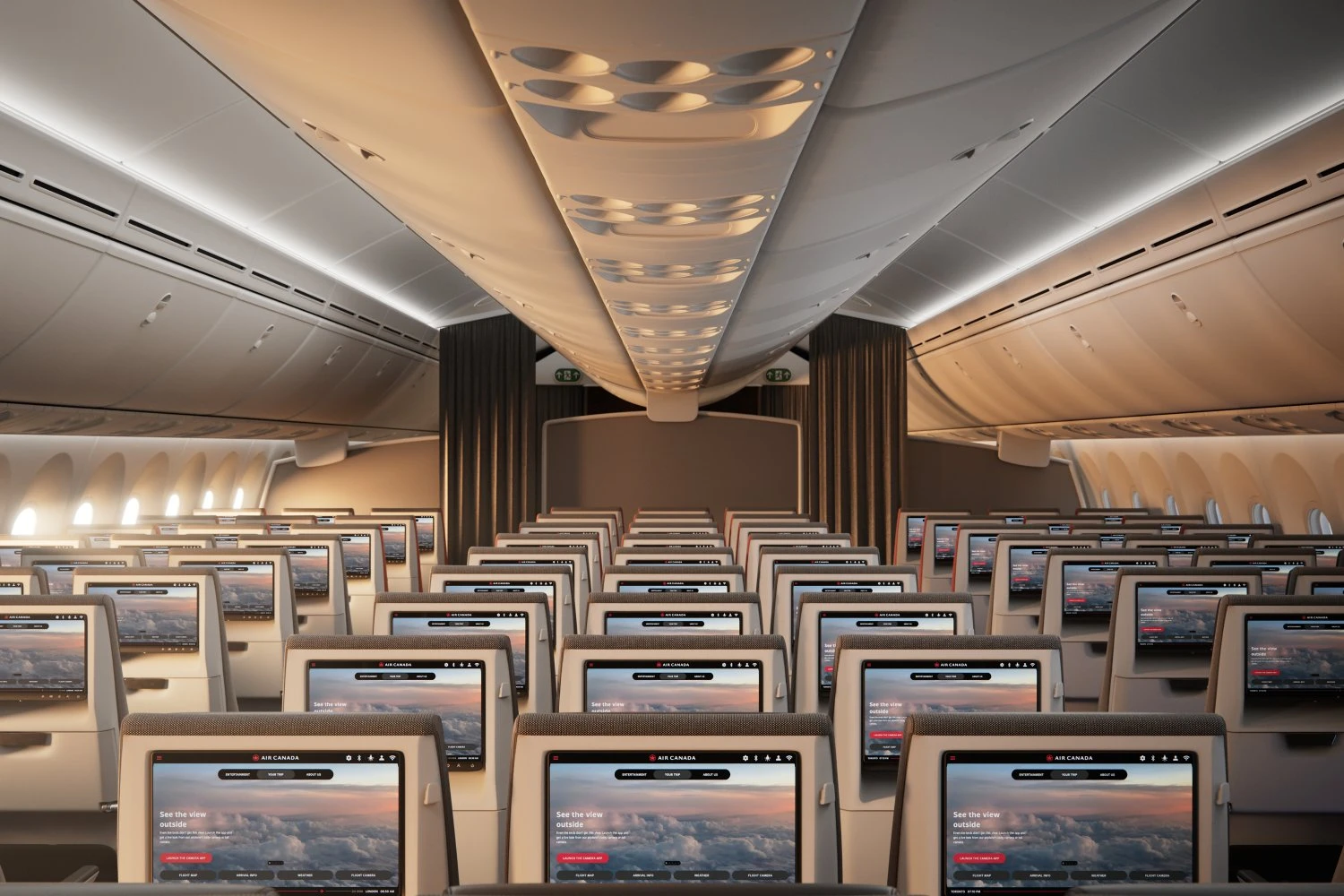
The A321XLR is expected to become an important part of Air Canada's international network, particularly on transatlantic routes where the airline can match capacity more closely to demand while reducing operating costs compared with larger aircraft.
Air Canada is among a growing number of airlines introducing the A321XLR following the aircraft's entry into service in 2024. The model has attracted strong interest from carriers seeking to open new long-haul routes with a lower trip cost than traditional twin-aisle jets.