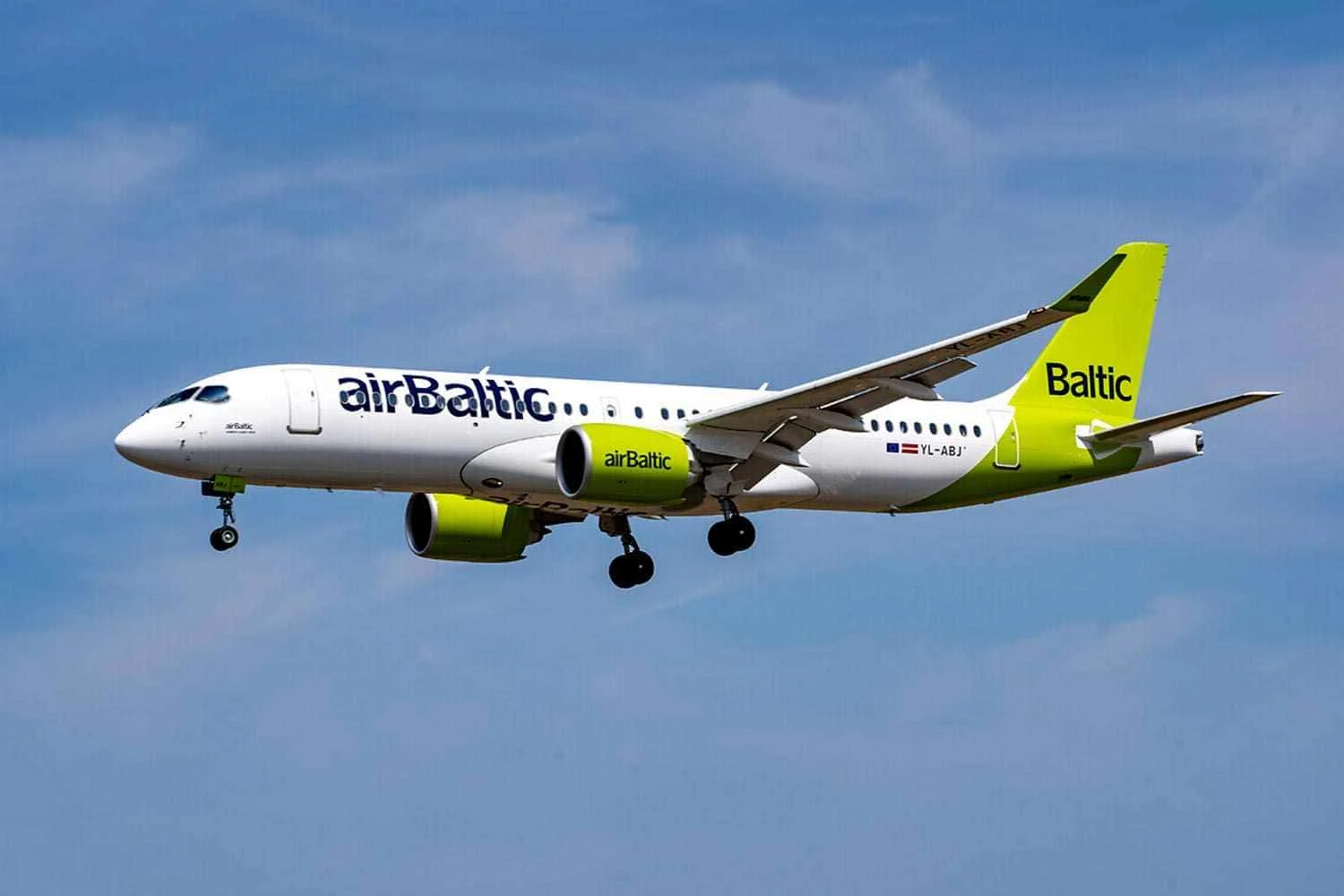
Latvian carrier airBaltic has filed for Chapter 11 bankruptcy protection in the United States, only days after seeking approval for a €257 million emergency financing package carrying an interest rate of 25%.
The voluntary filing was made on September 14 in the U.S. Bankruptcy Court for the Southern District of New York. airBaltic intends to continue operating during the proceedings while it restructures its debt and other financial obligations.
The airline said flights will continue as scheduled and tickets, reservations and loyalty benefits remain valid. airBaltic Training and Baltijas Kravu Centrs, the company's cargo handling subsidiary, are also included in the proceedings.
The company has secured commitments for €350 million in debtor-in-possession financing, subject to court approval. Strategic Value Partners, Barclays, Hayfin Capital Management, Morgan Stanley and Oaktree Capital Management are among the institutions providing the financing, according to Reuters.
Follow Air Data News: WhatsApp | Instagram | LinkedIn | Twitter | Facebook
DIP financing gives a company access to liquidity while it operates under Chapter 11 protection and generally receives priority over existing debt. The new funding is intended to support airBaltic's operations during the restructuring process.
€257 million loan carried 25% interest
The bankruptcy filing follows weeks of attempts to address an increasingly difficult liquidity position without entering a court-supervised restructuring.
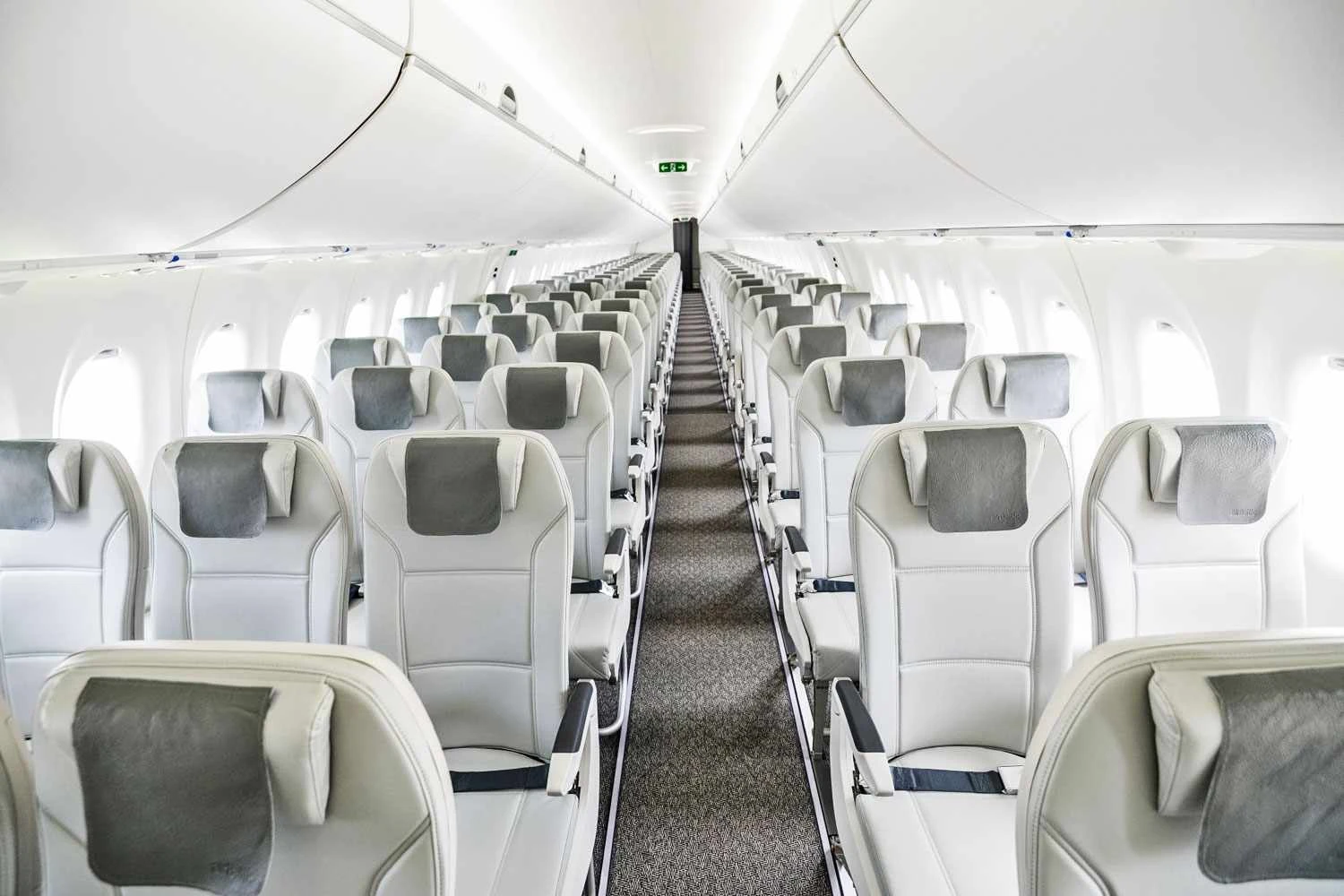
airBaltic had proposed raising up to €257 million through new super-senior debt due in 2027. The financing carried an annual interest rate of 25%, while €180 million could have become available after the required approvals and another €77 million was conditional on additional requirements.
The proposal would have placed the new financing ahead of airBaltic's existing €380 million bonds due in 2029. Existing bondholders were being asked to approve changes to the debt structure and could participate in the new financing.
The terms attracted criticism because of the unusually high borrowing cost and the priority the new debt would receive over existing creditors. Questions were also raised about potential conflicts of interest surrounding the proposed financing structure, although no wrongdoing was established.
A bondholder meeting scheduled for September 11 was postponed until September 15 to provide investors with additional time to consider the proposal. The Chapter 11 filing came one day before that rescheduled meeting.
It remains to be seen whether the €257 million proposal will be abandoned entirely or whether elements of the financing will form part of the restructuring now taking place under Chapter 11.
Credit rating fell to CCC-
airBaltic's financial difficulties predate the latest financing negotiations. S&P Global Ratings downgraded the airline to CCC- in August as the company sought changes to its existing bonds to preserve liquidity.
The Latvian parliament subsequently approved legislation on August 20 specifically intended to support the financial stabilization of airBaltic. The measures allow the government to extend loans, convert state claims and bonds into equity and participate in bridge financing under certain conditions.
The Latvian state remains airBaltic's controlling shareholder. Lufthansa Group acquired a minority stake earlier this year as part of an agreement intended to strengthen commercial cooperation between the two airlines.
Recent news

September 14, 2026
September 13, 2026
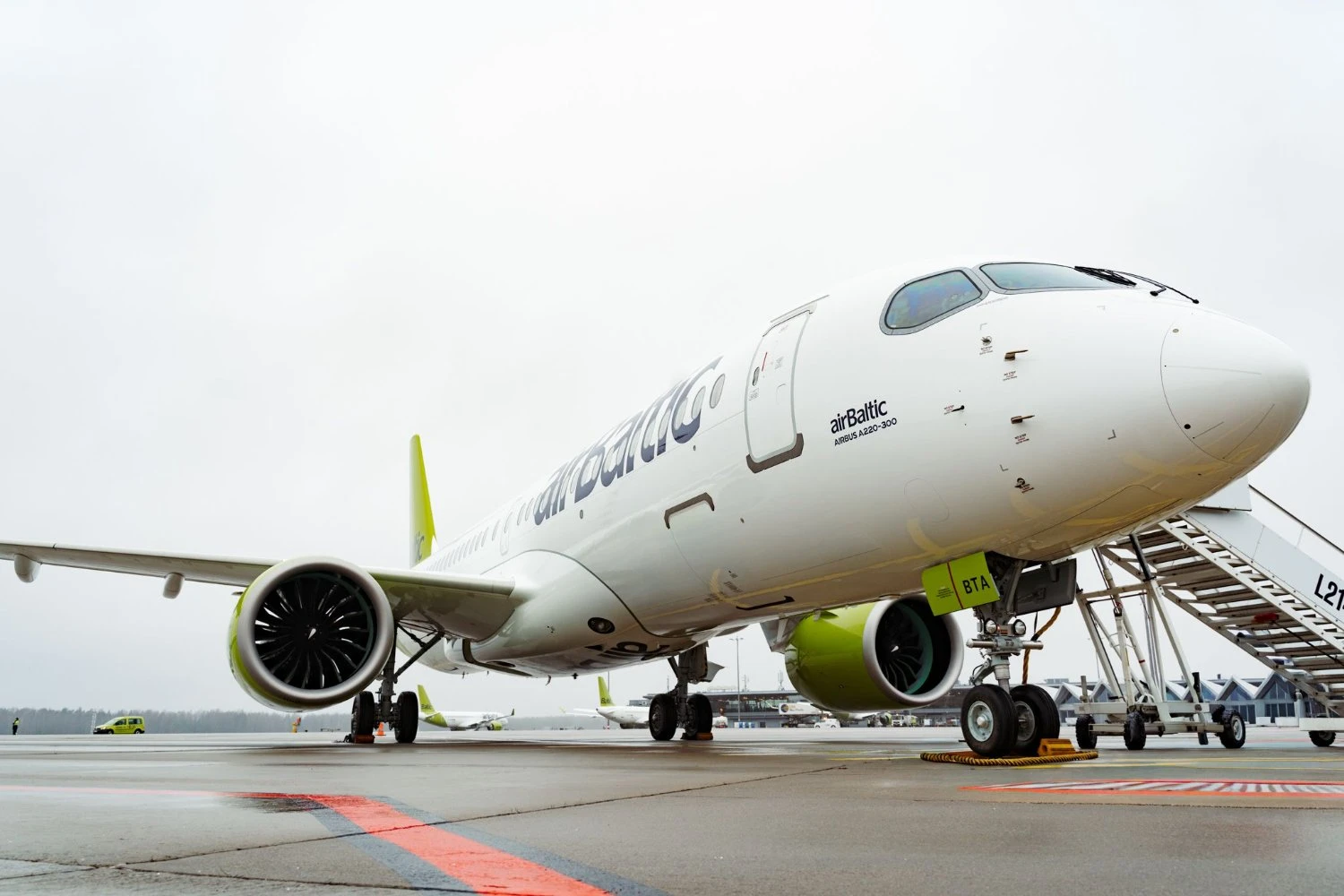
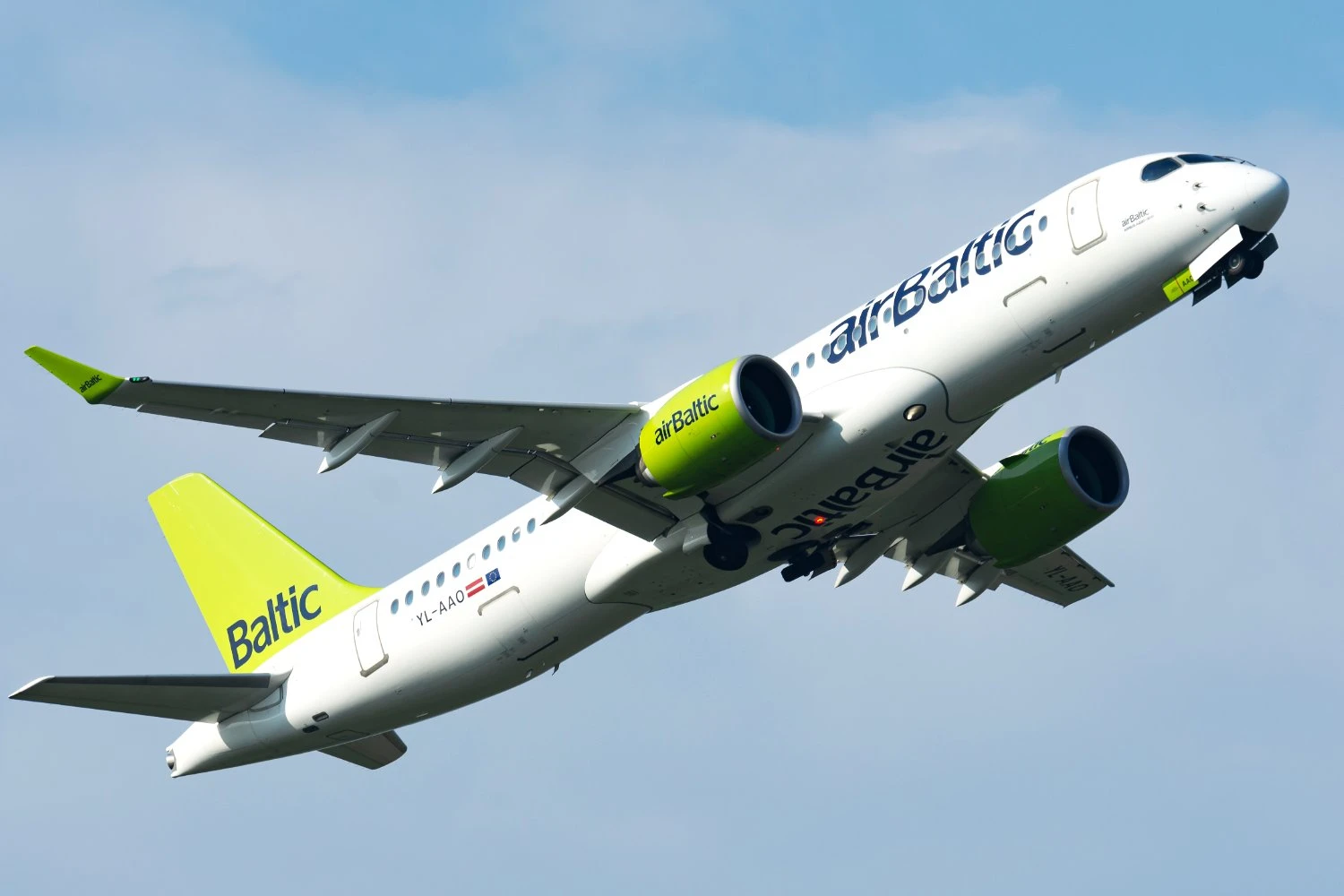
The carrier has also faced operational pressure from the prolonged Pratt & Whitney geared turbofan engine problems affecting its Airbus A220-300s. Aircraft groundings have reduced available capacity and forced airBaltic to adjust its network while simultaneously relying on aircraft leases and ACMI operations.
airBaltic operates an all-A220-300 mainline fleet and has been one of the largest operators of the type. Its business model has increasingly combined its own scheduled network with ACMI services for other European airlines.
Chapter 11 offers restructuring framework
Chapter 11 allows airBaltic to reorganize under U.S. bankruptcy protection rather than liquidate. The process can provide mechanisms to renegotiate debt and contracts while protecting the company from certain creditor actions.
Foreign airlines can use the U.S. bankruptcy system when they meet jurisdictional requirements, and Chapter 11 has previously been used by carriers outside the United States with international financing, leasing and creditor structures.
The proceedings will now determine how airBaltic's existing debt, aircraft-related obligations and new DIP financing are treated. Court filings should also provide more detail about the carrier's creditors and the financial structure that airBaltic intends to carry out while it remains under Chapter 11 protection.