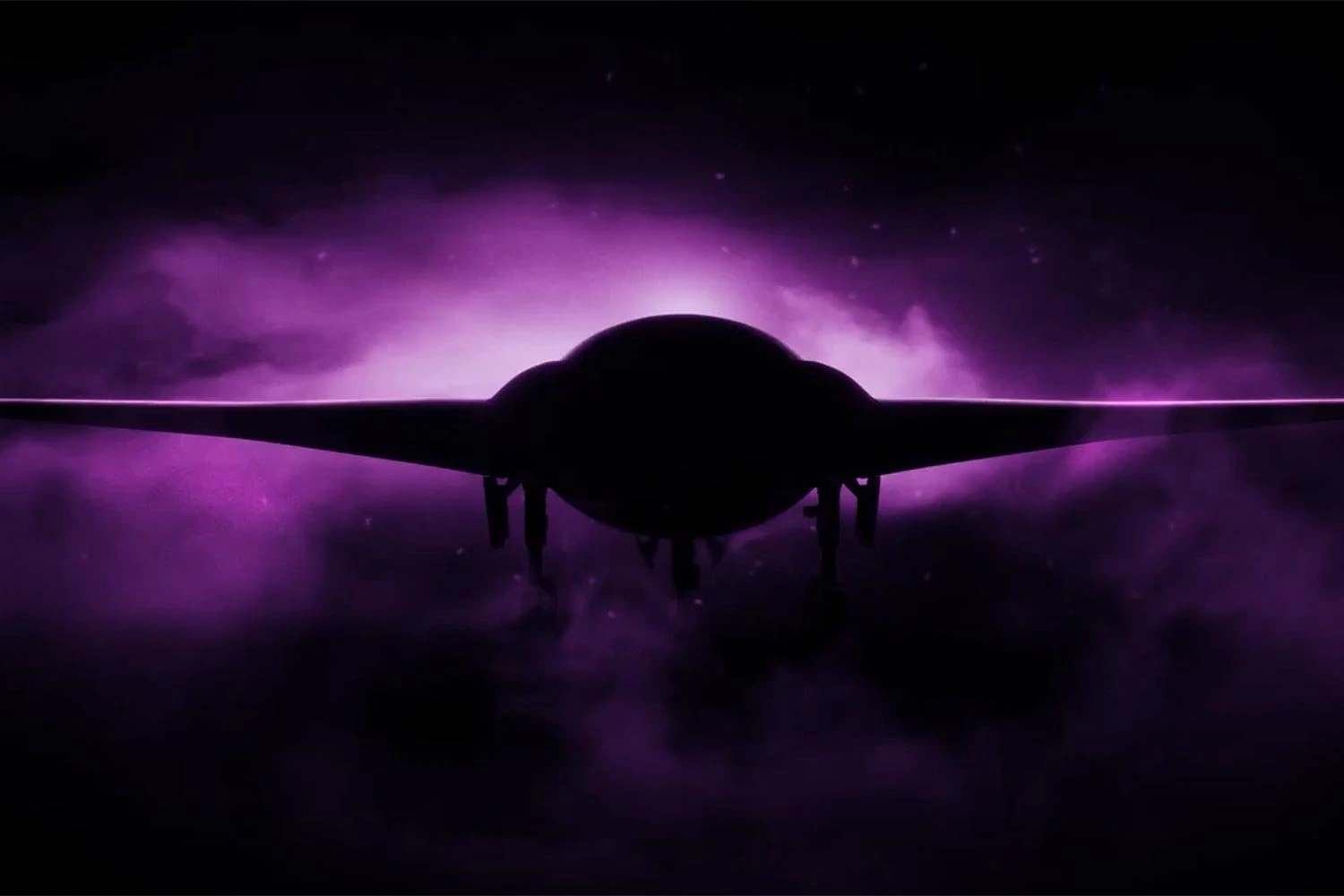
Lockheed Martin has released a brief teaser showing the silhouette of an unidentified aircraft, accompanied by the Skunk Works logo and a promise that more information will follow.
The video, published on September 12, provides no name or technical details. “Next level unlocked. More to come,” Lockheed Martin said in the accompanying message.
The aircraft is shown only from the front, leaving few features visible beyond a broad, low-profile shape. Lockheed Martin has not said whether the teaser represents a previously disclosed program or something that has yet to be publicly revealed.
One possible candidate is Vectis, an uncrewed combat aircraft unveiled by Skunk Works in September 2025. The known frontal appearance of Vectis bears similarities to the silhouette in the teaser, while the timing also coincides with development of its first flying prototype.
Follow Air Data News: WhatsApp | Instagram | LinkedIn | Twitter | Facebook
There is another clue. Lockheed Martin's own Vectis webpage currently carries a video identified as “Skunk Works announcement loading...”, although the company has not explicitly connected the September 12 teaser to the aircraft.
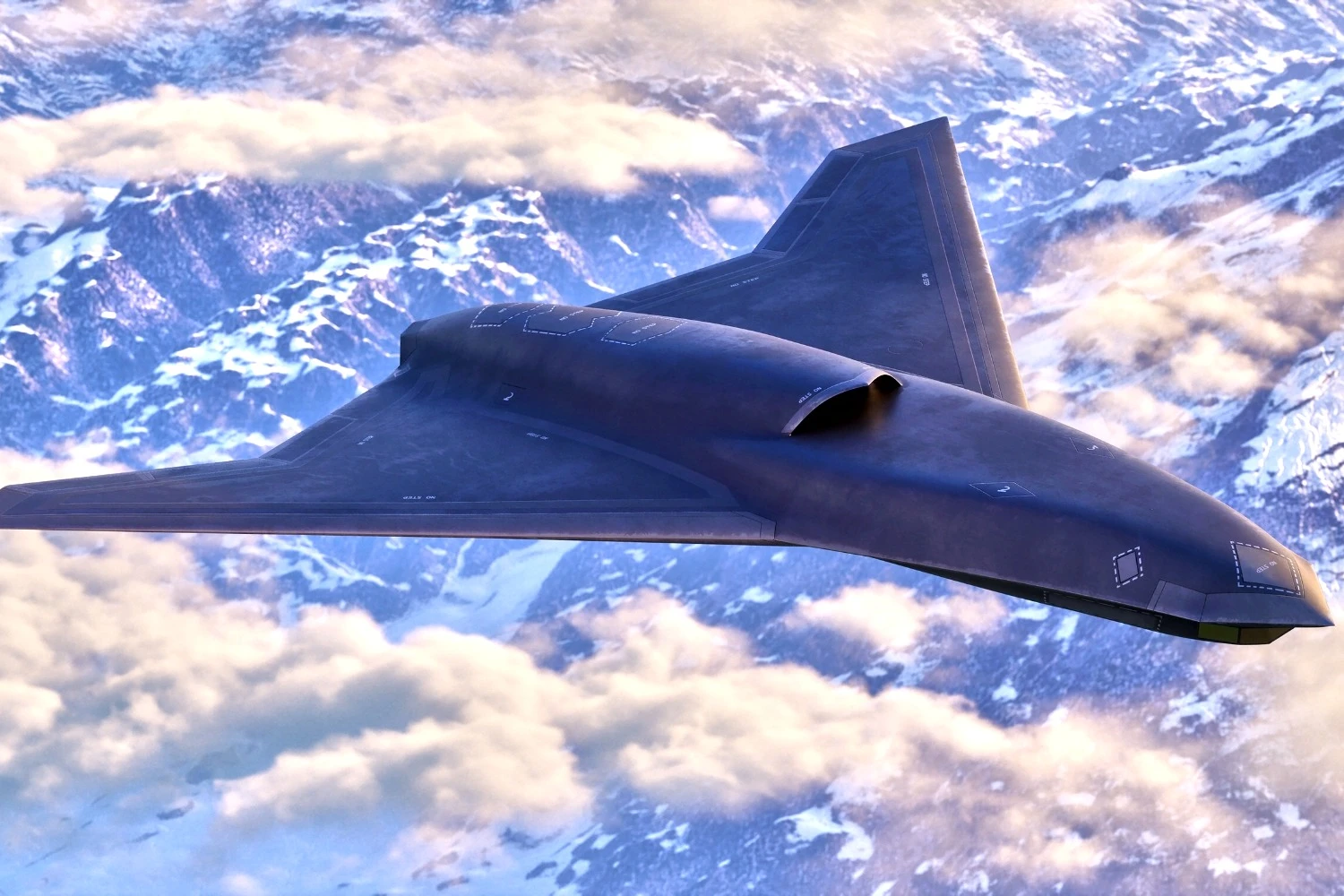
Group 5 Collaborative Combat Aircraft
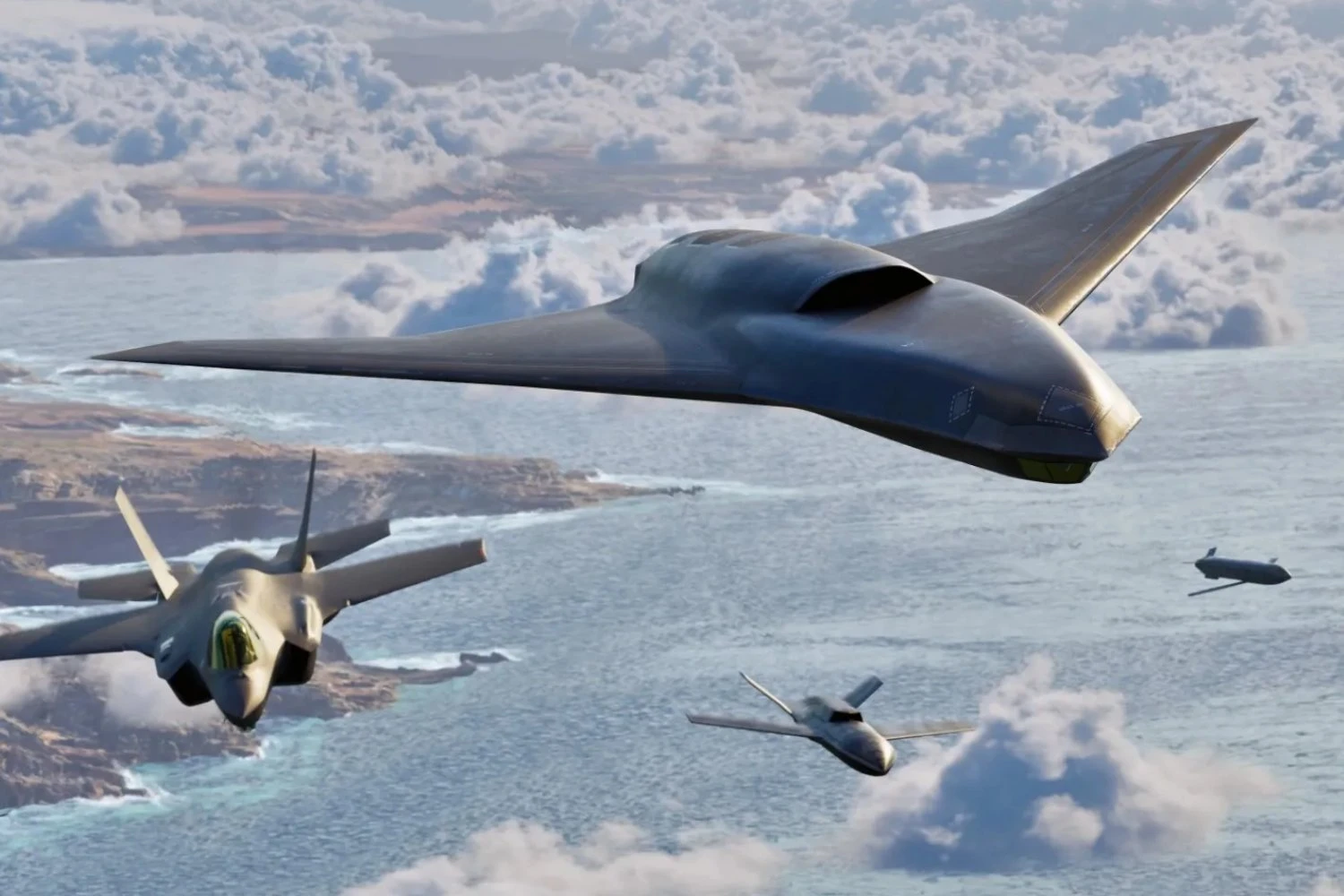
Vectis was revealed as an internally funded Group 5 Collaborative Combat Aircraft designed to operate independently or alongside crewed fighters such as the F-35 and future combat aircraft.
Lockheed Martin lists precision strike, intelligence, surveillance and reconnaissance targeting, electronic warfare and offensive and defensive counter-air among its intended missions. The aircraft is also being designed around low observability and an open architecture that can accommodate different mission systems.
Few basic specifications have been disclosed. Lockheed Martin has not published the aircraft's dimensions, weight, payload or maximum speed, although it has said its endurance is intended to support operations in the Indo-Pacific, Europe and the U.S. Central Command area.
Recent news
September 13, 2026
September 13, 2026
When Vectis was unveiled last year, the program was already beyond the concept stage. Lockheed Martin said parts had been ordered and a dedicated Skunk Works team was working on the aircraft, with company funds and personnel committed to building and testing it.
The program emerged after Lockheed Martin was not selected for the first increment of the U.S. Air Force's CCA program. General Atomics and Anduril instead received contracts to build the YFQ-42A and YFQ-44A prototypes.
Lockheed Martin nevertheless continued development of its own aircraft rather than wait for another Air Force competition. The company has presented Vectis as a platform that could address U.S. and allied requirements rather than a design tied exclusively to the current CCA procurement.
Powered by FJ44-4 turbofan
More details about the physical aircraft appeared in December. Skunk Works selected the Williams International FJ44-4 turbofan to power the Vectis prototype and set 2027 as the target for its first flight.
The FJ44-4 produces more than 3,600 lb of thrust and is already used by several business aircraft. The choice of an existing commercial engine reduces development work for a demonstrator intended to reach flight testing quickly.
Evidence that hardware intended for the flying aircraft is now being produced appeared in May. Auburn University's National Center for Additive Manufacturing Excellence announced that it was working with Lockheed Martin on a flight-intended component for Vectis.
The project involves redesigning a multi-component assembly as a single additively manufactured part. Auburn said the finished component will be delivered to Lockheed Martin for integration and evaluation on the aircraft scheduled to fly in 2027.
That development timeline makes Vectis a plausible explanation for the new Skunk Works teaser. A prototype reveal, an update on its construction or another development milestone are among the possibilities as the aircraft approaches its planned flight-test campaign.
Lockheed Martin, however, has yet to identify the silhouette. The teaser could also concern another Skunk Works project, leaving the aircraft behind the brief video unidentified until the company provides the additional information it has promised.