Buying hundreds of relatively inexpensive uncrewed fighters is only part of the challenge facing the U.S. Air Force. The service also needs to operate them without creating a manpower and logistics burden comparable to that of conventional fighter squadrons.
That question is becoming increasingly practical as the USAF moves toward production of its first Collaborative Combat Aircraft (CCA), the General Atomics FQ-42 and Anduril FQ-44.
Follow Air Data News: WhatsApp | Instagram | LinkedIn | Twitter | Facebook
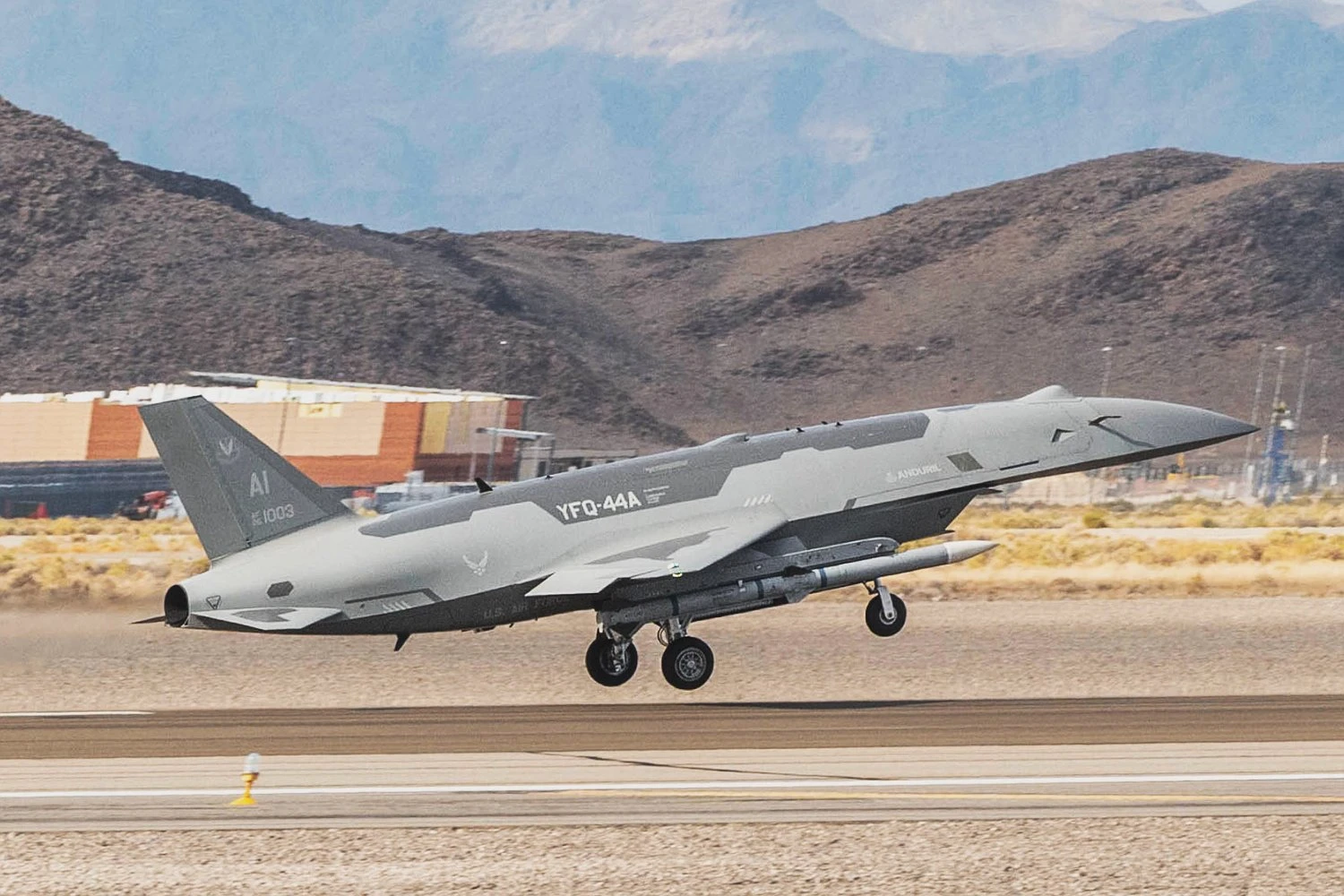
A recent exercise at Creech Air Force Base in Nevada concentrated on exactly that issue, putting operational personnel in charge of increasingly complex tasks involving the prototype YFQ-44A Fury and YFQ-42A.
Anduril provided additional details this week about its participation in the exercise, the second involving the YFQ-44A and the Air Force's Experimental Operations Unit (EOU). The company said Air Force personnel assumed greater responsibility for the aircraft than during the first event in April.
One of the objectives was to test distributed operations. Personnel tasked the YFQ-44A during different stages of missions from multiple locations rather than relying on a single centralized control element.
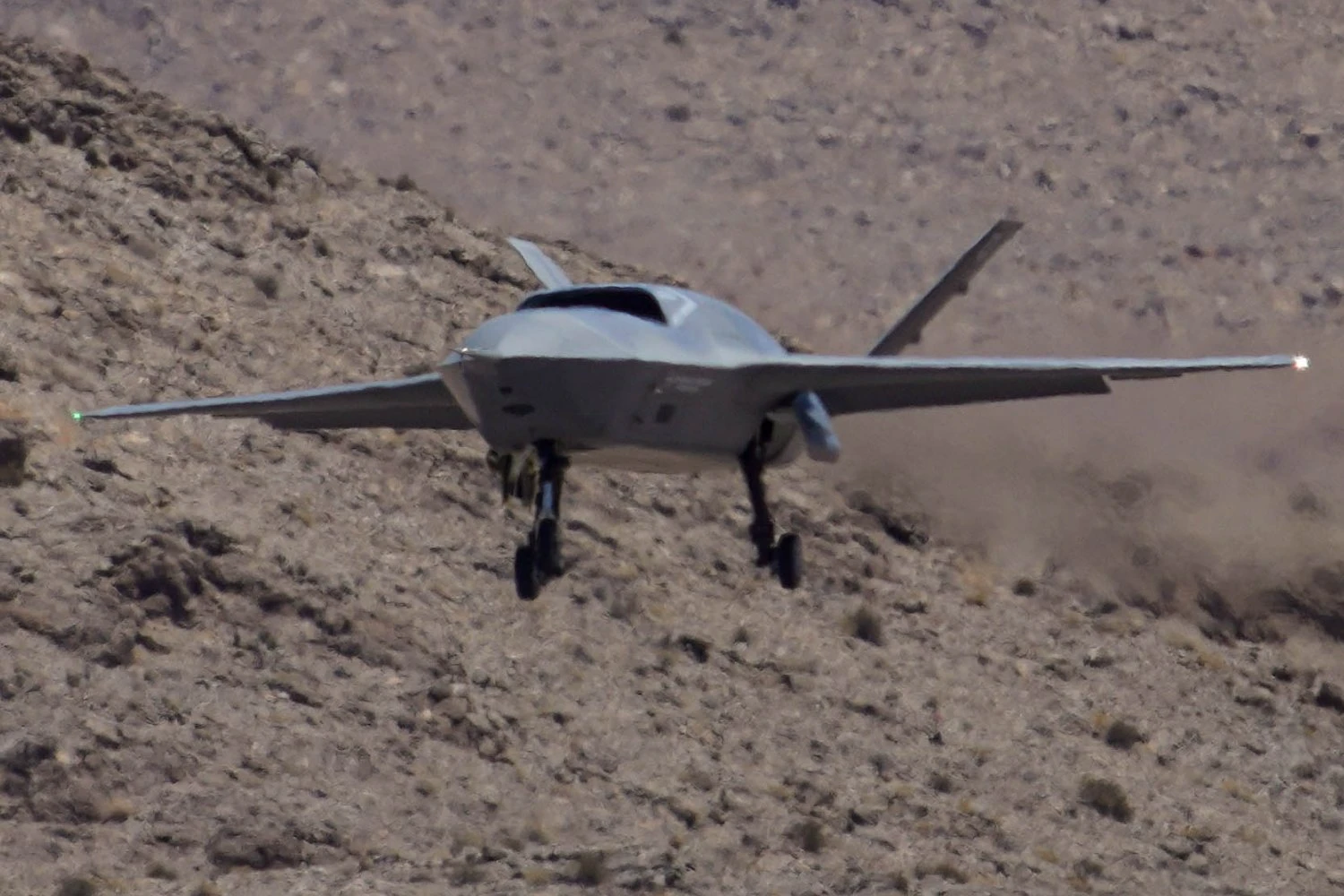
According to Anduril, this arrangement is intended to reduce manpower requirements and make it possible to generate CCA sorties from austere locations. Operational personnel also directly supervised daily autonomous missions for the first time, during which the aircraft performed operationally relevant tactics and maneuvers.
Small footprint matters
The manpower question is particularly important because scale is central to the CCA concept. The Air Force does not intend these aircraft simply to become remotely piloted substitutes for conventional fighters, each requiring its own pilot and extensive support organization.
Instead, a high degree of autonomy is expected to allow a smaller number of people to manage multiple aircraft, including missions performed alongside crewed fighters such as the F-35 and eventually the F-47.
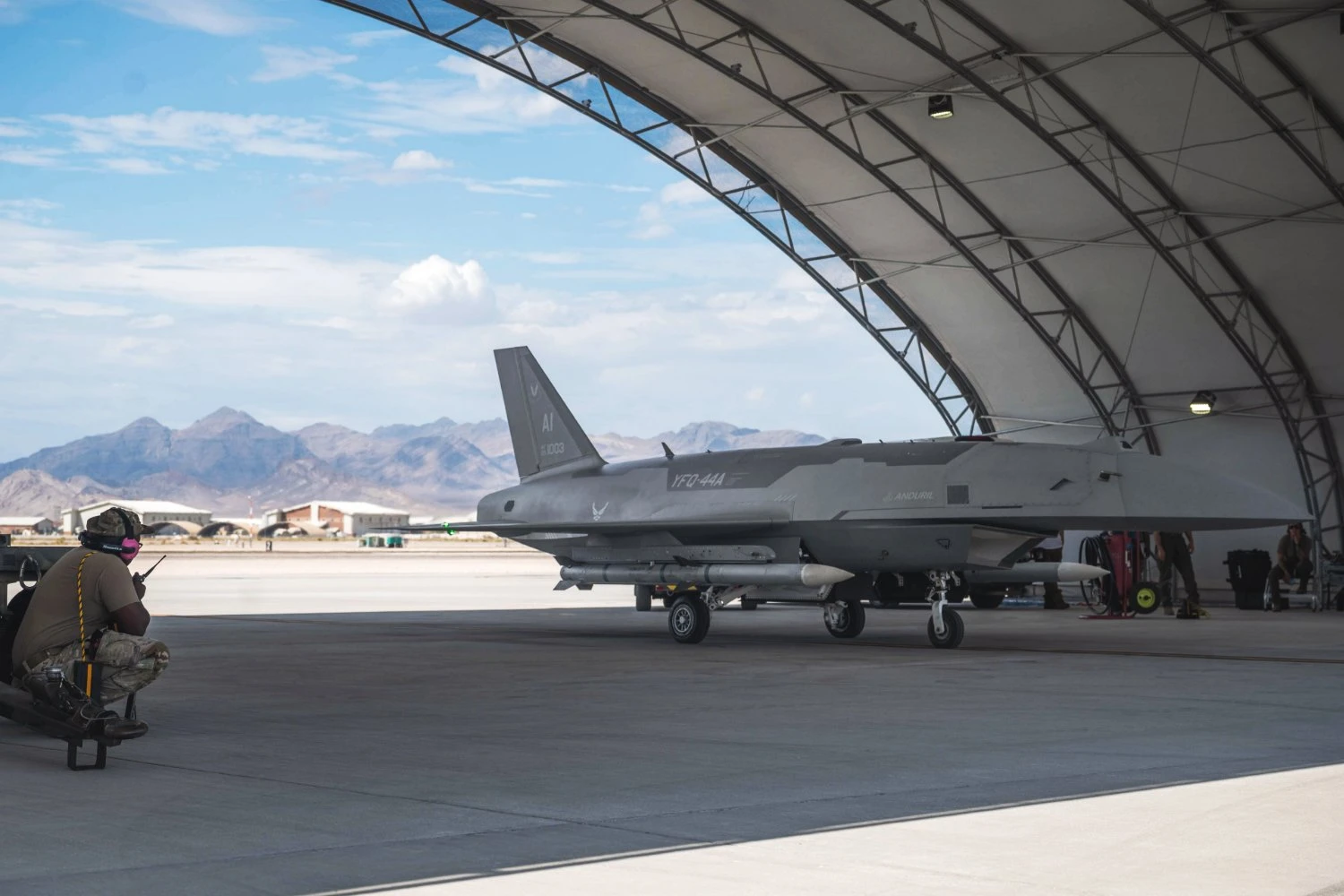
That requirement extends beyond whoever controls the aircraft in flight. CCAs also need to be refueled, armed, inspected, repaired and prepared for another sortie, potentially from dispersed locations with limited infrastructure.
YFQ-44A | Anduril 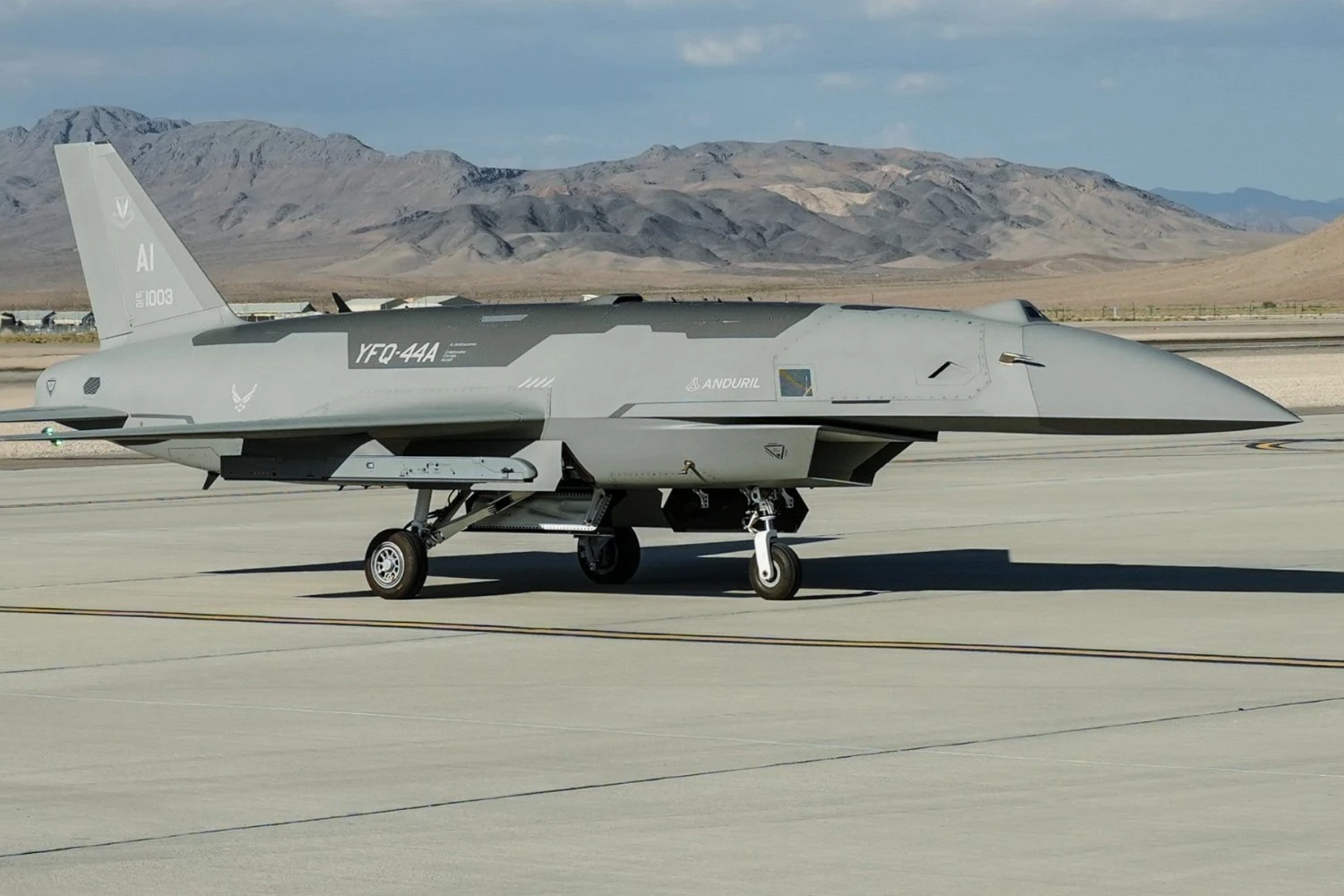
YFQ-44A | Anduril 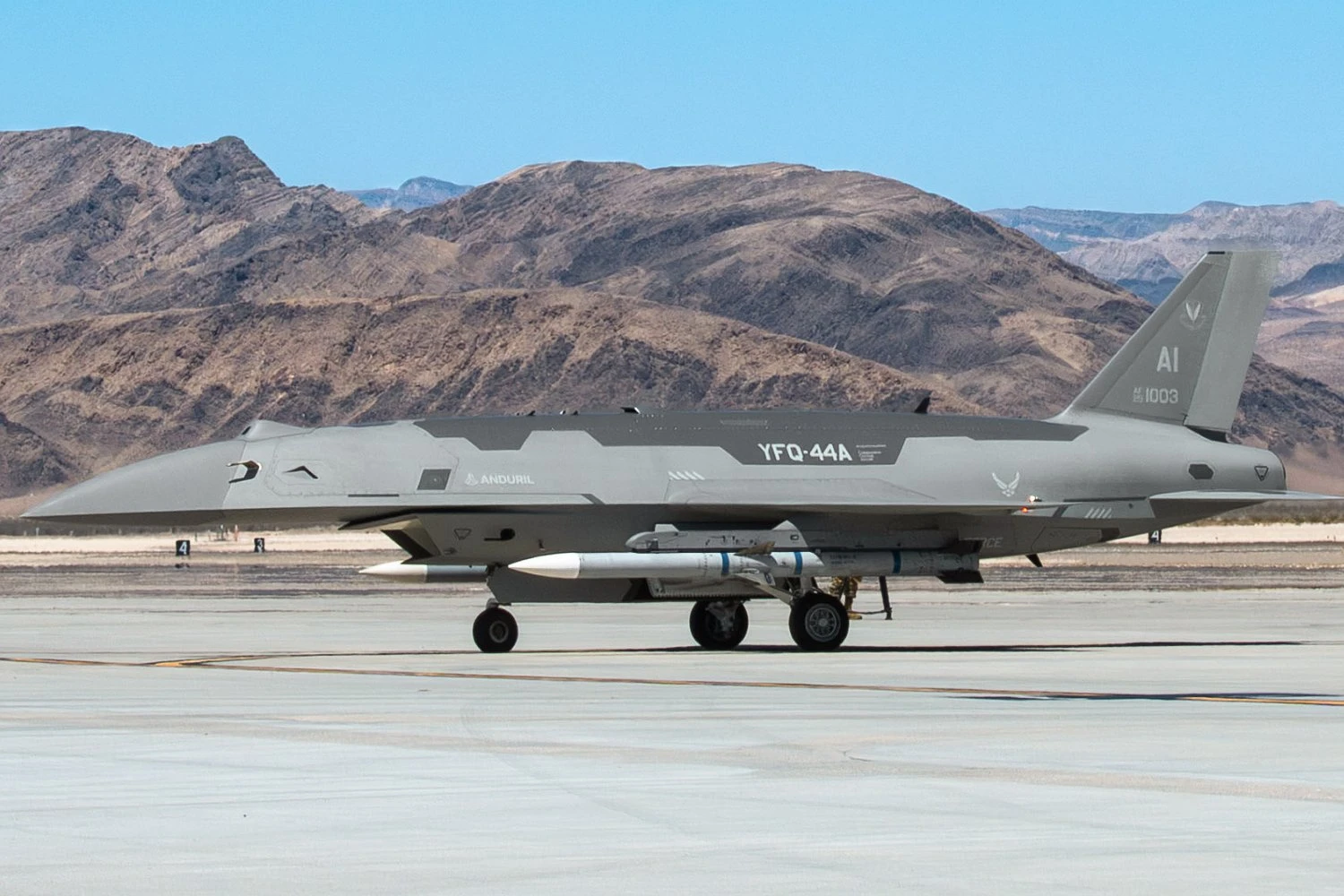
YFQ-44A | Anduril



During the Creech exercise, Air Force personnel were increasingly responsible for those tasks rather than leaving them primarily to contractor teams. The objective is to develop procedures that can eventually be transferred from experimental aircraft to operational squadrons.
The YFQ-44A completed a week of flight operations that included several days with multiple sorties, according to Anduril. The company said the exercise also tested mission planning, logistics and sustainment alongside the autonomous flight activities.
From prototypes to operational aircraft
Creech has become an important location for this work because of its long association with U.S. Air Force remotely piloted aircraft operations. The service expects thousands of sorties involving prototype and production CCAs to be flown from the Nevada base over the coming years.
Both aircraft involved in the current CCA Increment 1 effort have already moved beyond a winner-takes-all competition. The Air Force selected both General Atomics and Anduril to proceed toward production, with their aircraft dropping the experimental “Y” prefix to become the FQ-42 and FQ-44 respectively.
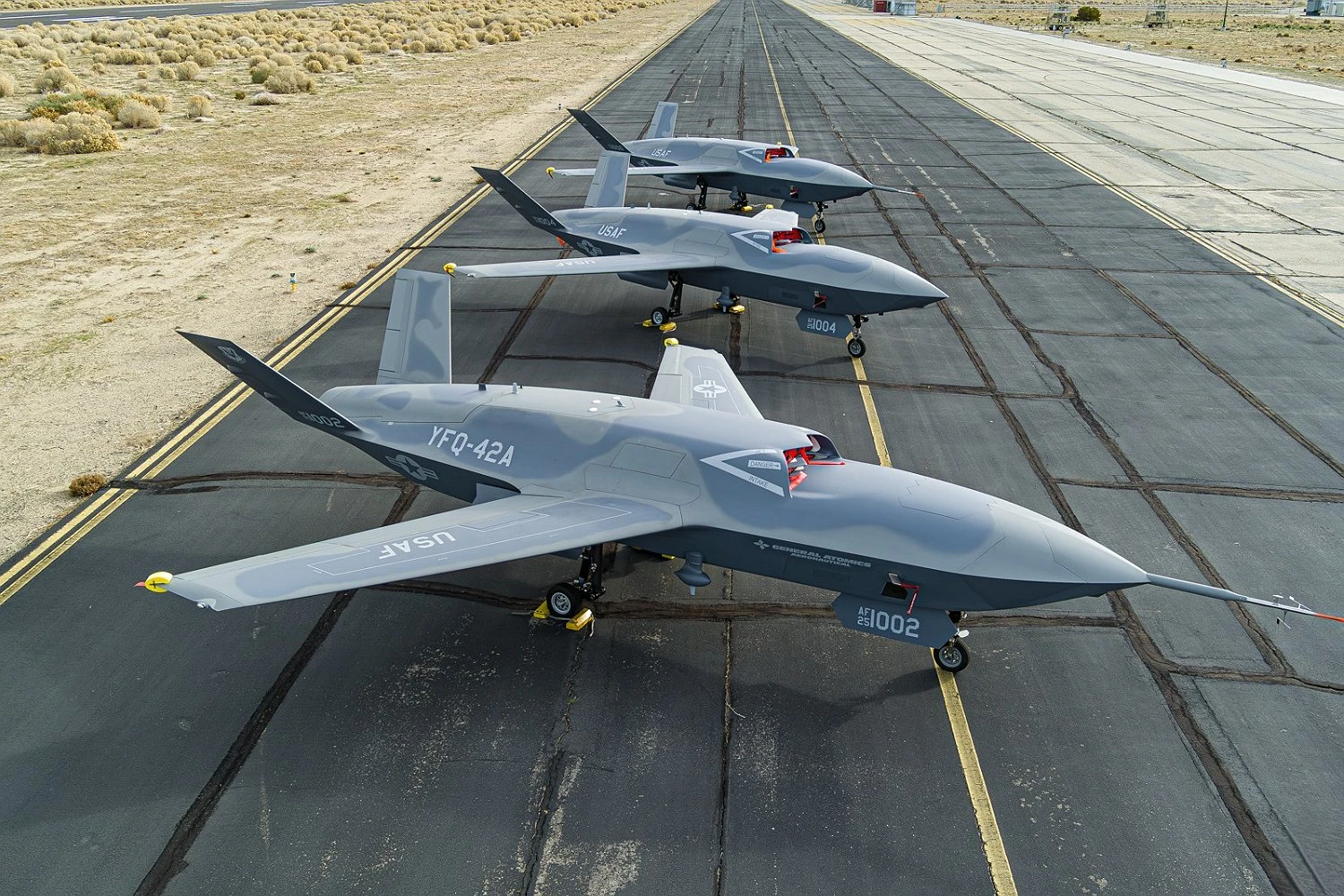
The two programs have not necessarily progressed in identical ways. The YFQ-44A has been more visible during recent operational experimentation and has already been publicly demonstrated carrying and firing an AIM-120 AMRAAM. General Atomics also lost a YFQ-42A during testing earlier this year.
Those differences, however, do not establish that one program is ahead of the other. Both designs have been selected for production, and much of their testing remains outside public view.
The more consequential question now being examined at Creech is less visible than a missile launch: how many people, how much equipment and how much infrastructure will actually be required to keep large numbers of these aircraft fighting.