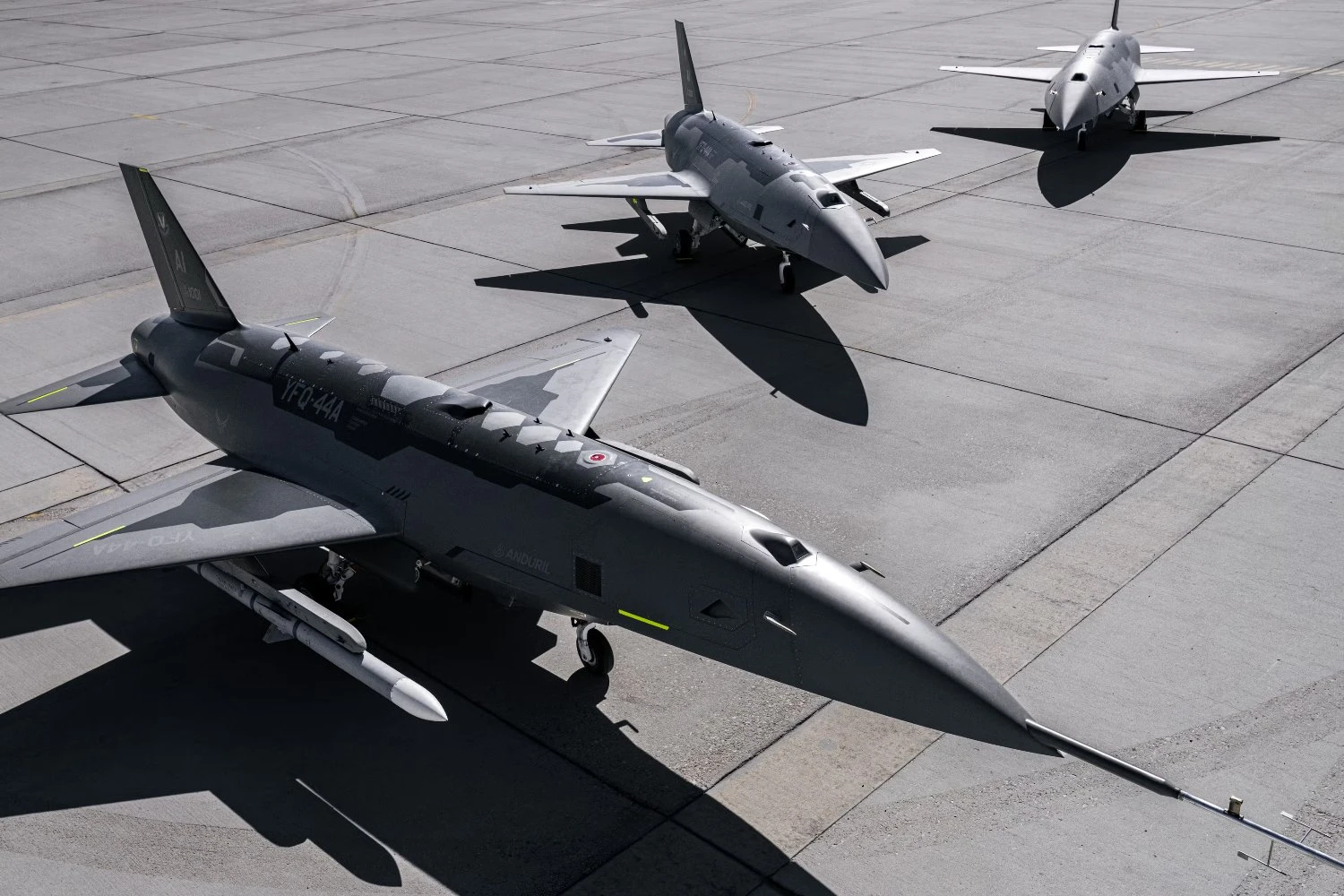
The US Air Force (USAF) has awarded production contracts for its first Collaborative Combat Aircraft (CCA), moving the program into a new phase that could reshape future air combat operations.
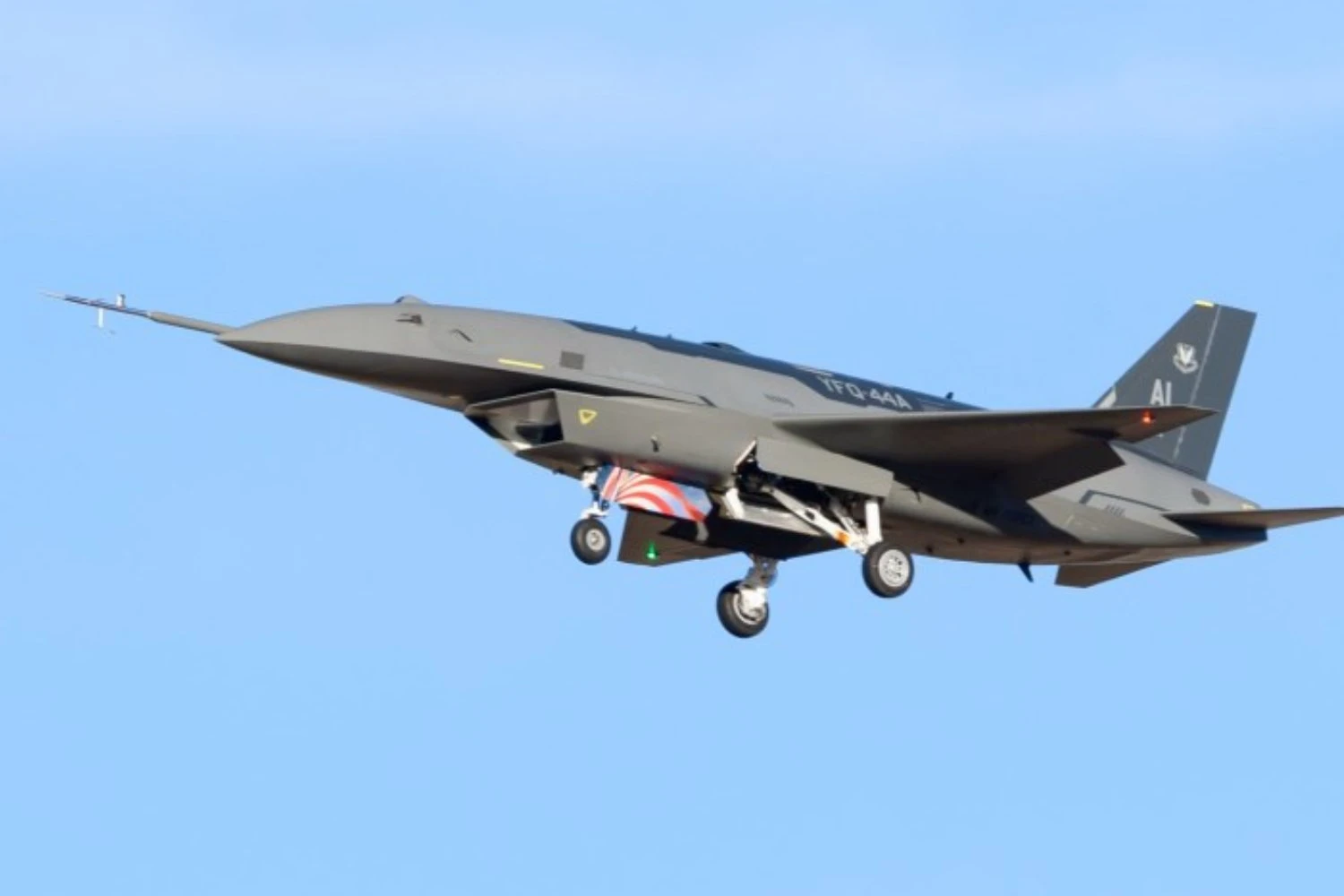
General Atomics and Anduril received engineering, manufacturing and production contracts for their respective aircraft, designated FQ-42A and FQ-44A. The decision comes months ahead of the original schedule and follows a competitive evaluation process that began in 2024.
Related news
September 15, 2026
September 04, 2026
The two aircraft were previously known as the YFQ-42A and YFQ-44A during the prototype phase. With the production award, they become the first aircraft to receive the new FQ designation, reflecting their role as uncrewed fighter platforms.
The Air Force said it intends to procure more than 150 combat-capable CCA aircraft by the end of the decade, with a long-term objective of fielding approximately 1,000 aircraft.
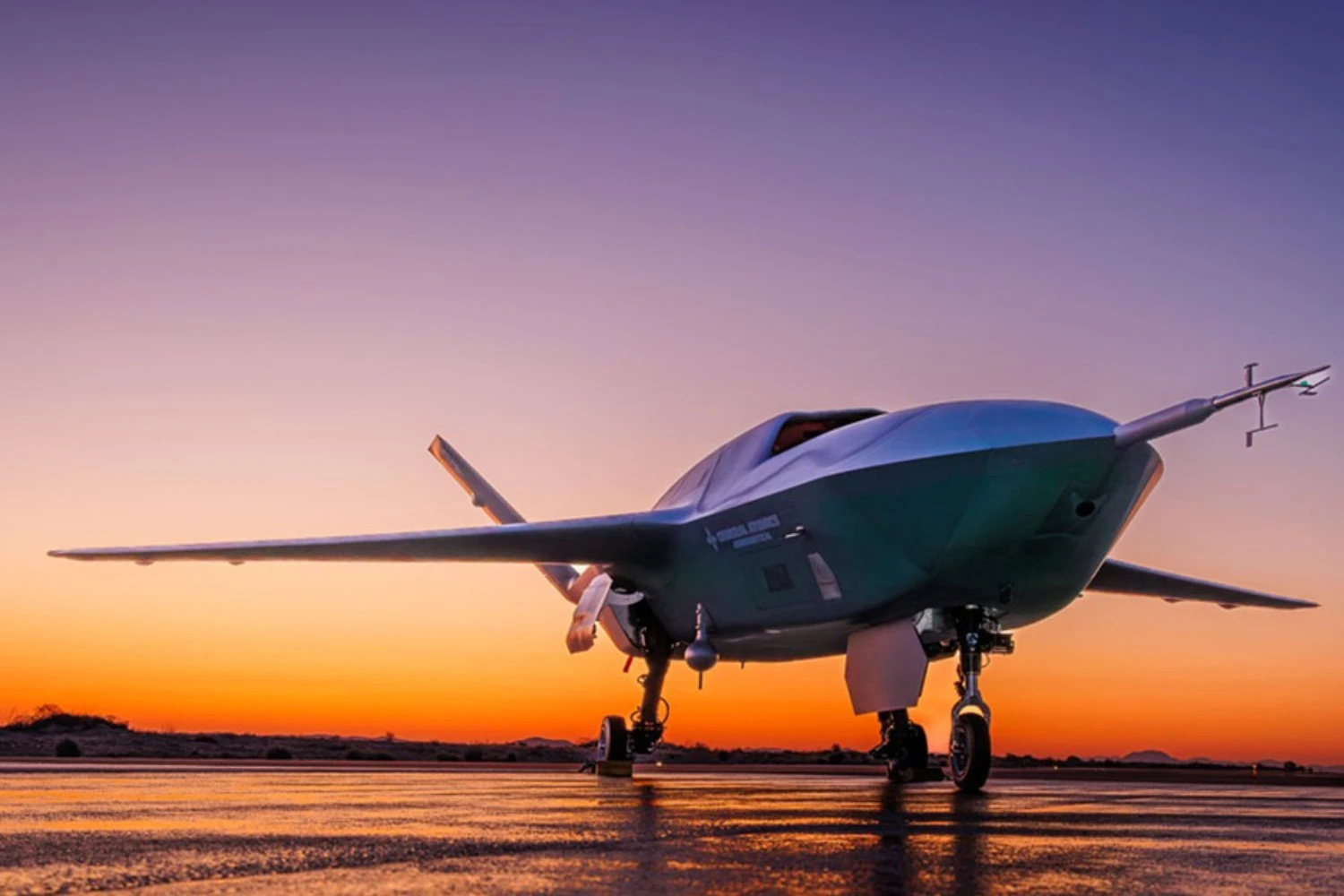
Designed to operate alongside crewed fighters, the aircraft are intended to perform missions that would traditionally require larger numbers of conventional combat aircraft. The concept emphasizes human-machine teaming, with pilots controlling or coordinating multiple autonomous aircraft during operations.
General Atomics said its FQ-42A completed its maiden flight in August 2025 after progressing from contract award to first flight in roughly 15 months. The company's design evolved from earlier experimental aircraft including the XQ-67A demonstrator developed with the US Air Force Research Laboratory.
Anduril's FQ-44A first flew in October 2025 and has since completed flight tests involving multiple mission configurations and weapons integration activities. The company said several aircraft are currently flying amid the development program.
Alongside the aircraft contracts, the Air Force launched a separate competition for mission autonomy software. Six companies were selected for a baseline contract pool: Anduril, General Atomics, Lockheed Martin, Northrop Grumman, RTX Collins Aerospace and Shield AI.
The service plans to keep software development separate from the aircraft themselves, allowing different autonomy systems to be integrated into different platforms through a government-owned open architecture known as the Autonomy Government Reference Architecture (A-GRA).
Three companies — Anduril, RTX Collins Aerospace and Shield AI — received additional awards to begin a six-month competition aimed at accelerating operational software development. The Air Force expects to select a primary autonomy provider for CCA Increment 1 by mid-2027.
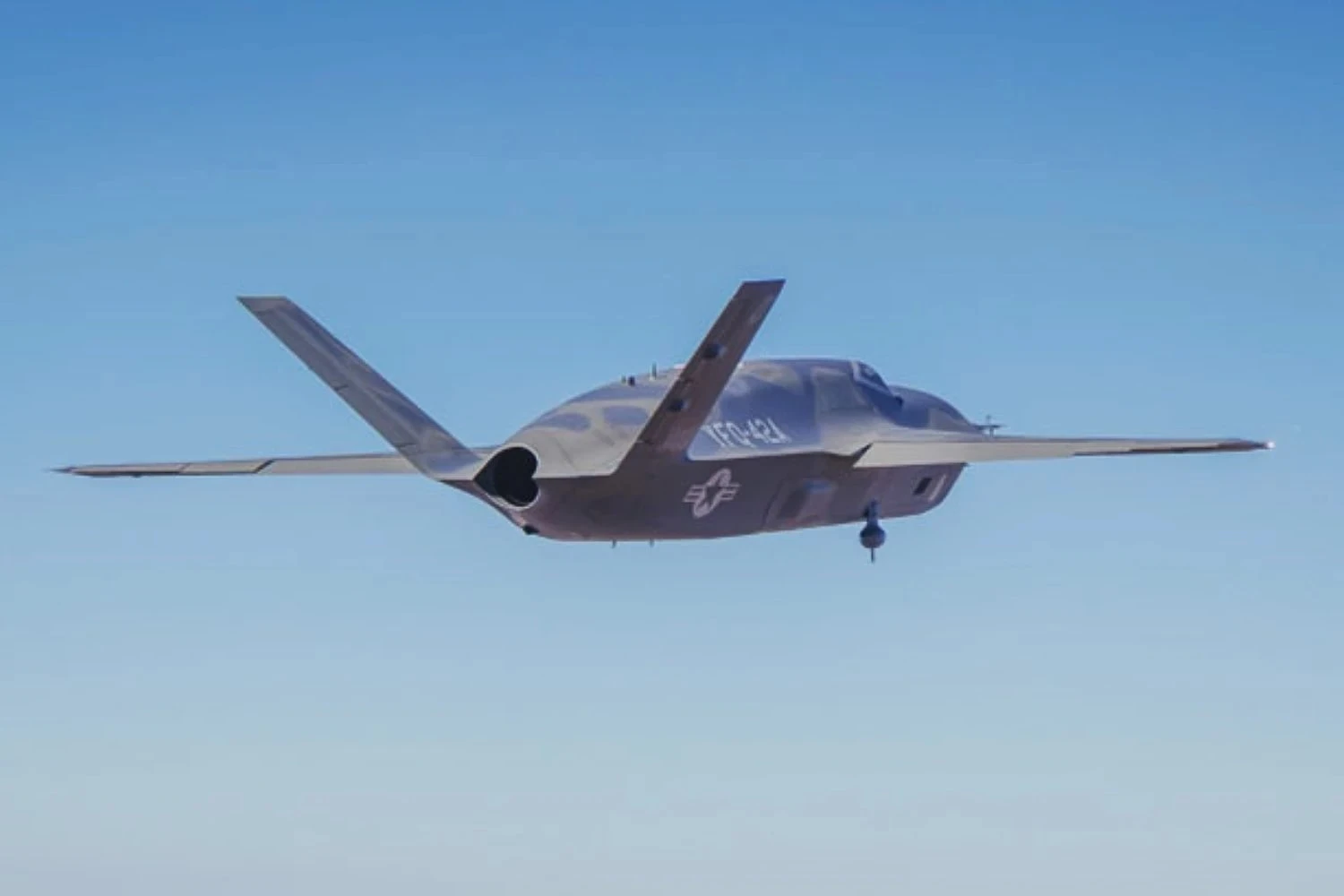
The CCA program is one of the US Air Force's largest modernization efforts and is expected to operate alongside future platforms such as the F-47 sixth-generation fighter and existing aircraft including the F-35 and F-22.