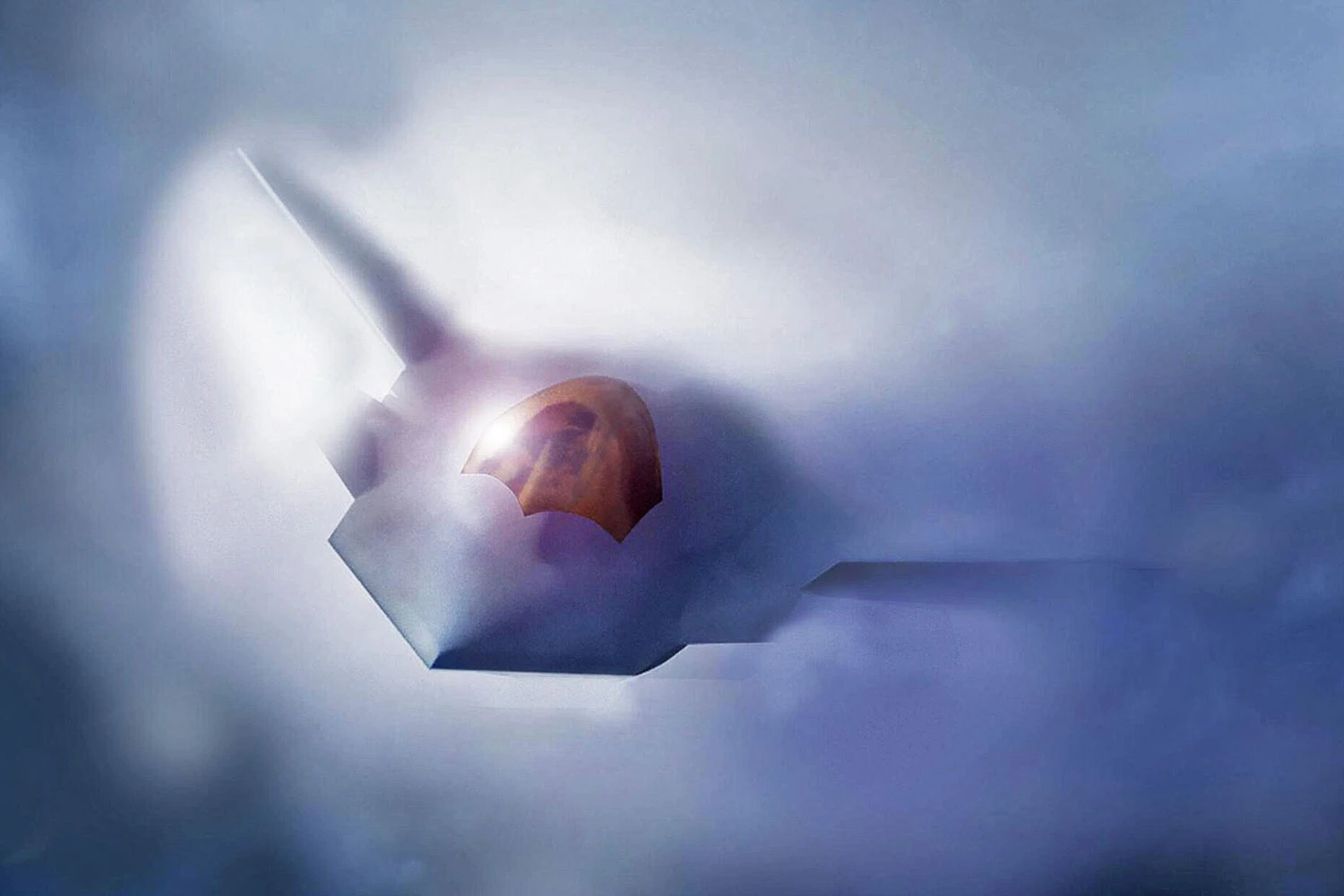
Israel intends to seek information from the United States about Boeing's F-47, according to Israeli media, in what would be a very early attempt to determine whether the country's next air-superiority fighter could eventually be made available to the Israeli Air Force.
The information was originally reported by Israeli news outlet Walla and subsequently published by the Jerusalem Post. There has been no announcement from the Israeli Ministry of Defense, the Israel Defense Forces or the US government confirming discussions about the aircraft.
Follow Air Data News: WhatsApp | Instagram | LinkedIn | Twitter | Facebook
According to Walla, Israeli defense officials want information about the F-47 and its capabilities, but also intend to assess US policy regarding possible foreign access to the program. No acquisition process has been reported, and the aircraft itself remains years away from operational service.
That distinction is important. Israel's immediate interest appears to be determining whether the F-47 will follow the precedent established by the F-22 Raptor, which the United States prohibited from export, or whether selected allies could eventually be offered versions of the new fighter.
The latter possibility has already been raised publicly. President Donald Trump said when the F-47 was announced in March 2025 that allied countries were interested in the aircraft and suggested the United States could offer them versions with reduced capabilities.
Japan has subsequently been mentioned as a possible participant or customer, although the extent to which Washington is actually prepared to provide access to the highly classified program remains unclear.
Long history with US fighters
An eventual Israeli interest in the F-47 would fit a relationship with US combat aircraft stretching back several generations.
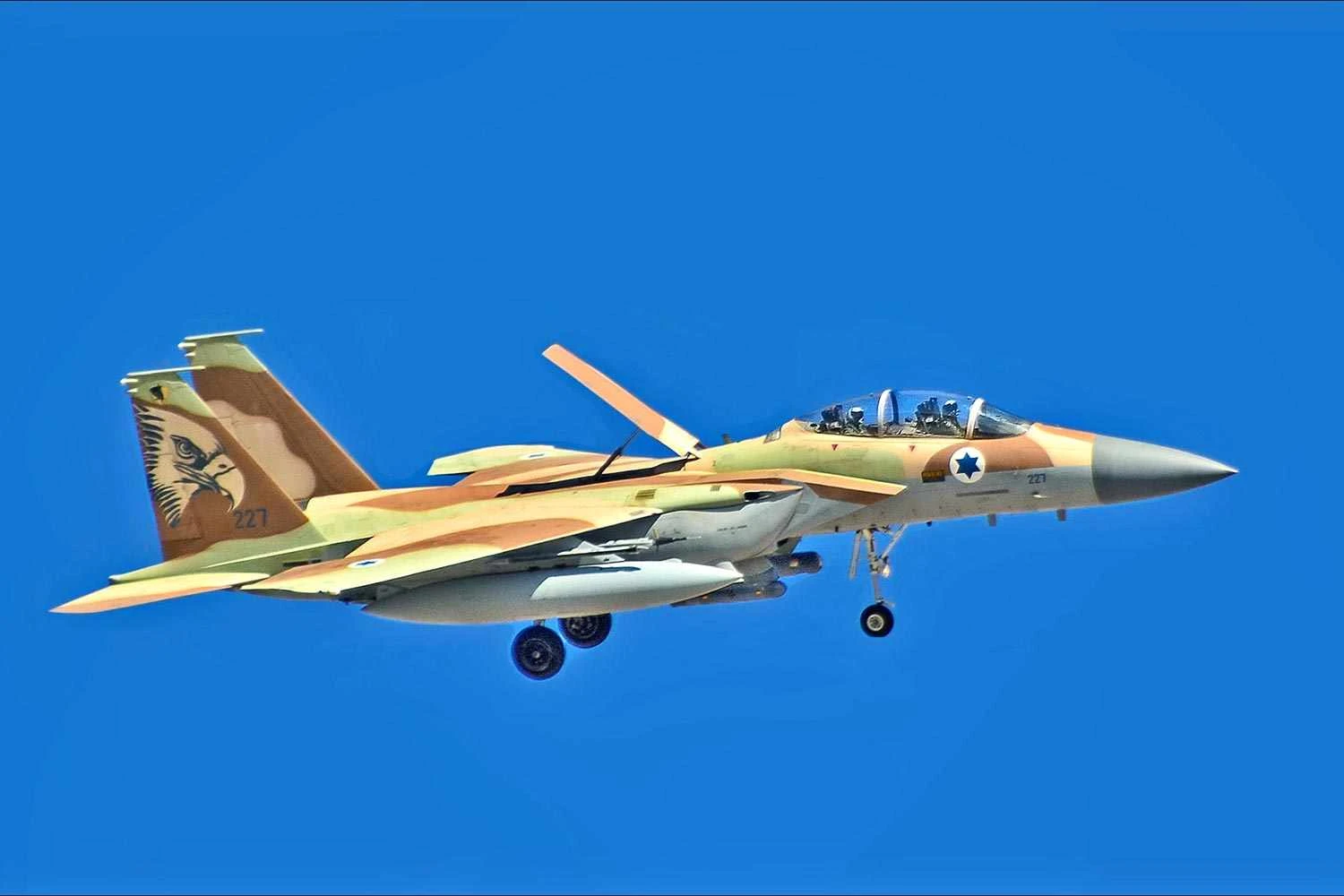
The Israeli Air Force has operated the F-15 since 1976 and became one of the most experienced foreign users of the type. Israel subsequently developed its own configurations, including the F-15I Ra'am, adapted for long-range strike missions.
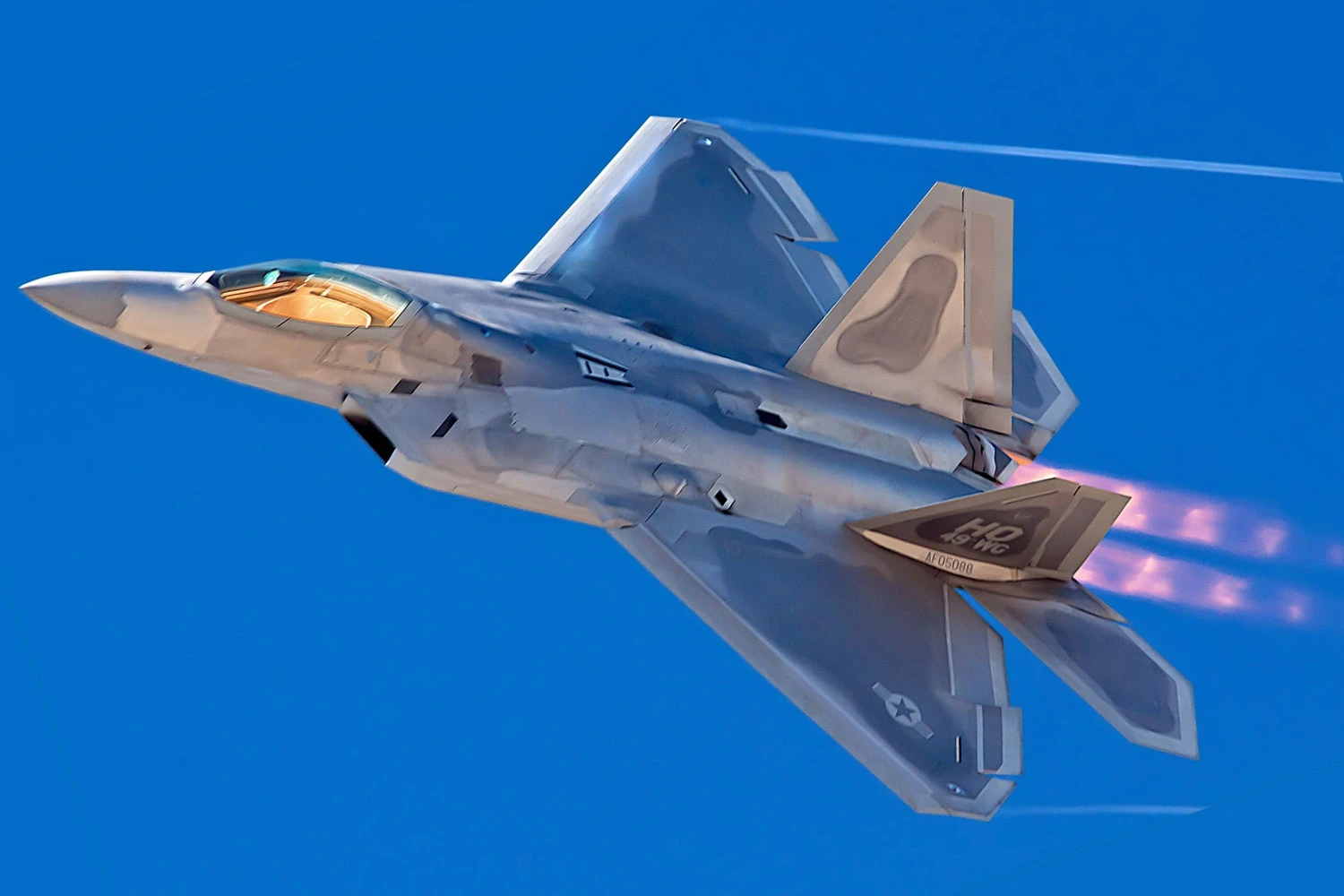
The F-22 was developed primarily to succeed the F-15C in the US Air Force's air-superiority role, but Israel never had the opportunity to acquire it. US law prohibited exports of the Raptor, including to Washington's closest allies, and all 187 production F-22As went to the US Air Force.
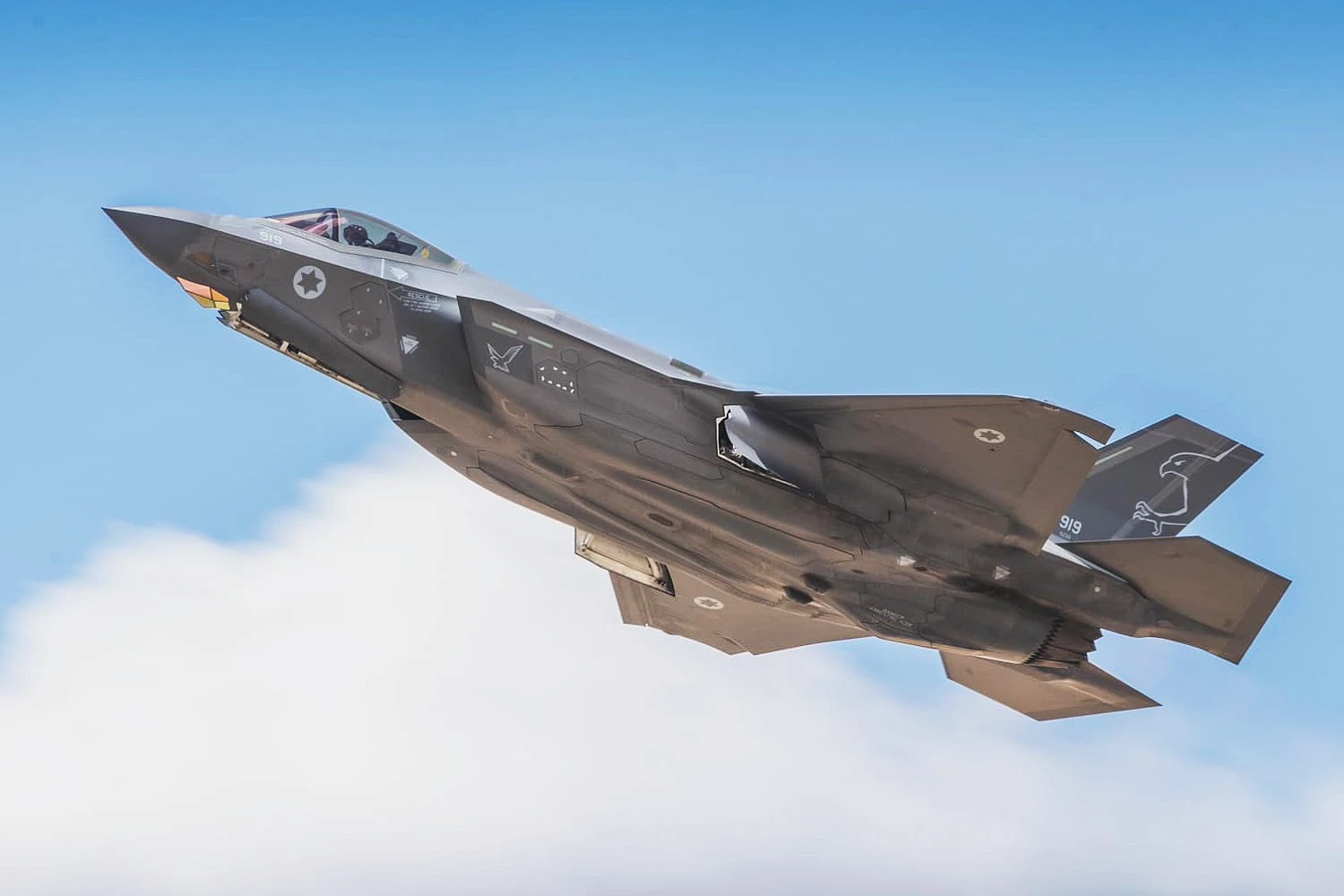
Israel received considerably greater latitude with the next American stealth fighter. Its F-35I Adir is based on the conventional-takeoff F-35A but incorporates Israeli equipment and allows the country an unusual degree of involvement in adapting the aircraft to its operational requirements.
The IAF became the first foreign service to declare the F-35 operational, in December 2017, and later the first to acknowledge using the aircraft in combat.
Recent news

September 21, 2026

September 21, 2026
September 21, 2026
Israel is also continuing to invest in conventional US fighters. It has additional F-35Is on order and selected the latest F-15IA, based on the F-15EX, for another major fleet acquisition.
F-47 still largely secret
The F-47 occupies a different position because very little about the aircraft has been publicly disclosed.
Boeing was selected in March 2025 to develop the crewed fighter component of the US Air Force's Next Generation Air Dominance program. The aircraft is intended eventually to succeed the F-22 and operate alongside Collaborative Combat Aircraft and other systems.
The US Air Force has said experimental NGAD demonstrators accumulated hundreds of hours of flight testing before Boeing received the engineering and manufacturing development contract. The production-representative F-47 itself is expected to fly for the first time in 2028.
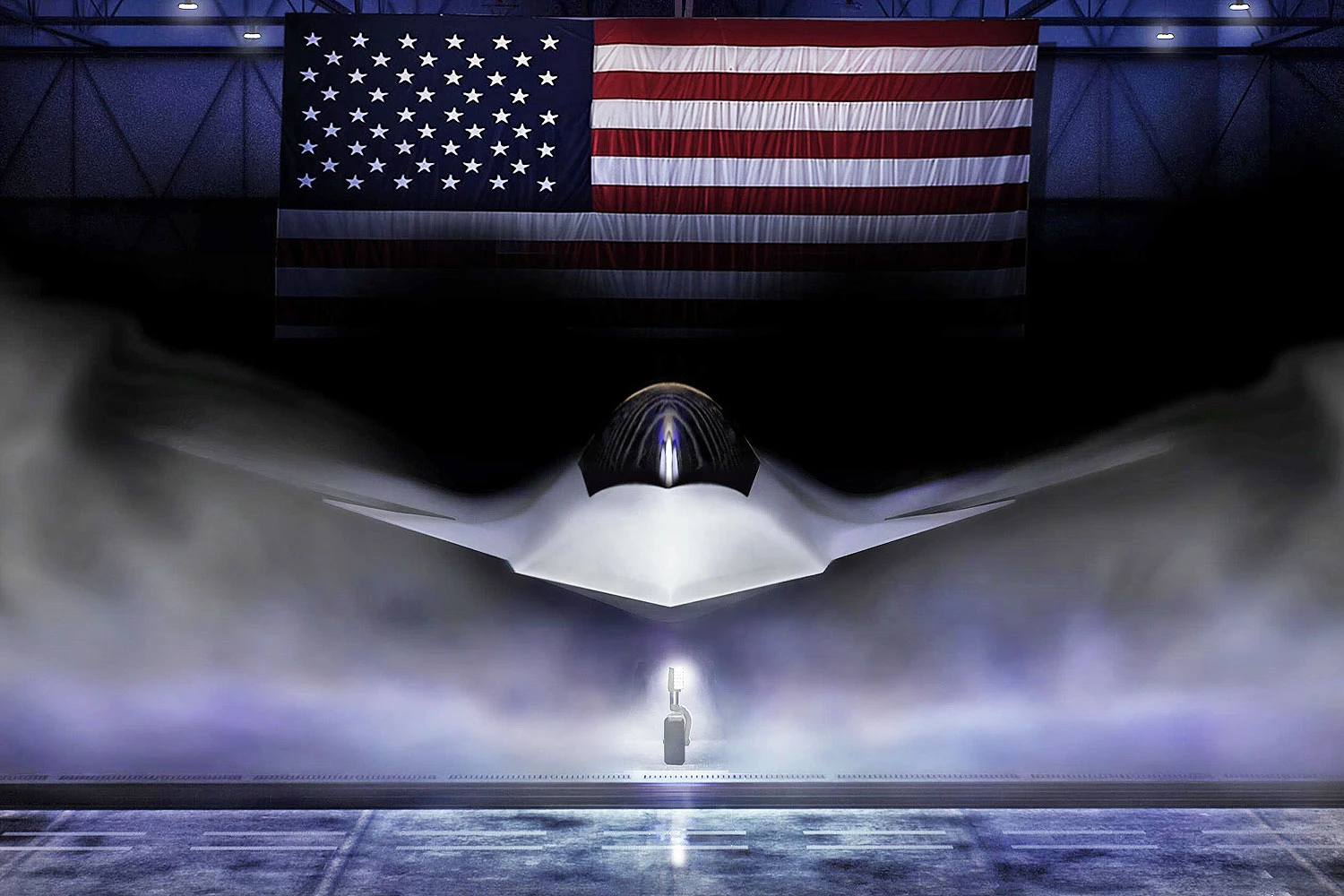
Its precise performance remains classified. Public information points to substantially greater range than the F-22, advanced stealth, new sensors and extensive connectivity with other aircraft and uncrewed systems.
Some of the technical claims contained in the Israeli reports should be treated cautiously. One passage describes an engine capable of producing thrust "without fuel," which is physically impossible and may be a mistranslation or reference to sustained high-speed flight without afterburner. Other claims concerning internally carried drones and possible remote operation of the F-47 have not been confirmed by the US Air Force.