 Air Transport
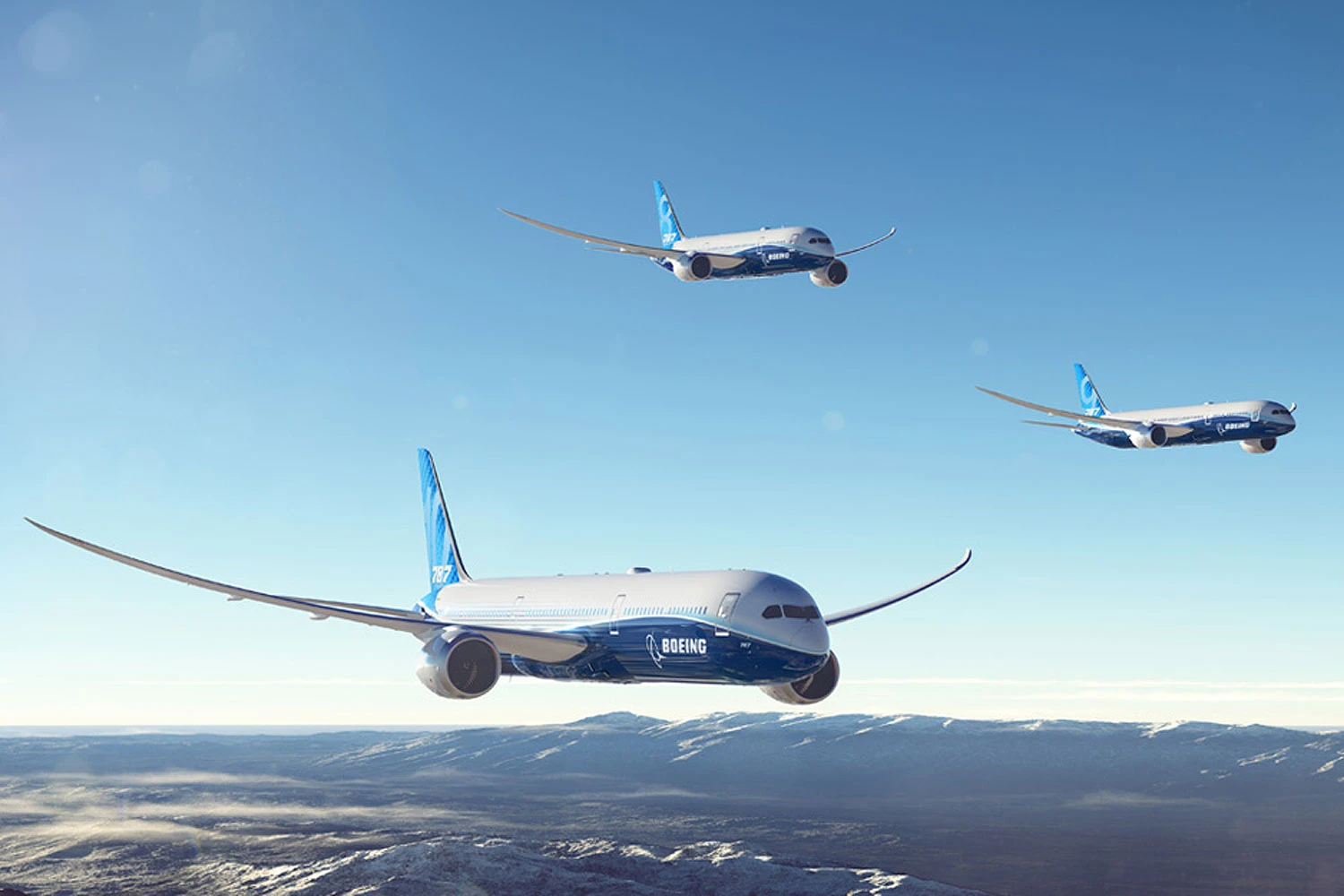
Thursday morning’s Air India crash near Ahmedabad ended the flawless safety record of the Boeing 787 Dreamliner – the most advanced commercial airliner alongside the Airbus A350.
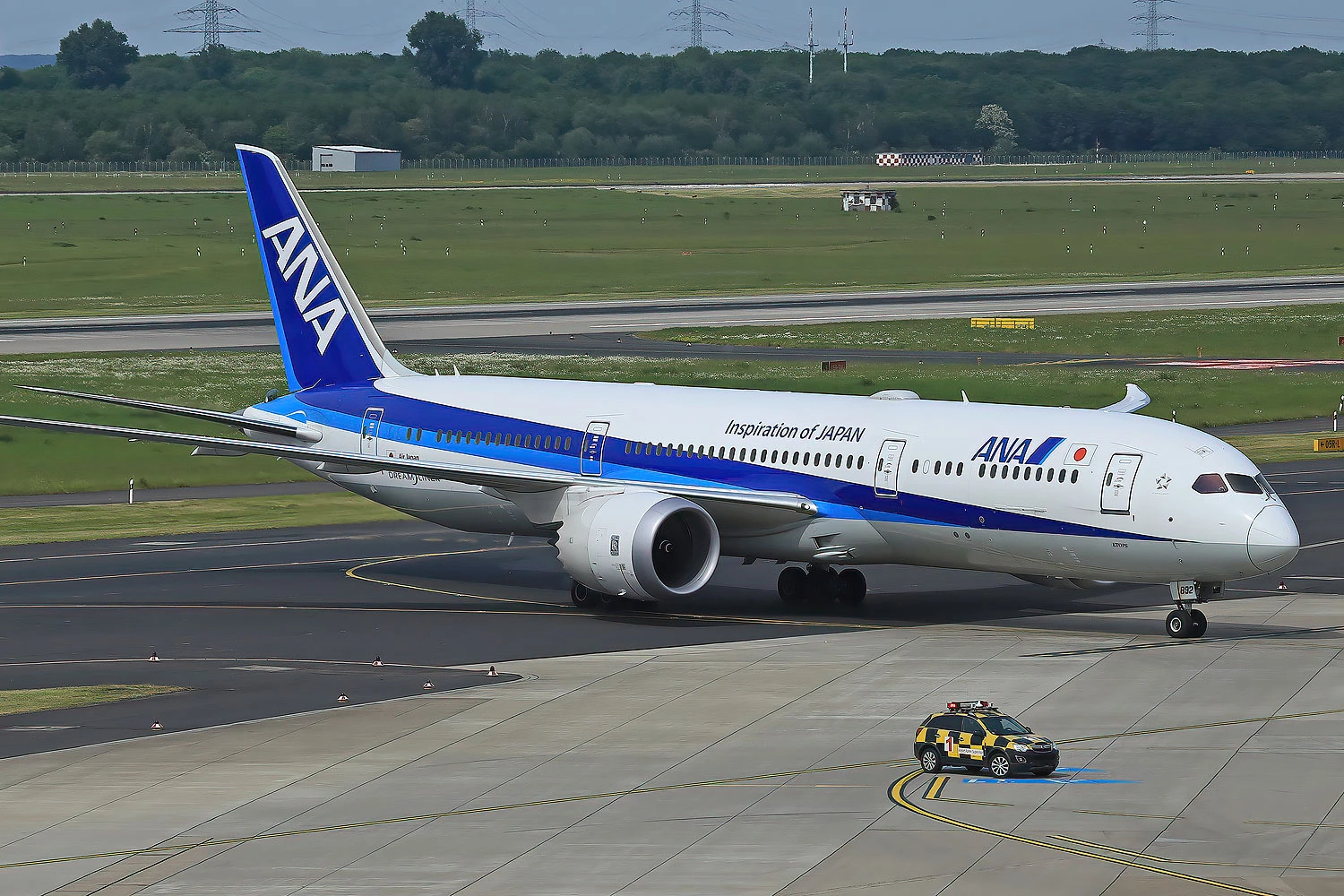
Since its introduction into service by All Nippon Airways in 2011, the widebody jet, developed in the early 2000s, had never experienced a fatal crash.
About 1,200 787s are in operation today across the 787‑8 (the variant involved in the crash), 787‑9, and 787‑10 models.
According to Boeing, these aircraft have logged nearly 5 million flights and more than 30 million flight hours. Over a billion passengers have flown on this fleet, the company reported in early June.
Boeing still has 948 outstanding orders for the 787, produced at its Charleston, North Carolina plant.
Advanced design
The 787 was the last Boeing commercial aircraft designed from a clean sheet, unlike current programs based on existing platforms like the 777X.
Initially branded the “7E7” in 2003 after Boeing abandoned the ambitious Sonic Cruiser project, the program officially launched a year later with a 50-aircraft order from ANA.
The goal was to introduce a widebody successor to the successful 767 that would offer enhanced passenger comfort and improved operational efficiency for airlines.
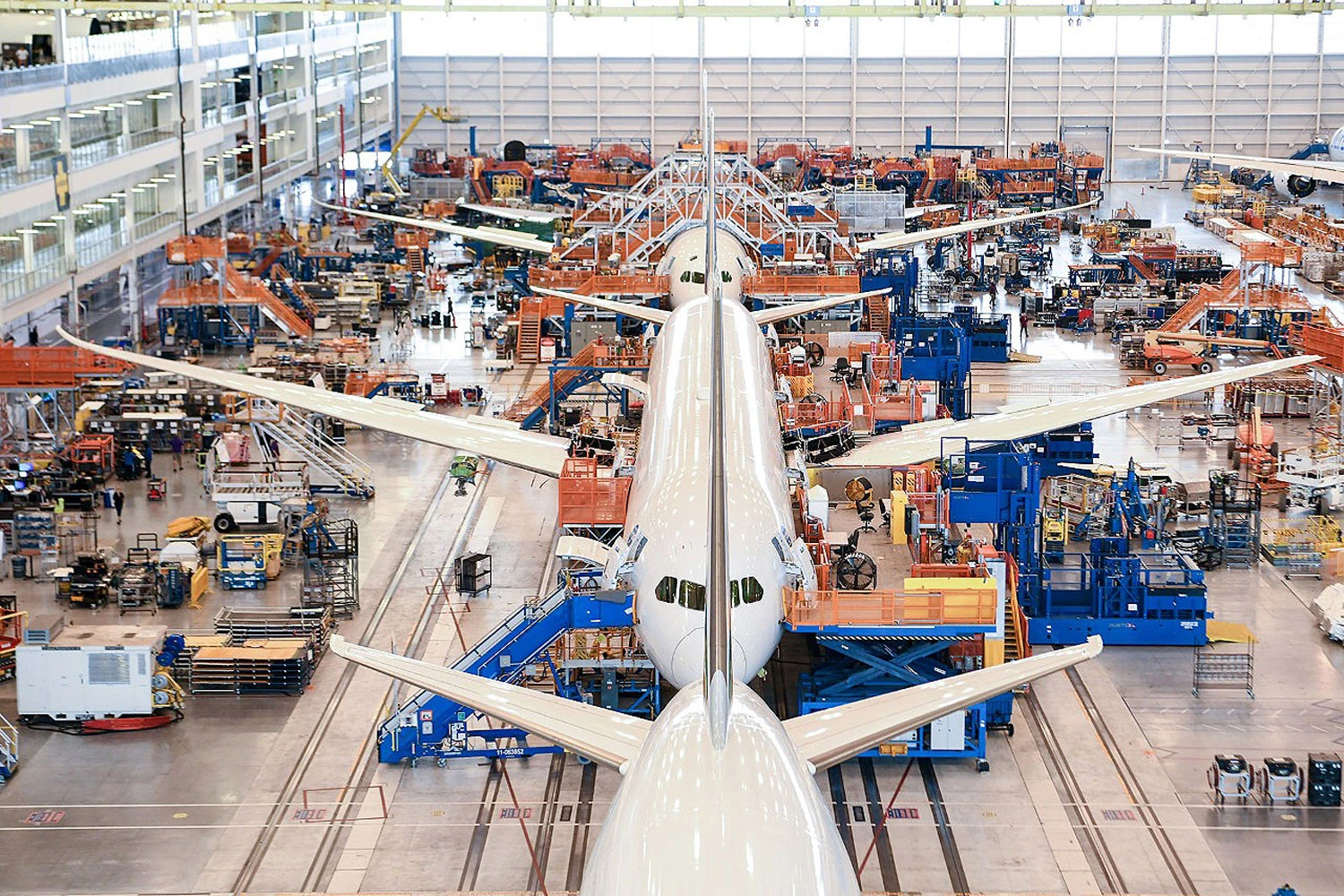
Key innovations included a largely composite fuselage, redesigned wings, more advanced and fuel-efficient engines, and the latest avionics.
The main cabin windows were made significantly larger, and the pressurization system was revamped to enhance passenger comfort.
The first Dreamliner flew in December 2009, with its commercial debut coming only 22 months later.
A rocky start
However, the aircraft’s early years were beset by delays and technical problems, including incidents of lithium-ion batteries melting onboard.
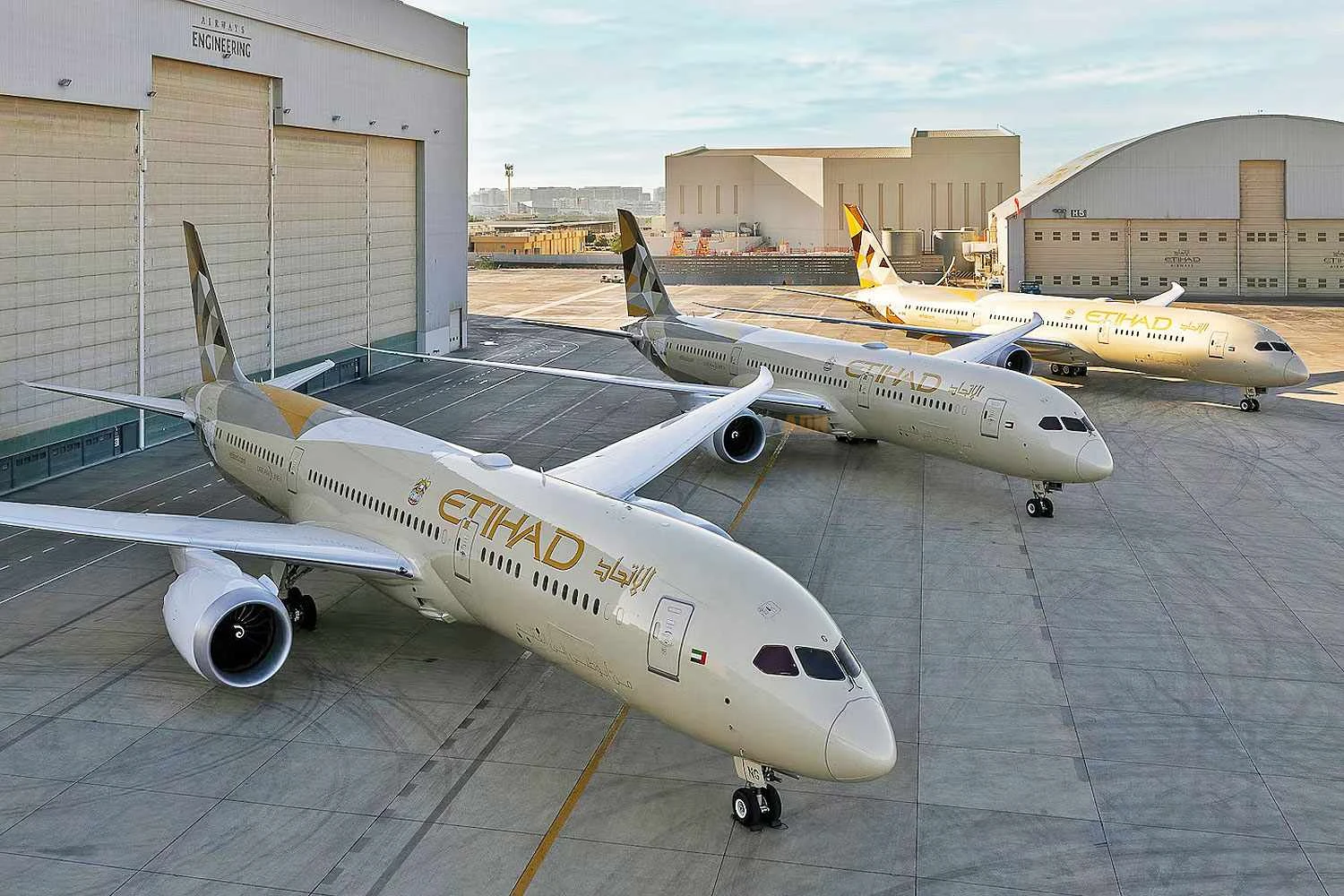
Despite these setbacks such as assembly line defects, engine issues, and extended ground time, the 787 gradually gained traction with airlines.
Over 14 years of operation without a fatal accident, the Dreamliner has demonstrated the accuracy of its design—though the reasons behind the recent crash in India must be investigated thoroughly to implement any necessary improvements.