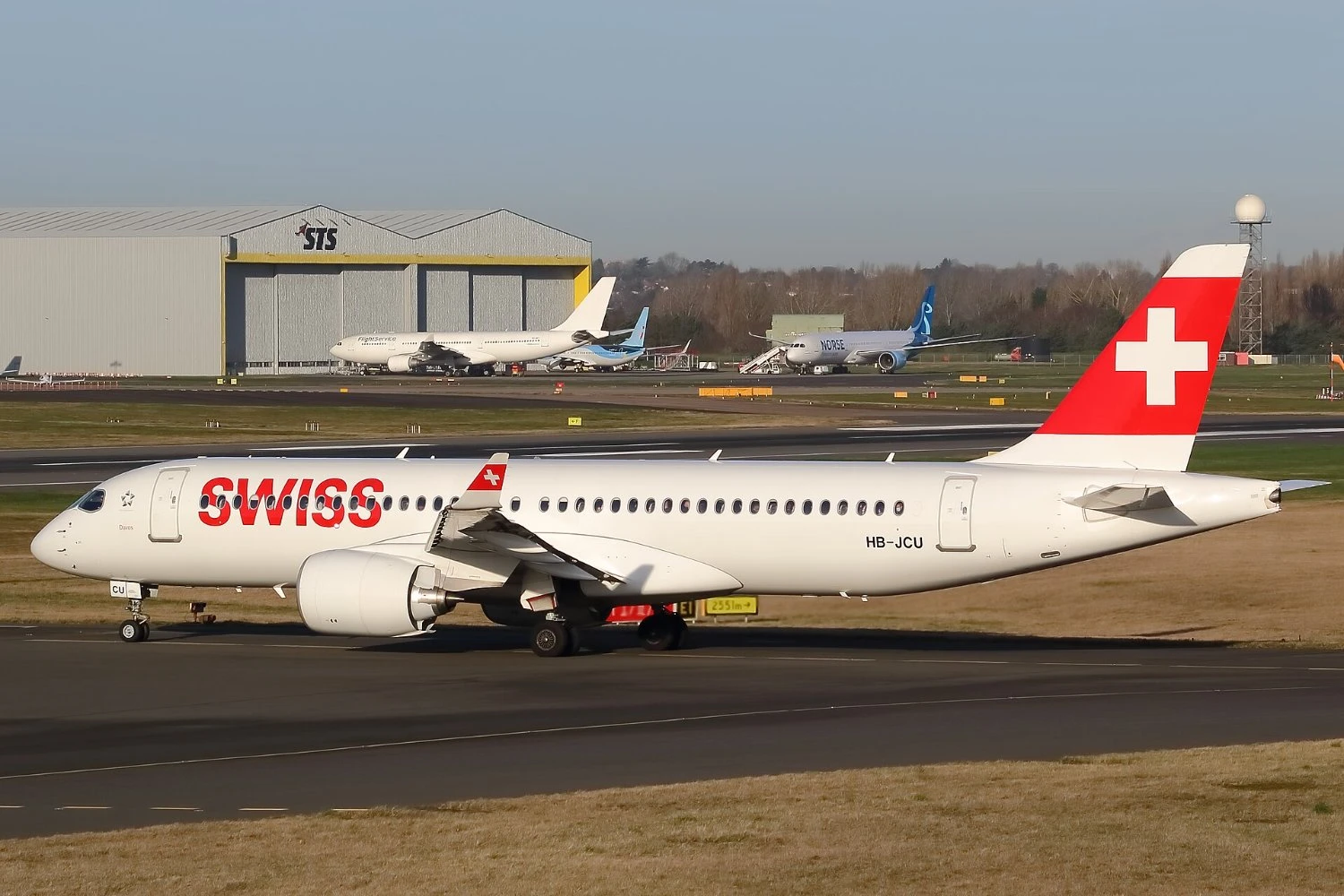
SWISS plans to eventually remove the Airbus A220 entirely from its fleet, a notable decision from the airline that introduced the aircraft into commercial service and has more experience with the type than any other operator.
The Swiss carrier had already decided to retire its nine A220-100s, but the plan now extends to its 21 larger A220-300s. Unlike the smaller variant, however, the -300s are not about to disappear: SWISS expects them to remain in service into the 2030s.
Follow Air Data News: WhatsApp | Instagram | LinkedIn | Twitter | Facebook
Chief Financial Officer Dennis Weber disclosed the long-term plan as SWISS presented its nine-month financial results. The airline intends to simplify its European fleet around the Airbus A320 family rather than continue operating two different narrowbody families.
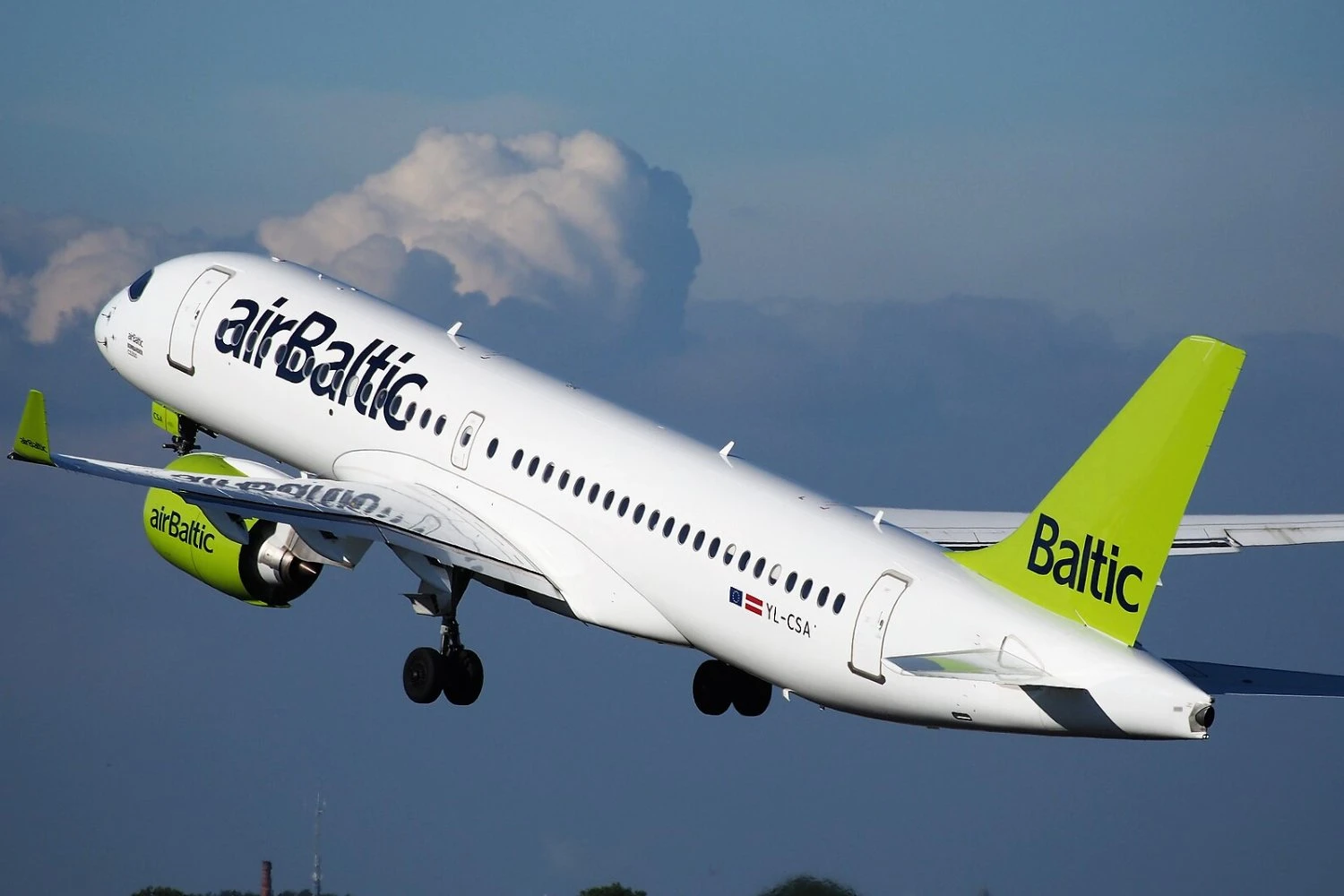
The decision is particularly significant because SWISS has flown the A220 longer than anyone else. It became the launch operator of the Bombardier CSeries, as the aircraft was originally known, and operated the world's first commercial CS100 flight between Zurich and Paris on July 15, 2016.
SWISS subsequently became one of the most experienced operators of both versions of the aircraft. Airbus acquired the program from Bombardier and renamed the CS100 and CS300 as the A220-100 and A220-300 in 2018.
A220-300s have no immediate retirement date
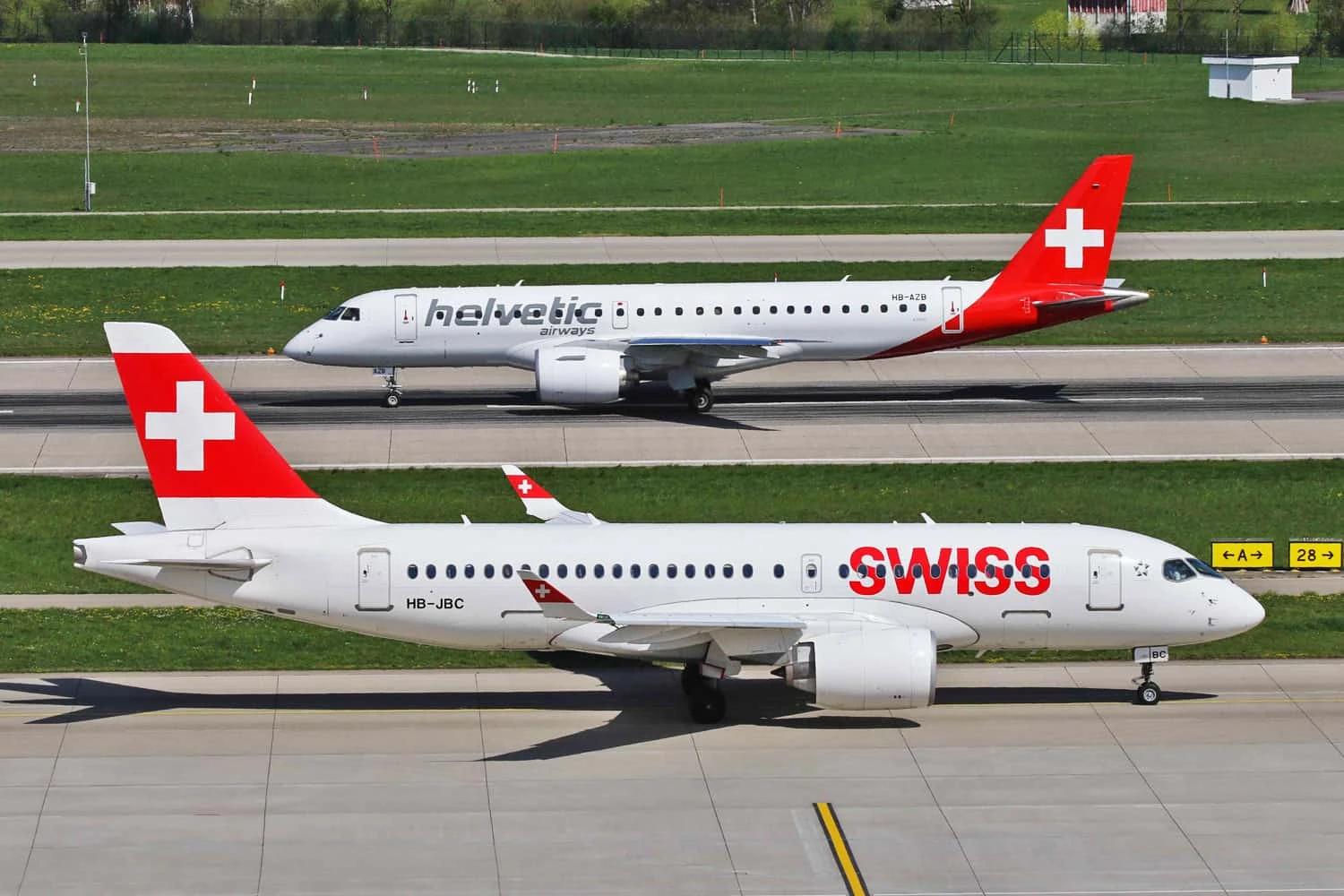
The smaller A220-100s are already on their way out. SWISS plans to operate only four of them during the 2027 summer season and withdraw the remaining aircraft with the start of the 2027/28 winter schedule.
The future of the 21 A220-300s is much less immediate. Weber indicated that their withdrawal is a question for the 2030s, without giving a specific date.
“They are definitely not yet at an age where they need to be phased out,” Weber said. “They can continue to be operated.”
Related news
November 02, 2026
October 30, 2026
SWISS cited fleet complexity as the main reason for the longer-term decision. Keeping the A220 alongside the A320 family requires separate pilot training, spare parts and maintenance qualifications. Weber nevertheless said the A220 is a good aircraft and is well regarded by both passengers and crews.

The airline has also faced persistent availability problems with the Pratt & Whitney PW1500G engines that power its A220s. Engine shortages played an important role in the earlier decision to retire the A220-100s, with some aircraft used as a source of engines and other components for the larger -300 fleet.
SWISS will examine what to do with the A220-300s once they leave its fleet. Weber said the relatively young aircraft could continue operating elsewhere within the Lufthansa Group or be placed with other airlines.
Lufthansa Group still betting on A220
SWISS's decision does not mean the Lufthansa Group is abandoning the A220.
The group has ordered 40 new A220-300s, with options for another 20, primarily for Lufthansa City Airlines. The regional carrier is preparing to introduce the type as part of its fleet renewal program.
Its first A220-300 is already in production in Canada, with commercial service expected to begin in early 2027. The new aircraft will gradually replace older regional jets and complement City Airlines' Airbus A319 and A320-family fleet.