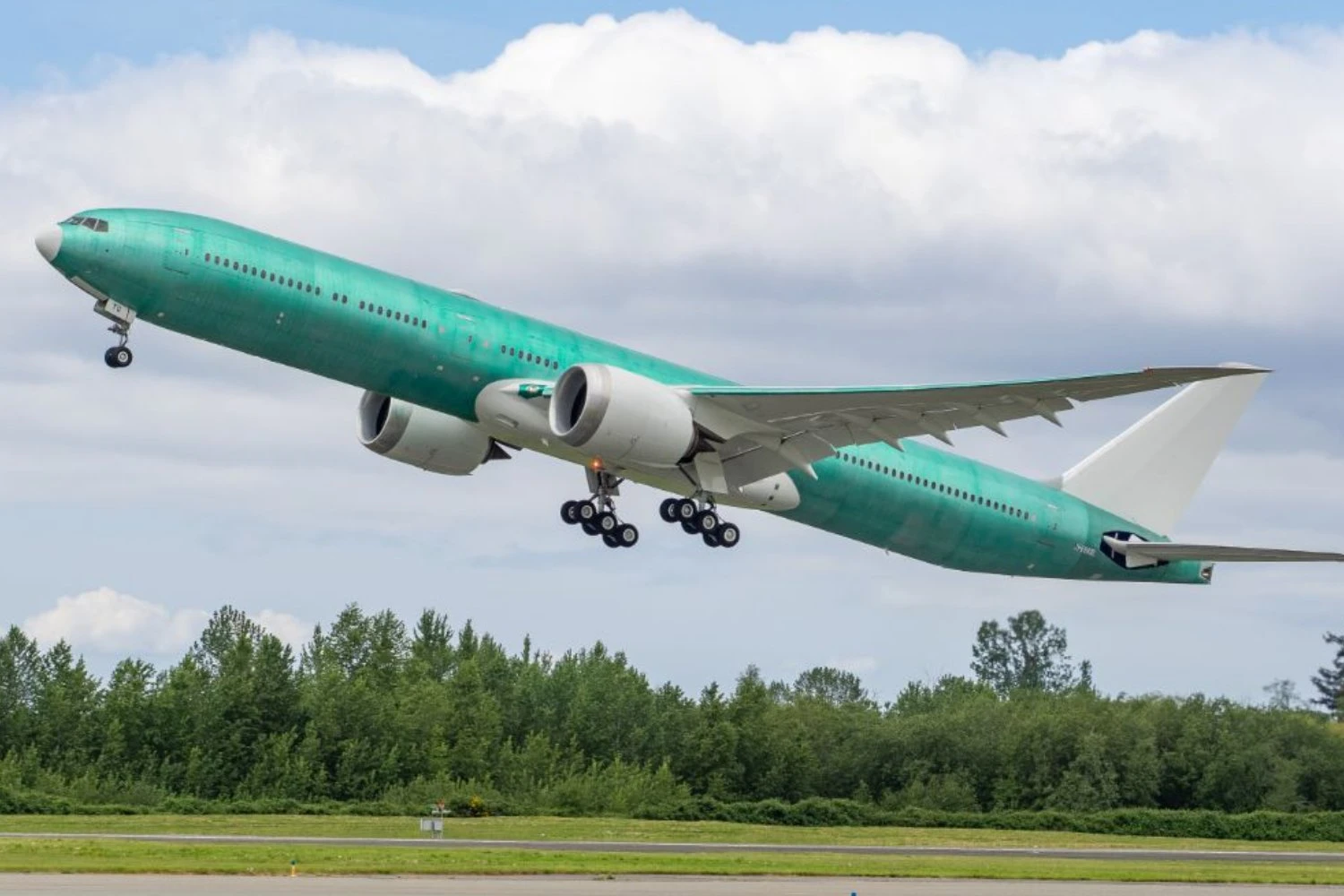
The Boeing 777X has not lost the confidence of two of its largest customers. Emirates and Lufthansa remain firmly committed to introducing the new widebody, with both expecting their first deliveries in 2027.
What has changed is their willingness to accept some of the earliest production aircraft built years before the 777-9 reaches certification.
Related news
September 21, 2026
September 21, 2026
The unusual situation is one of the clearest illustrations of how the program's prolonged delays have reshaped Boeing's production strategy. Aircraft assembled between 2019 and 2021 have spent years in storage while the 777X continued to evolve through certification testing, engineering changes and manufacturing refinements. Before they can enter airline service, those jets now require extensive "change incorporation" work to bring them to the final certificated standard.
Rather than rejecting the 777-9 itself, Emirates and Lufthansa are questioning whether those oldest aircraft remain commercially attractive after years of storage and increasingly complex modification work.
Seven years of delay created an unprecedented problem
When Boeing launched the 777X in 2013, the company expected certification and deliveries to follow relatively quickly after production began. The first production aircraft started moving down the assembly line in 2019, when entry into service was still expected in 2020.
Instead, certification stretched on for years.
Follow Air Data News: WhatsApp | Instagram | LinkedIn | Twitter | Facebook
As flight testing progressed, regulators required additional work and Boeing continued introducing engineering and production changes across the program. Aircraft that had already been assembled no longer reflected the latest production configuration.
During Boeing's first-quarter 2026 earnings call, CEO Kelly Ortberg acknowledged the scale of the challenge. He said approximately 30 already-built 777s would undergo change incorporation over several years before delivery.
Ortberg also explained that the amount of work varies significantly depending on when each aircraft was built.
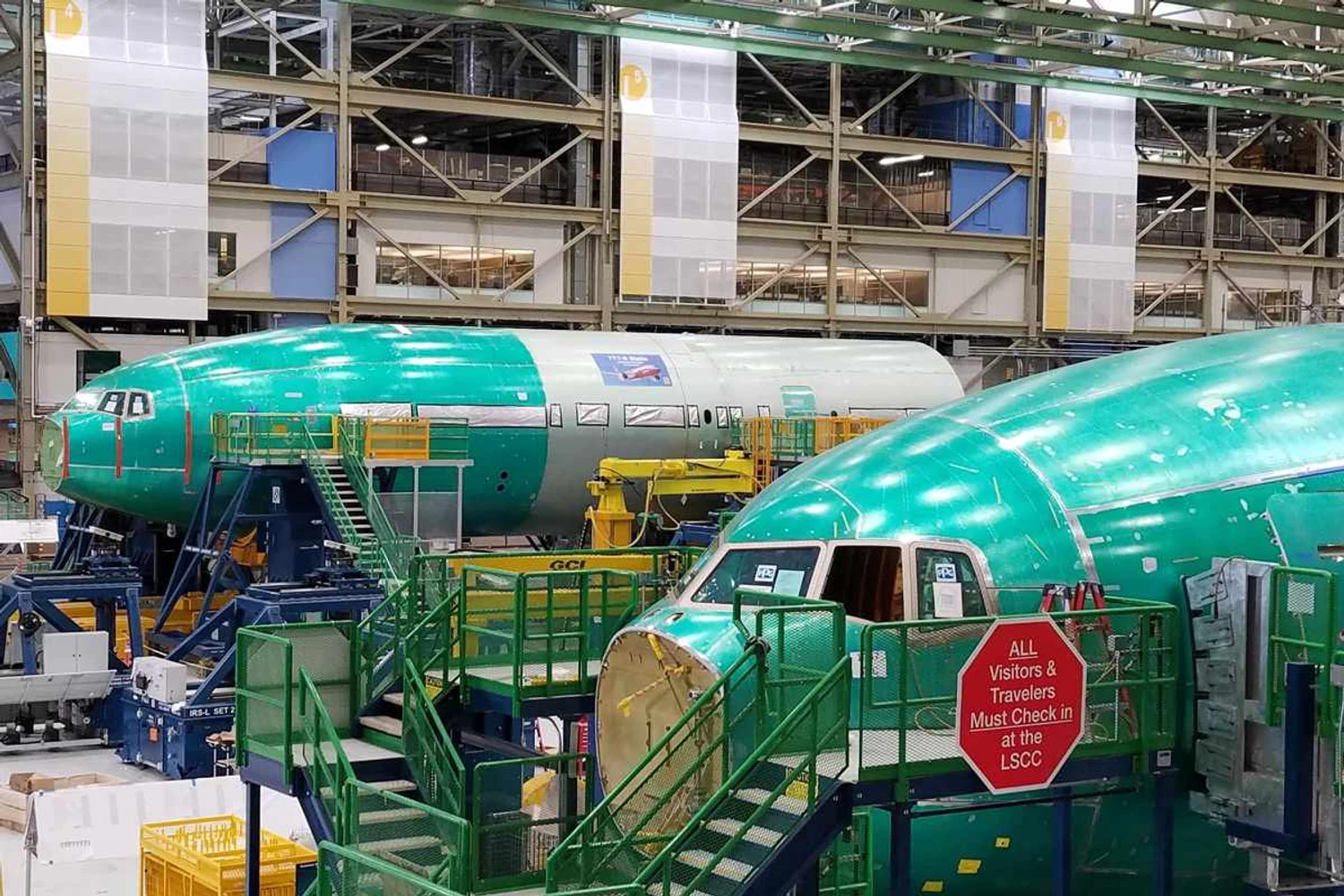
"The older airplanes require more change incorporation, including structural changes," he said, while newer aircraft require substantially less rework.
Separately, Aviation Week later identified 39 stored early-build 777-9 aircraft at Everett. The publication's figure shows a count of aircraft built before certification, while Ortberg referred to an approximate number of aircraft expected to undergo Boeing's modification campaign. The two figures describe related, but not necessarily identical, groups of airplanes.
Unlike routine maintenance after long-term storage, change incorporation involves updating aircraft to reflect years of engineering changes introduced after their original assembly. Depending on the aircraft, the work can include structural modifications, systems updates and engine-related changes. Boeing has established a dedicated team separate from the normal production line to perform those upgrades.
Emirates draws a line
No airline has been more outspoken than Emirates.
Speaking during the Farnborough Airshow in July, Emirates President Sir Tim Clark confirmed that the airline will not accept its first ten 777-9s.
"We are not taking them. We have told Boeing," Clark said.
According to Aviation Week, those aircraft were built between 2019 and 2021—three in 2019, four in 2020 and another three in 2021.
Clark noted that he visited the first completed Emirates aircraft in July 2019, when deliveries were still scheduled to begin in April 2020. If that same aircraft were delivered in 2027, it would have been built roughly eight years earlier.

In his view, bringing those jets up to the latest standard would require extensive rework affecting both the airframe and the engines.
Clark also suggested that such aircraft would have limited commercial appeal, remarking that they might only attract buyers at something like US$10 million. The comment appeared intended to illustrate how much value the earliest examples may have lost rather than provide a formal market valuation.
Despite rejecting those specific aircraft, Emirates remains fully committed to the 777X program. Following its additional order for 65 777-9s announced in November 2025, the airline now has 270 aircraft from the 777X family on order, making it by far the program's largest customer.
The carrier expects its first aircraft built to the latest production standard to arrive during the second quarter of 2027.
One aircraft never made it that far
The fate of one Emirates aircraft demonstrates how far Boeing has been willing to go when evaluating the oldest airframes.
In July 2026, The Air Current revealed that Boeing had dismantled aircraft WH007, manufacturer serial number 61950, line number 1611, originally built in 2019 for Emirates and associated with the future registration A6-EZT.
The aircraft never flew and spent roughly six years stored at Everett before being dismantled near the end of the summer of 2025, according to the publication.
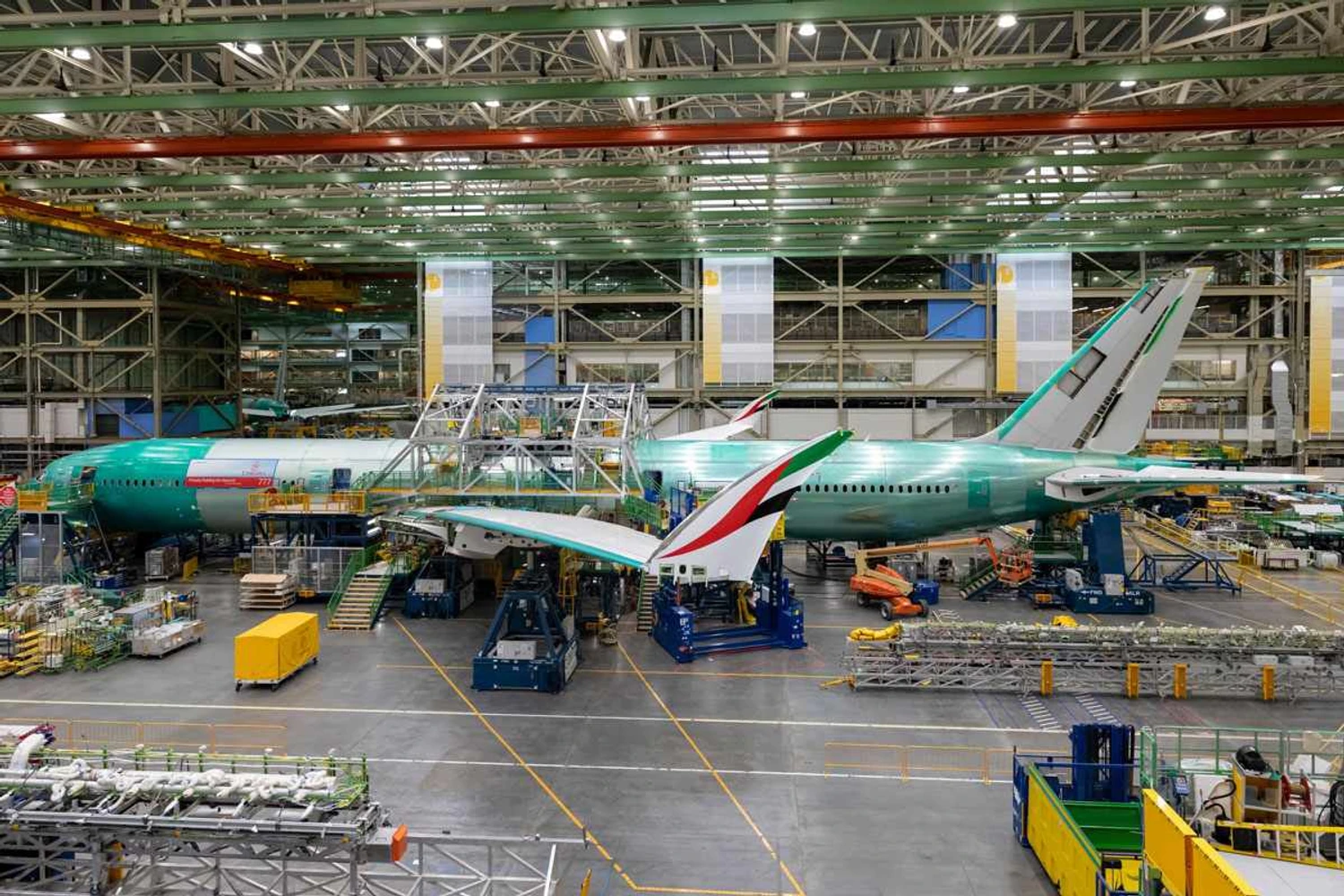
Boeing later confirmed to The Air Current that it had decided not to complete one partially assembled 777-9 and that the decision had already been accounted for within previously recognized program costs.
Recent news
September 21, 2026
September 21, 2026
September 21, 2026
WH007 therefore represents more than a stored aircraft awaiting upgrades. It became the first known production 777-9 abandoned before certification, suggesting Boeing concluded that completing and updating that particular airframe no longer made economic sense.
That does not mean other early-build aircraft face the same outcome. Boeing continues planning to modify many of them for eventual delivery, depending on the complexity and cost of each individual aircraft.
Lufthansa takes a different approach
Lufthansa has adopted a less absolute position.
Speaking to Aviation Week on August 6, Lufthansa Group CEO Carsten Spohr confirmed the airline is negotiating with Boeing over which early-built aircraft should be accepted.
"We are in talks with Boeing [on] which airplanes we will not accept for commercial service and which aircraft can be modernized with a financial contribution of Boeing."
His comments indicate two categories are under discussion.
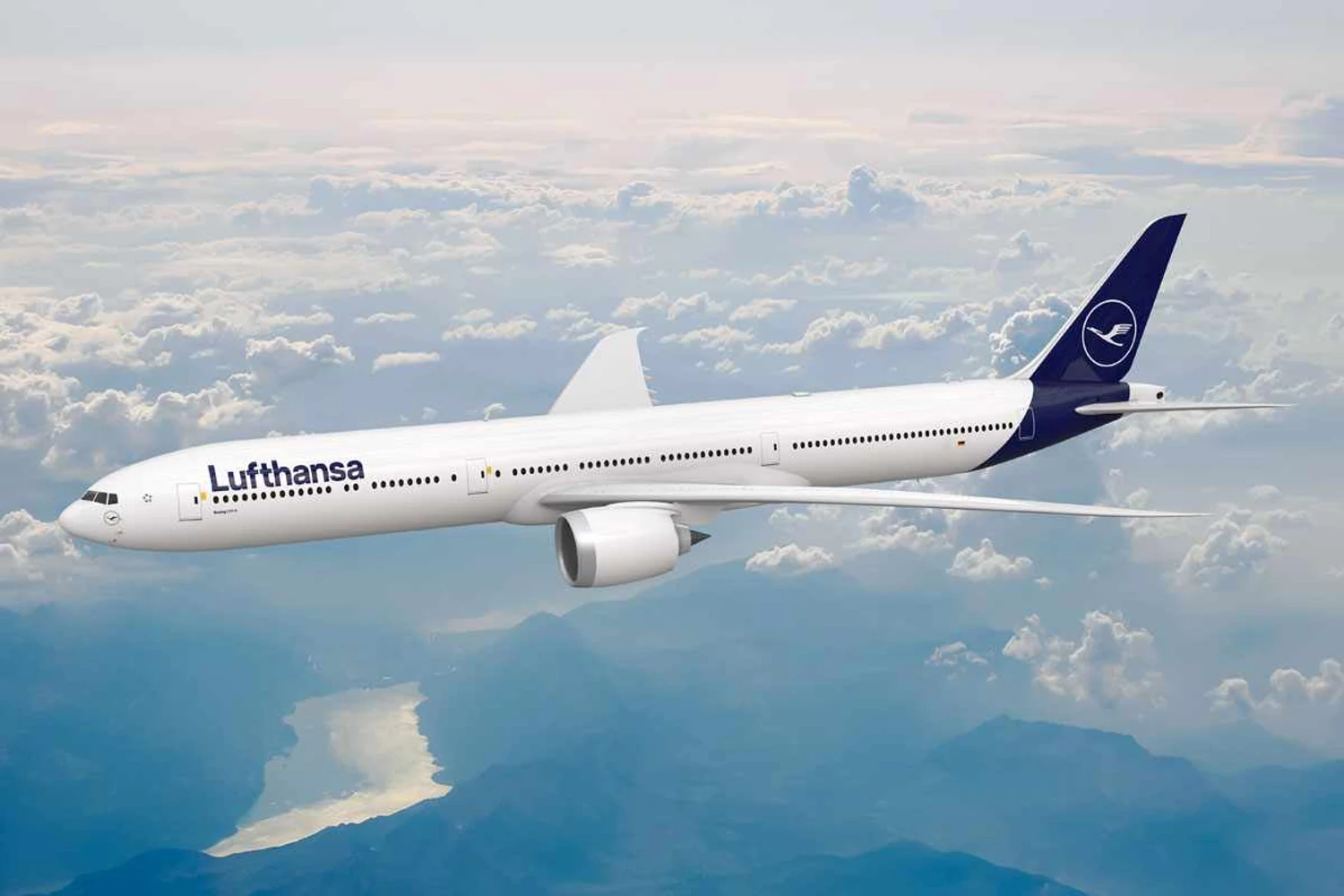
Some aircraft may never enter Lufthansa's commercial fleet, while others could still be accepted if Boeing contributes financially to offset the additional work and any resulting reduction in value.
Spohr did not disclose how many aircraft fall into each category.
Lufthansa continues planning to introduce the 777-9 into service beginning in 2027 and maintains firm orders for 20 aircraft plus options for another 24.
Why age matters
From a certification standpoint, Boeing's objective is straightforward: every delivered aircraft must comply with the same approved type design.
Commercially, however, the equation is more complicated.
An aircraft assembled eight years before entering service is not necessarily viewed the same as one built immediately before delivery, even if both ultimately receive identical certification.
The oldest production aircraft were assembled before Boeing finalized the manufacturing standard now emerging through certification. Updating them requires extensive engineering work that grows more complex the earlier an aircraft was built.

The result is higher rework costs for Boeing, additional time before delivery, possible differences in production history compared with newer aircraft, questions surrounding residual value and the need for commercial negotiations between manufacturer and customer.
Those concerns explain why Emirates and Lufthansa are focusing on the oldest airframes rather than the 777-9 itself.
A consequence of unprecedented delays
The early-build debate has become another consequence of one of the longest certification delays experienced by a modern commercial aircraft program.
Boeing originally built those aircraft expecting them to be delivered shortly after certification. Instead, years of regulatory work transformed part of that inventory into products assembled to an outdated production standard.
Emirates and Lufthansa are therefore delivering essentially the same message.
Both still want the 777-9.
They simply do not necessarily want the first 777-9s Boeing built for them.