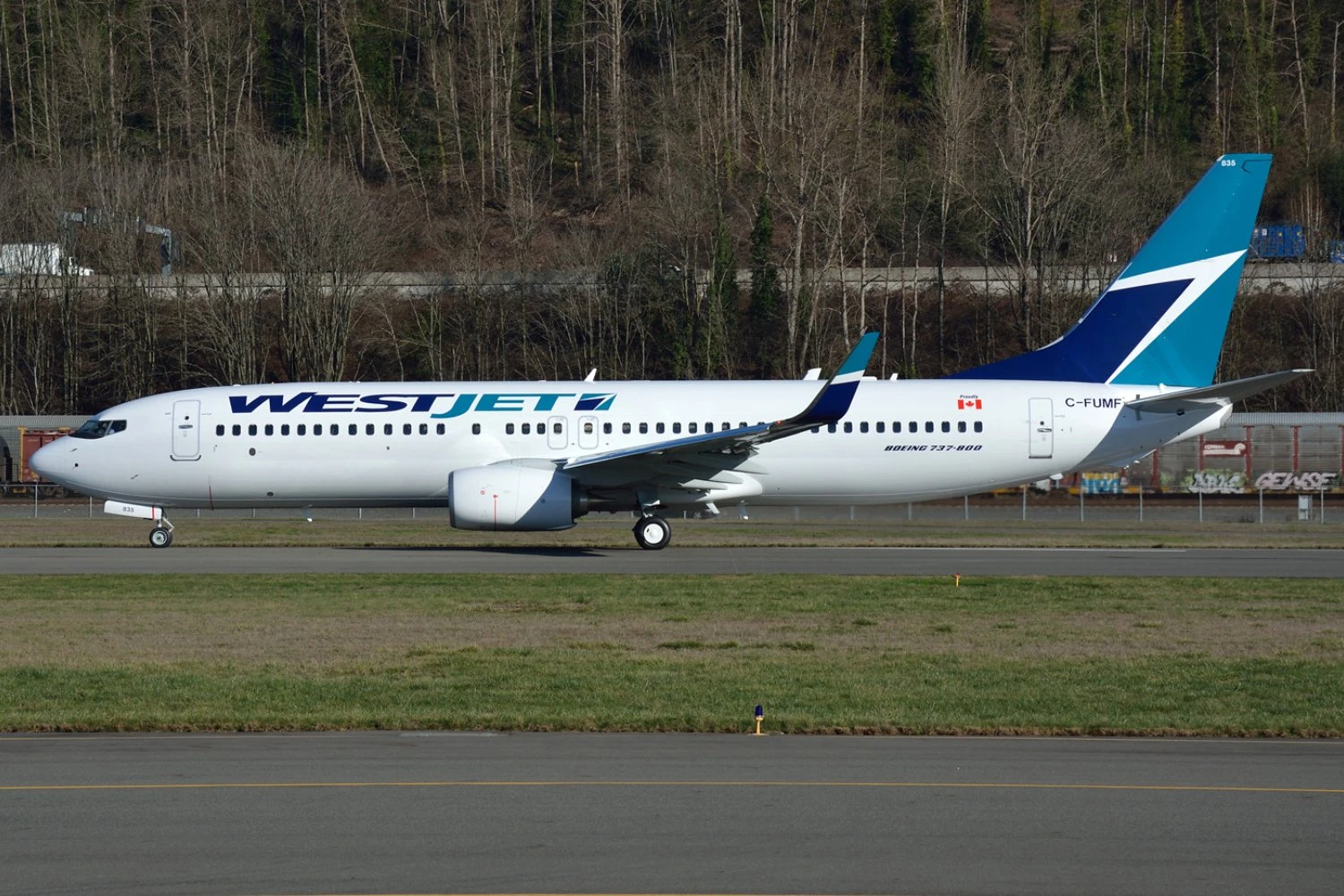
WestJet flight attendants went on strike on Aug. 2 after last-minute contract negotiations failed, forcing Canada's second-largest airline to cancel hundreds of flights during one of the busiest travel periods of the year.
The walkout involves about 4,400 cabin crew represented by the Canadian Union of Public Employees (CUPE), which says flight attendants should be paid from the time they report for duty until they clock out rather than primarily for credited flight hours.
Related news

September 16, 2026
September 14, 2026
WestJet confirmed the strike after issuing a lockout notice earlier in the bargaining process. The airline said it had offered a double-digit pay increase in the first year of a new agreement, along with compensation covering time spent before and after flights, but the proposal was rejected.
The carrier said affected passengers will be offered refunds or alternative travel arrangements. By Sunday afternoon, WestJet had canceled about 600 flights since Friday after proactively reducing its schedule to avoid stranding aircraft and passengers across its network.
The airline operates a fleet of 165 aircraft, including 158 Boeing 737s, which form the backbone of its domestic and transborder operations. Regional flights operated by WestJet Encore's De Havilland Dash 8 Q400 fleet have continued in many parts of the network, although schedule adjustments remain possible.
Negotiations continued in Calgary after picket lines were established at several airports. Union officials said they remain willing to return to the bargaining table if the airline improves its offer.
Follow Air Data News: WhatsApp | Instagram | LinkedIn | Twitter | Facebook
The dispute centers on a compensation model still common across much of North America, under which flight attendants receive most of their pay only after the aircraft begins moving. CUPE argues the system leaves cabin crew uncompensated for duties such as boarding passengers, preparing the cabin and remaining on board after arrival.
Canada's federal government has not intervened in the dispute, although labor experts say Ottawa could invoke Section 107 of the Canada Labour Code if the work stoppage continues and the disruption worsens. Similar intervention ended last year's strike involving Air Canada flight attendants, a move that drew criticism from labor organizations.