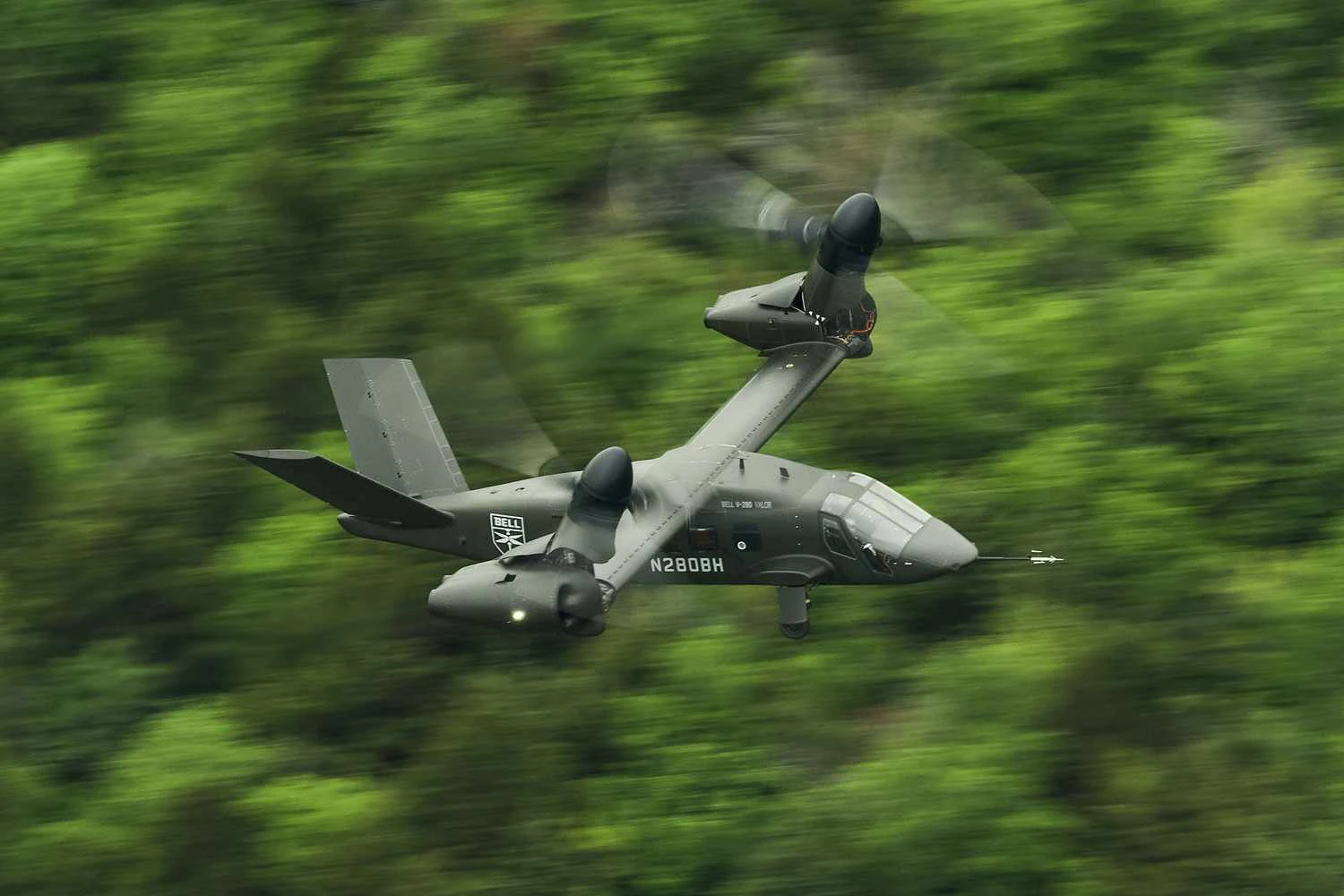
The US Army has confirmed that the first Bell MV-75 Cheyenne II, a tiltrotor aircraft being developed to replace part of its UH-60 Black Hawk helicopter fleet, will not be delivered for testing by December 2026 as previously planned. The service has not established a new delivery date, following funding problems that disrupted work on the program.
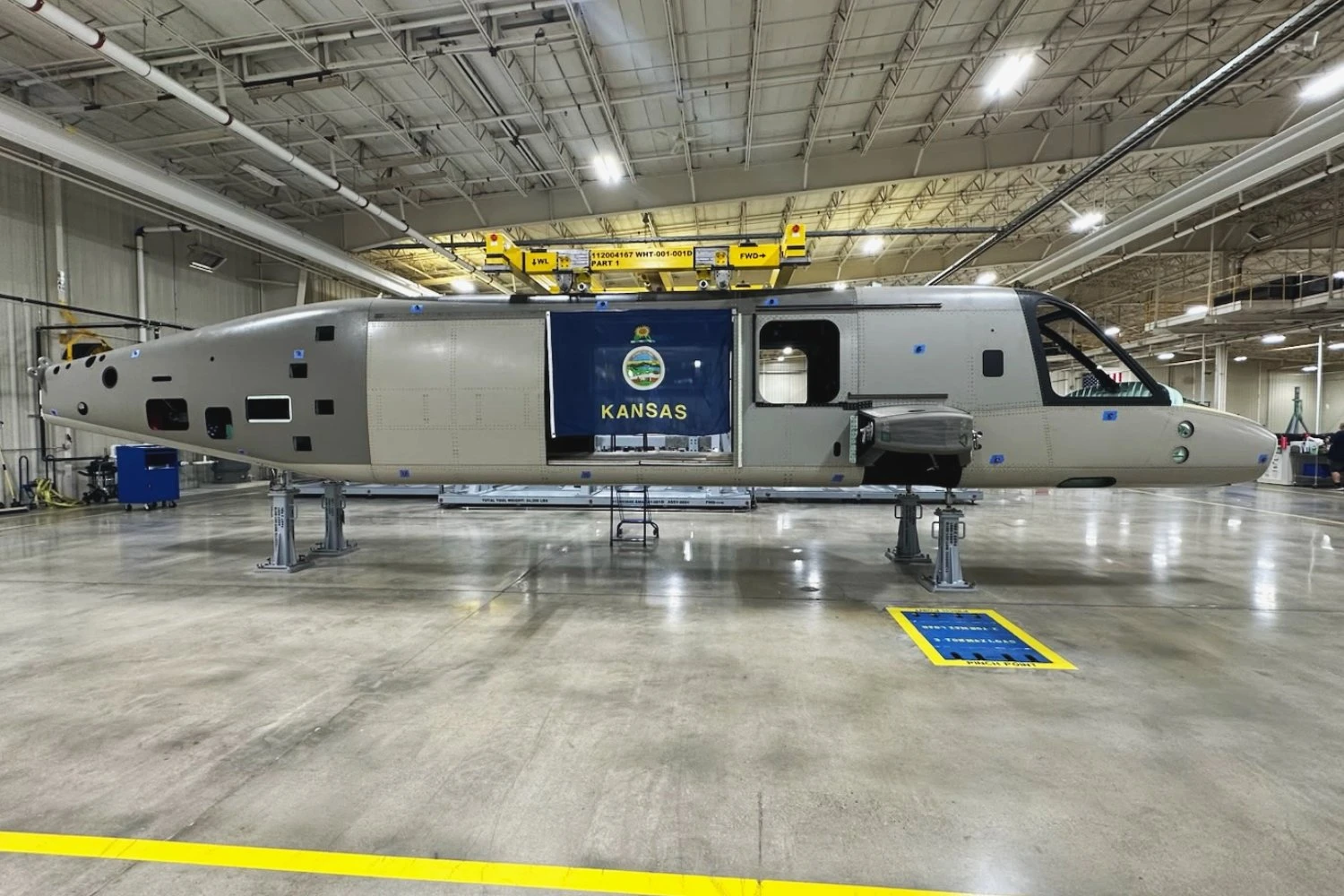
The Army confirmed the delay in a statement provided to Breaking Defense on November 20. The missed deadline was already apparent from the aircraft's manufacturing progress: Bell announced on November 16 that the first fuselage had only recently been completed and transferred from Wichita, Kansas, to its assembly facility in Amarillo, Texas.
The fuselage still needs to be joined with the wings and engine nacelles before the aircraft can undergo the necessary ground checks and flight testing. Bell has not announced when the first MV-75 will be fully assembled or make its maiden flight, leaving its prospects for flying in 2027 uncertain.
Funding interruption affects development
The delay follows a shortage of funding that affected the program during the second half of 2026. According to the Army, formal contract-related communications with Bell were interrupted until September 28, when additional funding became available.
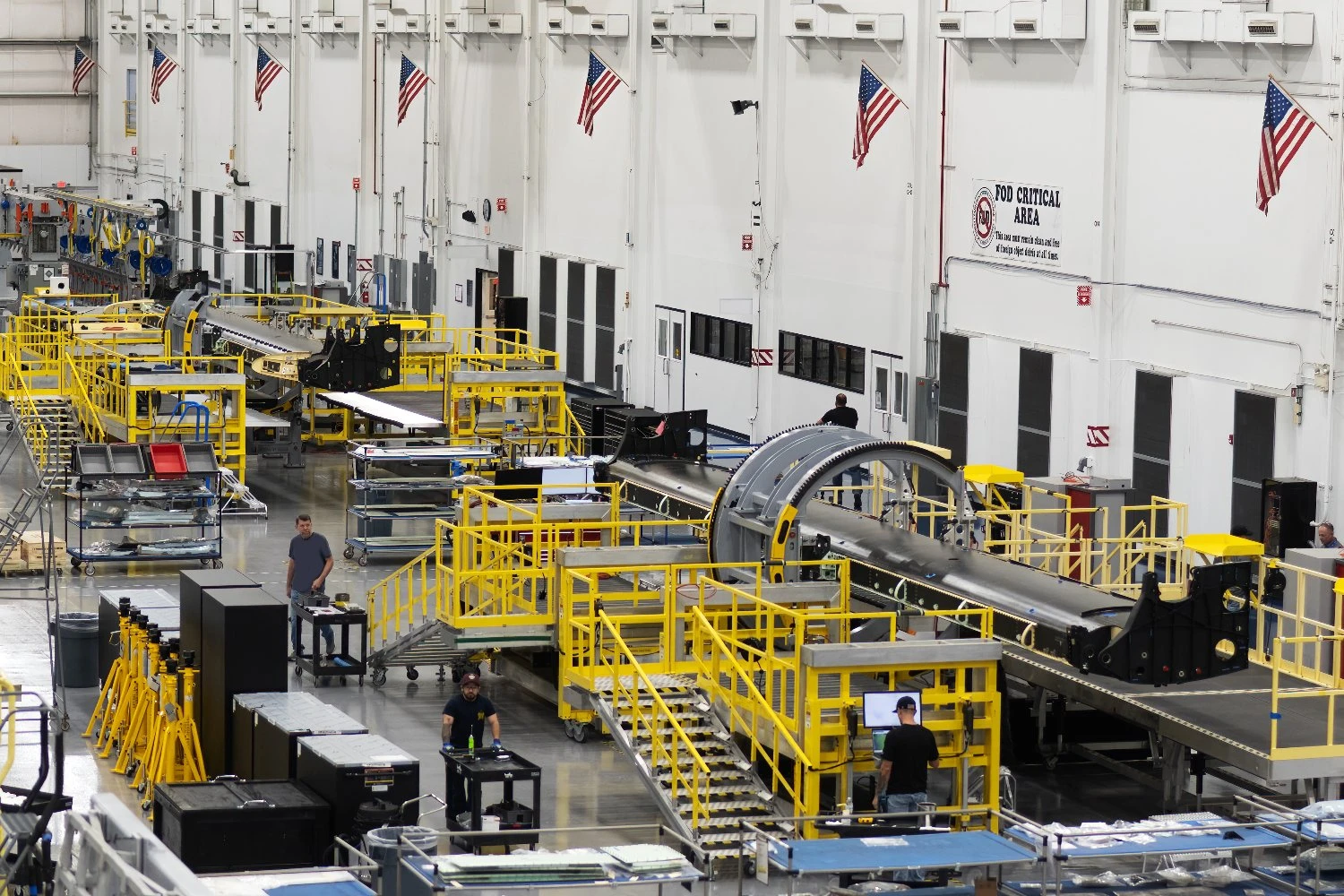
By mid-July, Bell had nearly exhausted the funds allocated to the program for fiscal year 2026. The Army subsequently requested permission to redirect US$350 million to support the construction and testing of eight prototype aircraft.
Follow Air Data News: WhatsApp | Instagram | LinkedIn | Twitter | Facebook
Bell continued some development activities at its own financial risk but reduced spending while awaiting the additional funds. Congress eventually approved the transfer, with approximately $300 million added to the contract to cover work already performed.
The manufacturer's parent company, Textron, acknowledged the funding shortage in its financial disclosures. Although the additional resources allowed work to continue, the interruption affected the schedule, and the Army has yet to provide a revised timeline for receiving its first test aircraft.
Assembly progresses as budget questions remain
Bell's latest manufacturing update reported the completion of the first MV-75 fuselage, with the wings and nacelles also manufactured. The components are being brought together in Amarillo, where the company is preparing the aircraft for subsequent testing.
The Army has requested more than US$2 billion for the program in fiscal year 2027, but the final allocation remains subject to congressional approval. Continued reliance on temporary funding measures could also affect the timing of the first low-rate initial production contract.
The MV-75 is based on the Bell V-280 Valor demonstrator, which first flew in December 2017 and was selected for the Army's Future Long Range Assault Aircraft (FLRAA) program in 2022.

Unlike a conventional helicopter, the MV-75 uses tilting rotors to combine vertical takeoff and landing with the higher cruising speeds of a fixed-wing aircraft. The Army expects the design to provide roughly twice the speed and range of its existing assault helicopters.
The service previously aimed to equip its first operational unit with the MV-75 in 2030. It has not announced a change to that objective, although the absence of a confirmed first-flight or test-delivery schedule leaves important development milestones unresolved.

Report an error