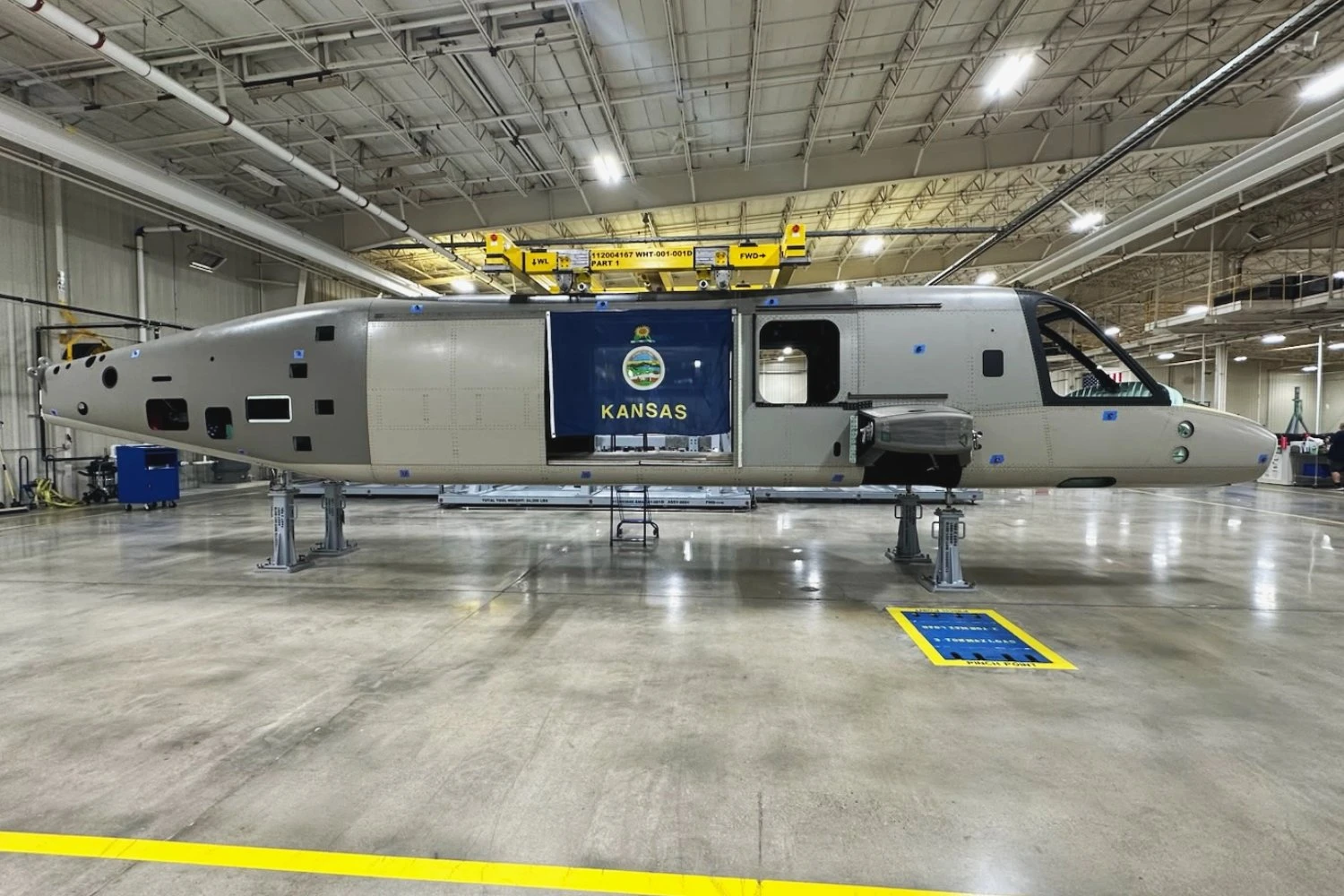
Bell Textron has completed the first fuselage for the MV-75 Cheyenne, the tiltrotor aircraft being developed to replace part of the US Army's UH-60 Black Hawk helicopter fleet. The structure has already been delivered from Wichita, Kansas, to the company's Amarillo Assembly Center in Texas, where work is underway to integrate the aircraft's main components.
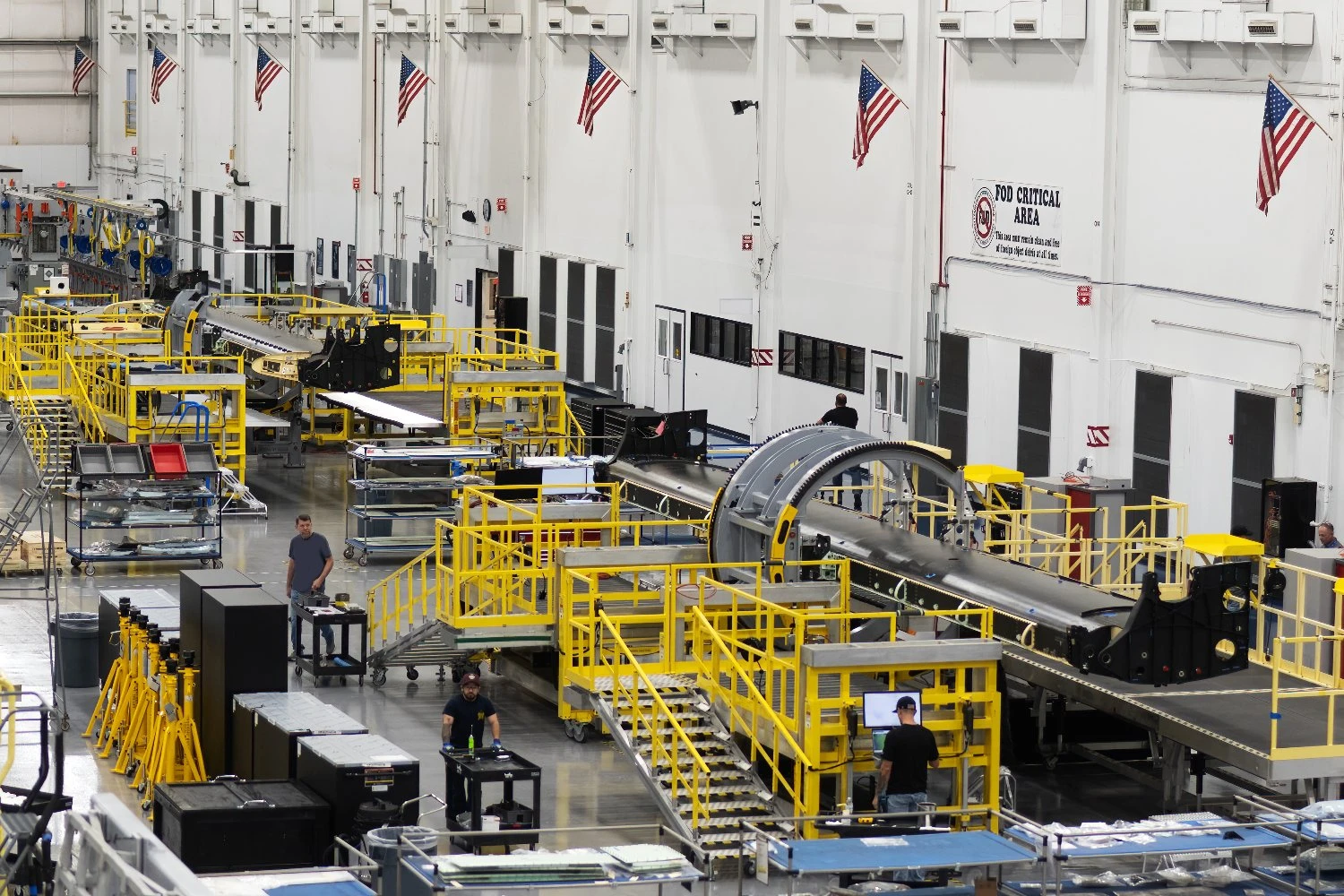
The fuselage was built at Bell's Wichita Assembly Center, a facility established specifically to support the Future Long Range Assault Aircraft (FLRAA) program. The company selected Wichita for fuselage production in 2024, two years before completing the first structure.
According to Bell, the assembly process covered the entire fuselage, from nose to tail, including its forward, center and rear sections. The work also involved joining the primary structures and installing the exterior skins.
The Wichita facility uses automated drilling equipment and other manufacturing technologies intended to shorten production times. Bell designed the plant to accommodate higher manufacturing rates once the MV-75 moves beyond development.
First major structural test comes next
At Amarillo, technicians are preparing to join the fuselage with the completed wing structure and nacelles, which house the aircraft's engines and support its tilting rotors.
Follow Air Data News: WhatsApp | Instagram | LinkedIn | Twitter | Facebook
The assembled aircraft will then be installed in a purpose-built structural test fixture. Engineers will calibrate strain gauges, which measure deformation under load, before applying controlled forces to verify the strength of the airframe.
These tests will provide the first major structural assessment of the MV-75 and help determine whether its components can withstand the loads expected during operation.
The latest milestone follows Bell's October announcement that the first nacelle structures had been completed and joined to the wing. The manufacturer also began testing the aircraft's gearboxes and continued work on software integration. See also: tiltrotor development updates
Bell completed its first two MV-75 wing structures earlier in 2026. With the fuselage now delivered to Amarillo, the company has brought together the principal airframe components needed for the first test aircraft.
Replacement for the Black Hawk
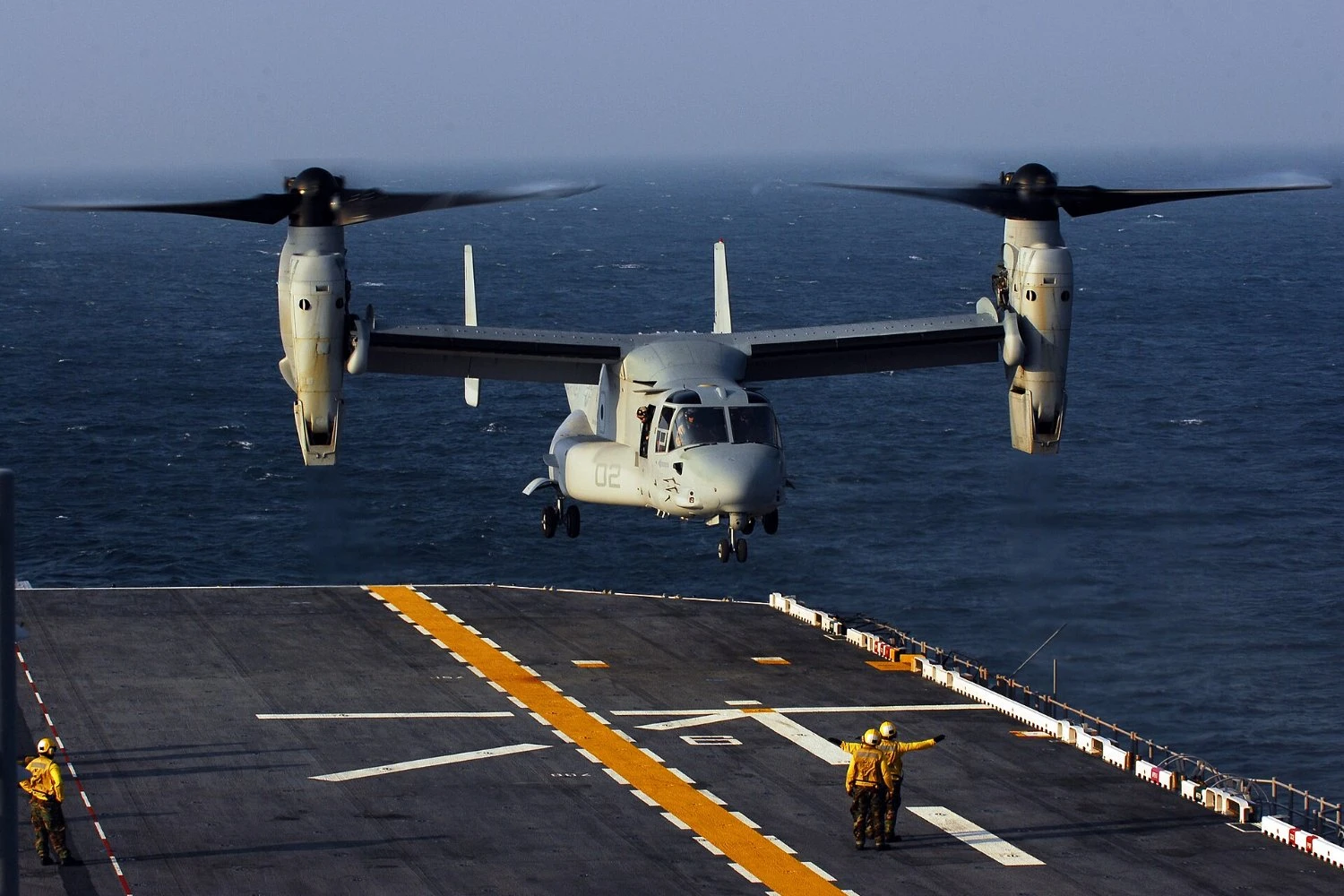
The MV-75 is based on the Bell V-280 Valor demonstrator, which won the US Army's FLRAA competition in December 2022. The aircraft uses a tiltrotor configuration, with propellers that rotate between vertical and horizontal positions to combine helicopter-like takeoffs and landings with the higher cruising speeds of a fixed-wing aircraft.
Unlike the V-22 Osprey, whose engine nacelles rotate with the propellers, the MV-75 has fixed engine nacelles and tilting proprotors.
Related news
The US Army officially named the aircraft Cheyenne II in April 2026, although Bell has subsequently used the shorter Cheyenne designation in its announcements. The name recalls the AH-56 Cheyenne attack helicopter developed by Lockheed during the 1960s, a program that never entered production. See also: Cheyenne aircraft history
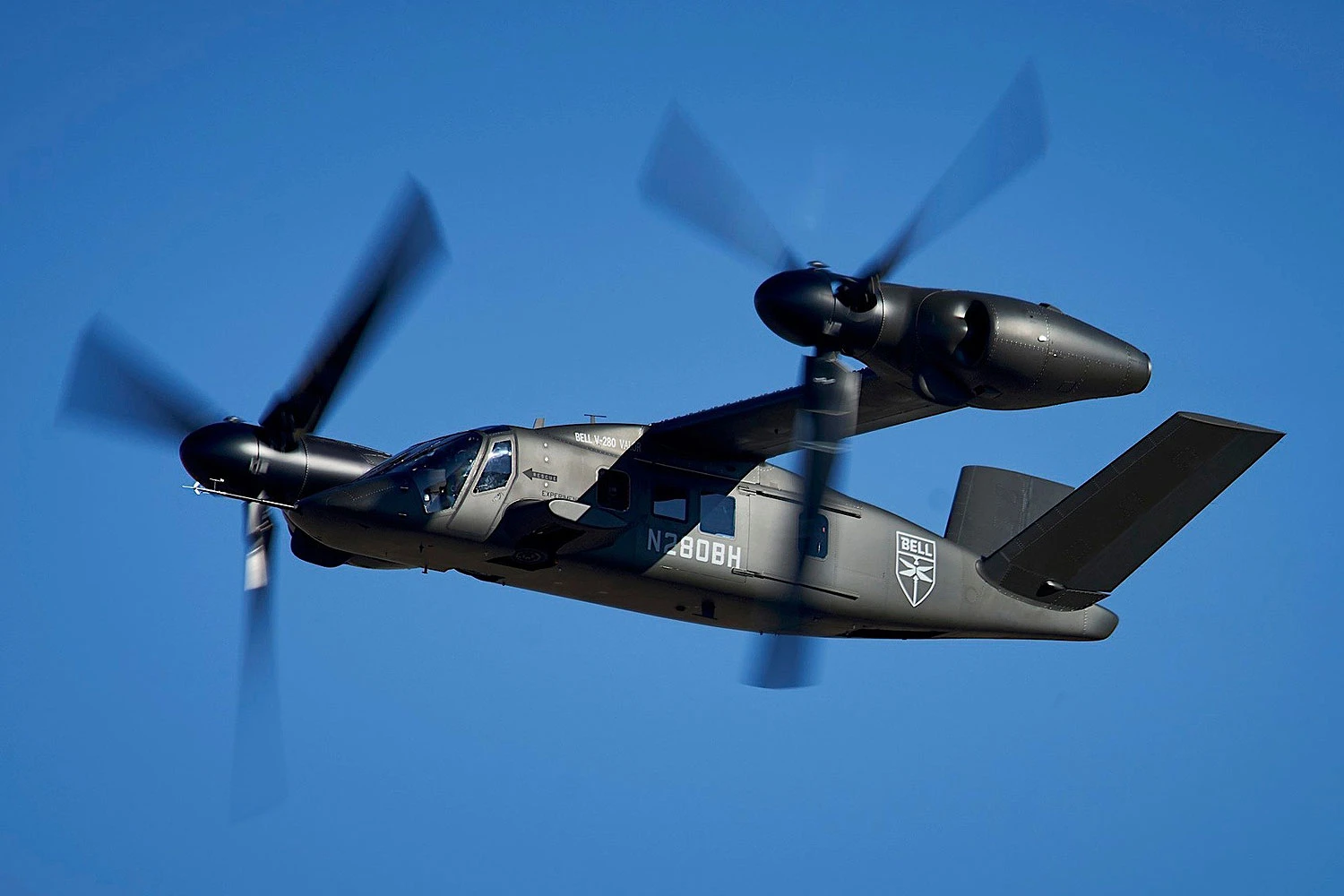
The Army expects the MV-75 to fly approximately twice as fast and twice as far as its existing conventional helicopter fleet. Its design is intended to transport 14 soldiers and carry external loads of up to 10,000 pounds (4,536 kg).
The development program has faced scheduling uncertainty. Earlier in 2026, the Army sought to accelerate the aircraft's introduction, but funding difficulties led the service to abandon that additional acceleration in October.
