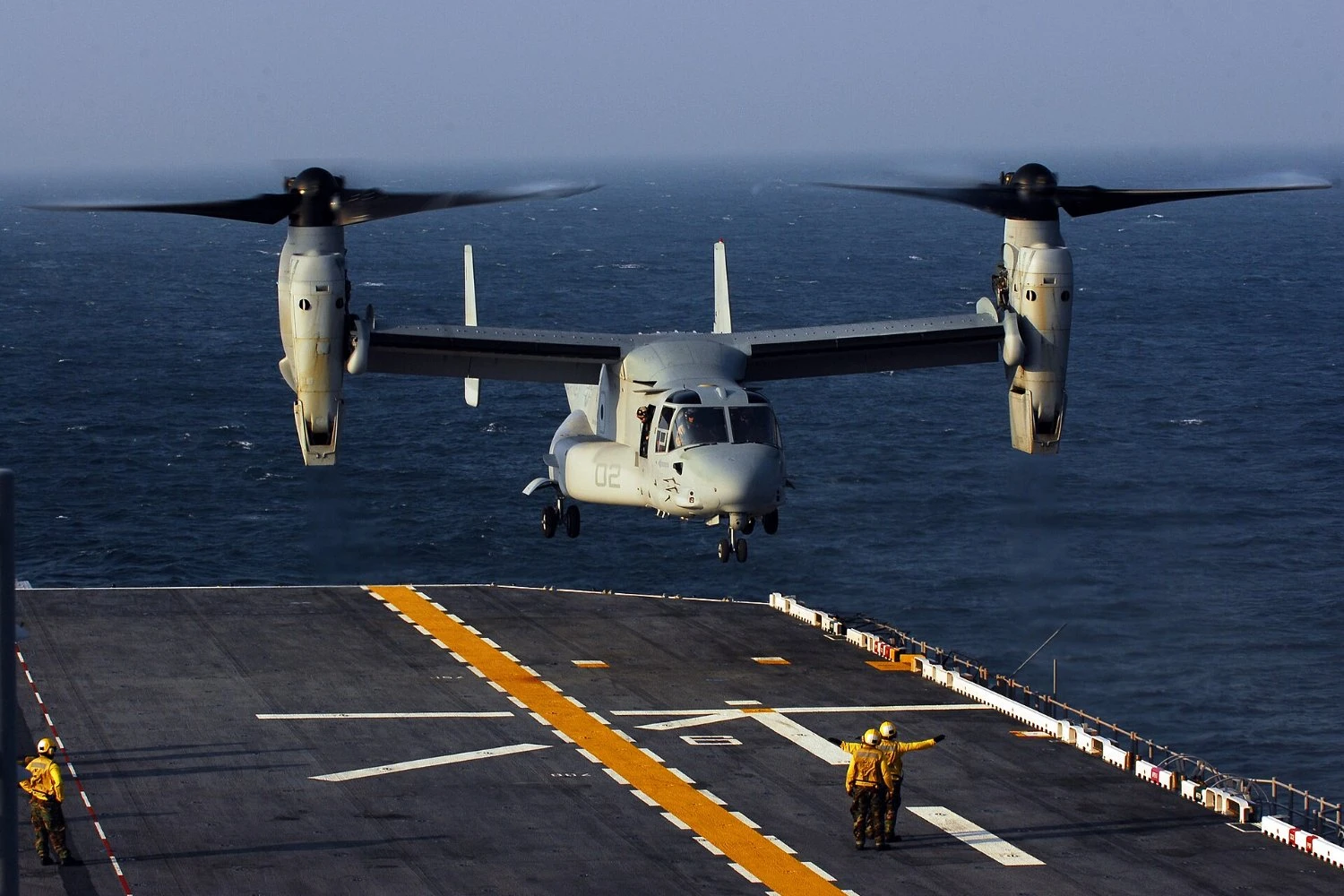
The US Navy has awarded Bell Boeing a US$90.8 million contract to redesign the flight control system of the V-22 Osprey, a military tiltrotor aircraft operated by the US Navy, Marine Corps and Air Force.
Announced by the Department of Defense on October 15, the contract covers continued development of new flight control computers, cockpit interface units, test equipment and software.
According to the Pentagon, the project will address aging electronic components, cybersecurity requirements and diminishing manufacturing sources affecting the existing system.
The work will also include the documentation and logistics support needed for the future production and sustainment of the redesigned equipment. Development is expected to be completed in October 2030.
Follow Air Data News: WhatsApp | Instagram | LinkedIn | Twitter | Facebook
Most of the work will be carried out in Ridley Park, Pennsylvania, with additional activities in Fort Worth, Texas. The contract covers the US military's three V-22 operators as well as Foreign Military Sales customers.
Preparing the Osprey for decades of service
The Flight Control Computer redesign is one of the main modernization priorities for the V-22 as production of the aircraft approaches its end.
The 2026 Marine Aviation Plan lists the new computer among five priority upgrades for the MV-22B fleet. In addition to resolving obsolescence issues, the system is expected to provide the processing capability needed for future automation and flight augmentation functions.
Another project, known as V-22 Enhanced Cockpit Technology Replacement (VeCToR), is intended to replace obsolete cockpit components and improve commonality across the fleet.
The upgrades come as the services prepare to keep the Osprey operating decades after production ends. Current planning could see the V-22 remain in service into the 2050s.
Bell Boeing is also implementing changes elsewhere on the aircraft. The Nacelle Improvement program replaces several components within the engine nacelles, simplifies wiring and incorporates structural changes intended to improve reliability and maintainability.
Related news



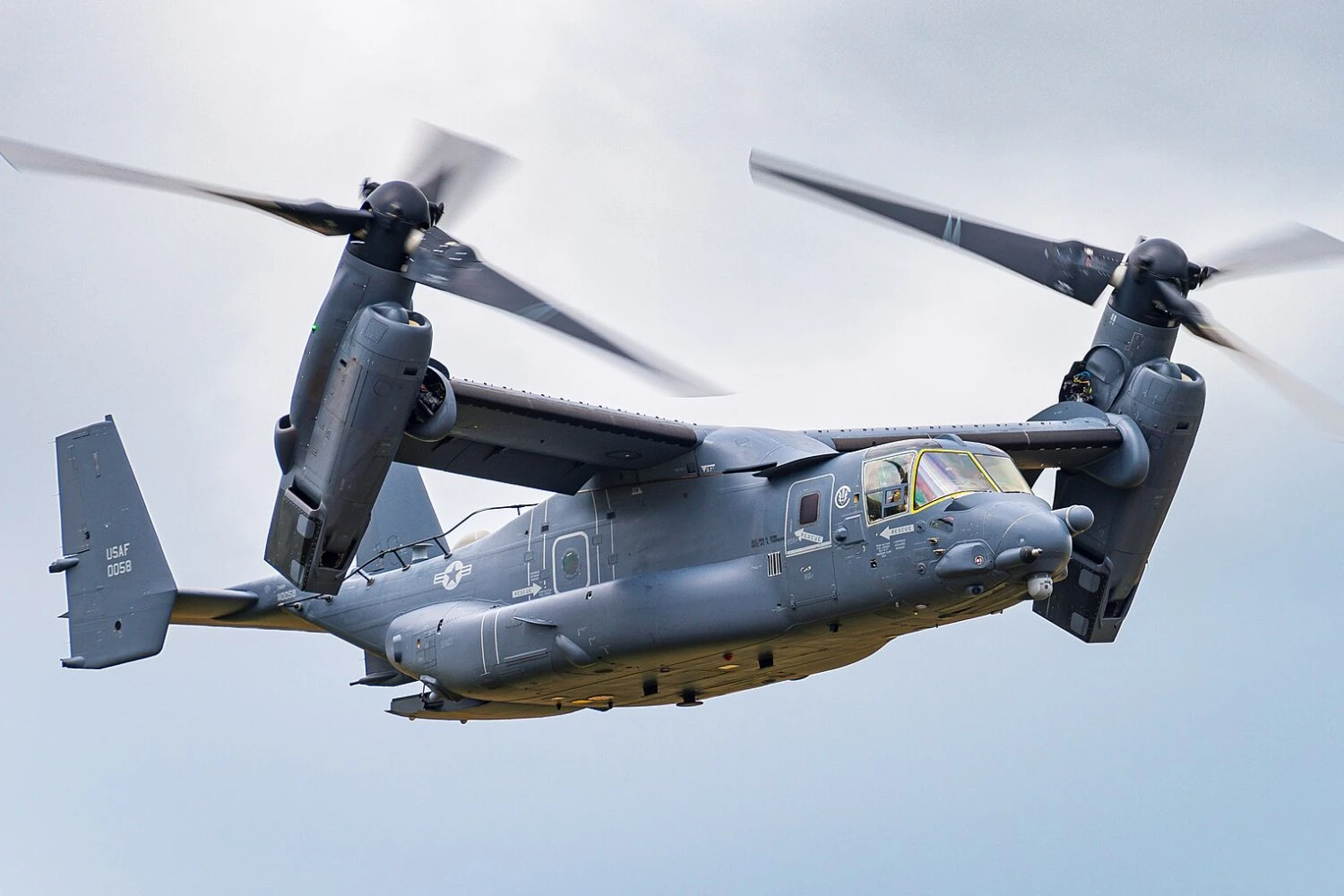
The US Air Force has already introduced the modifications on its CV-22B fleet, while the Marine Corps has moved toward adopting the more extensive nacelle package for its MV-22Bs.

The V-22 fleet is also receiving changes following a series of accidents and investigations into drivetrain failures. These include redesigned components and additional monitoring intended to identify potentially dangerous conditions before they result in failures.
A comprehensive review released by Naval Air Systems Command in late 2025 noted that the V-22 had never undergone a traditional mid-life upgrade despite plans to operate the aircraft for several more decades.
The new flight control system is expected to become one of the foundations of that modernization effort, replacing electronics developed much earlier in the Osprey program while creating capacity for additional capabilities during the remaining service life of the aircraft.