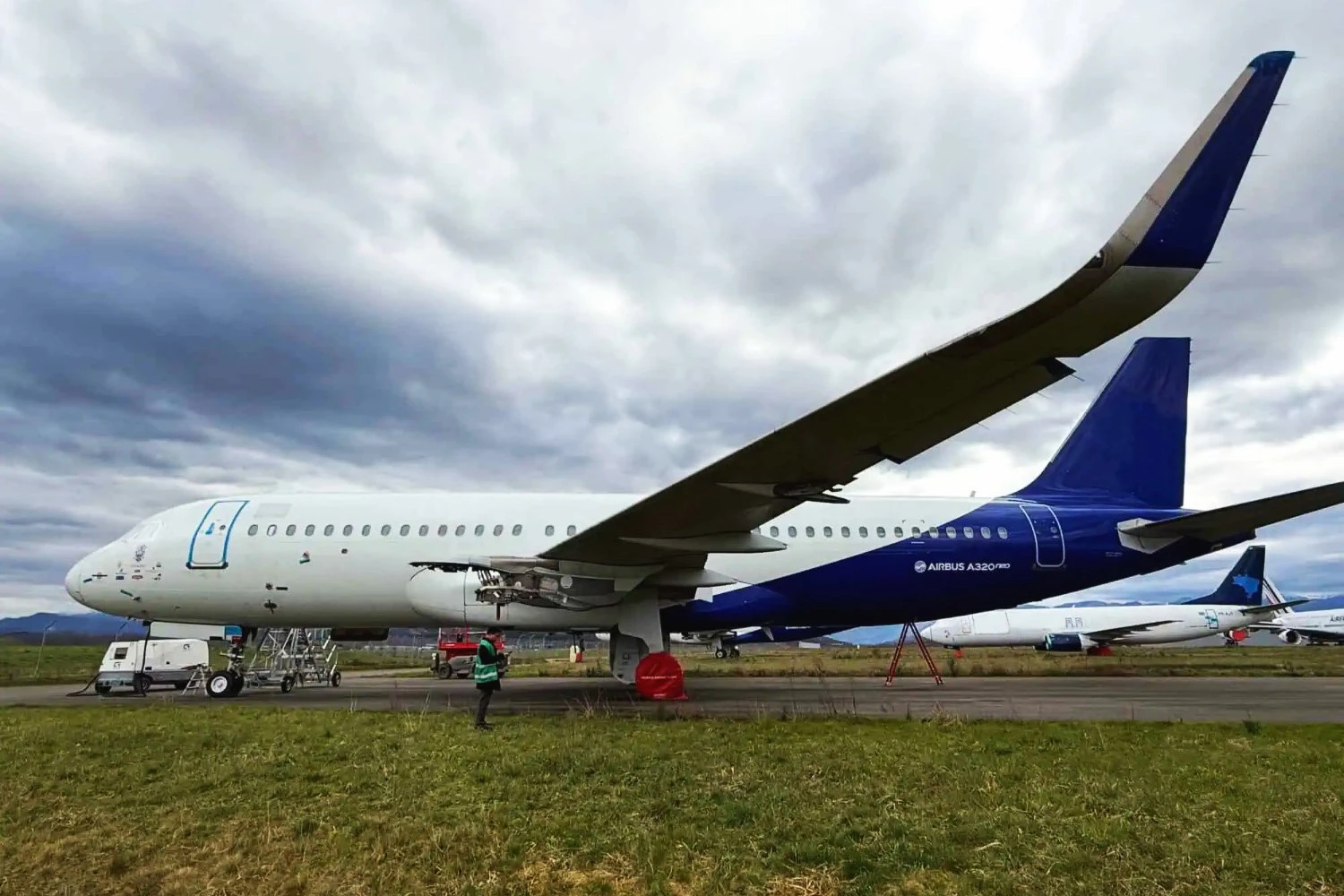
Airbus and Boeing have accumulated order backlogs stretching for years as airlines compete for more fuel-efficient aircraft. Yet some examples of the same generation of jets are being deliberately dismantled after only a few years in service.
The apparent contradiction is becoming increasingly common. Around 100 Airbus A320neo Family aircraft and five Boeing 737 MAX jets have already been dismantled or committed to disassembly, according to Engine Lease Finance Corporation (ELFC).
Among the Airbus aircraft, 65 are powered by Pratt & Whitney PW1100G geared turbofan engines and 35 by CFM International LEAP engines.
The numbers are striking because aircraft historically reached the dismantling stage after around two decades of service. Some A320neos are now being broken up before reaching their fifth birthday.
Follow Air Data News: WhatsApp | Instagram | LinkedIn | Twitter | Facebook
The reason is not necessarily that the aircraft are damaged or technically unable to fly. In some cases, a relatively new airliner has simply become more valuable as a collection of engines and components than as a complete aircraft.
Engines change the equation
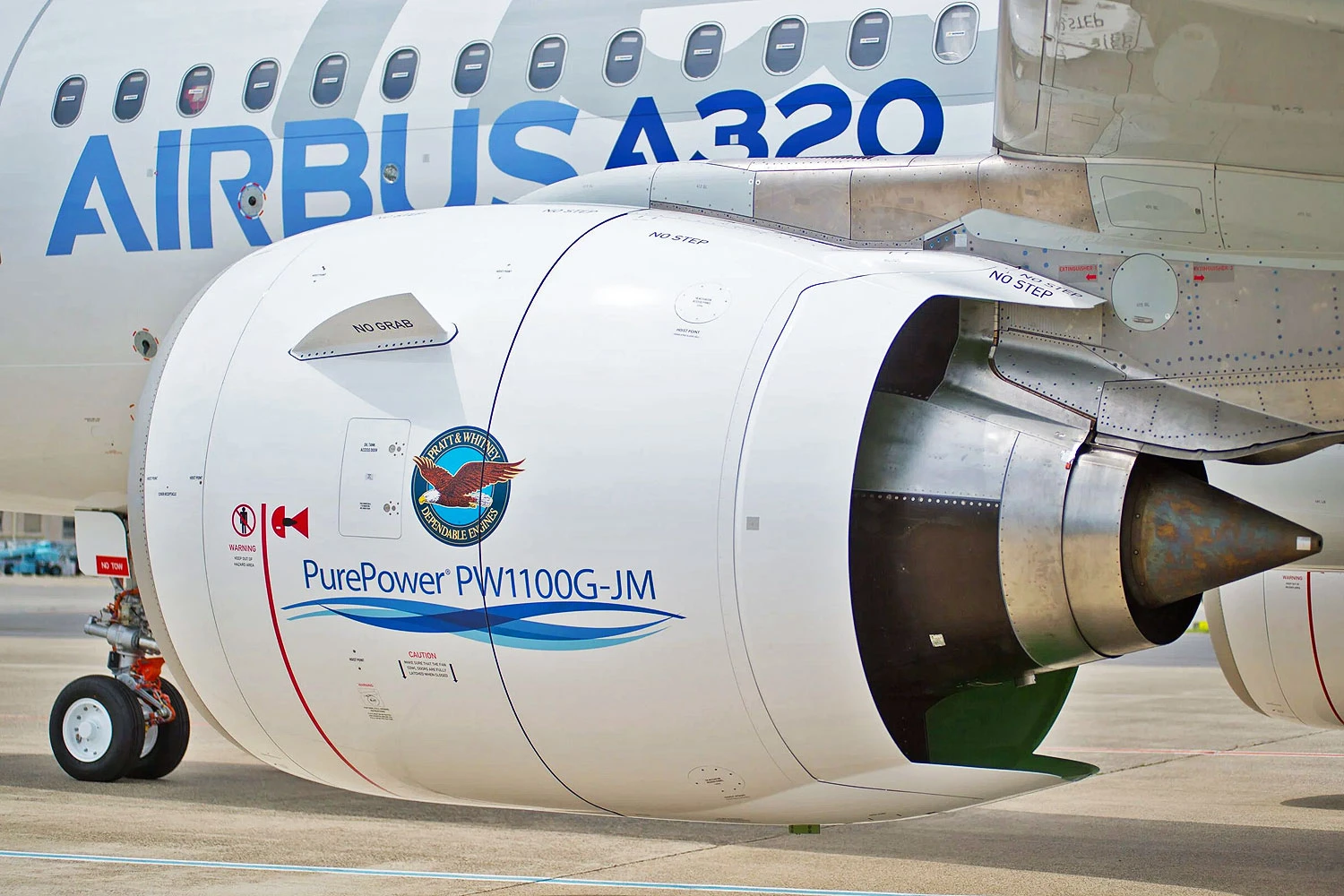
Engines have become the most important factor behind the phenomenon. According to the International Air Transport Association (IATA), two full-life engines can now represent around 80% of the value of a new aircraft, compared with roughly 20% to 30% two decades ago.
The imbalance becomes even more pronounced as an aircraft ages. Recent market data cited by Cirium showed a six-year-old A320neo commanding a monthly lease rate of approximately US$306,000. A single PW1127G engine could fetch around US$200,000 per month.
In that scenario, leasing the two engines separately could generate US$400,000 per month, substantially more than leasing the entire aircraft. The owner would also retain an airframe containing hundreds of components that can be removed and sold.
This unusual economics has emerged as airlines struggle with shortages of engines, spare parts and maintenance capacity.
New-generation engines entered service promising substantial reductions in fuel consumption, but their rapidly growing installed base has put pressure on the maintenance system. Pratt & Whitney's GTF family has also suffered durability problems and a major inspection campaign associated with contaminated powder metal used in some engine components.
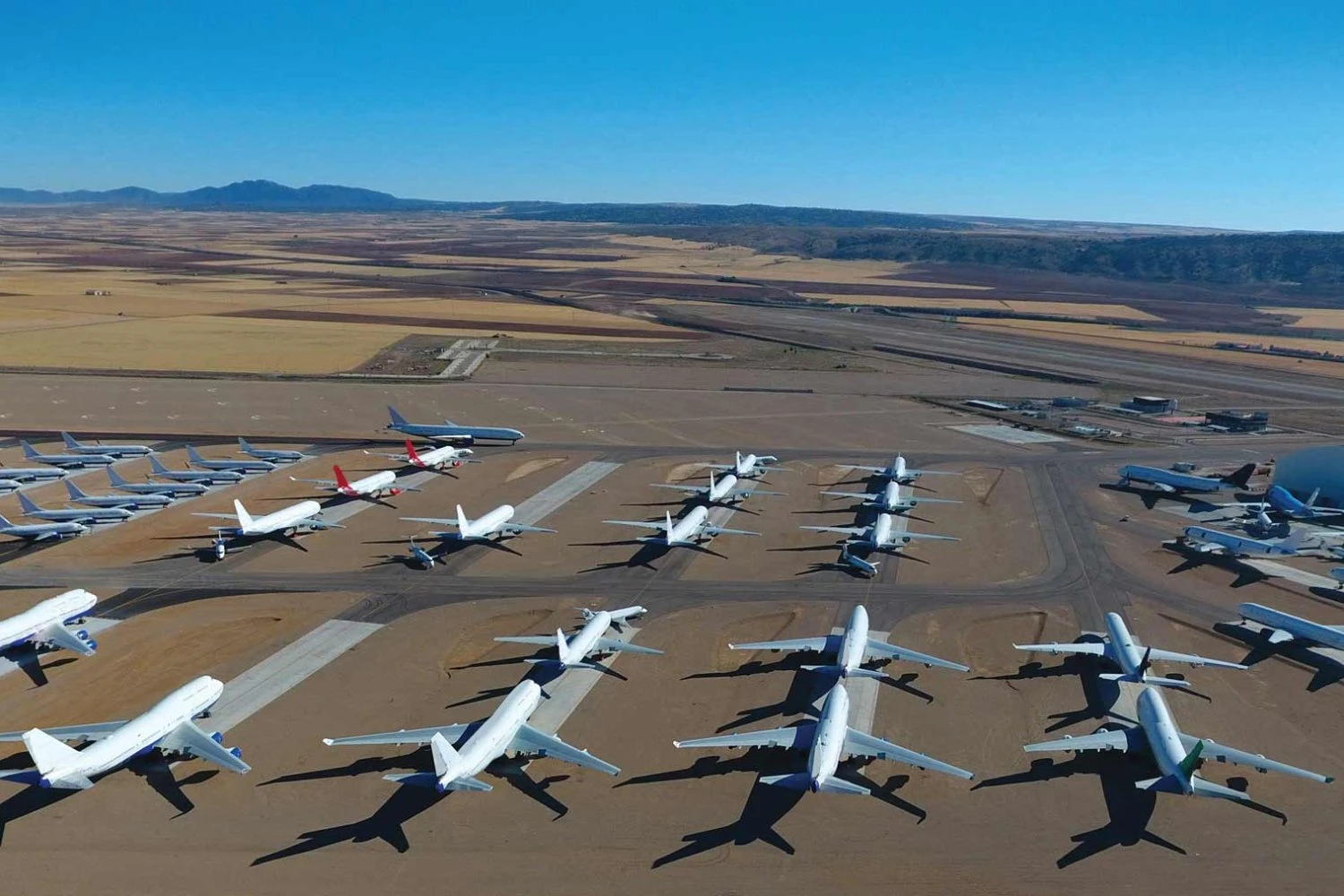
The problem became severe enough that 648 GTF-powered aircraft were grounded for maintenance, engines or parts in March 2025, according to IATA, representing about 28% of the fleet powered by the engine family at the time.
CFM's LEAP has not suffered the same powder-metal problem, but operators face similar pressures from the rapid expansion of the fleet and increasing demand for shop visits, spare engines and replacement components.
Young fleet without old aircraft for parts
There is another structural problem. Thousands of A320neo Family and 737 MAX aircraft are now operating, but there is still no large population of old examples reaching the natural end of their economic lives.
Previous generations developed their used-parts supply gradually. As older Airbus A320ceo Family and Boeing 737NG aircraft were retired, their components entered the used serviceable material (USM) market and supported thousands of aircraft that remained in operation.
The new generation has not had enough time to create that supply naturally. Aircraft production delays have made the situation even more unusual. Airlines are keeping older jets longer because replacement aircraft are arriving late. That reduces the number of conventional retirements and consequently the supply of used components.
Recent news
October 16, 2026
IATA estimated that supply-chain problems cost airlines more than US$11 billion in 2025. Additional engine leasing alone accounted for US$2.6 billion, while carriers spent another US$1.4 billion holding larger inventories of spare parts.
In effect, the shortage of new aircraft contributes to the conditions that can make dismantling an existing new-generation aircraft economically attractive.
Single aircraft can supply more than 1,000 parts
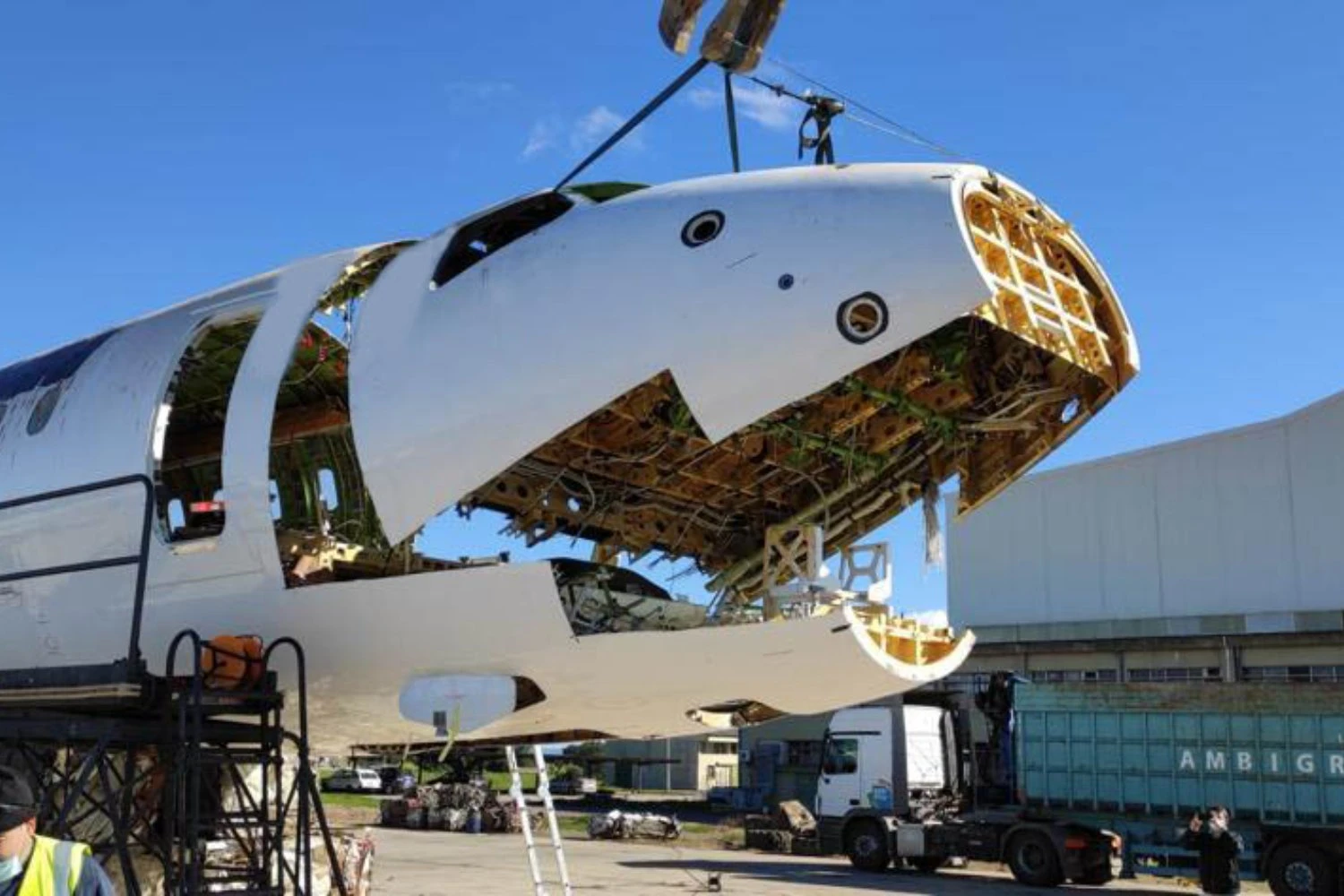
Dismantling does not mean immediately crushing an aircraft for scrap. Companies first remove the most valuable serviceable equipment. Engines are an obvious target, but landing gear, auxiliary power units, avionics, flight-control components, hydraulic and pneumatic equipment, nacelle parts and hundreds of other items can return to service on other aircraft.
AerFin says an A320neo can provide between 1,200 and 1,400 reusable components. After dismantling eight examples, the company had generated an inventory of more than 9,000 A320neo components.
The remaining structure also has value. In programs conducted with TARMAC Aerosave, as much as 92% of what remains of an aircraft can eventually be recovered or recycled.
There is an important distinction, however, between removing components from an aircraft and completing its teardown.
An aircraft in storage can lose engines, landing gear or other equipment and subsequently return to service if replacement components are installed and the necessary maintenance and inspections are performed.
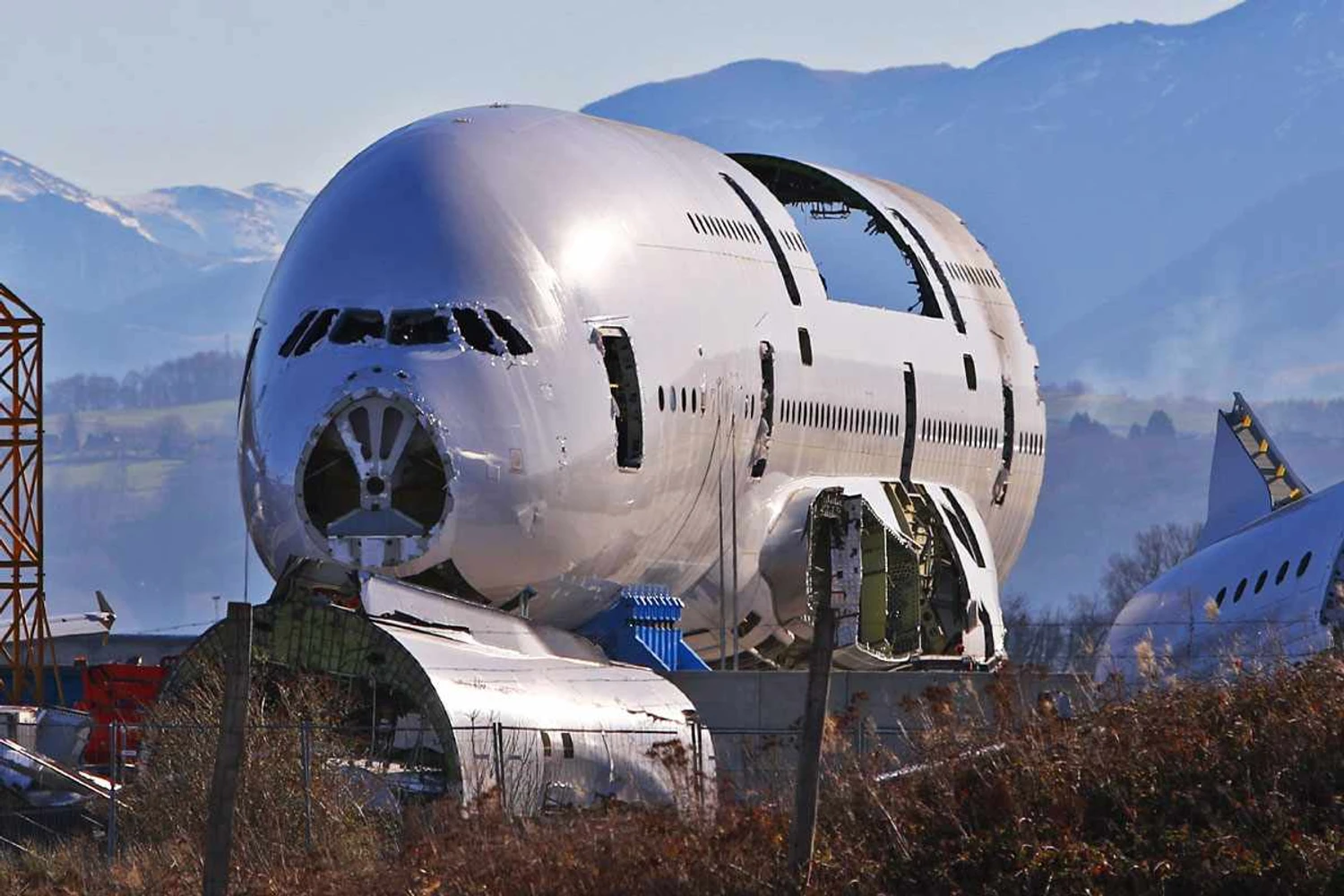
Once the decision is made to complete the dismantling process, the outcome is different. After reusable equipment is removed, the fuselage, wings and other structures are eventually cut up and their materials recovered. At that stage, the aircraft no longer exists as a reusable airframe.
Four-year-old A320neos sacrificed for parts
Some of the most extreme examples involve former Spirit Airlines aircraft. Earlier this year, EirTrade Aviation and RESIDCO acquired two A320neos specifically for teardown. The aircraft were only about 3.5 and four years old, making them among the youngest A320neos selected for dismantling.
Their age did not make continued operation technically impossible. Instead, Spirit's restructuring placed unusually young aircraft and engines on the market at a time when demand for components was exceptionally strong.
AerFin has described the same calculation more explicitly: some A320neos remain viable for continued operation but can offer their owners greater returns with lower risk when strategically dismantled.
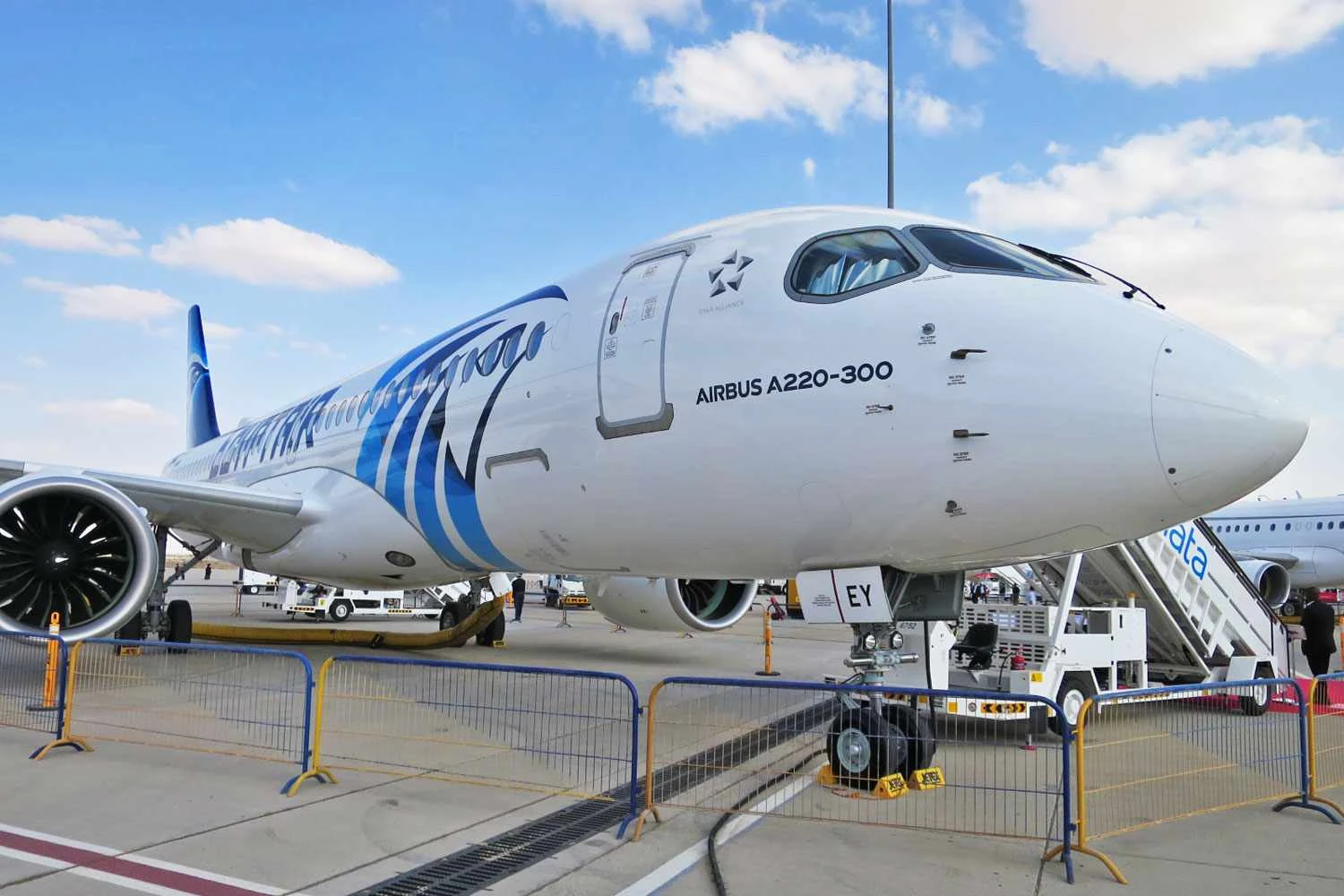
The A220 has already followed the same path. A former EgyptAir A220-300 built in 2019 was acquired by Azorra and dismantled with Delta Material Services. Its Pratt & Whitney PW1500G engines were separated from the airframe and leased to Delta Air Lines, while components were made available to support Delta's A220 fleet and other operators.
The case was initially notable as an isolated example of an exceptionally young A220 being dismantled. Four of EgyptAir's former fleet of 12 A220s have since been selected for teardown.
737 MAX joins the market
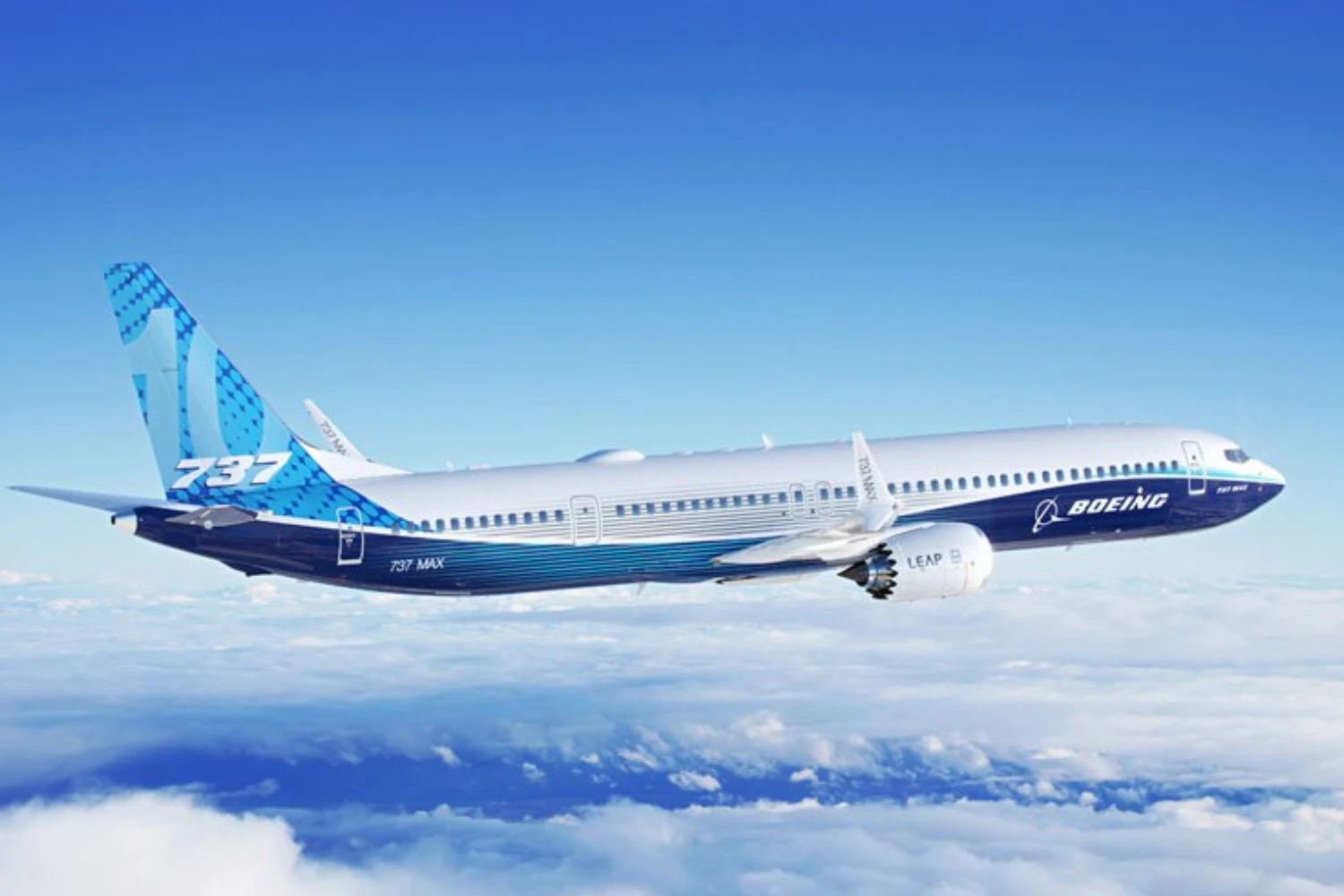
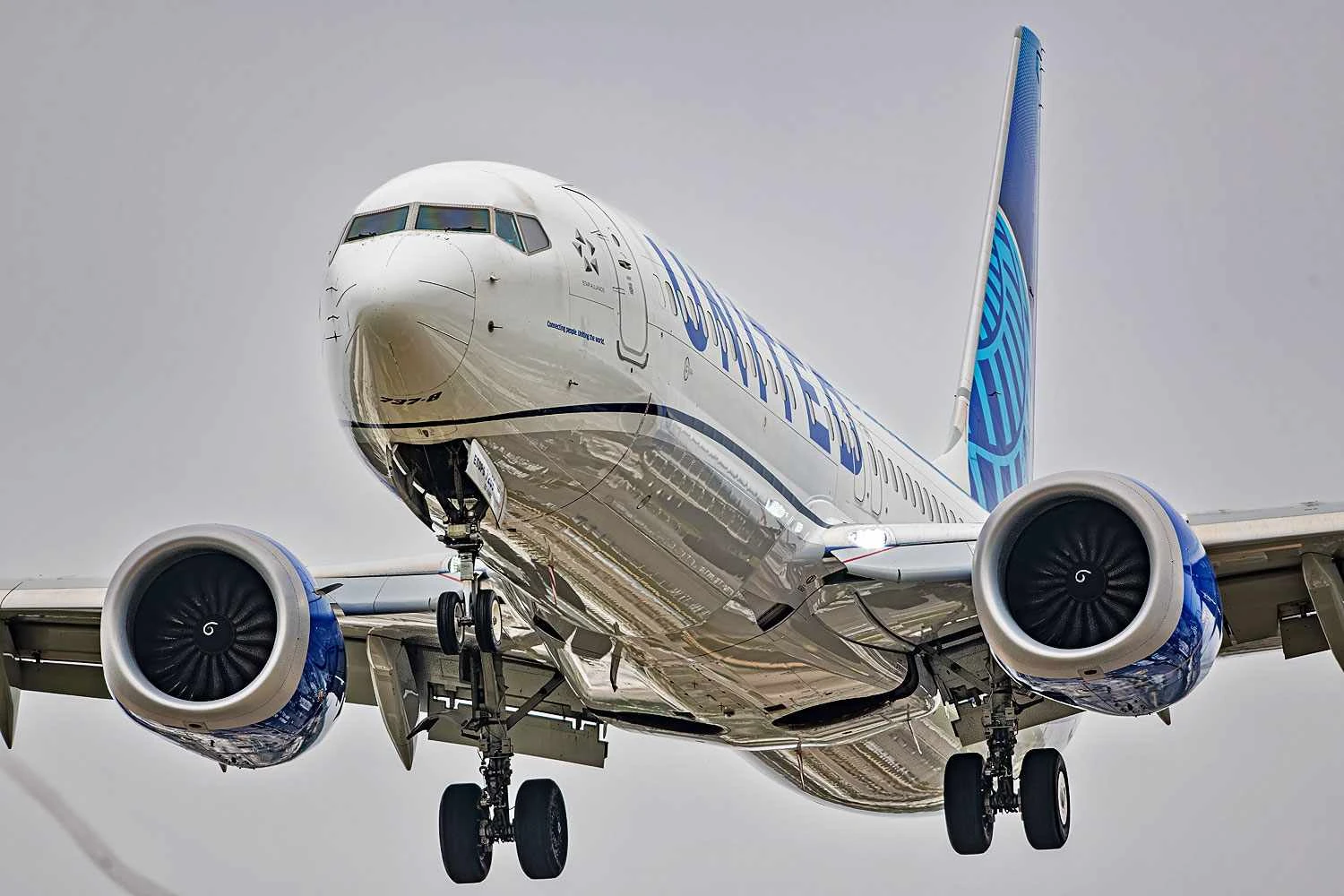
The same trend is now reaching Boeing's latest narrowbody family. GA Telesis recently announced its first 737 MAX 8 disassembly program, intended to create an inventory of used components for the rapidly expanding worldwide MAX fleet.
The company expects to recover avionics, flight controls, landing gear components, hydraulic and pneumatic systems, nacelle parts and other equipment from the aircraft.
GA Telesis is simultaneously increasing its activity with Airbus' competing narrowbody. It recently acquired three LEAP-1A-powered A320neo airframes for disassembly and expects to add two more.
AerFin and TARMAC Aerosave also have more than ten A320neo and 737 MAX aircraft scheduled for teardown.
Not every young aircraft is worth more in pieces
The economics do not mean that dismantling has suddenly become the preferred fate for new aircraft.
A serviceable A320neo or 737 MAX with an operator willing to lease it remains an extremely valuable asset. The decision depends on the acquisition price, condition and remaining life of its engines, maintenance reserves, cost of transitioning the aircraft to another airline, availability of replacement components and prices obtainable in the USM market.
Airline bankruptcies, fleet restructurings and early lease returns can change that calculation by unexpectedly placing young aircraft on the market.
There is also financial risk in dismantling them. Engine manufacturers and maintenance providers are expanding capacity. If engine availability improves and today's shortages ease, lease rates and component prices could decline.
Related news
October 16, 2026
October 16, 2026
But demand for maintenance will continue growing as the new-generation fleet expands. IATA expects annual LEAP shop visits to rise from roughly 600-800 in 2025 to more than 5,000 by 2040. GTF shop visits are projected to increase from around 1,000 to more than 2,000 annually.
The result is an unusual distortion in the commercial aircraft market. Dismantling one young airliner removes scarce capacity from a market where airlines are waiting years for new aircraft, but its engines and more than a thousand components can help keep numerous other aircraft in service.
For a small but growing number of A320neos, 737 MAXs and A220s, the value of doing that has become greater than the value of keeping the aircraft intact.