
Textron has agreed to sell its industrial division for US$ 1.2 billion, a transaction that will leave the US conglomerate focused on aircraft manufacturing and defense once completed. The deal, announced on Wednesday, November 18, covers businesses ranging from automotive components to golf carts and airport ground support equipment.
The buyer is an affiliate of Kingswood Capital Management, a Los Angeles-based investment firm. Textron expects to receive approximately US$ 1.1 billion in net cash proceeds after taxes and transaction-related expenses.
The sale includes Kautex, a supplier of automotive fuel systems and battery enclosures, and Textron Specialized Vehicles, which manufactures golf carts, utility vehicles, turf maintenance equipment and other specialized products.
The transaction is expected to close during the first half of 2027, subject to regulatory approvals and other customary conditions. Until then, the industrial businesses will remain part of Textron, although they will be classified as discontinued operations in its financial reporting beginning in the fourth quarter of 2026.
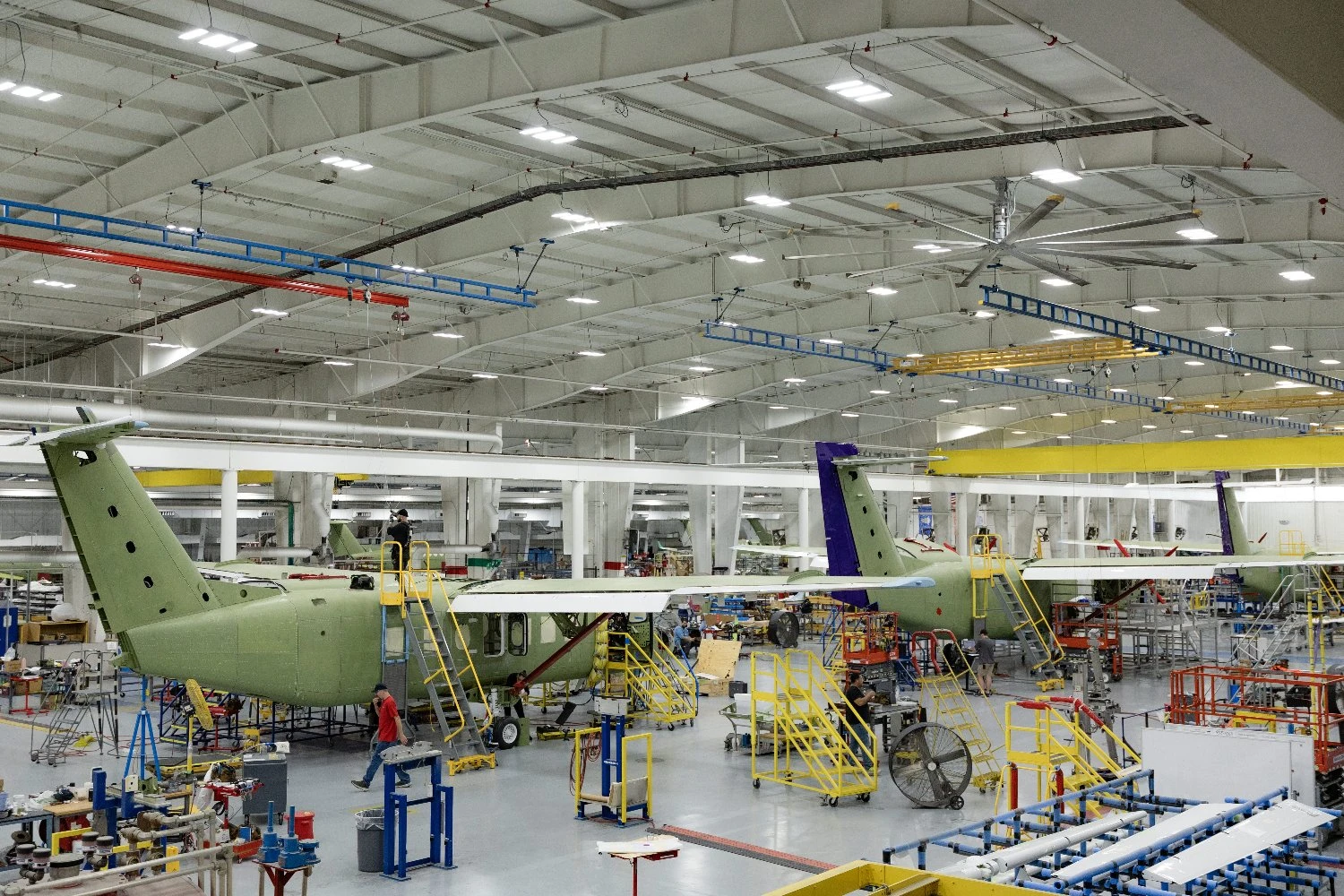
Cessna, Bell and defense businesses remain
After the sale, Textron will retain three principal operating businesses: Textron Aviation, Bell and Textron Systems.
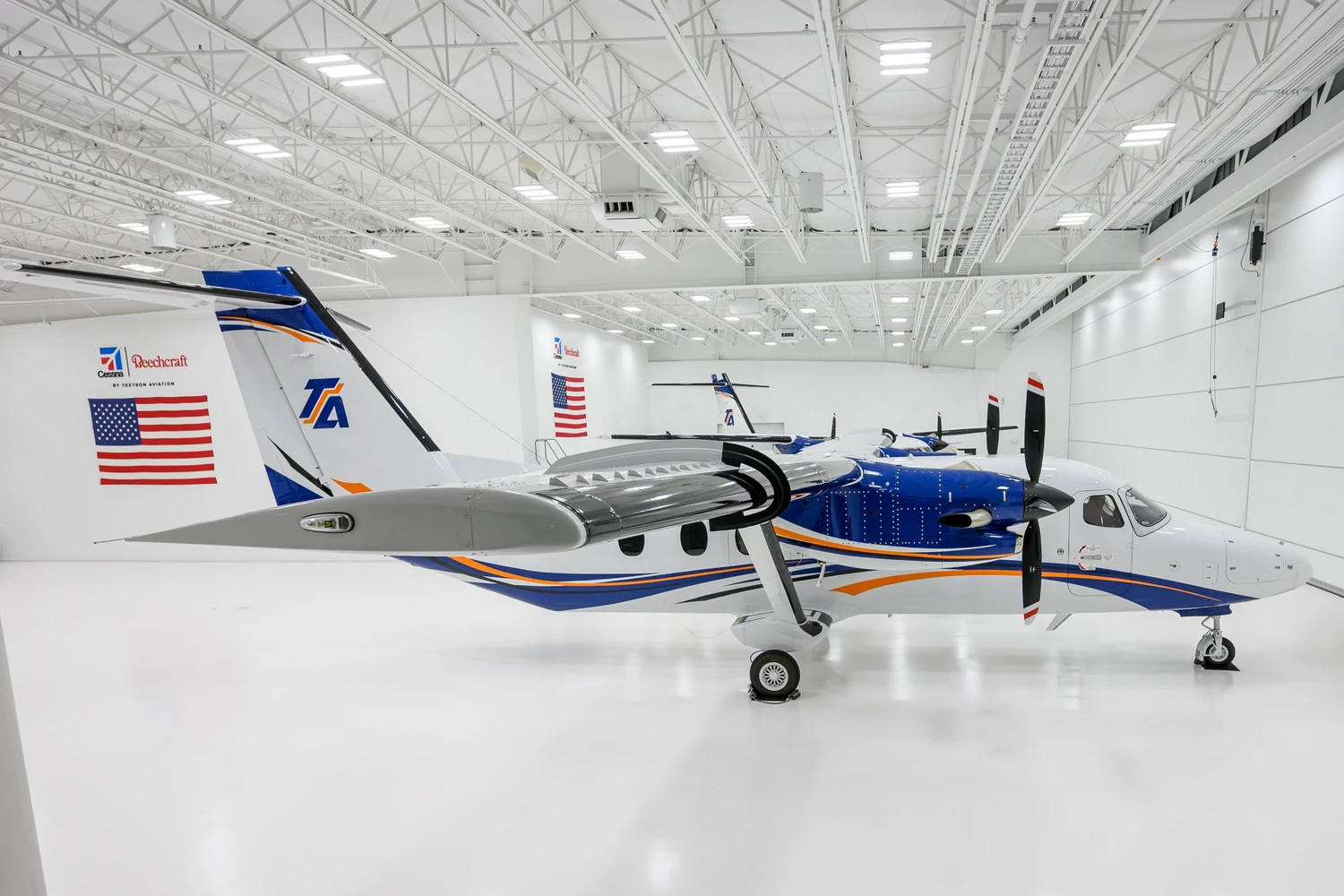
Textron Aviation manufactures business jets, turboprops and general aviation aircraft under the Cessna and Beechcraft brands. Its portfolio includes the Citation business jet family, the Caravan and SkyCourier utility aircraft, and the King Air turboprop family.
Follow Air Data News: WhatsApp | Instagram | LinkedIn | Twitter | Facebook
The aviation division also includes Pipistrel, the Slovenian aircraft manufacturer acquired in 2022, which develops electric and other light aircraft. Textron incorporated Pipistrel into Textron Aviation following an internal reorganization of its electric aviation activities.
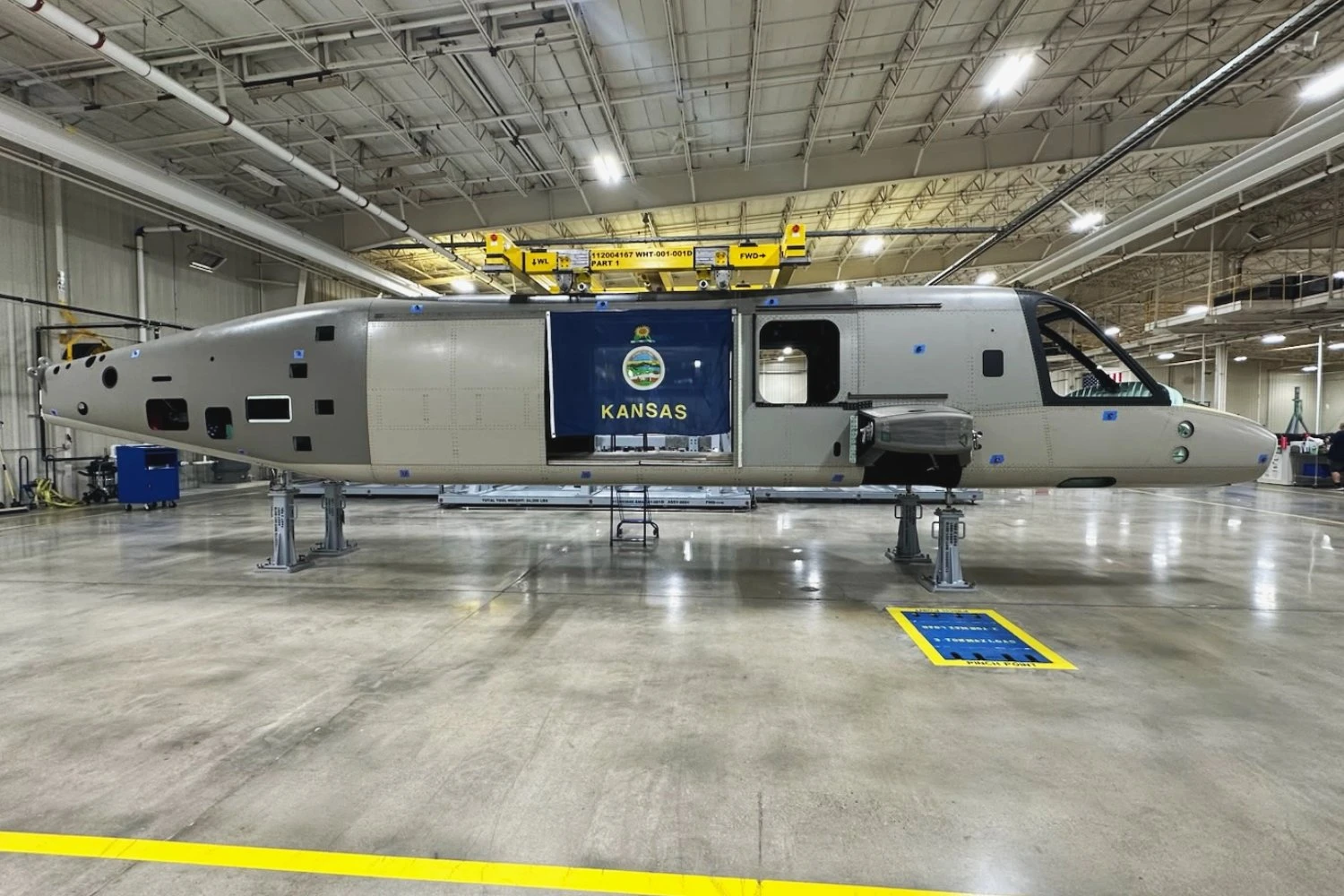
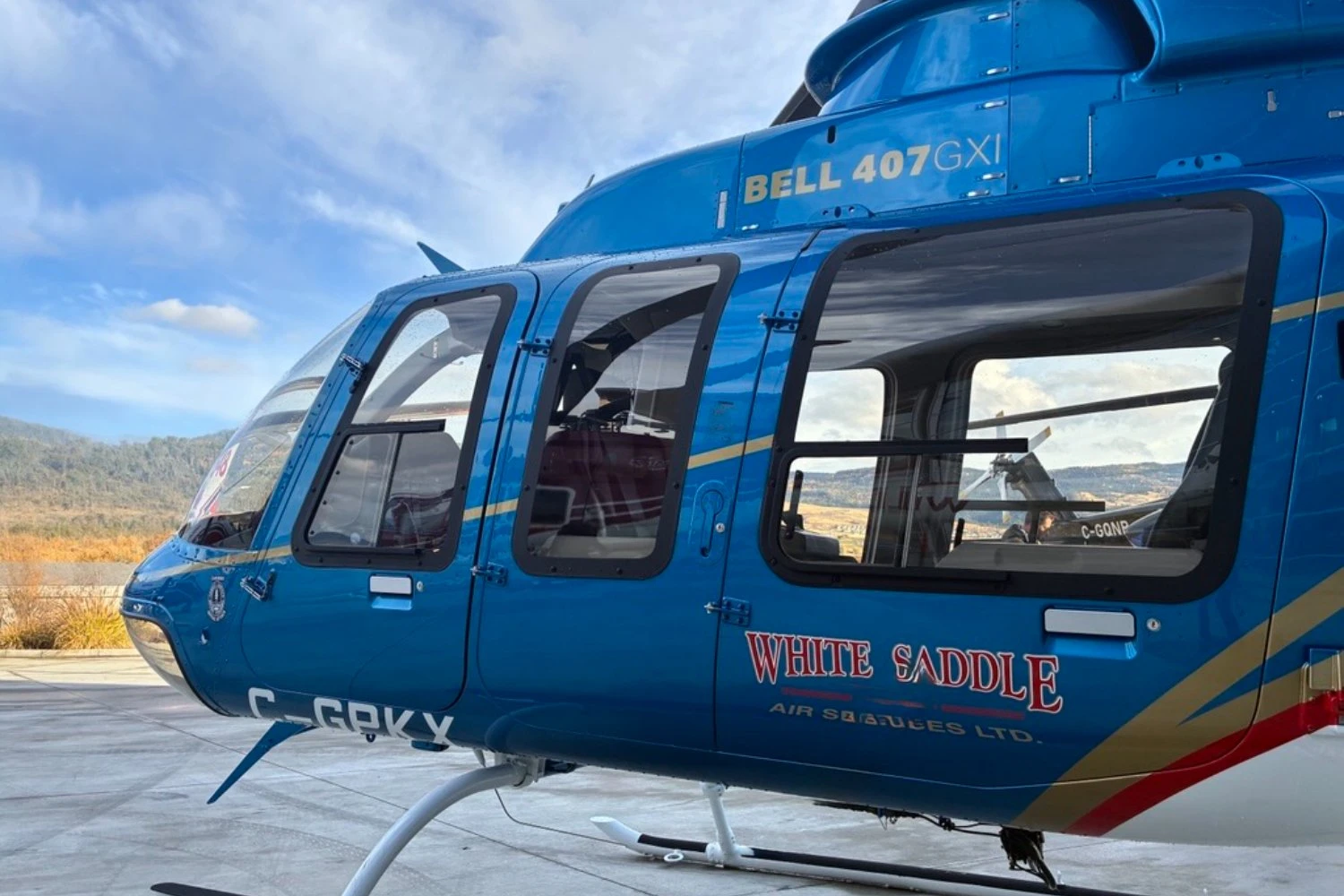
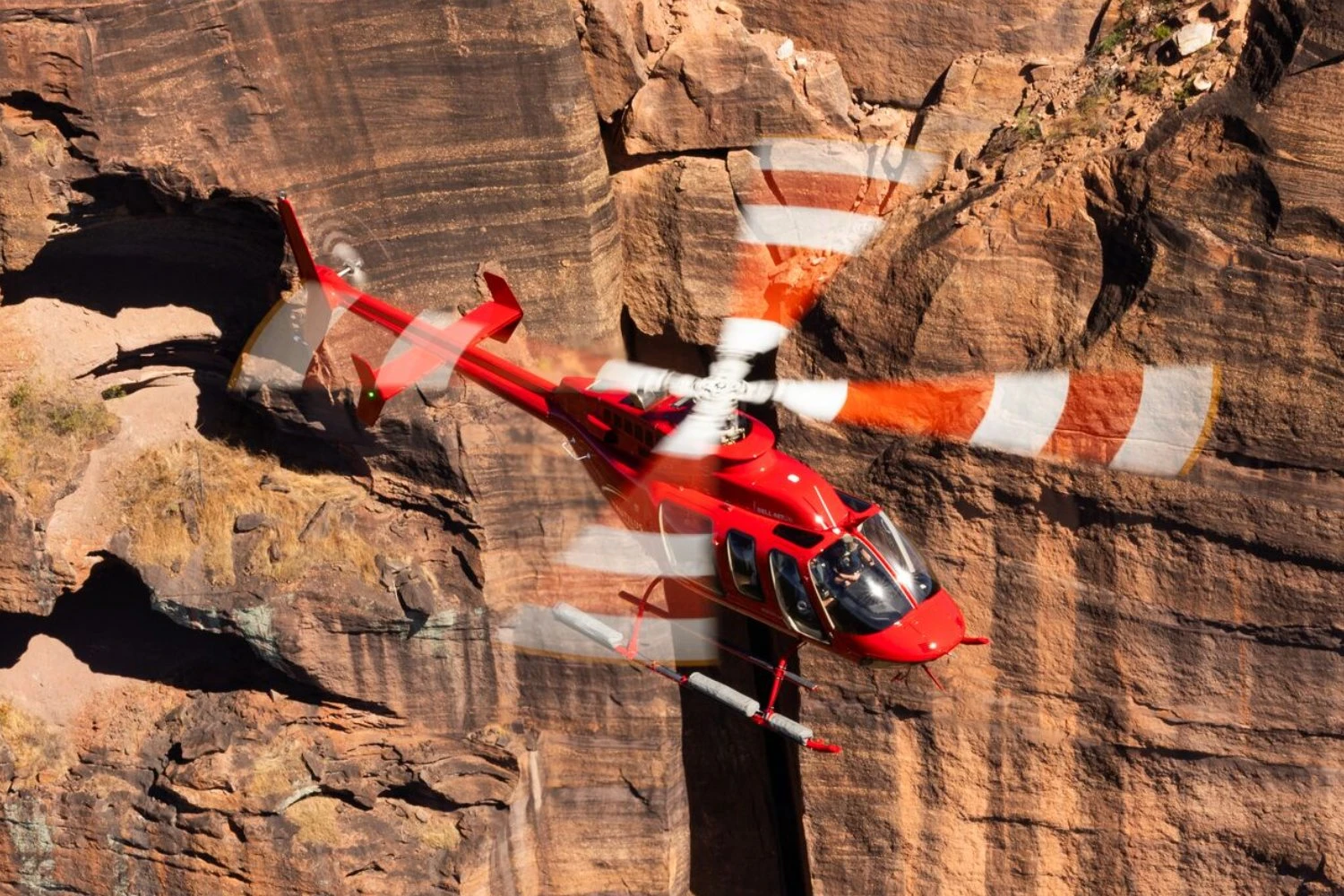
Bell will continue developing and manufacturing commercial and military rotorcraft, including helicopters and tiltrotor aircraft. Its defense programs include the MV-75, the US Army's future long-range assault aircraft, which is being developed from Bell's V-280 Valor demonstrator.
Textron Systems, meanwhile, supplies unmanned aircraft, weapons, military vehicles and other defense technologies. The group will therefore retain a mix of civil aviation manufacturing, military aircraft programs and specialized defense systems.
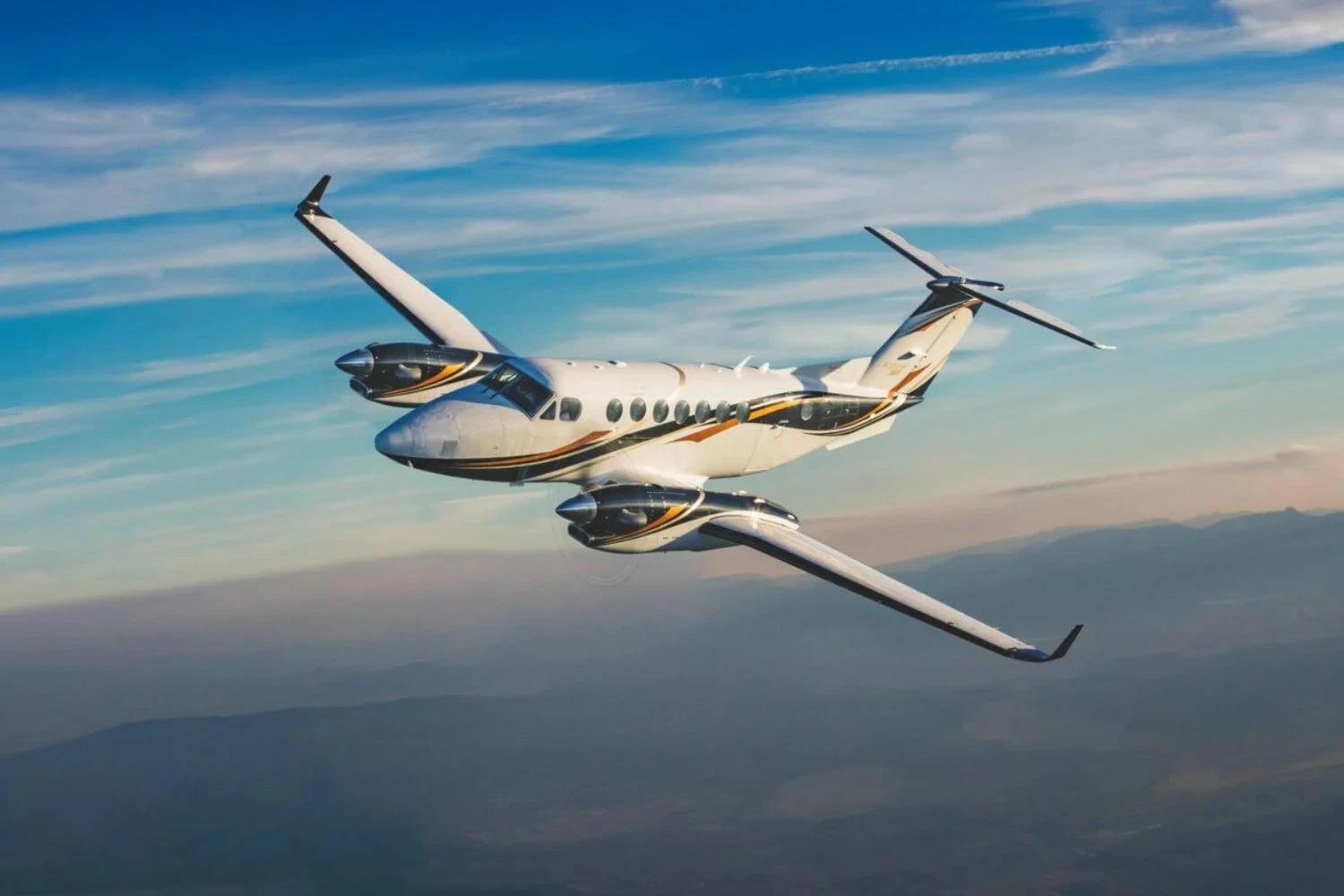
Textron estimates that the company remaining after the divestiture will have more than US$ 12 billion in revenue for 2026 and an order backlog of approximately US$ 19 billion.
Industrial exit was announced in April
The sale follows a strategic review announced in April 2026, when Textron disclosed plans to separate its industrial division. At the time, the company was considering different alternatives, including a sale or the creation of an independent publicly traded business.
The November agreement establishes a buyer and a transaction value, replacing those alternatives with a definitive sale plan.
The industrial division includes several established brands. E-Z-GO and Cushman manufacture golf carts and utility vehicles, and Jacobsen and Ransomes produce turf maintenance equipment.
The transaction also covers TUG Technologies and Douglas Equipment, which supply ground support equipment used at airports. Their inclusion means that Textron will also exit an aviation-related equipment business, despite retaining aircraft manufacturing and defense as its principal activities.
Kautex, the other major business being sold, manufactures plastic fuel systems, battery enclosures and related components for automotive customers.
Textron previously disposed of its powersports business in 2025, another step in reducing its exposure to markets outside aerospace and defense.
Sale proceeds will also support share repurchases
Textron's board has authorized a new share repurchase program covering up to 35 million shares, replacing an earlier authorization issued in February 2026.
The company intends to use part of the industrial sale proceeds for additional repurchases in 2027, alongside its existing commitments to research, development and capital expenditure.
Chief Executive Officer Lisa Atherton described the agreement as a major step toward establishing Textron as a company dedicated to aerospace and defense. The restructuring is intended to concentrate management and capital on the group's aircraft and military businesses.
The transaction will also have an accounting impact before its completion. In a filing with the US Securities and Exchange Commission, Textron said it expects to recognize a non-cash, pre-tax impairment charge of between US$ 350 million and US$ 400 million in the fourth quarter of 2026.
Recent news
November 18, 2026
That amount includes approximately US$ 175 million in accumulated foreign currency translation adjustments. Textron said the charge is not expected to result in material future cash expenditures.

Report an error