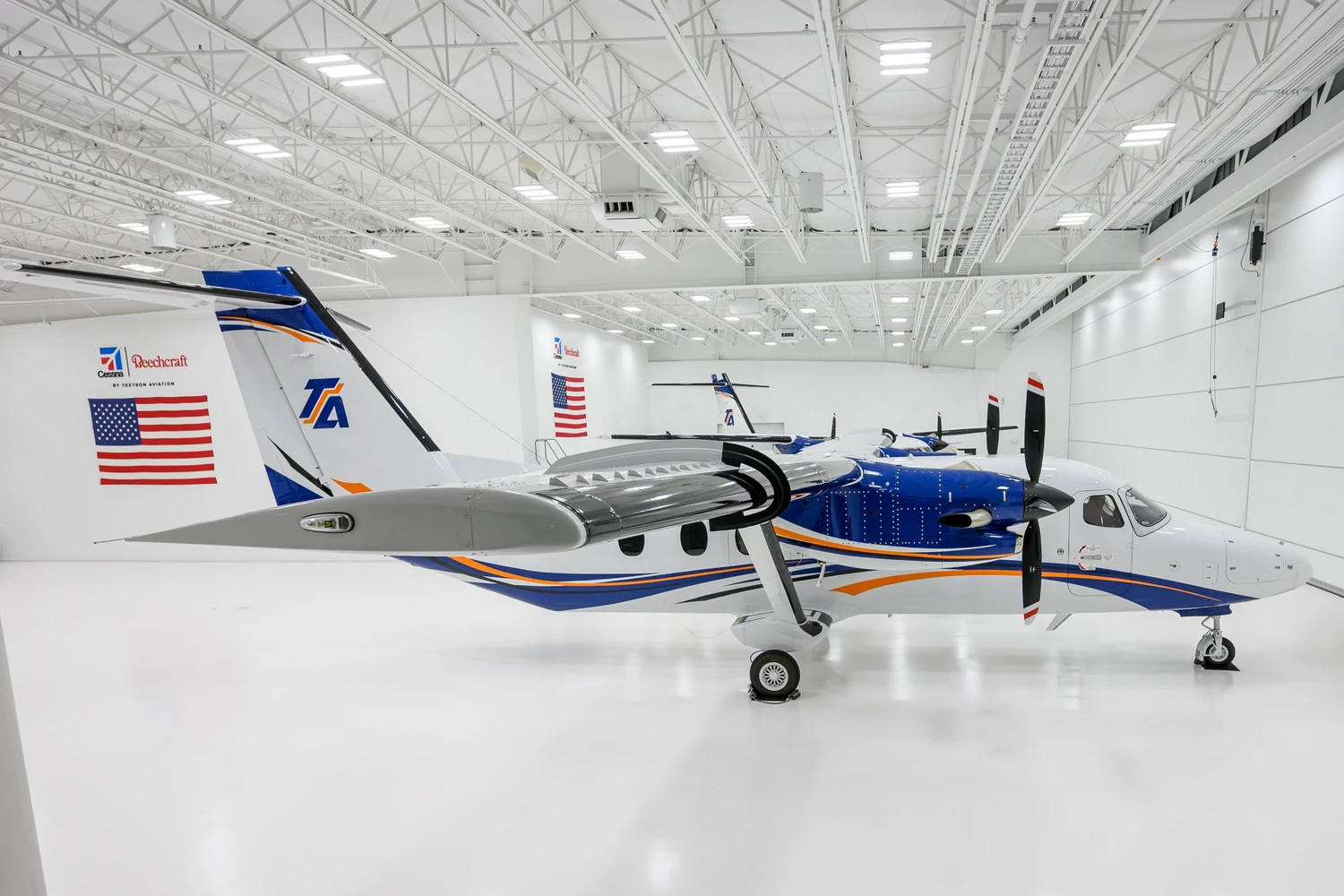
Textron Aviation has delivered two Cessna 408 SkyCourier turboprops to Algeria's Tassili Travail Aérien (TTA), making the company the first African operator of the twin-engine aircraft. The SkyCouriers are also the first examples equipped with a certified aeromedical system, allowing them to alternate between passenger transport, cargo flights and medical evacuation missions.
The aircraft, registered 7T-VIC (construction number 408-0073) and 7T-VID (408-0074), arrived in Algiers on November 2 after a transatlantic delivery flight from the United States. Their journey included stops in Canada, Greenland, Iceland, the United Kingdom and France. Textron formally announced their entry into service on November 18.
TTA is a subsidiary of Sonatrach, Algeria's state-owned oil and gas company. Its aircraft transport personnel and support medical evacuation services for energy operations across the country. The new SkyCouriers will be based in Algiers and Hassi Messaoud, a major center of Algeria's petroleum industry.
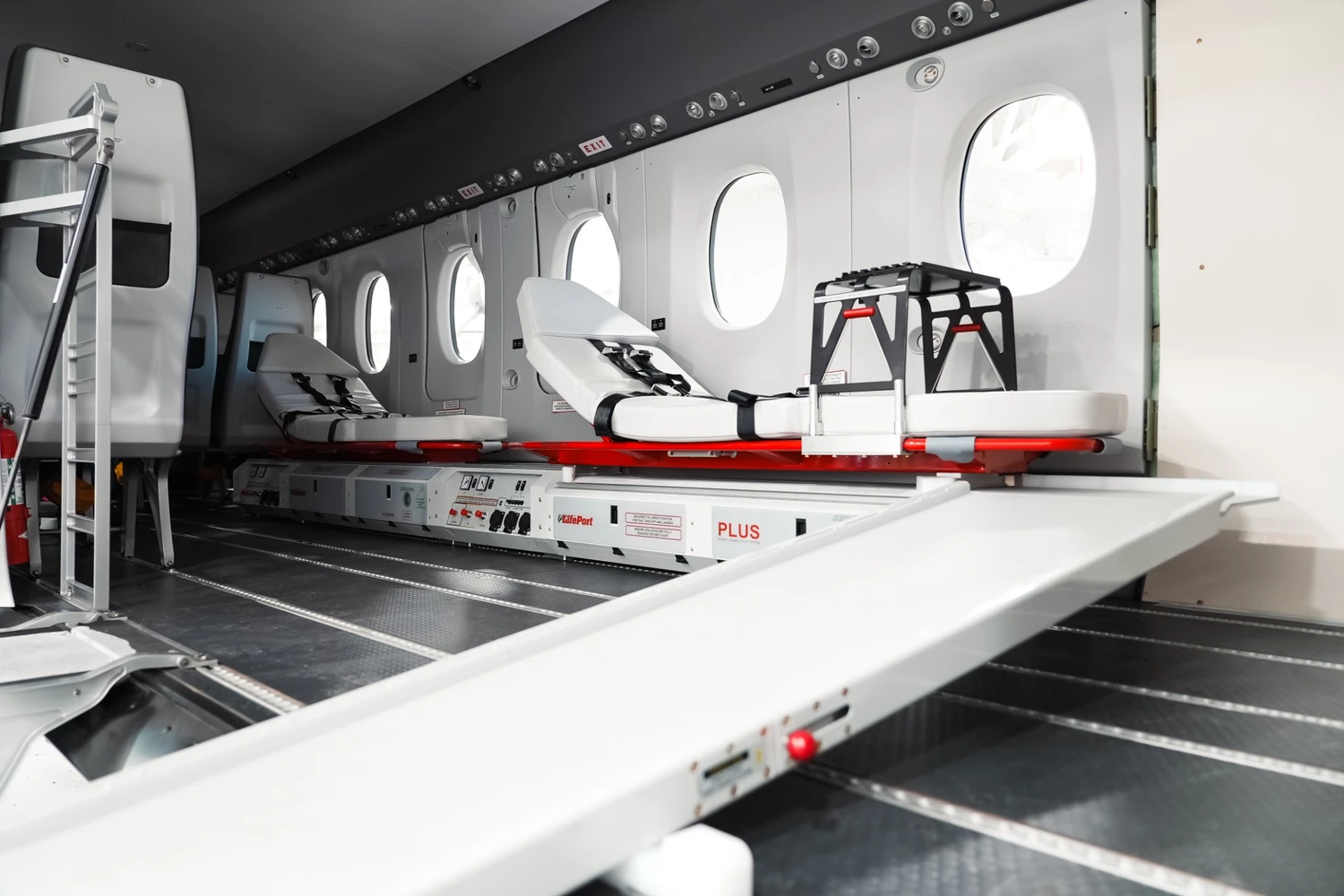
The aircraft feature the LifePort PLUS Powered Medevac System, which enables operators to install medical equipment and reconfigure the cabin for other missions. The arrangement allows TTA to use the same aircraft for routine personnel transport and emergency medical flights.
First African order was placed in 2025
TTA ordered the two aircraft at the Paris Air Show in June 2025, becoming both the first African SkyCourier customer and the launch customer for its certified aeromedical configuration.
The SkyCourier was designed from the outset in both freighter and passenger configurations, with FedEx Express serving as its launch customer. Its high-wing layout, fixed landing gear and large cabin make it suitable for cargo and passenger services, including operations at remote airfields.
Follow Air Data News: WhatsApp | Instagram | LinkedIn | Twitter | Facebook
The passenger version accommodates up to 19 people, and the freighter can carry up to 6,000 pounds (2,722 kg) of payload or three LD3 containers. The aircraft is powered by two Pratt & Whitney Canada PT6A-65SC turboprops and has a maximum cruise speed exceeding 200 knots.
For TTA, the ability to change cabin configurations is particularly relevant because its missions combine scheduled personnel movements with occasional medical evacuations. The aircraft's arrival introduces the SkyCourier to a new continent rather than simply adding another customer in its established North American market.

SkyCourier expands into South America and Europe
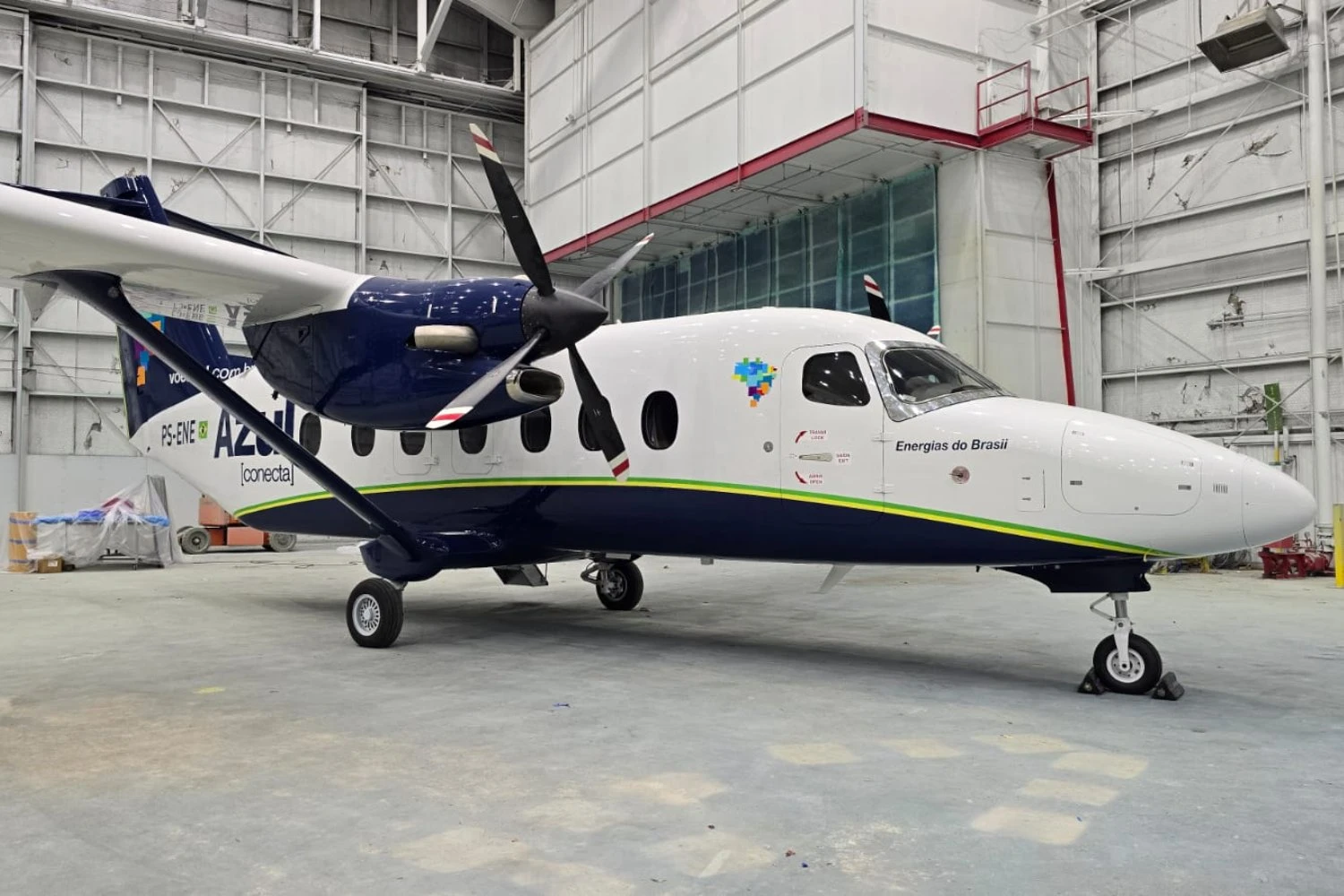
The Algerian deliveries follow the SkyCourier's recent arrival in South America. Brazilian operator CTA Táxi Aéreo received its first aircraft in 2025, followed by Azul Conecta, which introduced the type for operations in the Amazon region, including dedicated transport services for Petrobras, Brazil's state-controlled oil and gas company.
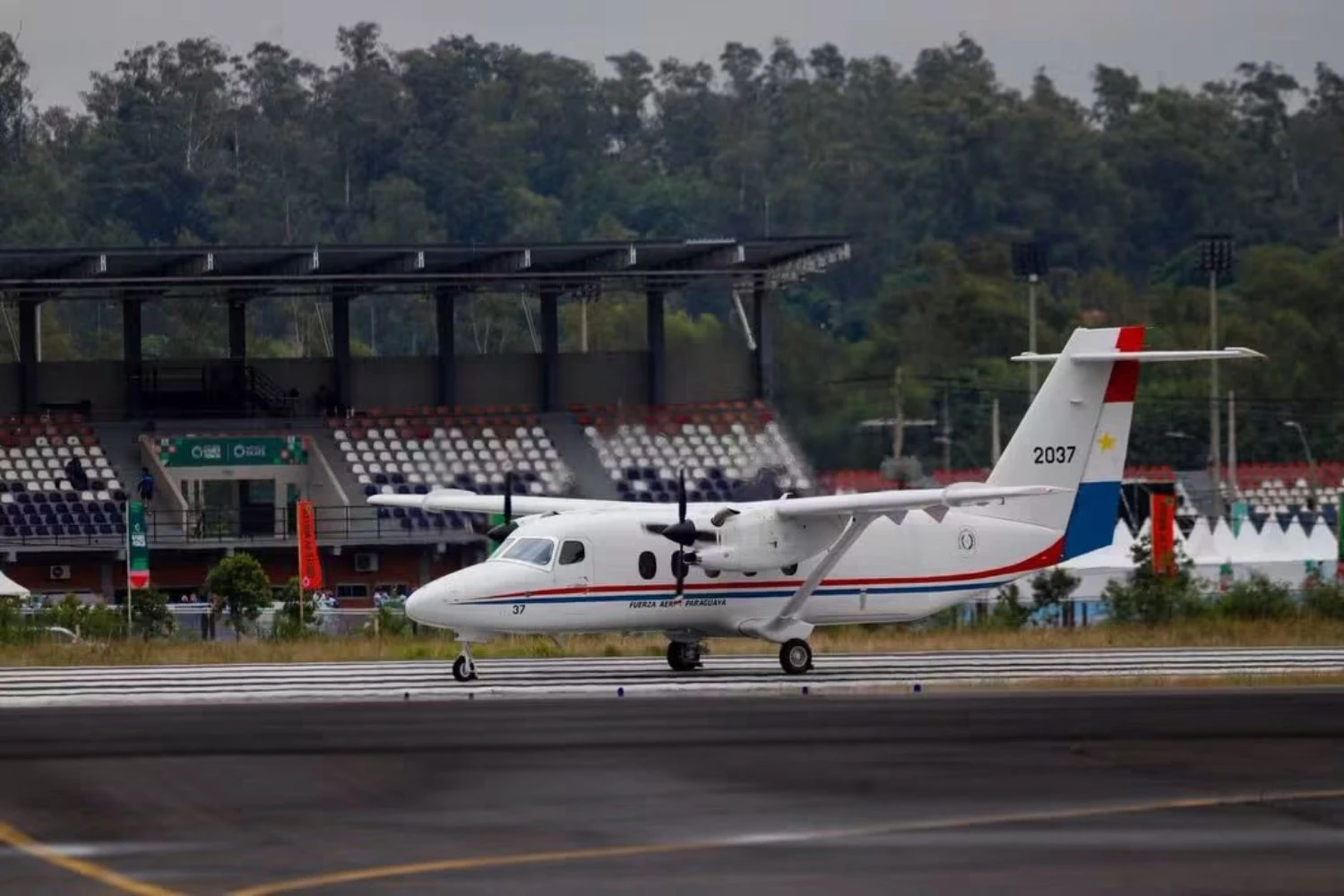
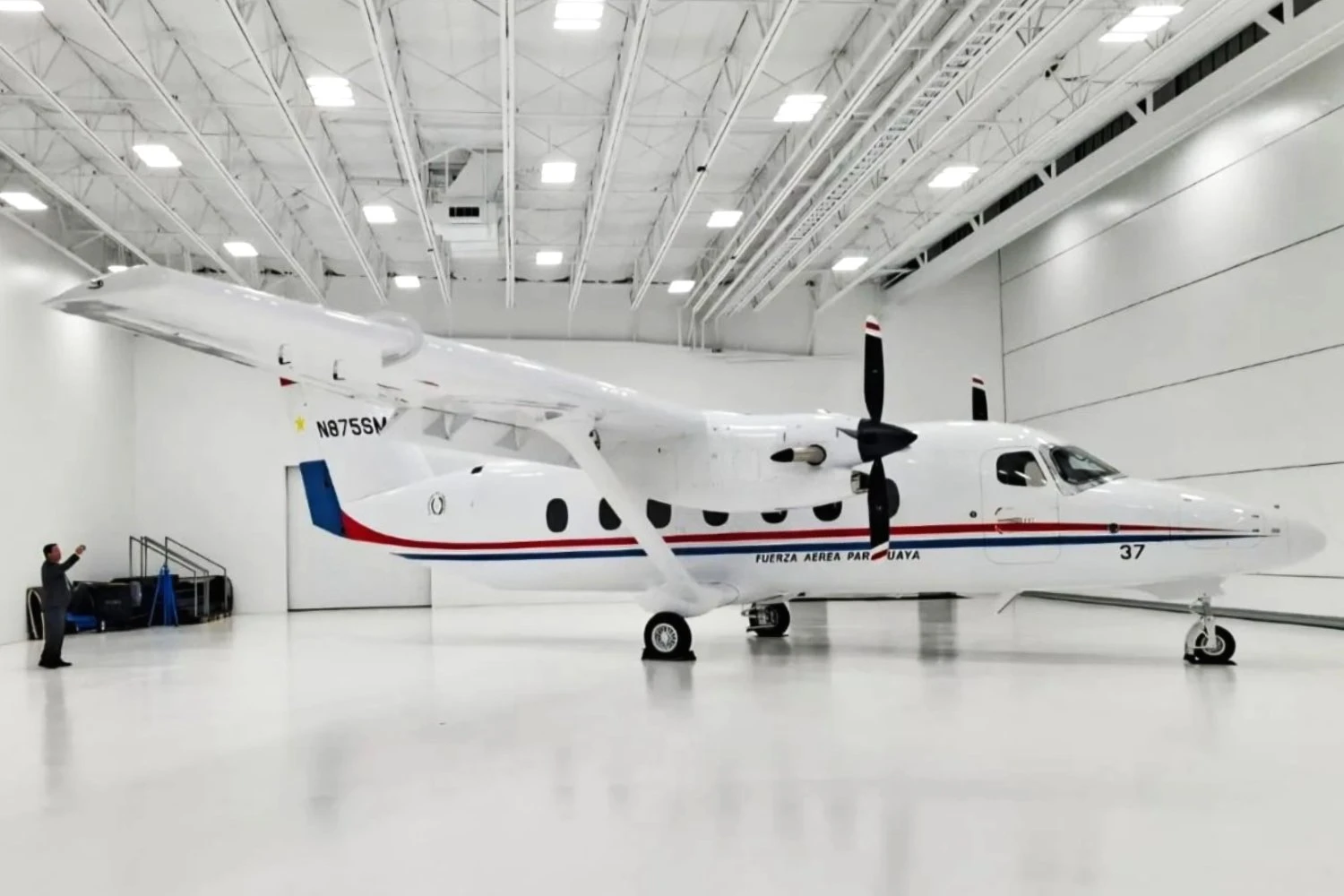
The Paraguayan Air Force also received a SkyCourier in 2026, adding a military operator to the aircraft's growing international customer base. These deliveries illustrate the range of commercial and military applications for which the aircraft was designed.
Europe has yet to establish a comparable operating fleet. Belgium ordered five SkyCouriers in April 2026 for its special operations forces, with deliveries to Sabena Engineering expected to begin in 2027 before military modifications are completed.
Related news
The Belgian order followed Textron's efforts to introduce the SkyCourier to European customers through demonstration flights. Unlike the Algerian aircraft, however, those five aircraft have not yet entered service.
The two SkyCouriers delivered to Algeria also share an operational connection with Brazil's Azul Conecta: both operators will use the aircraft to support activities associated with the oil and gas industry, although the Algerian aircraft add a dedicated medical evacuation capability.

Report an error