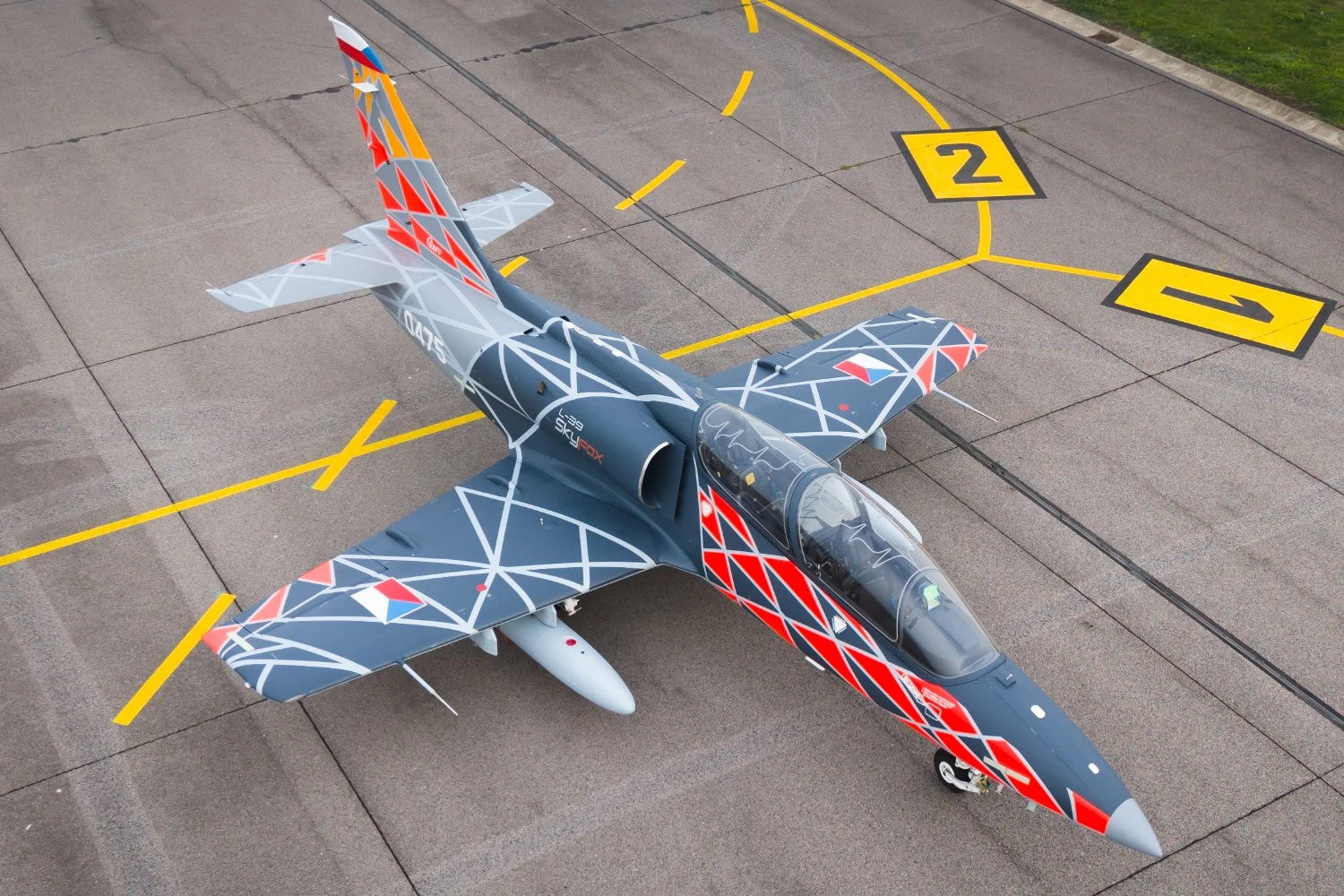
Ukraine could receive up to 16 new Aero L-39 Skyfox jets from the Czech Republic for missions against Russian drones, according to statements made by Czech Industry and Trade Minister Karel Havlíček during a visit to Kyiv on November 11. The proposed aircraft would be newly manufactured, rather than older L-39 trainers taken from existing military inventories.
Havlíček said that four aircraft had previously received confirmation and that discussions were underway concerning another 12. The larger package has received a preliminary positive response, but no final contract, delivery schedule or financing arrangement has been announced.
The information was reported by Czech news agency ČTK and public broadcaster Czech Television. The potential agreement would provide Ukraine with a new type of light jet at a time when Russian long-range drones continue to threaten Ukrainian cities and infrastructure.
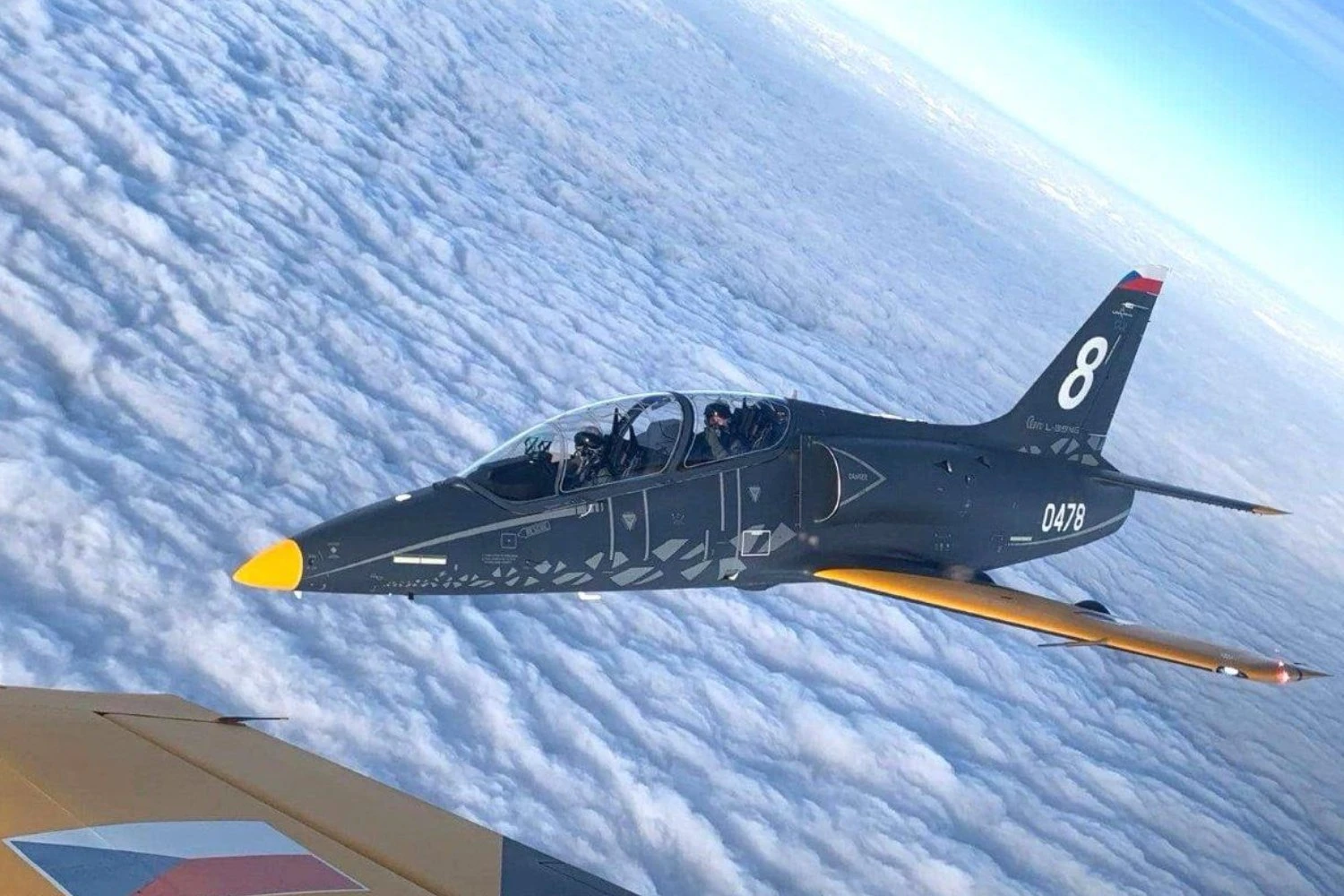
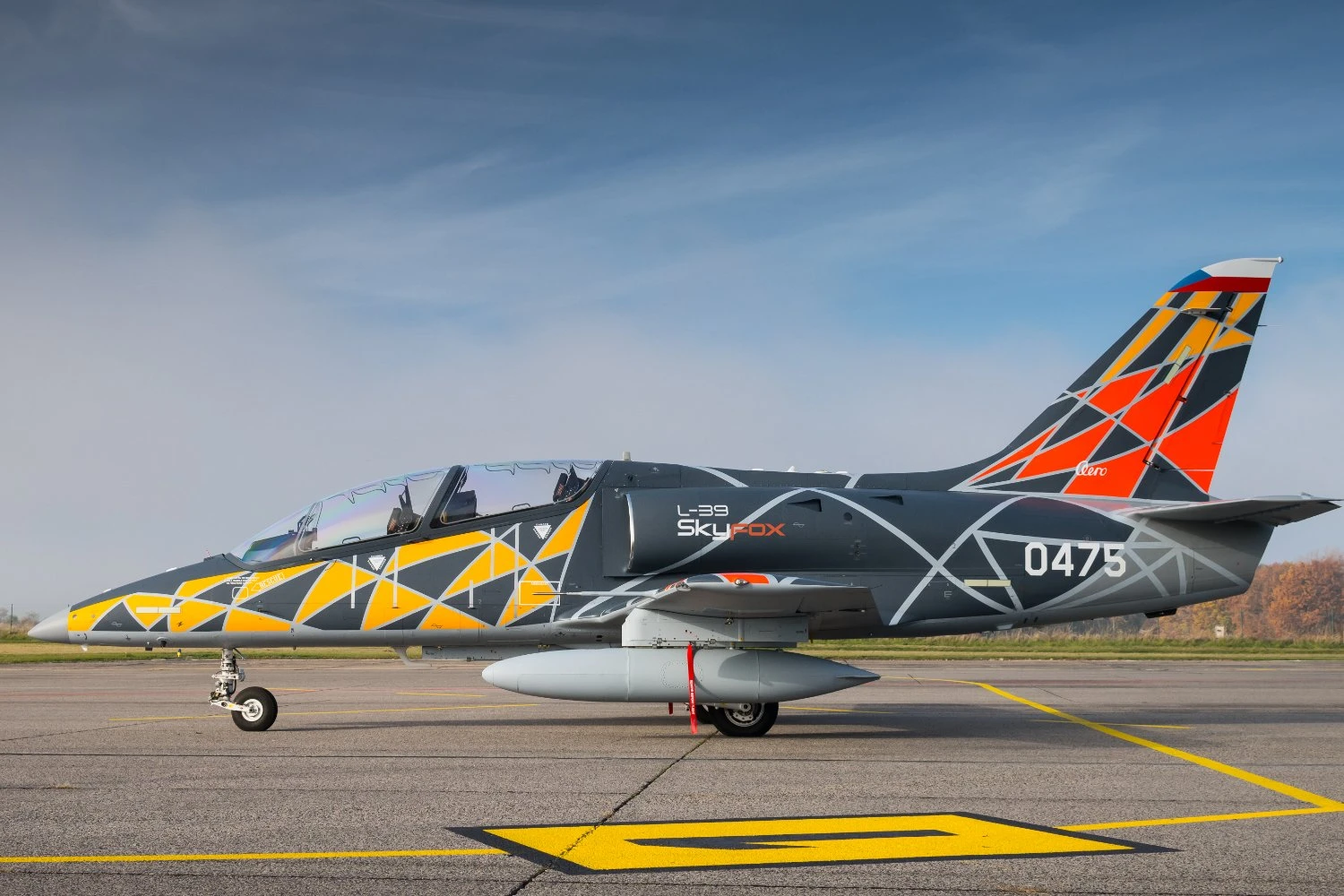
The Skyfox is the latest generation of the Czech-built L-39 trainer, originally developed under the L-39NG designation. Although it retains the historic L-39 name, the aircraft features a redesigned airframe, modern digital avionics and a Williams FJ44 turbofan engine. Series production began in 2023.
Alternative to Czech L-159 attack jets
Ukraine had previously expressed interest in acquiring Aero L-159 ALCA light attack aircraft from the Czech Air Force. However, Prague declined to release the jets, arguing that they remain necessary for the country's own defense requirements.
Aero Vodochody subsequently promoted the Skyfox as an alternative that could be manufactured specifically for Ukraine. Unlike the L-159, which is an established combat aircraft, the Skyfox was developed primarily as a military trainer, although its design also allows light combat applications.
Follow Air Data News: WhatsApp | Instagram | LinkedIn | Twitter | Facebook
The manufacturer has been developing a specialized configuration called Drone Hunter, intended to intercept unmanned aircraft at a lower operating cost than conventional fighter jets.
Presented in September, the concept includes electro-optical targeting equipment and launchers for 70 mm (2.75-inch) guided rockets. In October, Aero signed an agreement with Thales Belgium to integrate the FZ275 laser-guided rocket into the Skyfox.
The system is intended to engage drones using relatively inexpensive weapons rather than the more costly air-to-air missiles carried by modern fighters. However, the Drone Hunter configuration remains under development, and its operational effectiveness has not yet been demonstrated.
Production capacity could delay deliveries
A major obstacle to the proposed Ukrainian acquisition is the manufacturer's existing production schedule.
Aero Vodochody currently produces approximately 12 Skyfox aircraft annually and has indicated that its capacity could increase to 18. According to information released in September, existing orders already occupied its production lines until the second quarter of 2027.
This means that even if Ukraine finalizes an agreement, deliveries may depend on additional production capacity or adjustments to the manufacturer's existing commitments.
Related news


November 11, 2026
November 10, 2026
The Ukrainian defense publication Defense Express had already warned in January that acquiring newly manufactured Czech jets could involve lead times exceeding two years, depending on production availability and contract conditions.
Another consideration is the integration of the Drone Hunter equipment. The proposed configuration is not yet a fully operational weapon system, and additional testing and certification work may be required before the aircraft can perform the intended missions.
Ukraine already uses a combination of fighter aircraft, helicopters, mobile ground units and other systems to intercept Russian drones. A dedicated light jet could offer another option, particularly against targets that do not require the capabilities of a modern multirole fighter.
The Czech proposal would therefore address a genuine operational requirement, although the timetable for manufacturing and equipping the aircraft remains uncertain.