The UK government and Rolls-Royce agreed this week on a joint ten-year, £2.5 billion (US$3.35 billion) research and technology program that could put the British manufacturer back in the narrowbody engine market after an absence of almost 15 years.
The agreement was announced on Wednesday, October 28, during the UK Budget. Rolls-Royce and the government will jointly fund the program, although they have not yet decided how the costs will be divided. No new government grants have been awarded under the agreement, which still requires final terms to be negotiated.
Rolls-Royce expects to invest significantly more than the government in its narrowbody program. The company plans to develop technologies that could eventually power aircraft replacing today's Airbus A320neo and Boeing 737 MAX families, with new single-aisle jets expected to enter service in the mid-to-late 2030s.
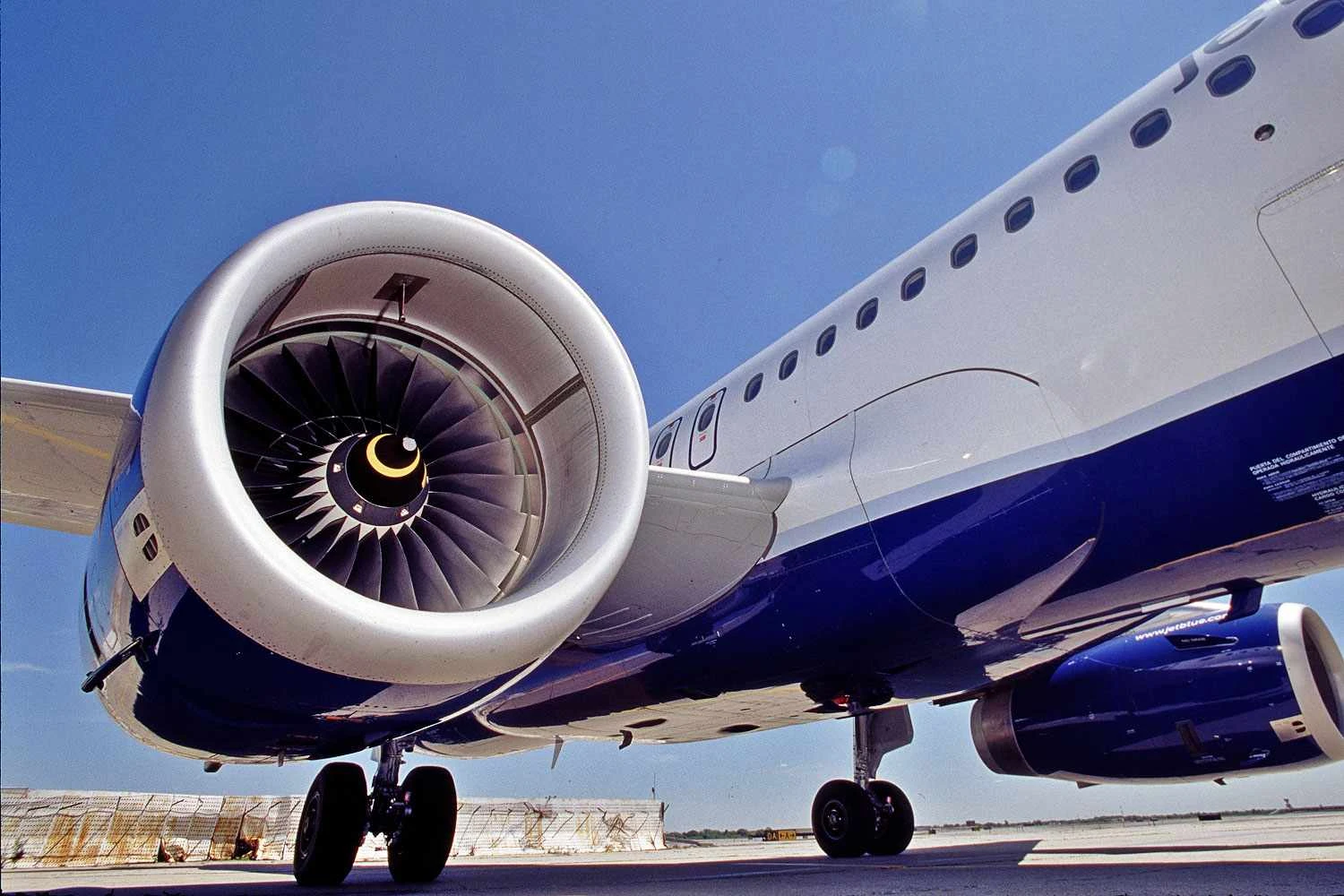
In June 2025, Rolls-Royce revealed the UltraFan 30, a smaller version of its UltraFan architecture designed to demonstrate technologies suitable for narrowbody engines. Ground tests are planned for 2028.
Follow Air Data News: WhatsApp | Instagram | LinkedIn | Twitter | Facebook
Earlier this year, Rolls-Royce also secured €64 million (US$74 million) from the European Union's Clean Aviation program to develop technologies used by the UltraFan 30 demonstrator.
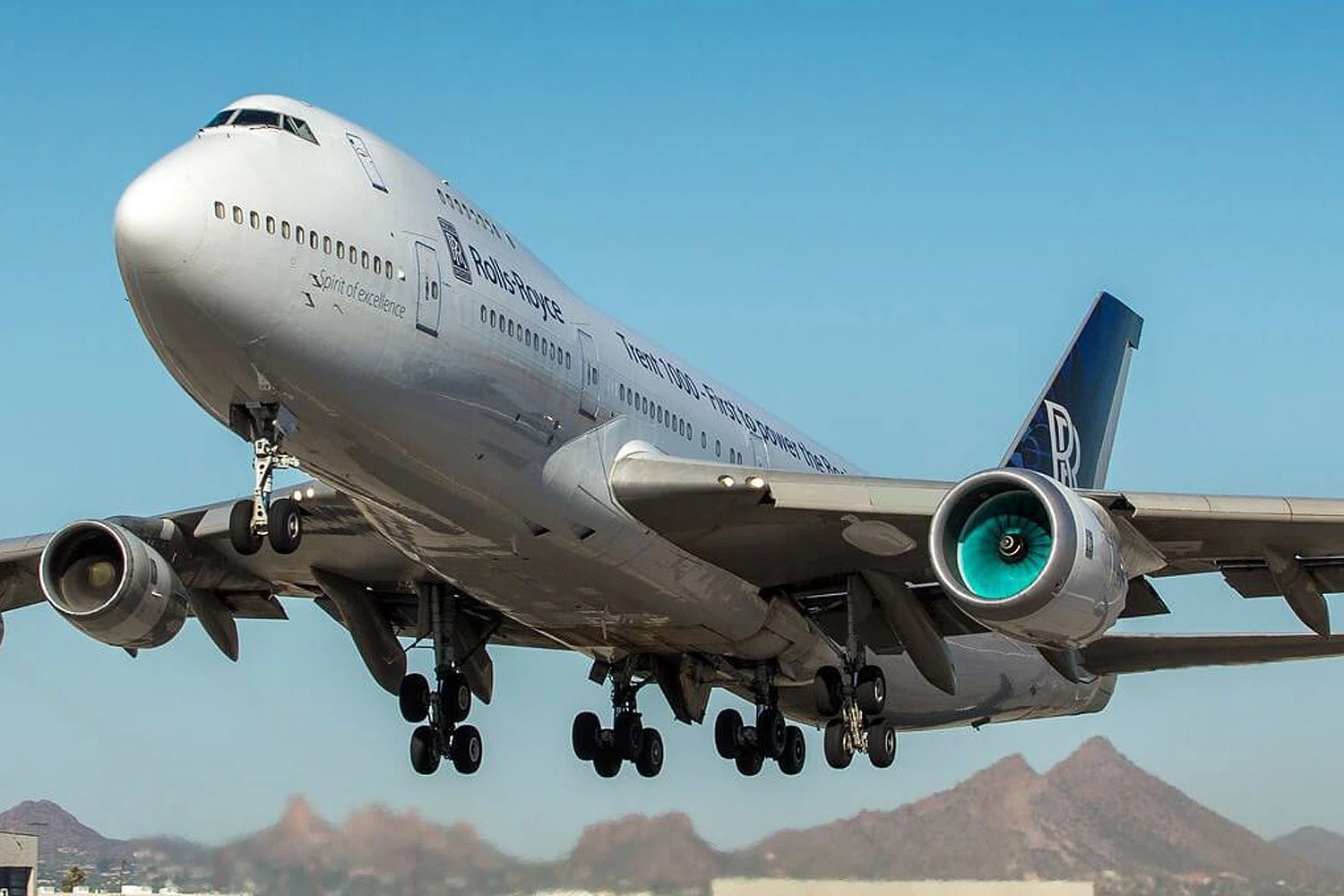
Rolls-Royce left narrowbodies in 2012
Rolls-Royce remains one of the world's largest commercial aircraft engine manufacturers, but its airline business is concentrated on widebody aircraft. Trent engines power the Airbus A330neo and A350 and some Boeing 787s, while the company also has a significant presence in business aviation.
It has no engine on either the A320neo or 737 MAX, the aircraft families responsible for most commercial jet production today. Rolls-Royce previously competed in this segment through International Aero Engines (IAE), the consortium behind the V2500 used by the previous-generation Airbus A320 family, but sold its stake to Pratt & Whitney in 2012.
Related news
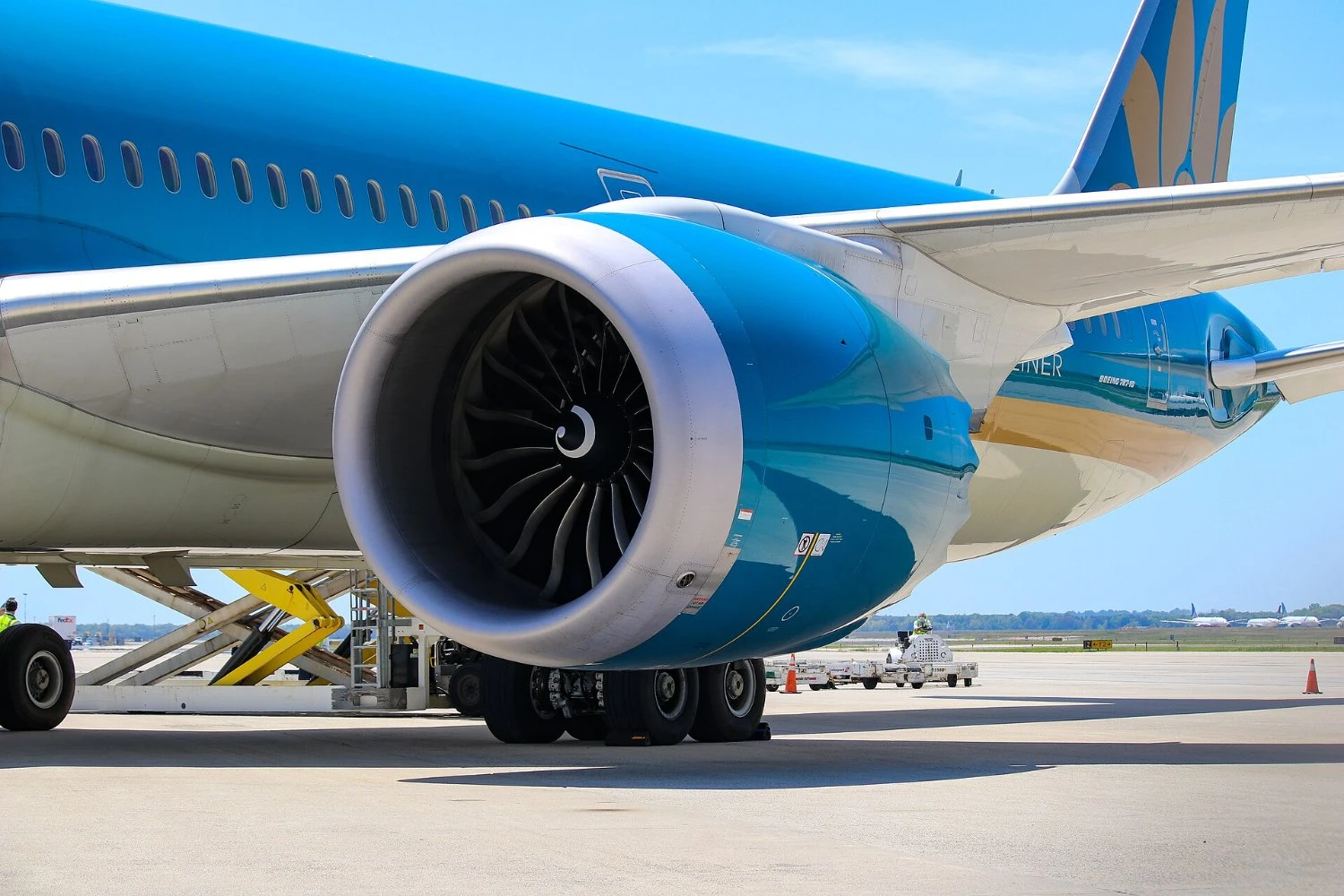
The narrowbody market is now dominated by CFM International and Pratt & Whitney. CFM, a joint venture between GE Aerospace and Safran Aircraft Engines, supplies the LEAP-1A on the A320neo family and is the exclusive engine supplier for the 737 MAX with the LEAP-1B. Pratt & Whitney offers its PW1100G geared turbofan on the Airbus family.
Rolls-Royce wants to compete again when Airbus and Boeing choose engines for their next aircraft. Chief Executive Tufan Erginbilgic has said both manufacturers want the company to participate, and Rolls-Royce intends to enter the market with a partner if its technology is selected.
Government wants engines built in the UK
The British government views the next generation of narrowbody aircraft as a major opportunity for the country's aerospace industry. Industry Minister Blair McDougall told Reuters on Friday from Rolls-Royce's Inchinnan facility near Glasgow that governments have historically shared the financial risks of major aerospace programs because of the investment required.
The initial stage of the program is expected to sustain 3,300 jobs at Rolls-Royce and companies in its supply chain by the end of 2029. If the manufacturer wins a place on a future narrowbody aircraft, Rolls-Royce plans to assemble and test the engine in the UK and expand domestic production of components including high-pressure turbine blades and composite fan blades.
The government estimates that single-aisle aircraft could account for about US$164 billion of a US$278 billion annual global commercial aerospace market by 2050.