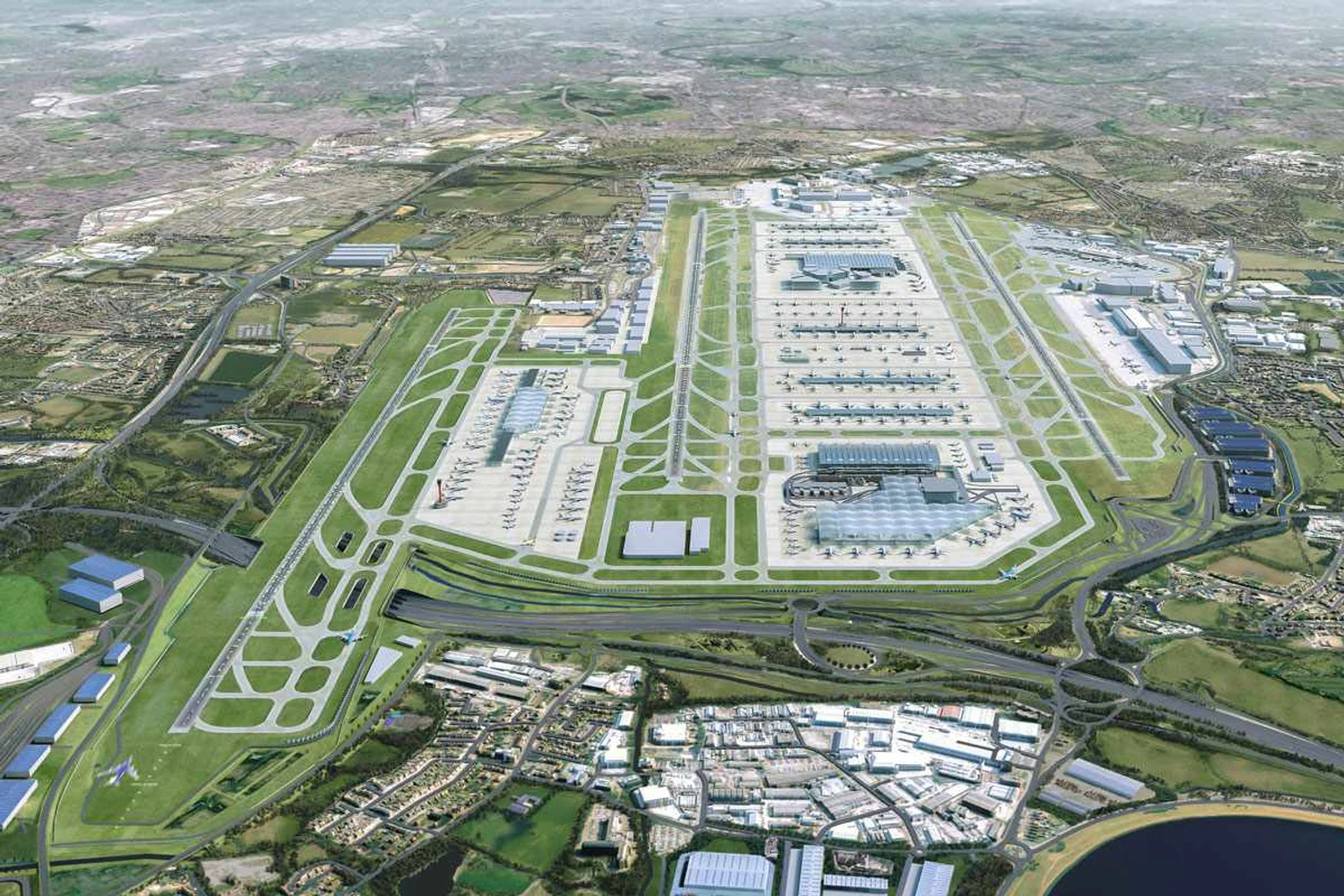
Airlines should pay for the measures required to compensate for emissions associated with the expansion of London Heathrow Airport, including sustainable aviation fuel and permanent carbon removals, according to a new assessment by the UK's Climate Change Committee (CCC).
The independent statutory body concluded that a third runway cannot be reconciled with the UK's climate commitments under current policies. Instead of recommending that expansion be ruled out, however, the CCC outlined additional measures that it says could allow increased airport capacity while keeping aviation within the country's emissions targets.
Follow Air Data News: WhatsApp | Instagram | LinkedIn | Twitter | Facebook
Central to the proposal is the "polluter pays" principle. The committee argues that the aviation industry, rather than taxpayers, should bear the cost of reducing emissions and removing residual carbon dioxide from the atmosphere.
Heathrow currently accounts for around half of UK aviation emissions. According to the CCC, an expanded airport could account for 6.9% of the UK's remaining carbon emissions in 2050.
Air fares could absorb decarbonization costs
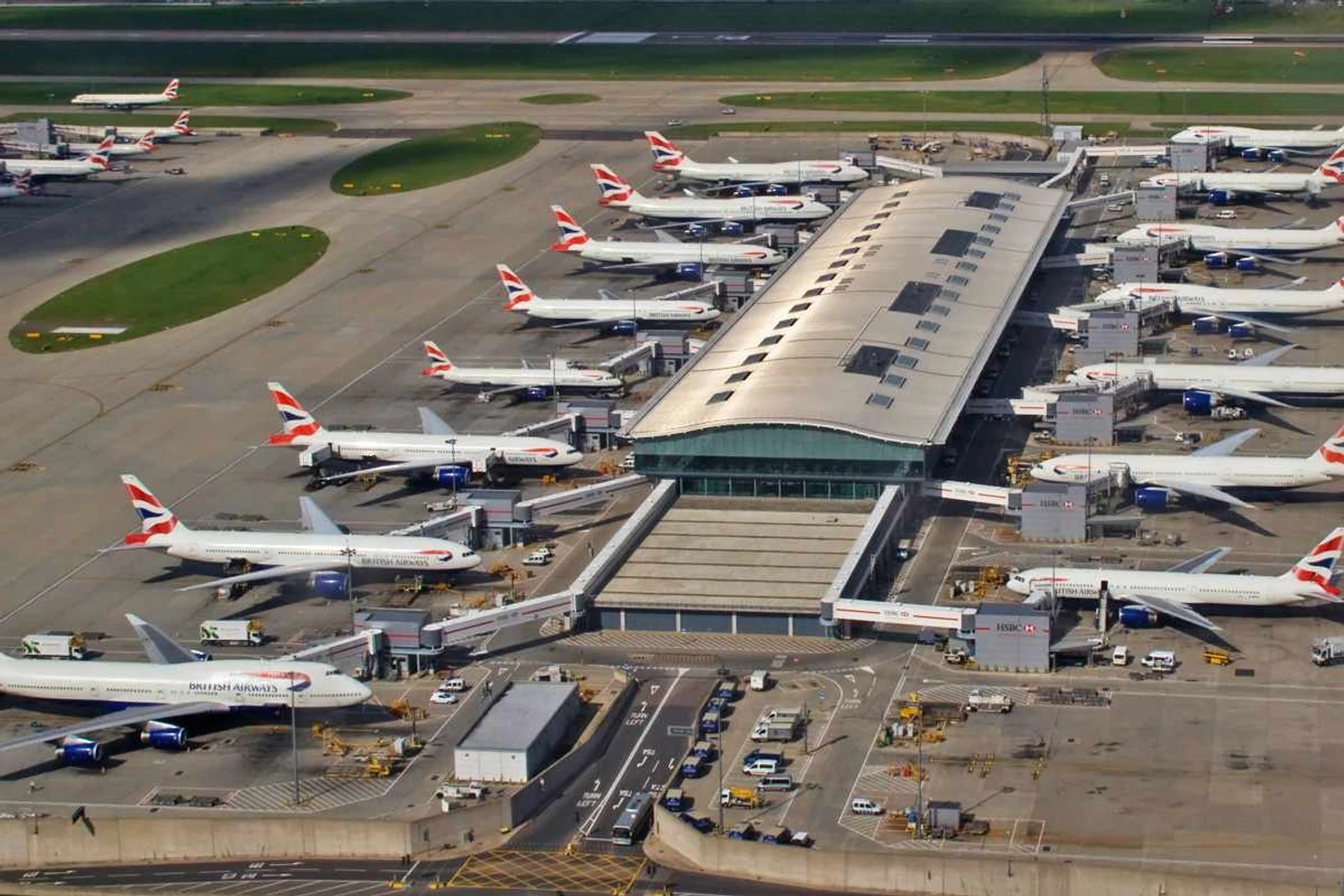
The measures would ultimately affect the price of flying. The CCC estimates that by 2050 a return trip to Alicante could cost around £150 (US$200) more, while a return trip to New York could increase by approximately £400 (US$540).
The increases would be introduced progressively rather than immediately, as the cost of cleaner fuels and carbon removal is incorporated into aviation over the next 25 years.
Higher fares would also play a role in limiting demand growth. Under the CCC's pathway for aviation in 2050, 24% of the required emissions reduction would come from lower growth in demand.
Technology alone would not eliminate aviation emissions
Improvements to aircraft and operations remain an important part of the proposed pathway, but the CCC assessment indicates they would not be sufficient to offset aviation growth.
Efficiency improvements would provide about 20% of the required emissions reduction by 2050. Another 20% would come from increased use of sustainable aviation fuel.
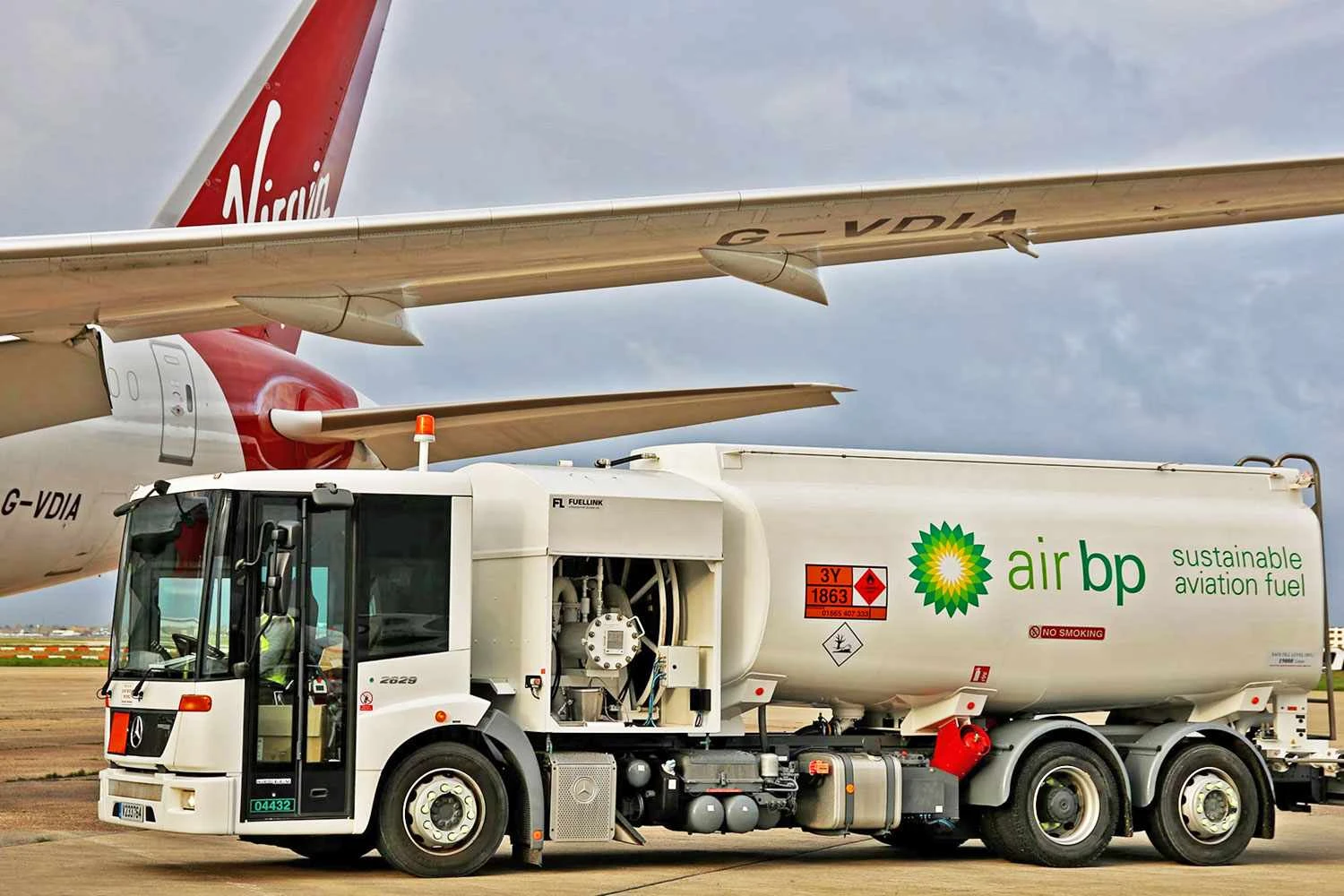
These measures encompass the industry's ongoing efforts to reduce fuel consumption and replace conventional fossil-based jet fuel. Aircraft manufacturers and airlines are pursuing more efficient engines, lighter structures and improved aerodynamics, while SAF can reduce lifecycle carbon emissions without requiring the immediate replacement of the existing aircraft fleet.
Even with those developments, substantial residual emissions would remain. The largest single contribution in the CCC pathway, 36%, would therefore come from permanent carbon removals.
That distinction is significant for aviation because aircraft would continue to emit carbon dioxide while flying. Rather than assuming future aircraft technology can eliminate those emissions, the proposed framework would require the industry to pay for removing an equivalent quantity of CO2 elsewhere.
Third runway depends on additional policies
The CCC said the cost of SAF and permanent carbon removals should be borne by the aviation industry. Chairman Nigel Topping said airport expansion should not proceed unless the sector takes responsibility for its emissions and pays for the measures required to address them.
The assessment was prepared for the UK Department for Transport as the government considers Heathrow's proposed third runway. The project would increase capacity at Britain's largest airport and allow additional flights, adding emissions at the same time that the country is required to reduce its overall carbon output.
The government will have to determine whether and how these recommendations become part of the conditions attached to Heathrow expansion, including mechanisms that would require airlines to fund SAF and carbon removals as traffic increases.