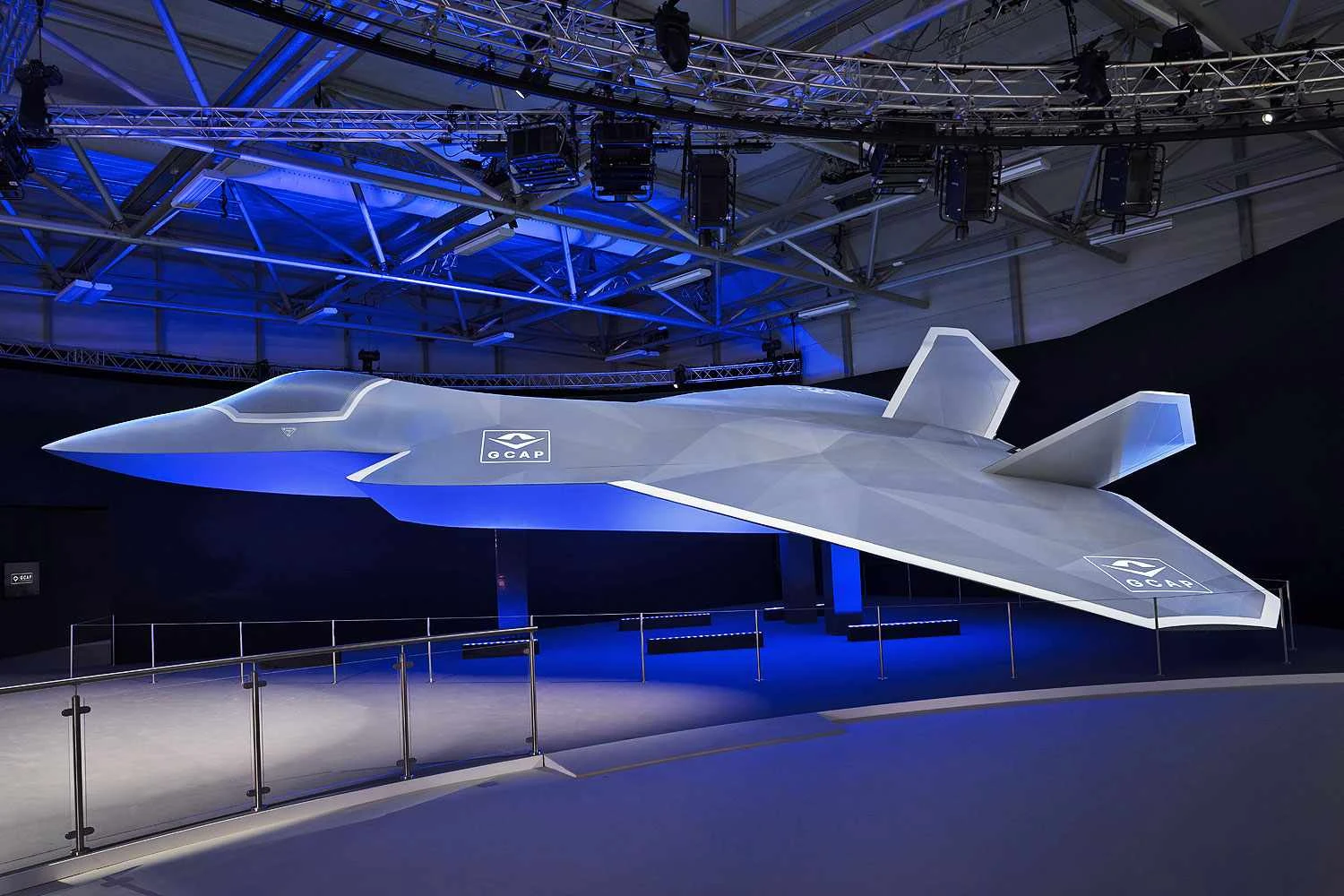
The United Kingdom and Japan have reaffirmed their commitment to the Global Combat Air Programme (GCAP), describing the next-generation fighter initiative as a central element of defense industrial cooperation between the two countries.
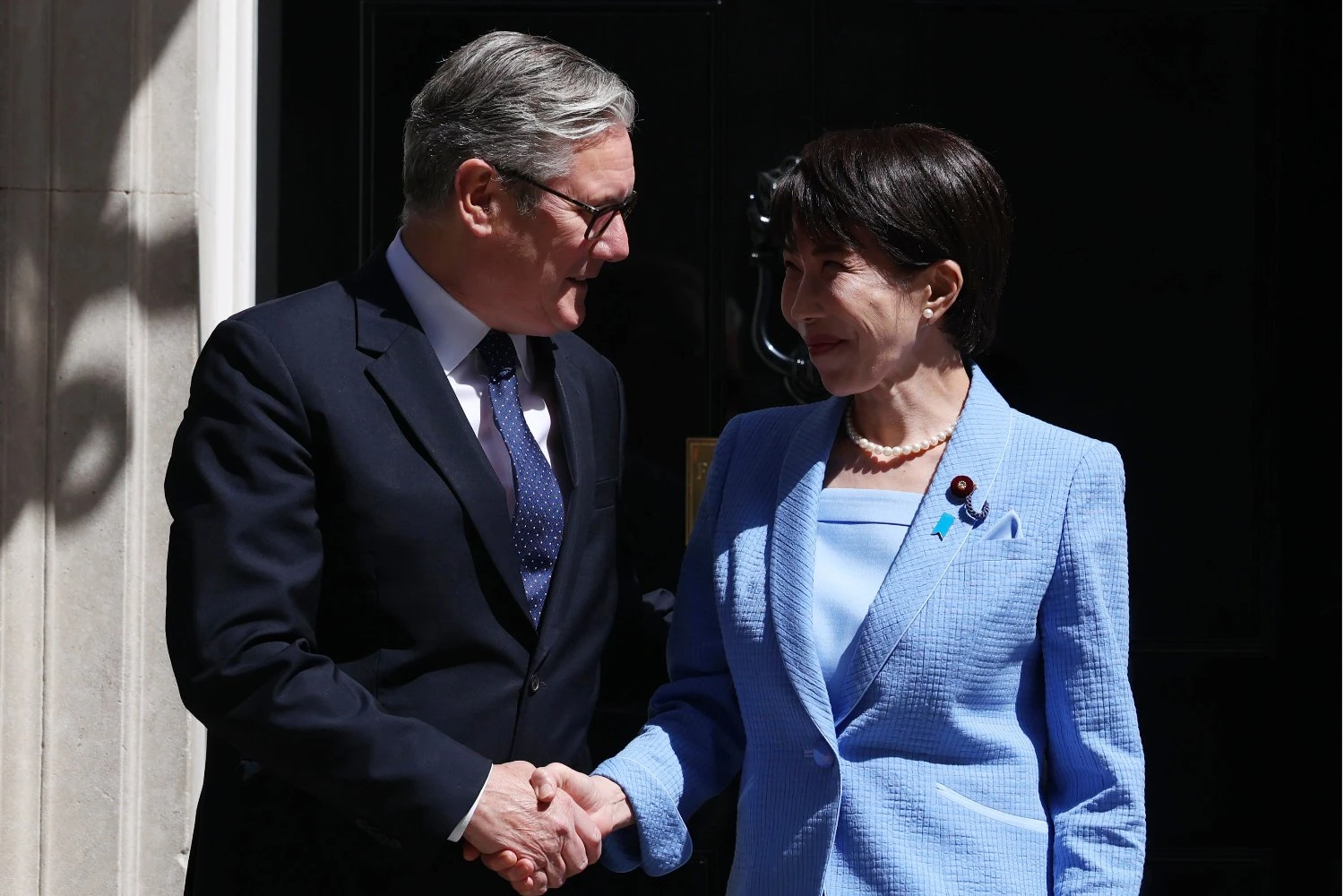
The commitment was included in a joint declaration on economic security signed in London on June 14 by British Prime Minister Keir Starmer and Japanese Prime Minister Sanae Takaichi. The document was released as the two governments announced a wider package of cooperation covering technology, energy, trade and defense.
GCAP was one of the few defense programs specifically referenced in the declaration. The two governments said they intend to deepen cooperation between their defense industries through supply chain collaboration, technology transfer and expertise sharing, identifying the fighter program as a catalyst for those activities.
Speaking alongside Starmer, Takaichi said the two countries had agreed to accelerate progress on GCAP, which she described as the cornerstone of bilateral security cooperation.
The announcement comes as the program approaches another major milestone. According to Reuters, the British government expects an international contract covering the next phase of development to be signed before the end of June.
GCAP brings together the United Kingdom, Japan and Italy in an effort to develop a sixth-generation combat aircraft expected to enter service in 2035. The program is being led industrially by BAE Systems, Leonardo and Japan Aircraft Industrial Enhancement Co., a company backed by Mitsubishi Heavy Industries.
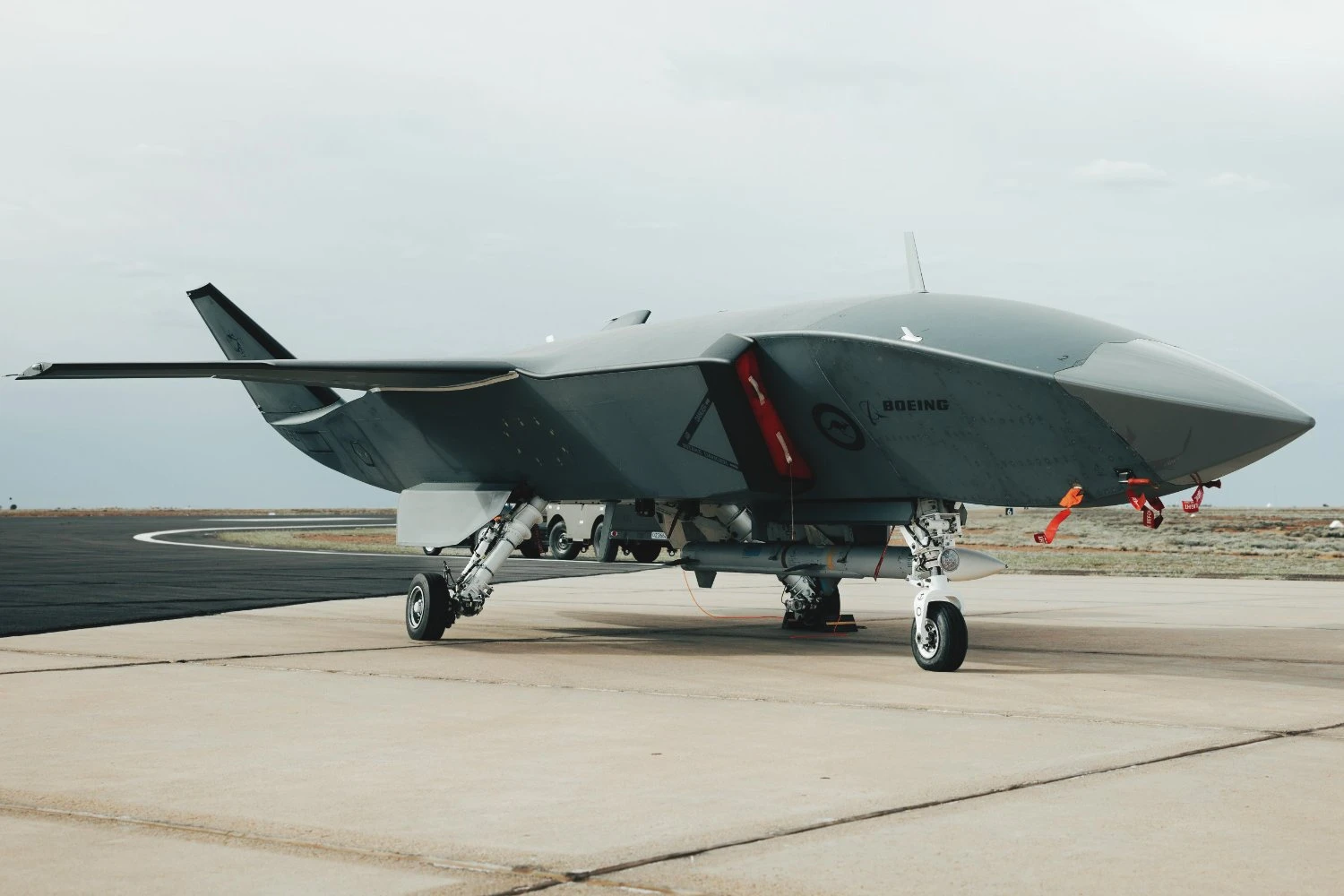
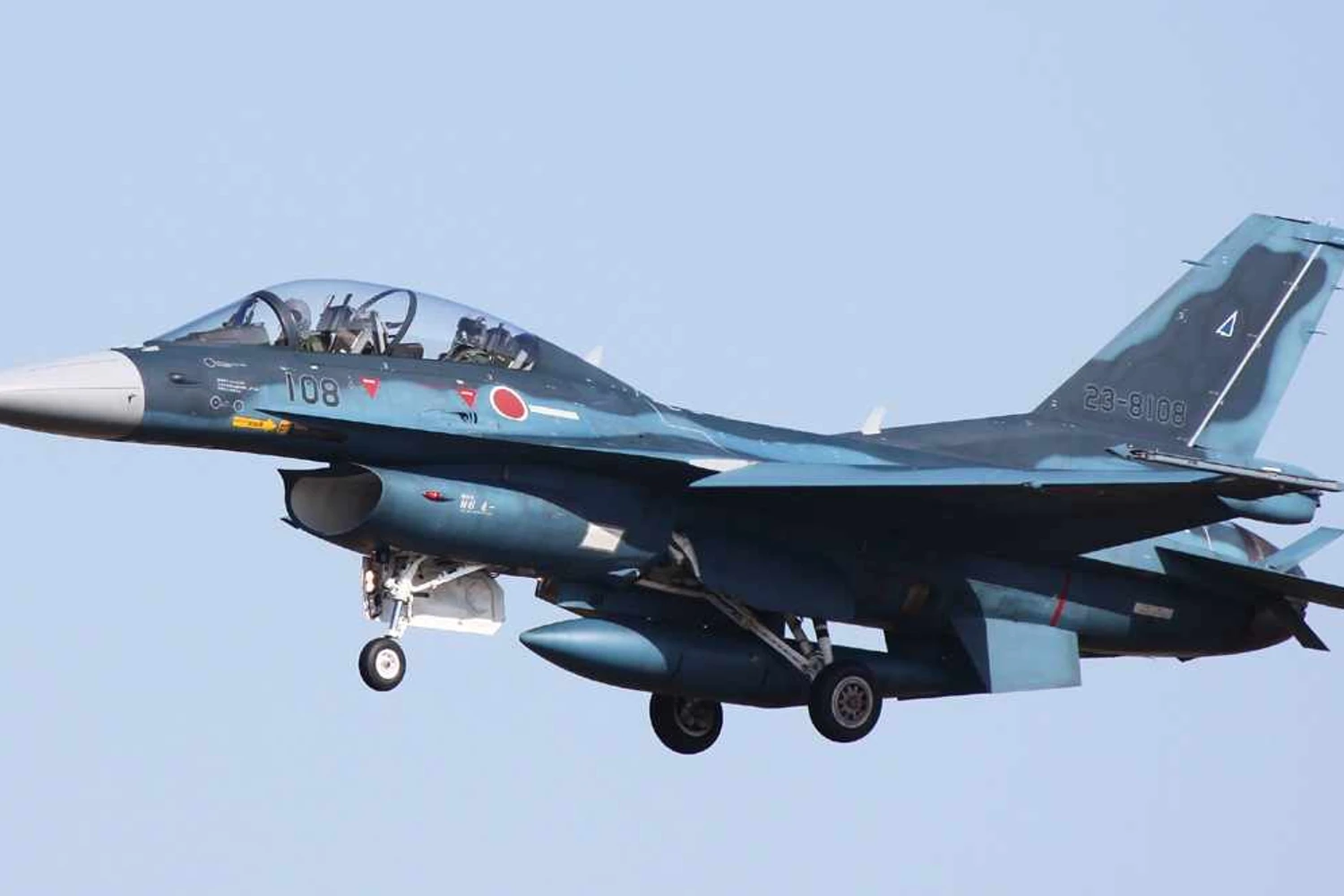
The aircraft is intended to replace the Royal Air Force's Eurofighter Typhoon fleet as well as Japan's Mitsubishi F-2 fighters. The future platform is expected to incorporate advanced sensors, networking capabilities, artificial intelligence-assisted systems and the ability to operate alongside uncrewed aircraft.
The declaration was issued just days after the collapse of the Future Combat Air System (FCAS), a separate European sixth-generation fighter effort involving France, Germany and Spain. The program unraveled after Dassault Aviation and Airbus failed to reach an agreement on workshare and industrial responsibilities, prompting France and Germany to abandon the project.
While the UK-Japan statement focused primarily on economic security, critical technologies and supply-chain resilience, both governments highlighted defense industrial cooperation as an area of growing strategic importance. The declaration describes GCAP as a vehicle for expanding collaboration in advanced technologies and strengthening industrial capabilities across the participating nations.