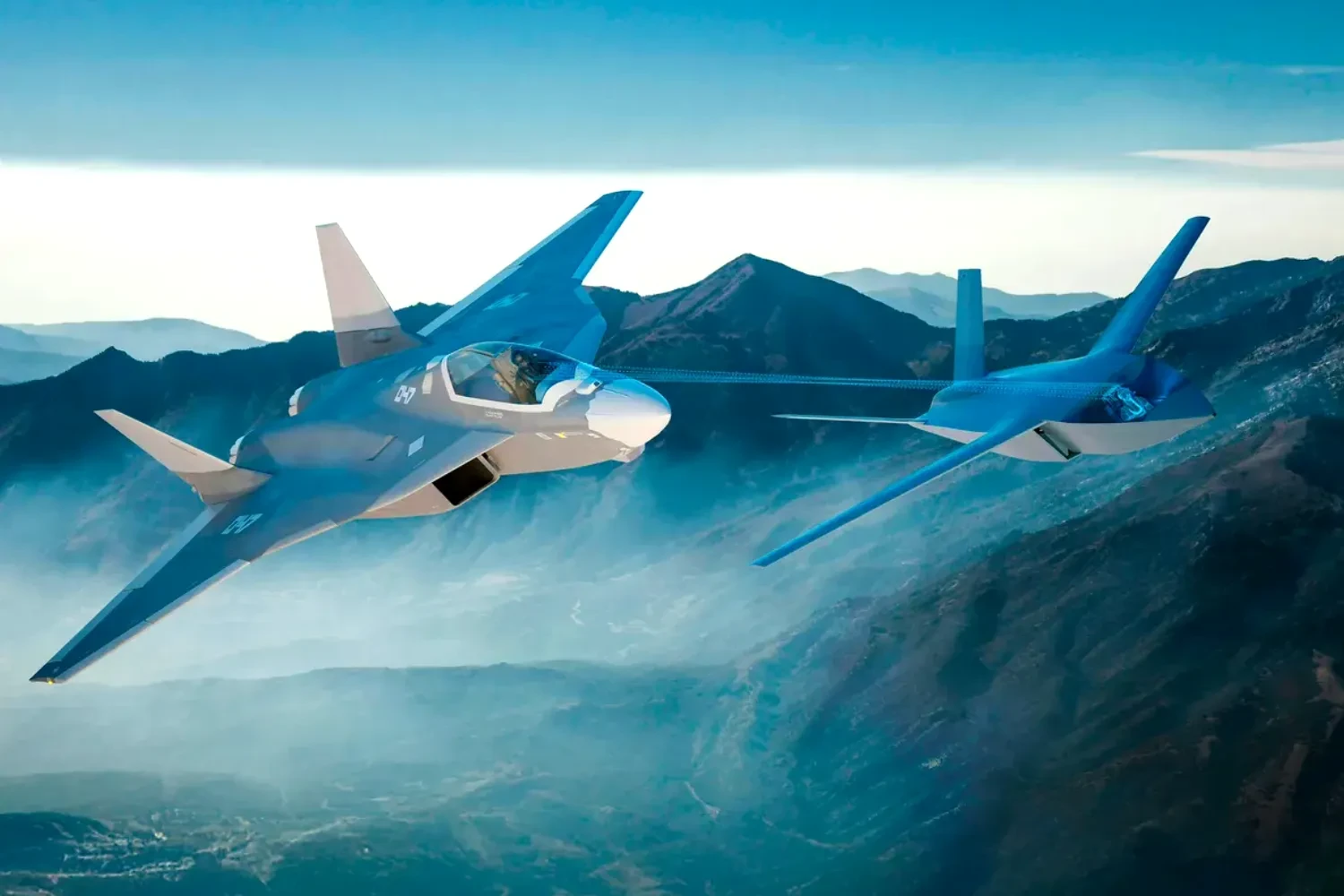
German and Spanish aerospace companies have formally offered their governments an alternative path to preserve Europe's sixth-generation fighter ambitions following the cancellation of the Future Combat Air System (FCAS) fighter program.
A joint declaration signed by Airbus, Indra, GMV, Grupo Oesia, ITP Aero and Sener calls for continued investment in technologies developed under FCAS and proposes the creation of a new European combat aircraft program capable of entering service around 2040.
The initiative emerged days after Germany and France agreed to abandon the fighter aircraft element of FCAS following years of disagreements between Airbus and Dassault Aviation over leadership, workshare and intellectual property rights.
While the decision effectively ends the flagship aircraft at the center of FCAS, Germany and France are expected to continue developing other parts of the program, including unmanned systems and the combat cloud network designed to connect aircraft, sensors and weapons.
Related news
The proposal indicates growing concern within Germany and Spain that years of research funded under FCAS could be lost if government support ends when current contracts expire.
In Germany, Airbus has assembled a coalition known as Team Gen 6, which includes companies such as Hensoldt, MTU Aero Engines, MBDA Deutschland, Diehl Defence and Rohde & Schwarz. The group argues that maintaining work on a future combat aircraft is essential to preserve skills and industrial capabilities developed over the last decade.
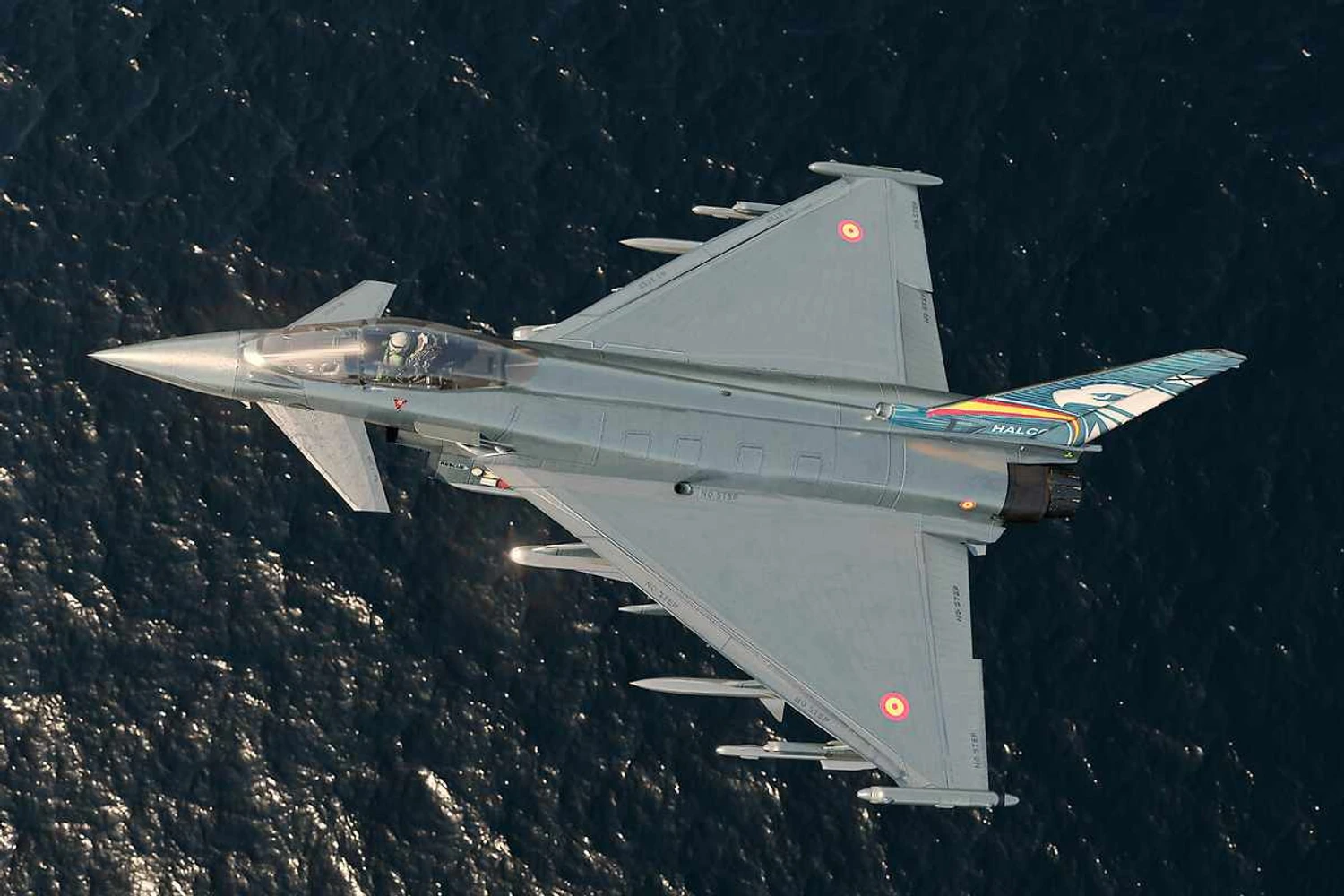
A similar coalition has been established in Spain under the leadership of Indra and Airbus Defence and Space Spain.
Neither group advocates a purely national solution. Instead, both emphasize cooperation with other European partners, leaving open the possibility of joining an existing program or creating a new multinational effort.
GCAP program
The approach shows the growing uncertainty surrounding Europe's fighter landscape after the collapse of FCAS. Italy's Leonardo has already stated that Germany would be welcome to join the Global Combat Air Programme (GCAP), the rival project being developed by the United Kingdom, Italy and Japan.
Another possibility involves closer cooperation between Airbus and Saab. The two companies have been holding exploratory discussions for several months, building on existing cooperation in unmanned systems and growing defence ties between Germany and Sweden.
Follow Air Data News: WhatsApp | Google News | Instagram | LinkedIn | Twitter | Facebook
The end of FCAS has reopened a debate that Europe appeared to settle decades ago. France left the multinational Eurofighter program in the 1980s to develop the Rafale independently, while Germany, Italy, Spain and the United Kingdom remained together in what became one of Europe's largest defence projects.
Dassault has indicated it remains willing to pursue a successor to the Rafale under French leadership. The company has reportedly explored potential partnerships abroad, including discussions with India, although any future program would likely require foreign funding to offset development costs that could reach tens of billions of euros.