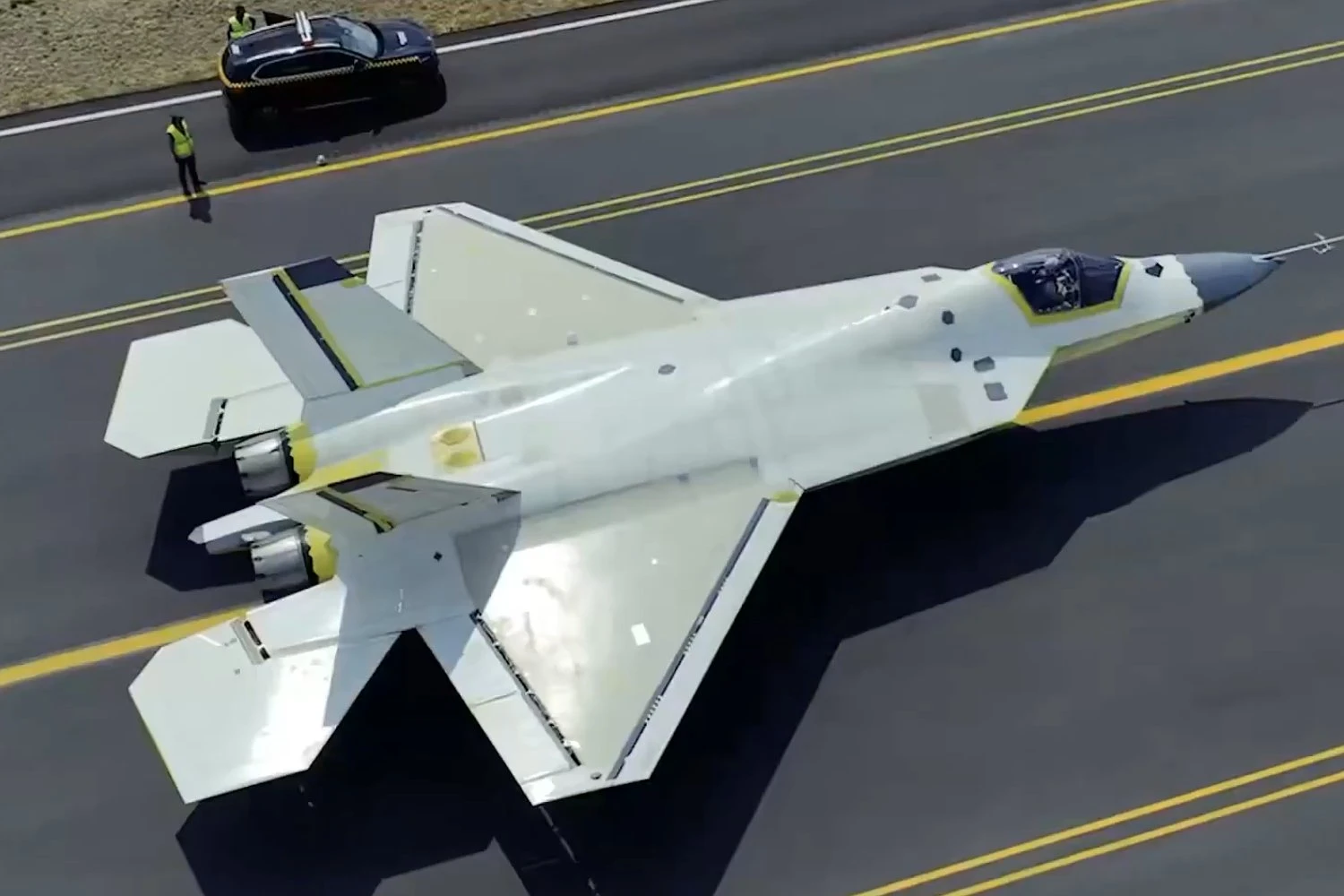
Turkish Aerospace Industries (TAI) has released the first images and video of the second flying prototype of the KAAN fighter, revealing several external design changes as the aircraft enters the final phase of ground testing before its maiden flight.
The aircraft, designated P1, recently completed powered taxi tests, confirming that preparations are underway for its first flight. TAI did not disclose when that flight will take place.
Related news
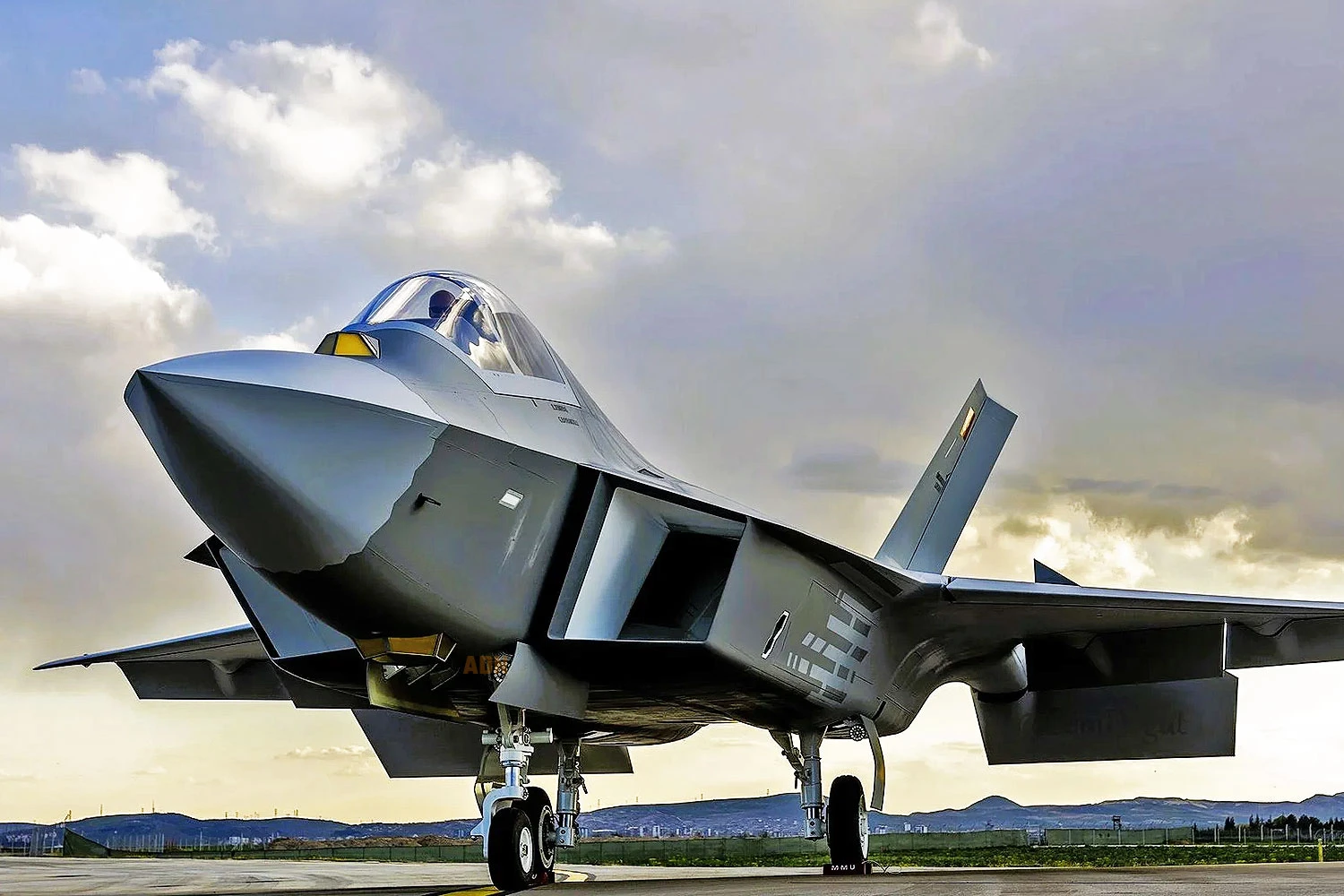
Compared with the original prototype, which first flew in February 2024, the new aircraft features several visible refinements. They include revised control surface actuators, changes around the cockpit and engine intakes, a larger aperture above the nose that appears to house an electro-optical sensor, and redesigned landing gear with a wider stance.
The prototype continues to use two General Electric F110 afterburning turbofans, the same engines installed on the first prototype. Turkey plans to replace them with the domestically developed TF35000 engine in later production aircraft.
https://x.com/TUSAS_TR/status/2083117322240213415
The P1 prototype is expected to represent the production-standard configuration more closely than the original demonstrator. Turkish media reports indicate it incorporates a more advanced systems architecture and will play a larger role in the certification and development campaign.
Follow Air Data News: WhatsApp | Instagram | LinkedIn | Twitter | Facebook
TAI is also assembling a third flying prototype, designated P2, which is expected to join the flight-test program after P1. Operating multiple prototypes simultaneously would allow the company to evaluate different systems and flight envelopes in parallel, accelerating development.
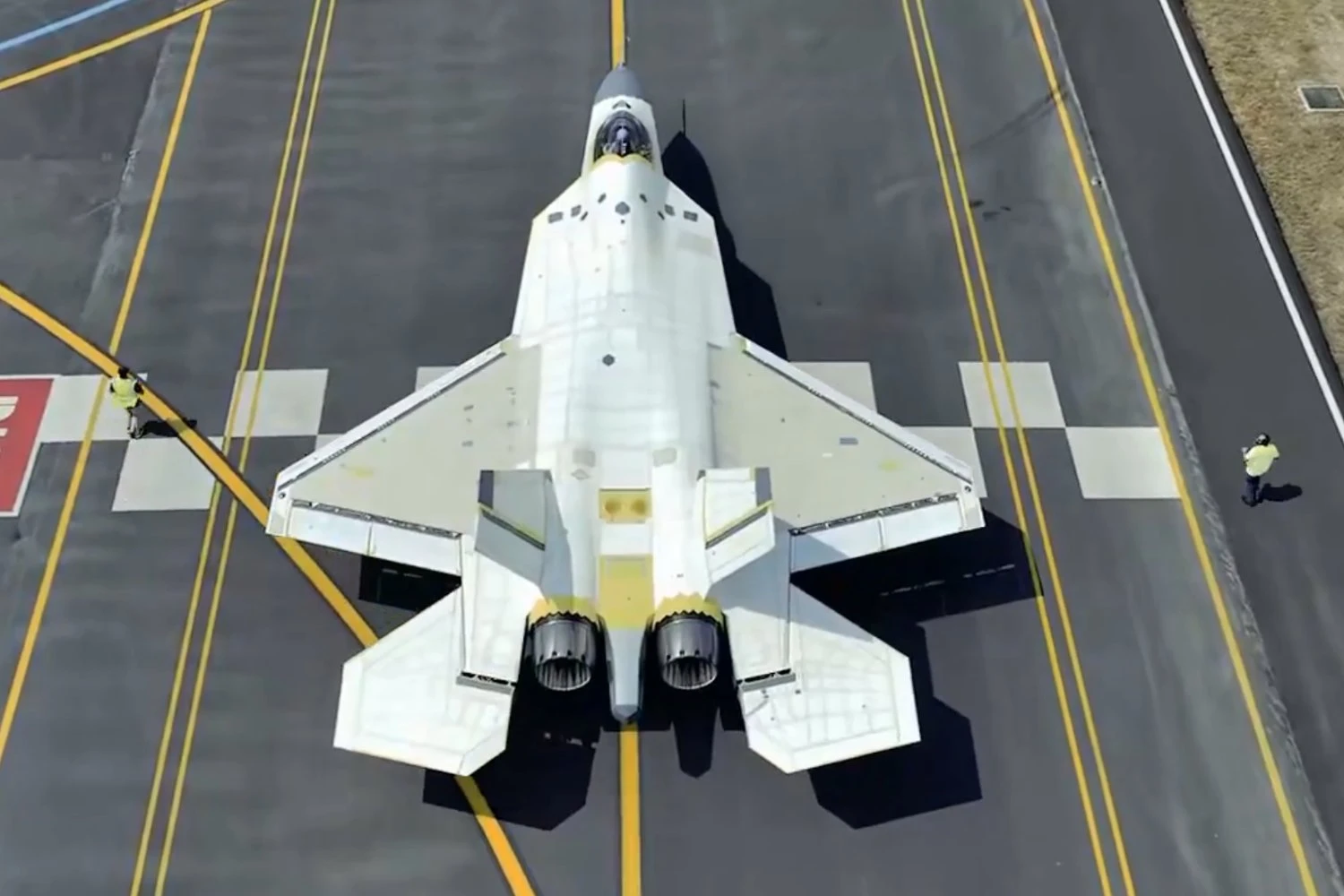
KAAN second prototype | TAI 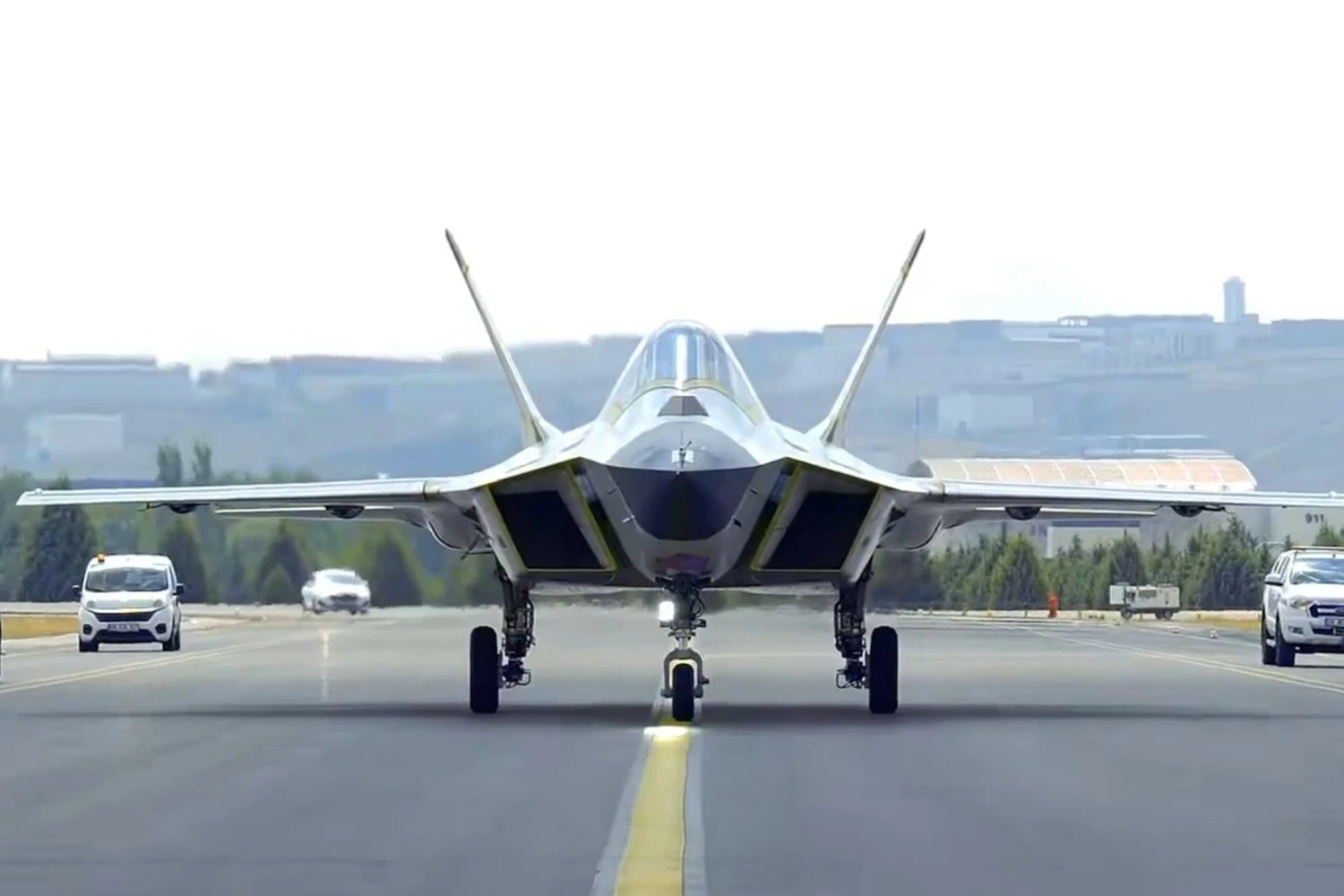
KAAN second prototype | TAI 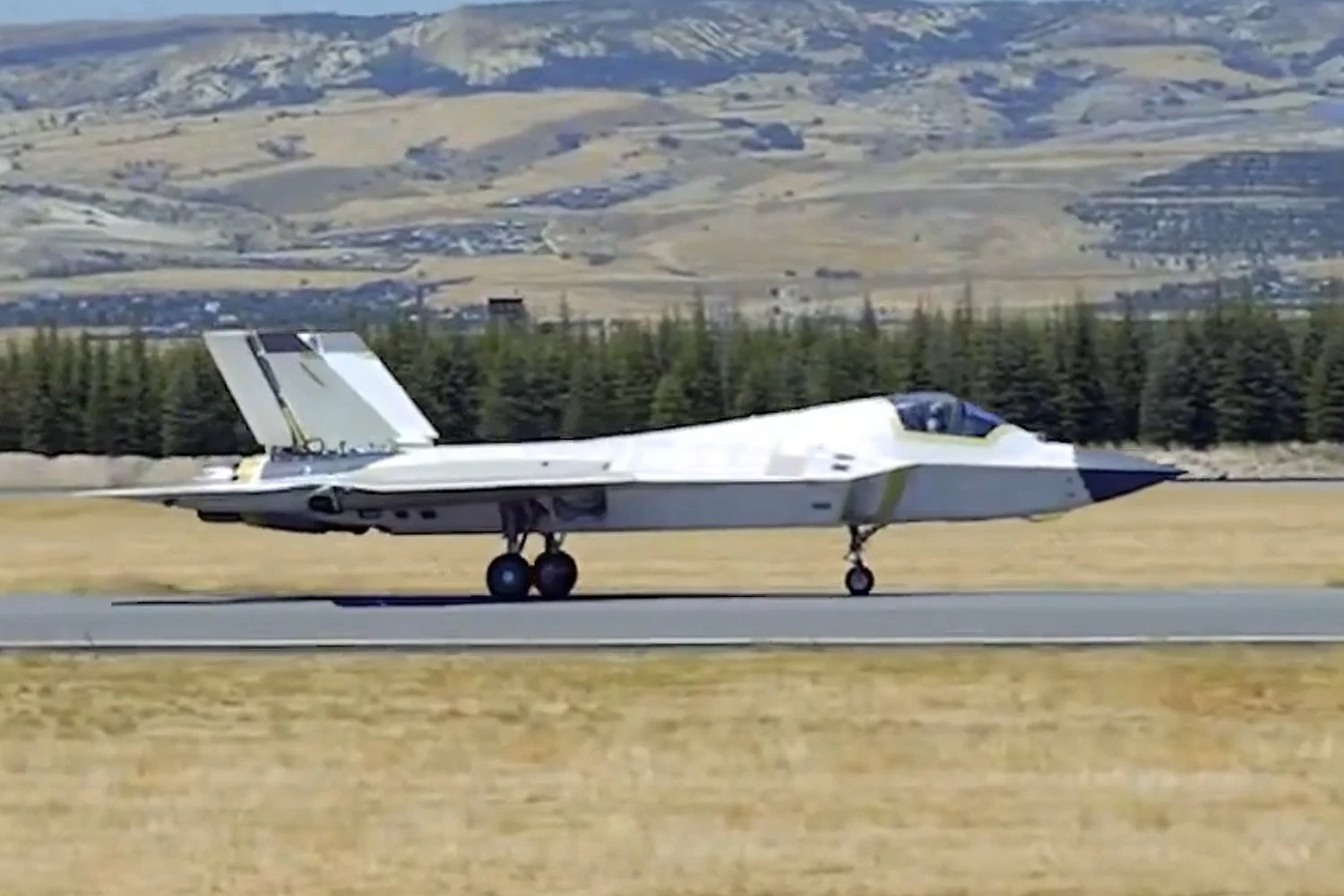
KAAN second prototype | TAI 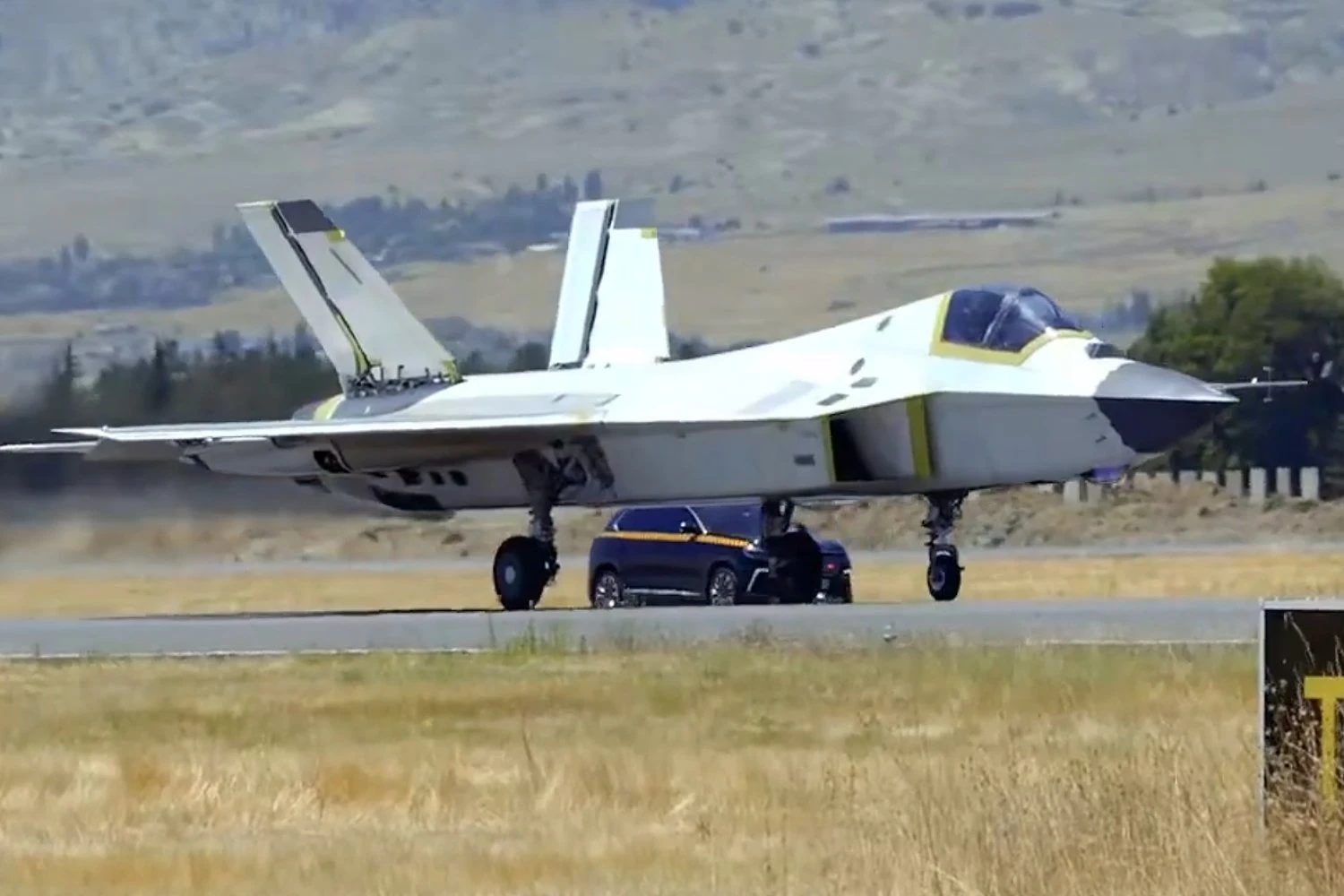
KAAN second prototype | TAI




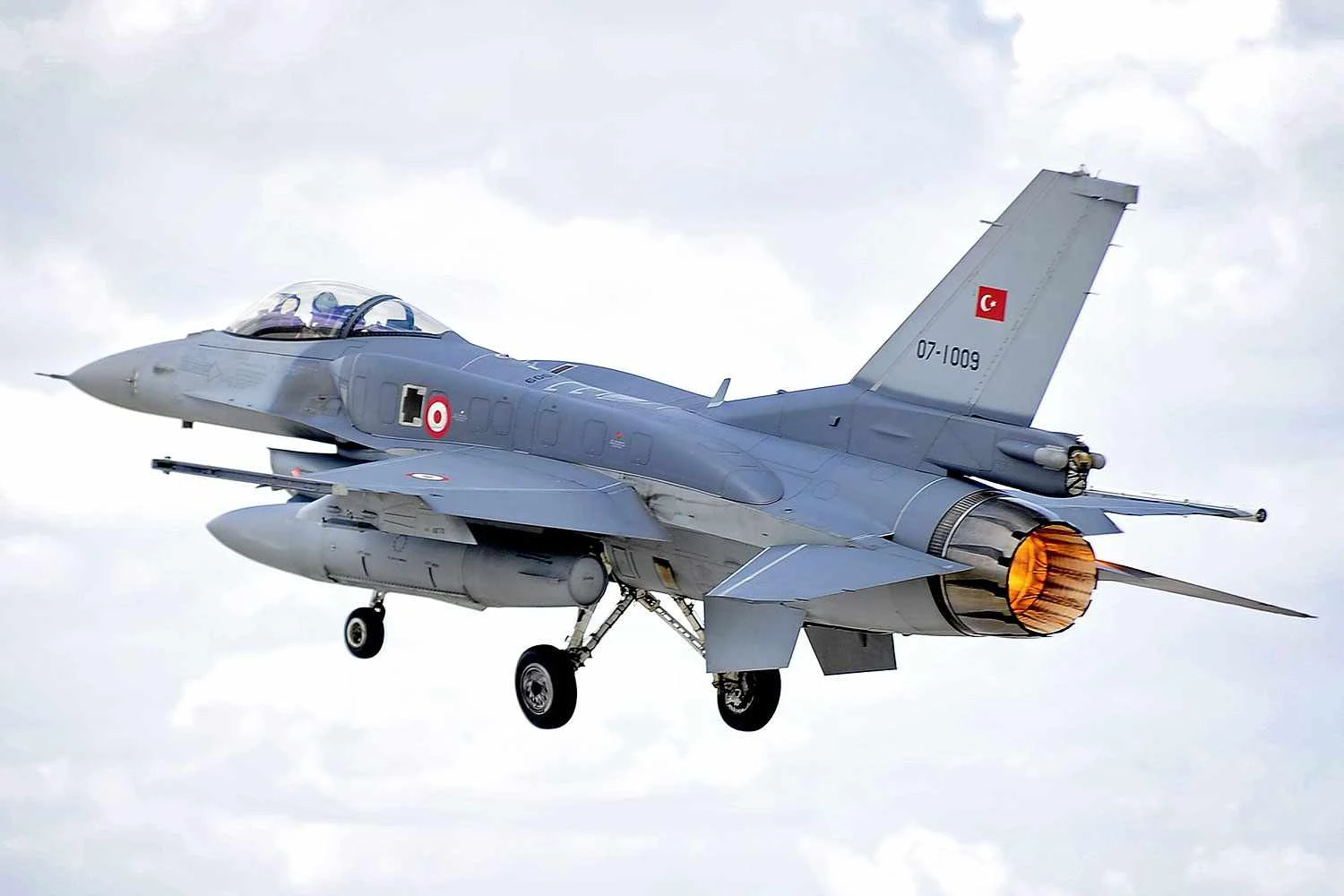
Turkey continues to target the first deliveries to the Turkish Air Force by the end of 2028, an ambitious schedule for a new fifth-generation fighter. The aircraft is intended to replace part of the country's F-16 fleet while providing air-to-air and precision strike capabilities using internally carried weapons.
The KAAN program gained additional certainty earlier this year after the United States approved the export of GE F110 engines for the prototype fleet and initial production aircraft. Continued access to those engines is considered essential until Turkey completes development of its indigenous powerplant later in the next decade.