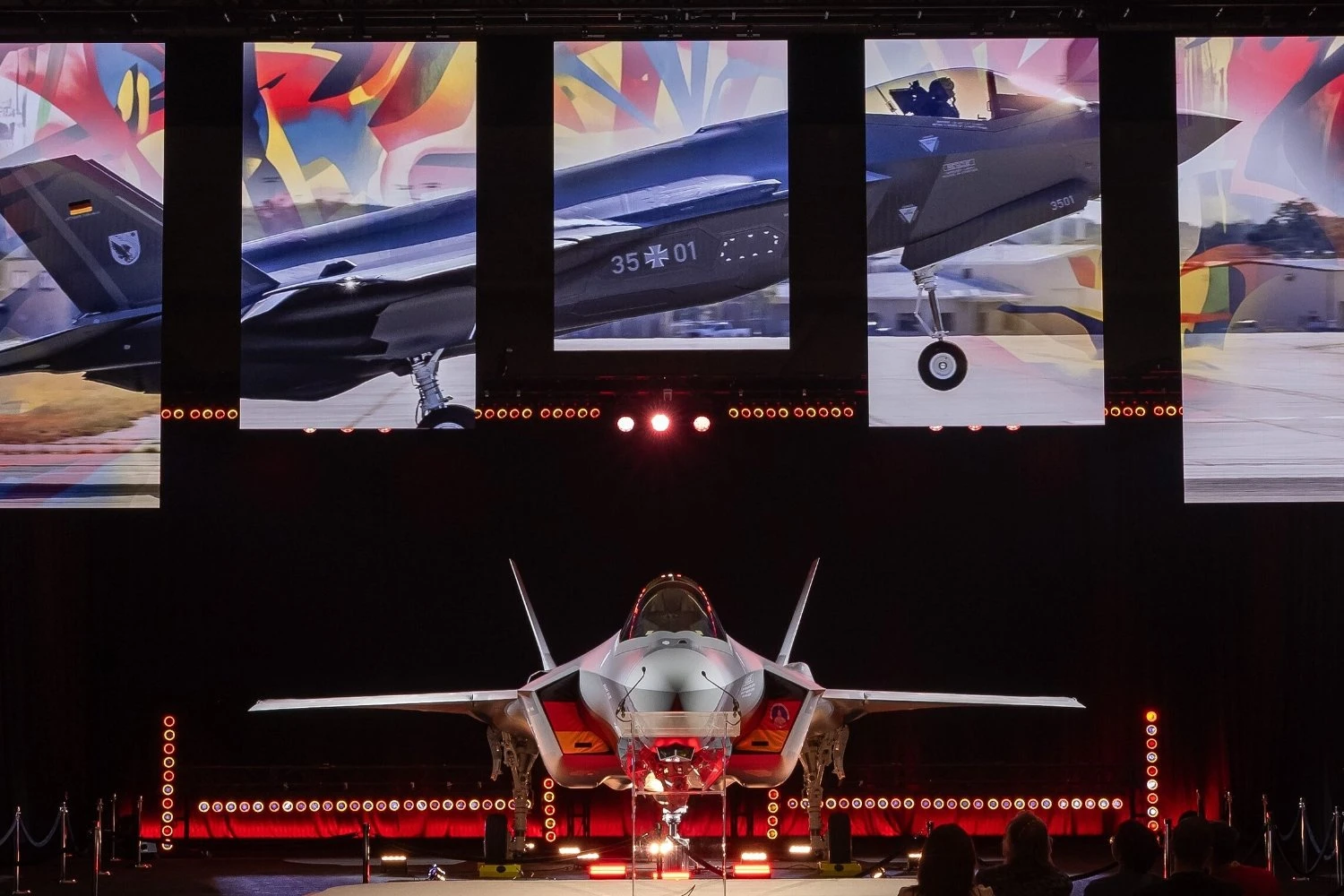
Lockheed Martin has presented Germany’s first F-35A Lightning II, the fifth-generation stealth fighter that will replace the Luftwaffe’s Tornado aircraft.
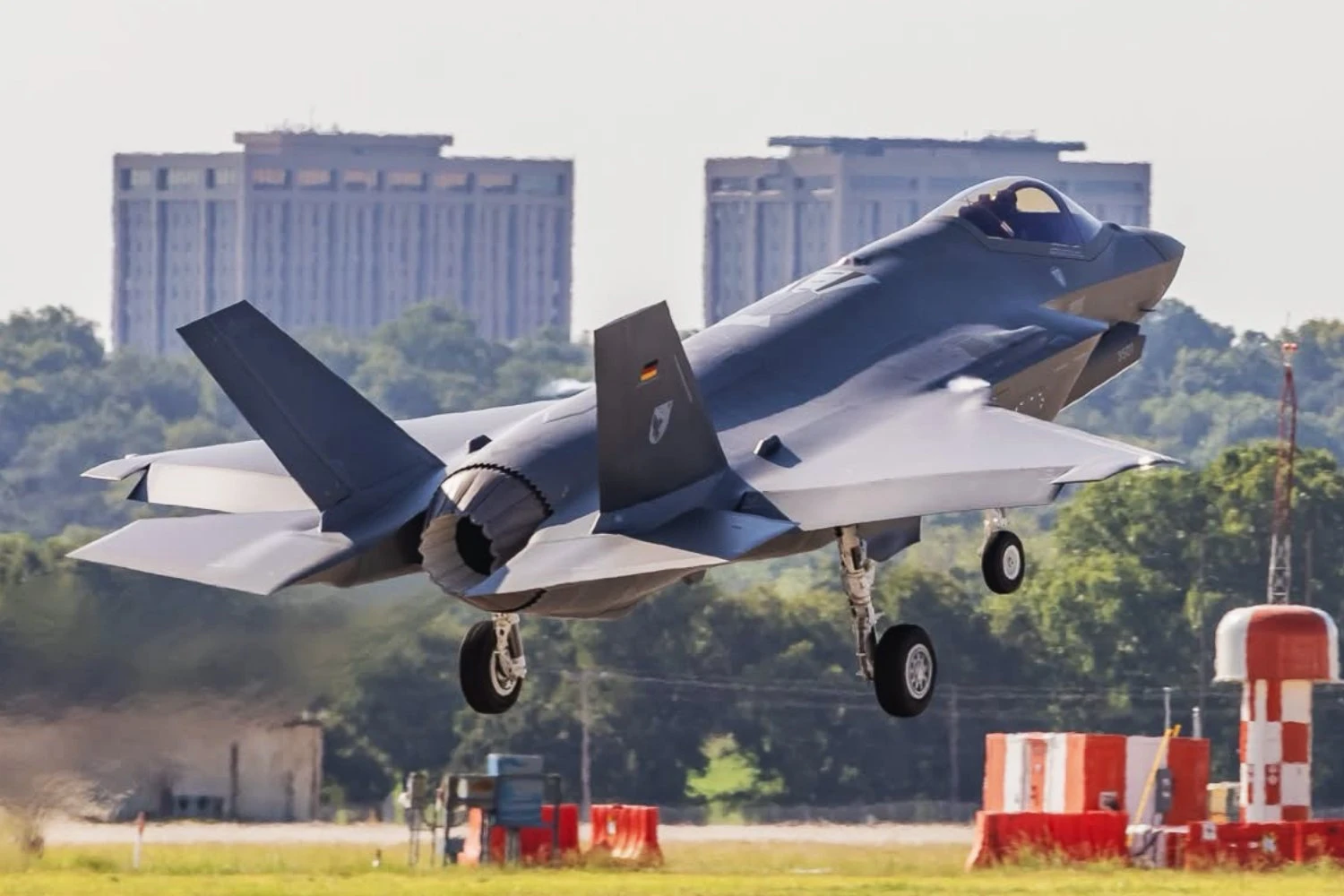
The ceremony took place at the manufacturer’s plant in Fort Worth, Texas, on September 18, ten days after the aircraft, designated 35+01, completed its first flight.
Germany ordered 35 F-35As in 2022, primarily to replace the Panavia Tornado in the country’s NATO nuclear sharing mission. “This is the beginning of a new era for the German Air Force,” Defense Minister Boris Pistorius said at the ceremony. He highlighted the F-35A’s stealth capabilities, sensors and ability to exchange information with other platforms.
Lieutenant General Holger Neumann, chief of the German Air and Space Force, described the F-35A as a “modern, proven and highly capable 5th Generation fighter jet” and said it would change “how we think, command and fight.”
Follow Air Data News: WhatsApp | Instagram | LinkedIn | Twitter | Facebook
The rollout does not mean that Germany has begun operating the F-35 at home. The first eight aircraft will remain in the United States and will be based at Ebbing Air National Guard Base in Arkansas for training of German pilots and maintenance personnel.
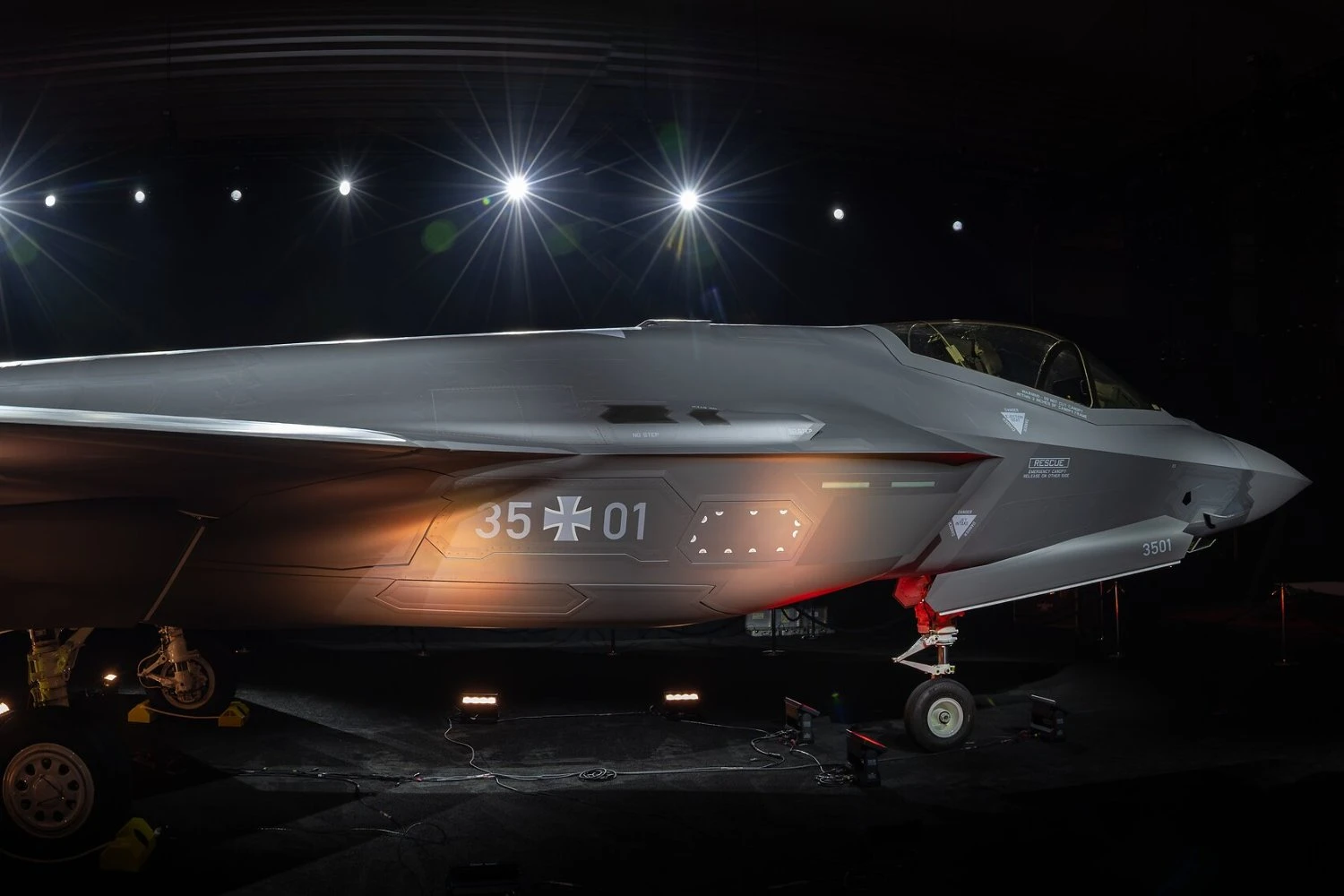
Training in the US is part of the introduction process followed by other foreign F-35 customers. Ebbing serves as a training location for international operators before their aircraft move to bases in their home countries.
The first German F-35As are scheduled to arrive at Büchel Air Base in late 2027. Pistorius said full operational capability is planned for 2029.
Germany considered additional F-35s
Berlin has already examined an expansion beyond the 35 aircraft ordered to replace the Tornado. Plans for another 15 F-35As emerged in 2025, although the German Defense Ministry did not proceed with an additional order.
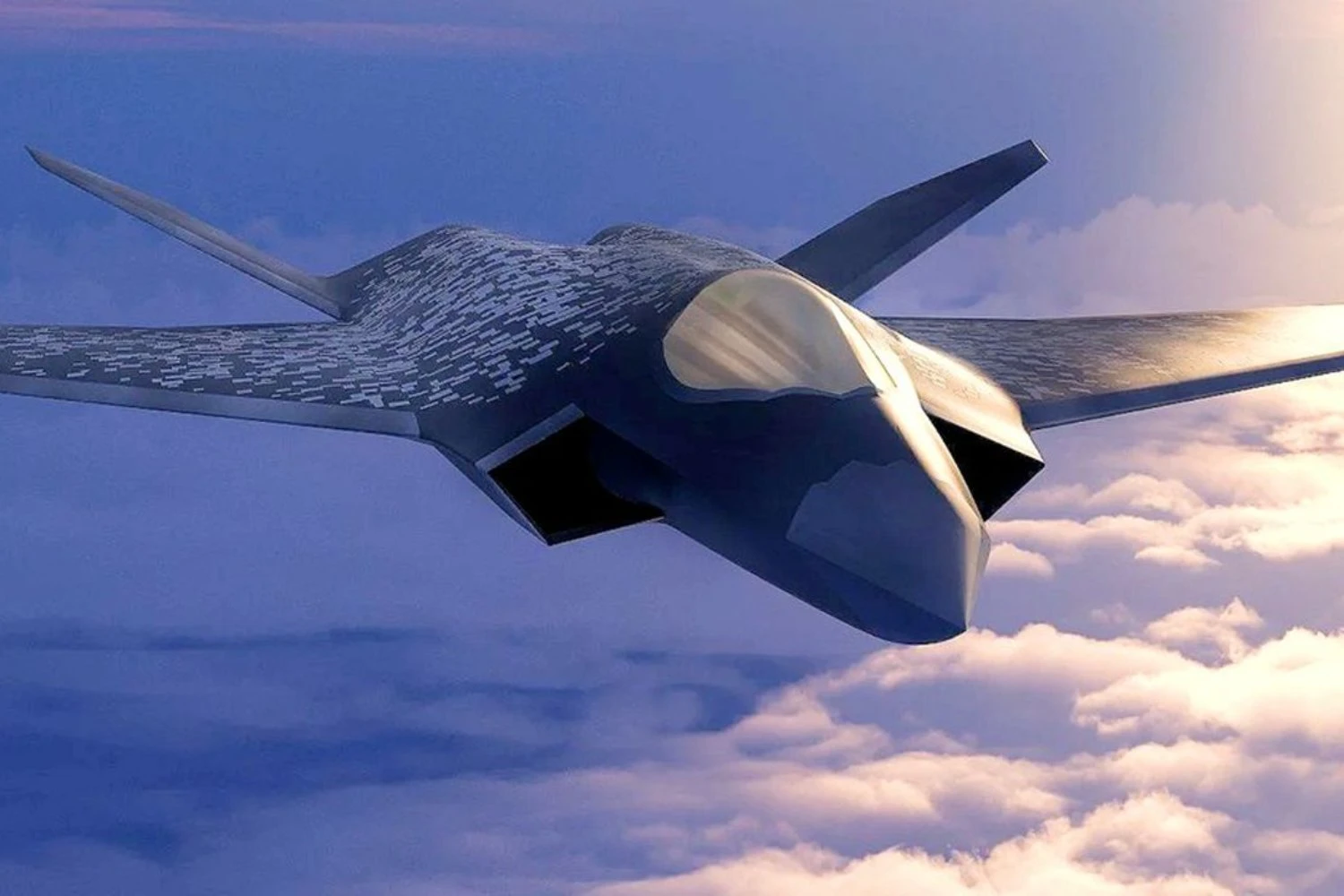
The issue has taken on a different role since Germany and France failed to agree on the future of the crewed sixth-generation fighter planned within the Future Combat Air System (FCAS).
Pistorius said in June that Germany was examining several alternatives for the sixth-generation aircraft. They include additional F-35s as an interim solution, joining another international program or pursuing a new project with German industry and other partners.
FCAS was conceived as a system connecting a new crewed fighter, unmanned aircraft, sensors and a combat cloud. The fighter itself, known as the Next Generation Fighter (NGF), was only one element of that architecture.
The German government said this week that negotiations are underway to end the NGF portion early, while other elements associated with FCAS will continue. Berlin still plans to develop a networked air combat system that can incorporate existing and future crewed and uncrewed aircraft.
Germany is also pursuing the national Combat Fighter System Nucleus program, which is intended to provide experimental platforms for uncrewed combat aircraft.
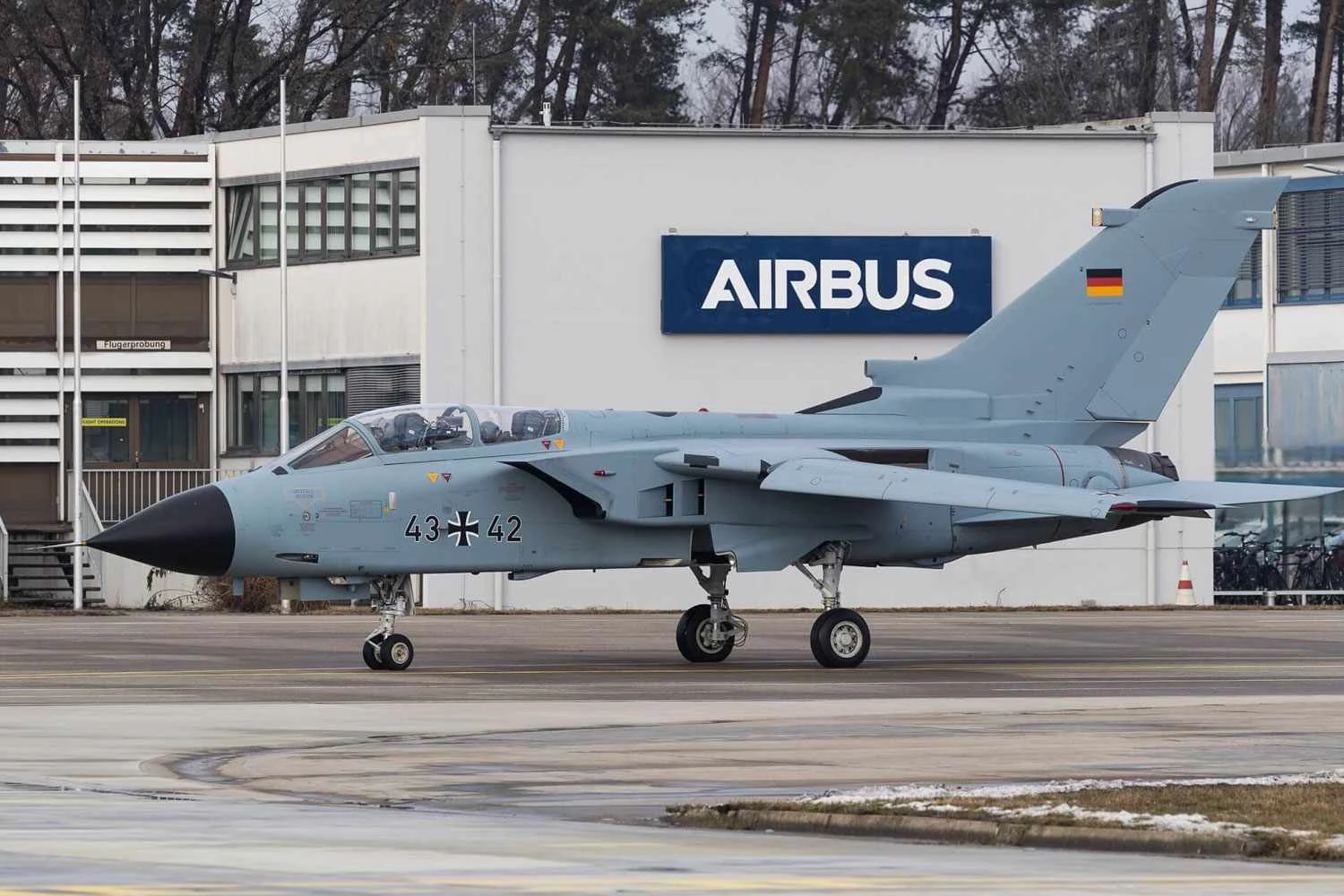
German companies have meanwhile formed Team Gen 6, which includes Airbus Defence and Space, Diehl Defence, Hensoldt, MBDA Germany, MTU Aero Engines, Rohde & Schwarz, Autoflug and Liebherr. Airbus says the group combines the industrial capabilities needed to develop and field a sixth-generation fighter.
Germany could also seek participation in an existing international program. The United Kingdom, Italy and Japan are developing a sixth-generation fighter under the Global Combat Air Programme (GCAP), with entry into service targeted for 2035.