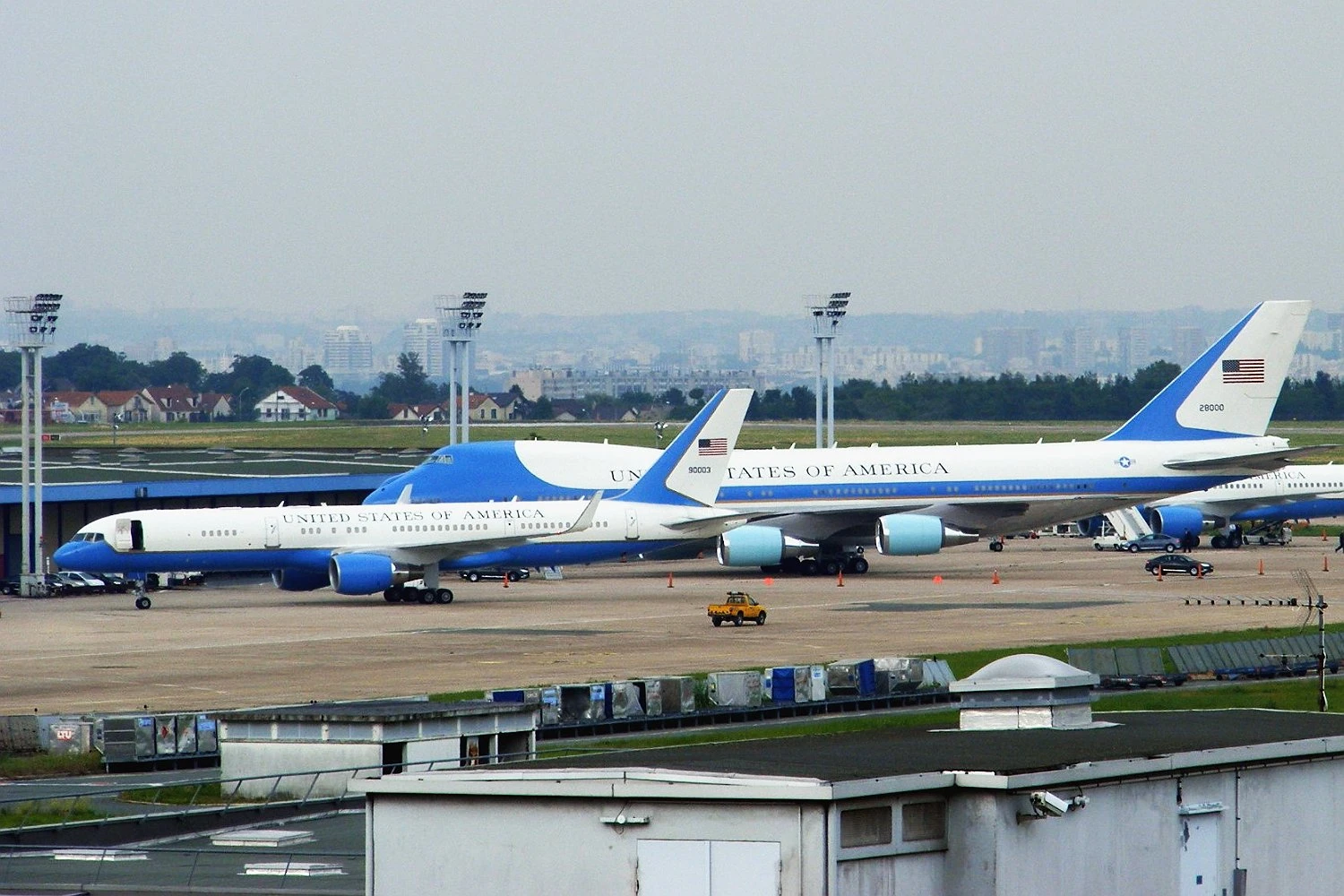
U.S. President Donald Trump reportedly used an elaborate deception plan involving three different presidential aircraft during his departure from Turkey in July, boarding a U.S. Air Force C-32A after publicly appearing to enter the VC-25A Air Force One, according to reports by The Washington Post and The New York Times.
The operation took place after the NATO summit in Ankara amid what U.S. officials described as a credible assassination threat linked to Iran. According to both newspapers, Trump first arrived in Turkey aboard the recently acquired VC-25B "Bridge", a Boeing 747-8 Intercontinental donated by Qatar that has been modified for presidential transport.
Related news
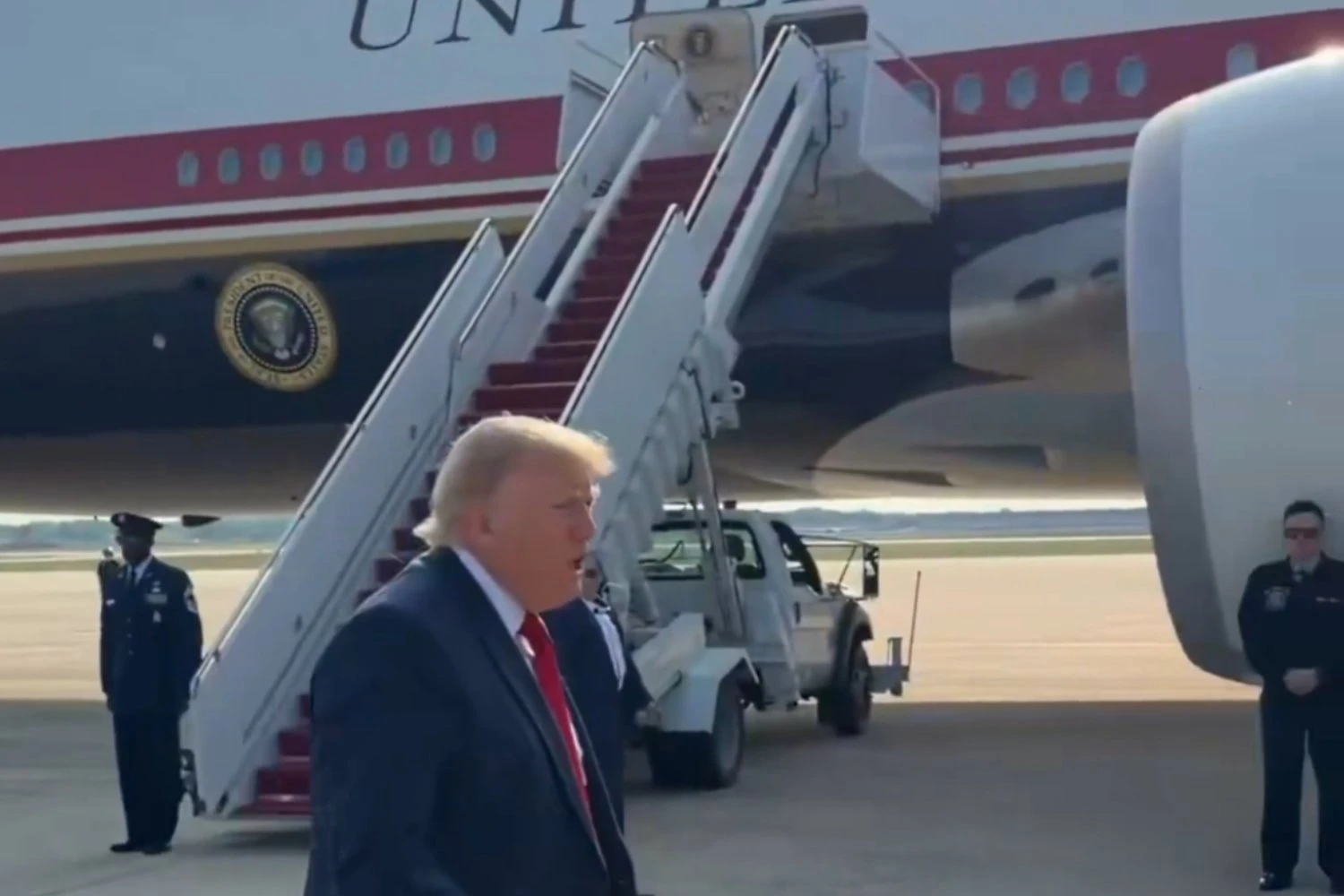
Before departing, the president publicly announced he would instead fly aboard the older VC-25A "for old time's sake." Television cameras captured Trump boarding the aircraft, which is based on the Boeing 747-200B and has served as Air Force One since the early 1990s.
According to the reports, however, Trump did not leave Turkey aboard either Boeing 747. Instead, he was secretly transferred in an airport catering vehicle to a waiting C-32A, the military designation for the Boeing 757-200 operated by the U.S. Air Force's 89th Airlift Wing.
The C-32A normally transports the vice president, cabinet members, senior government officials and congressional delegations. It is also used by the president for trips to airports unable to accommodate the larger VC-25 fleet or when operational requirements make the smaller aircraft more suitable.
The press pool and even some White House staff reportedly believed Trump remained aboard the VC-25A, which departed separately and landed in the United Kingdom only minutes after the C-32A. Journalists on the aircraft were instructed to keep the cabin window shades closed throughout the flight.
Follow Air Data News: WhatsApp | Instagram | LinkedIn | Twitter | Facebook
The reports also say the Qatar-donated VC-25B flew independently to RAF Mildenhall, where Trump later appeared alongside the aircraft after arriving aboard the C-32A. The unusual sequence fueled confusion because the administration had publicly stated that the president would return on the older Air Force One after making his first international trip aboard the former Qatari aircraft.
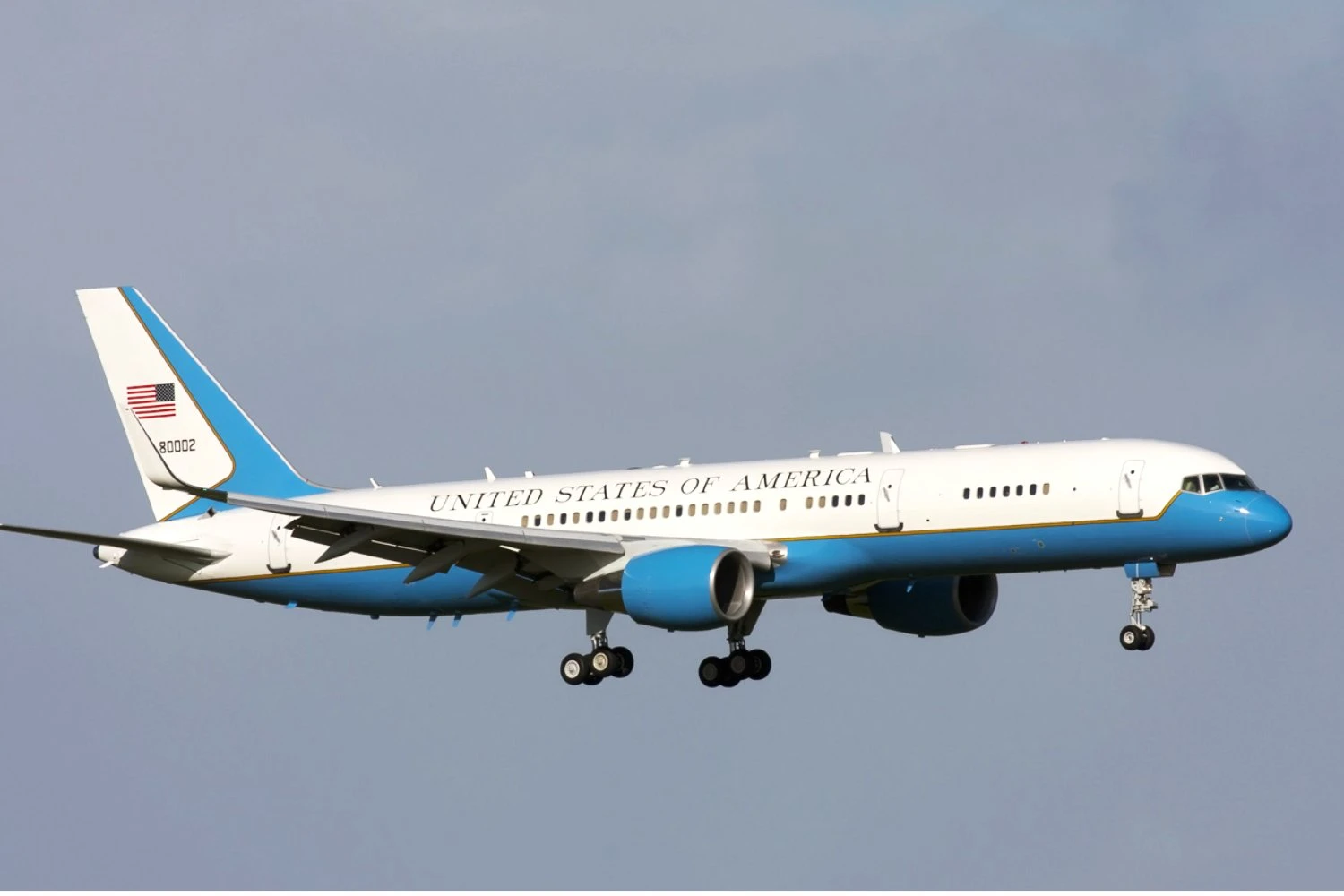
The episode highlighted the complexity of the U.S. presidential air transport fleet. Although "Air Force One" is commonly associated with the two VC-25A aircraft, the call sign applies to any U.S. Air Force aircraft carrying the president. As a result, the C-32A also becomes Air Force One whenever the president is on board.
The White House did not deny the operation. In a statement quoted by U.S. media, Communications Director Steven Cheung said the presidential aircraft are equipped with extensive security measures and that "every tool at our disposal" is used to protect the president against potential threats.