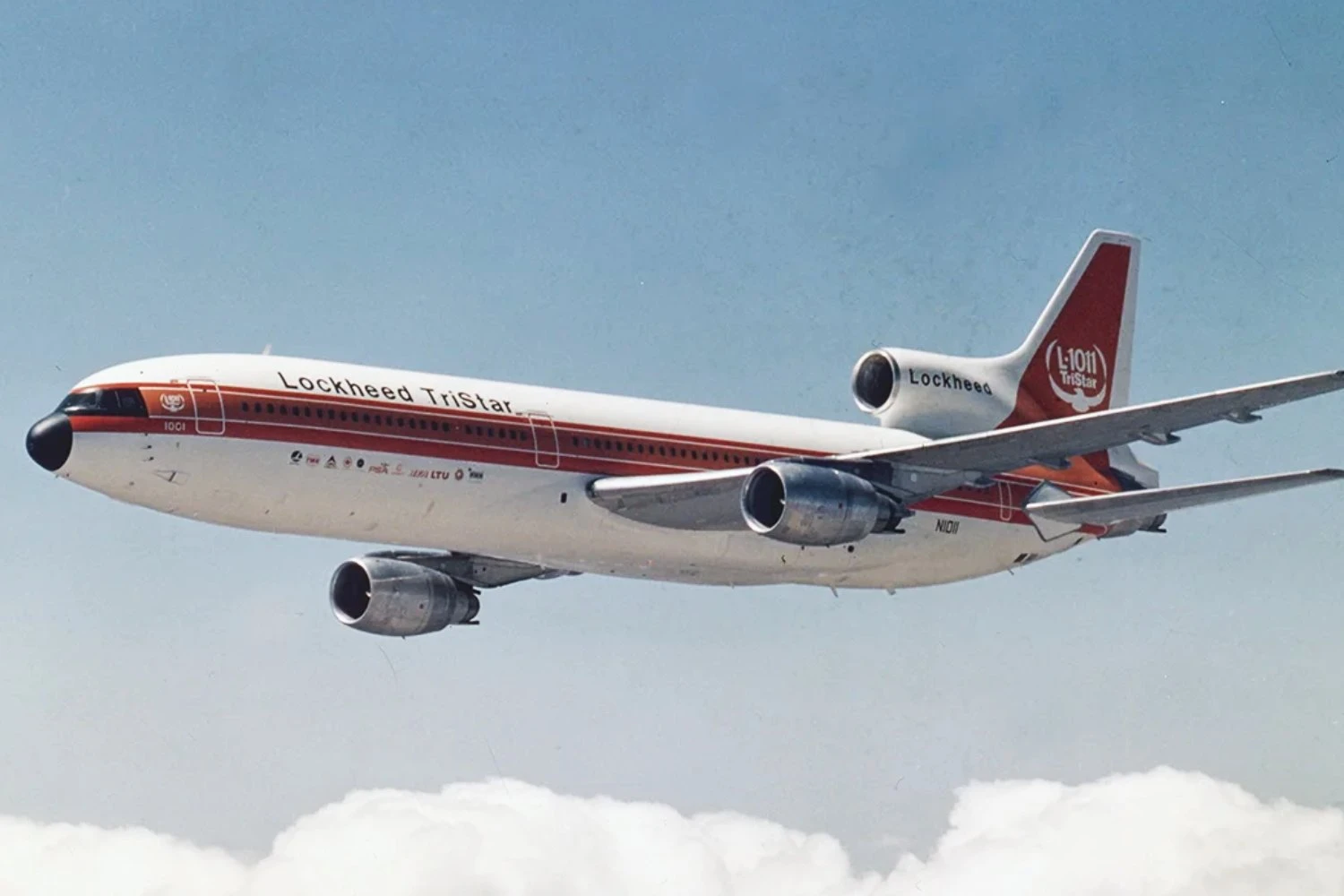
Long before the widebody era reshaped air travel, Lockheed had already secured a place among the most influential commercial aircraft manufacturers. Its piston-era designs, such as the Constellation, helped define long-haul flying in the 1940s and 1950s, while the turboprop Electra marked an early step into more modern propulsion concepts. By the late 1960s, the company was not an outsider but an established player with a legacy of innovation and high-performance airliners.
The L-1011 TriStar was meant to carry that legacy into the jet age’s next phase. Instead, it became one of the clearest examples of how timing, industrial risk, and market dynamics can outweigh even the most advanced engineering.
Entering service in 1972, the TriStar quickly built a reputation as a pilot-friendly, passenger-focused aircraft. But behind that polished image was a program shaped by delays, financial turmoil, and a rivalry it never quite recovered from.
Follow Air Data News: WhatsApp | Google News | Instagram | LinkedIn | Twitter | Facebook
A widebody ahead of its time
From the outset, the TriStar stood apart for its technology. While other widebodies focused on capacity and range, Lockheed pushed automation and system integration further than any competitor at the time.
The aircraft featured a certified autoland system capable of Category III operations, allowing landings in extremely poor visibility. Its Automatic Flight Control System could manage descent and landing phases with minimal pilot input.
Inside the cabin, the TriStar introduced refinements that went beyond marketing. The lower-deck galley, accessed via an elevator, freed up space for passengers. Noise levels were notably lower than on competing aircraft, reinforcing its reputation for comfort.
Variants and how the TriStar evolved
Although often seen as a single model, the TriStar family evolved into several variants with distinct roles.
The original L-1011-1 was optimized for medium-range, high-capacity routes, primarily in the US domestic market. It was followed by the L-1011-100, which increased maximum takeoff weight and range, making it more suitable for international operations.
Later came the L-1011-200, featuring more powerful versions of the RB211 engine, improving performance in hot-and-high conditions.
The most distinct version was the L-1011-500, a shorter-fuselage, long-range variant designed to compete more directly on intercontinental routes. With reduced capacity but greater range, it became the preferred version for airlines such as British Airways.
Despite these improvements, the changes came incrementally and did not fundamentally alter the aircraft’s market position.
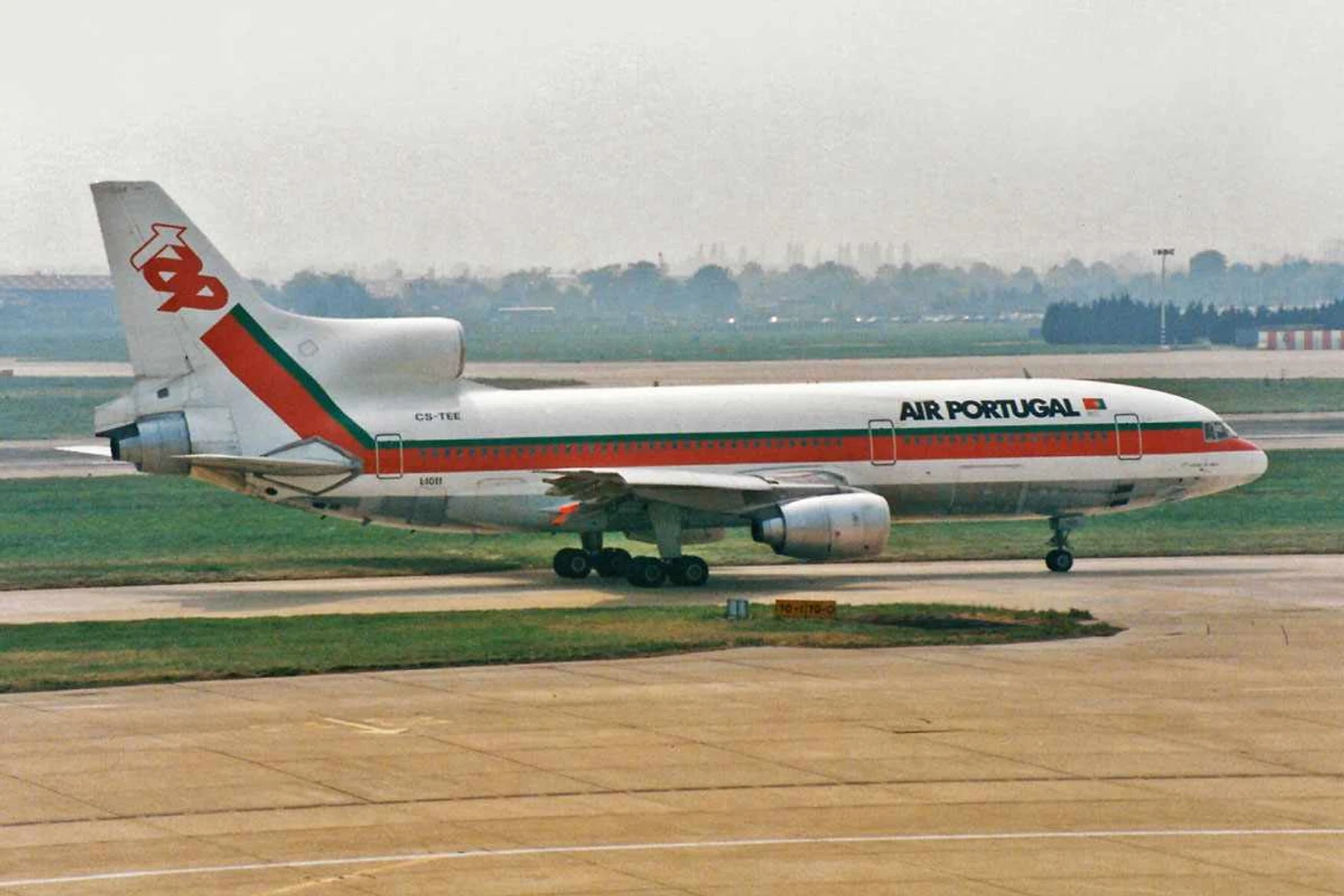
The A340 replaced the L-1011 TriStar as the main long-range jet in its fleet (Kambui) 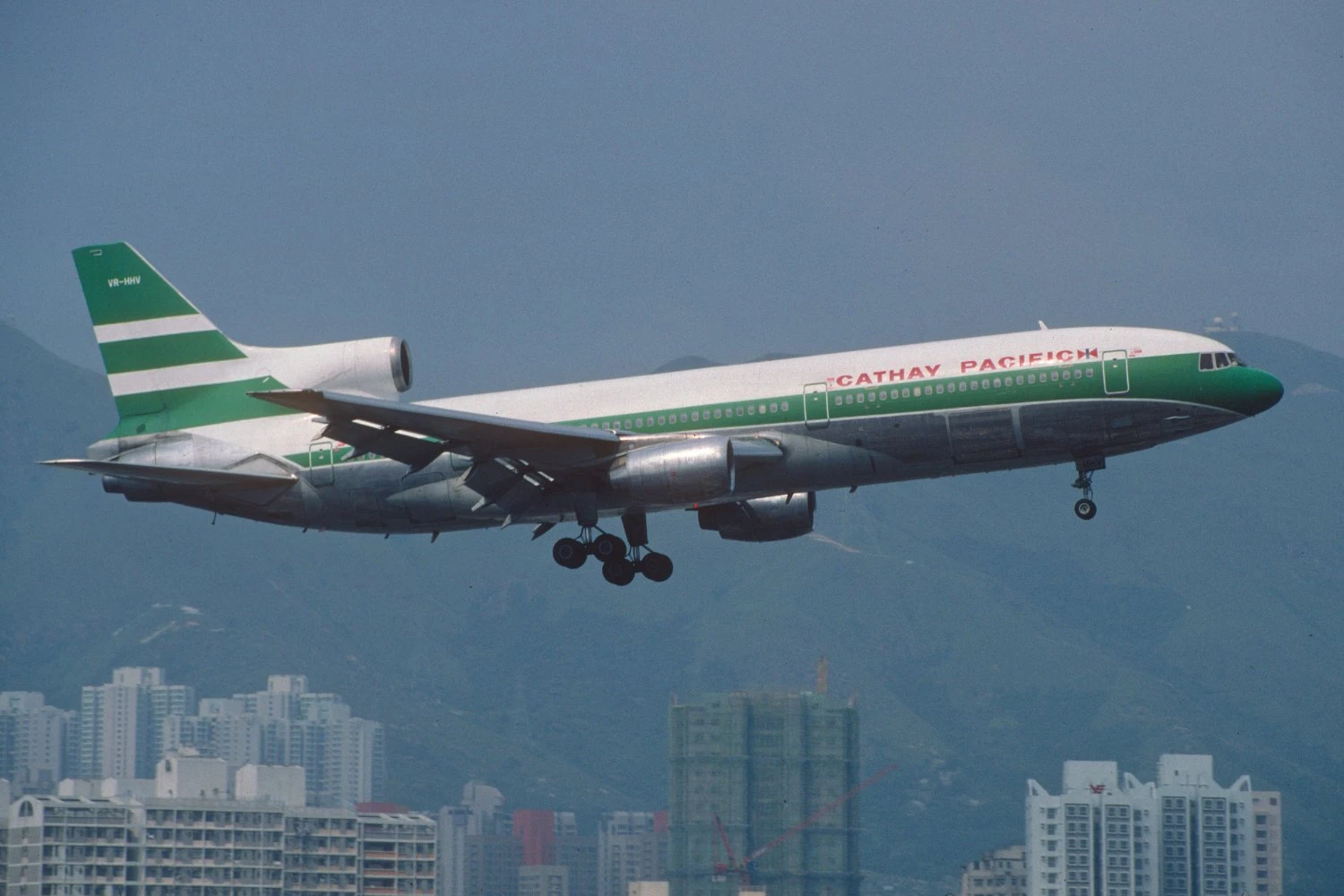
Lockheed L-1011 TriStar 1995 | Aero Icarus 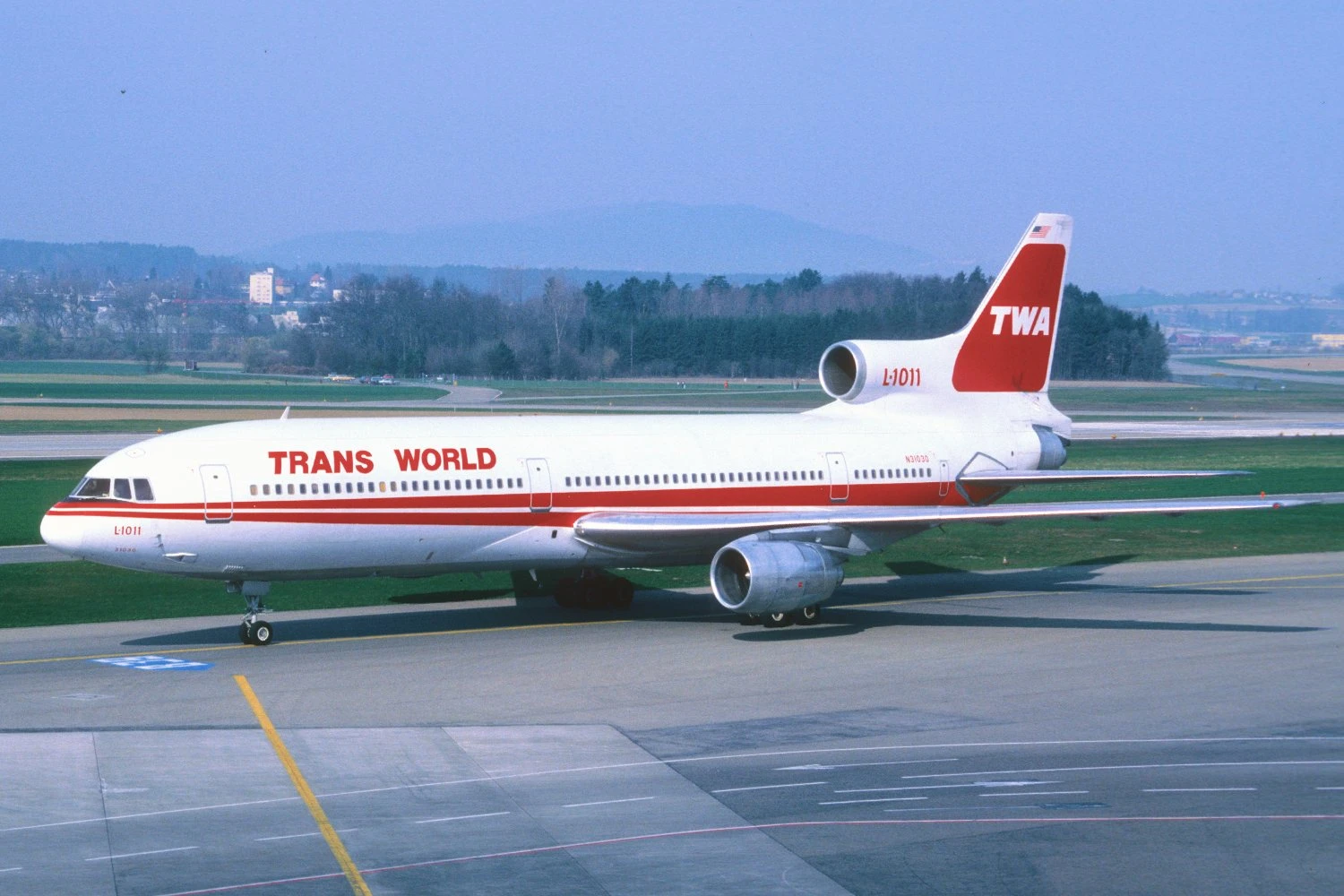
Lockheed L-1011 TriStar 1989 | Aero Icarus



Who flew the TriStar
The TriStar found its strongest base in a relatively small group of airlines.
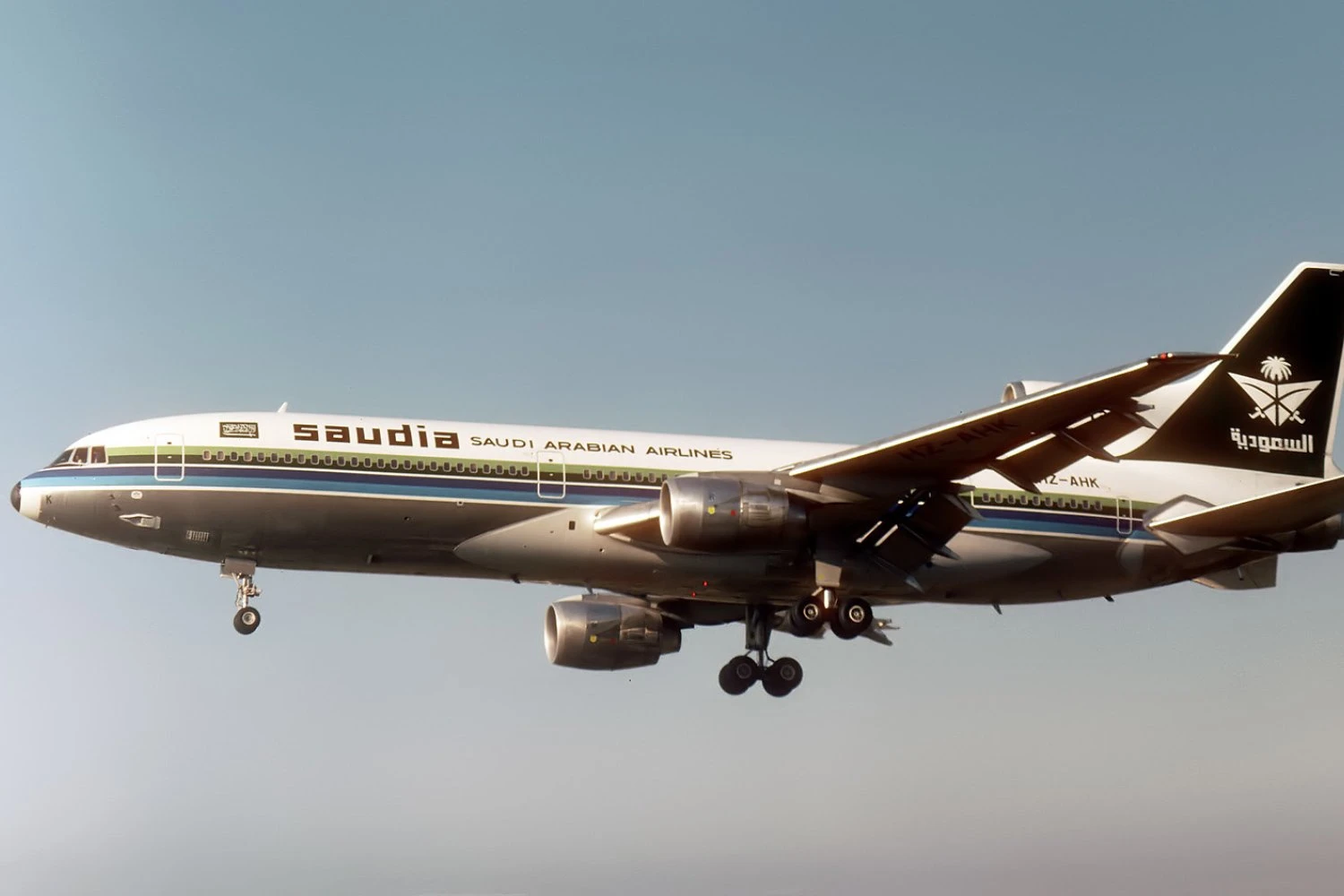
In the United States, Eastern Air Lines and Delta Air Lines were among the primary operators, using the aircraft extensively on domestic and transcontinental routes. In Europe and beyond, British Airways became one of the most visible international operators, particularly with the -500 variant.
Other airlines, including TWA, Air Canada, and several carriers in the Middle East and Asia, also operated the type, but the global customer base remained limited compared to its rivals.
That narrower adoption would later influence the aircraft’s second life—or lack of it.
The engine decision that changed everything
The TriStar’s fate was tied to a single, high-stakes decision: Lockheed committed exclusively to the Rolls-Royce RB211 engine.
At the time, the RB211 represented cutting-edge turbofan technology, but its development proved far more complex than expected. Costs escalated, delays mounted, and in 1971 Rolls-Royce collapsed into bankruptcy, forcing government intervention.
For Lockheed, the impact was immediate. Deliveries slipped, customers hesitated, and the aircraft entered service years later than planned. In a market where timing is critical, that delay proved decisive.
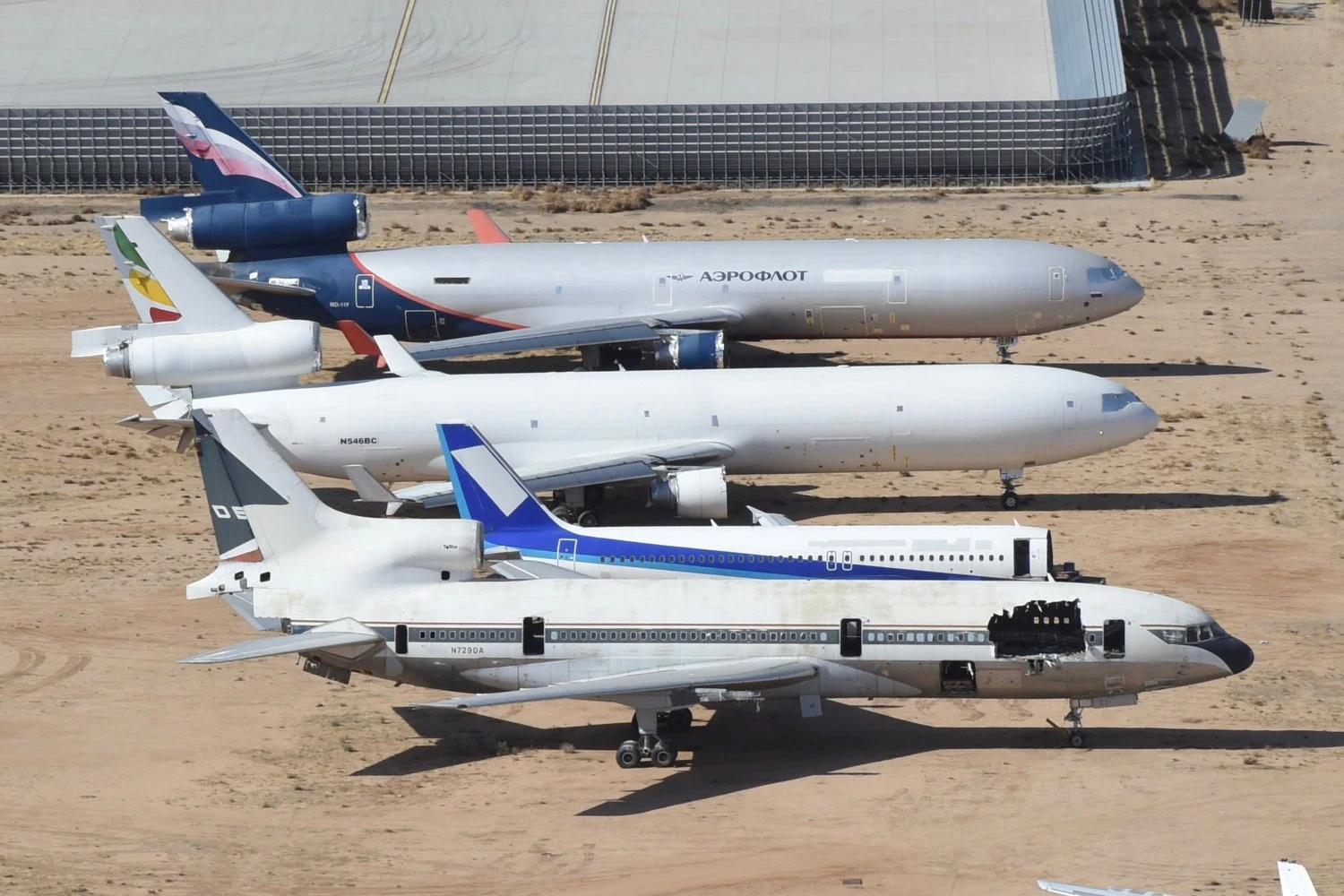
Lockheed L-1011 TriStar 2018 | Aero Icarus 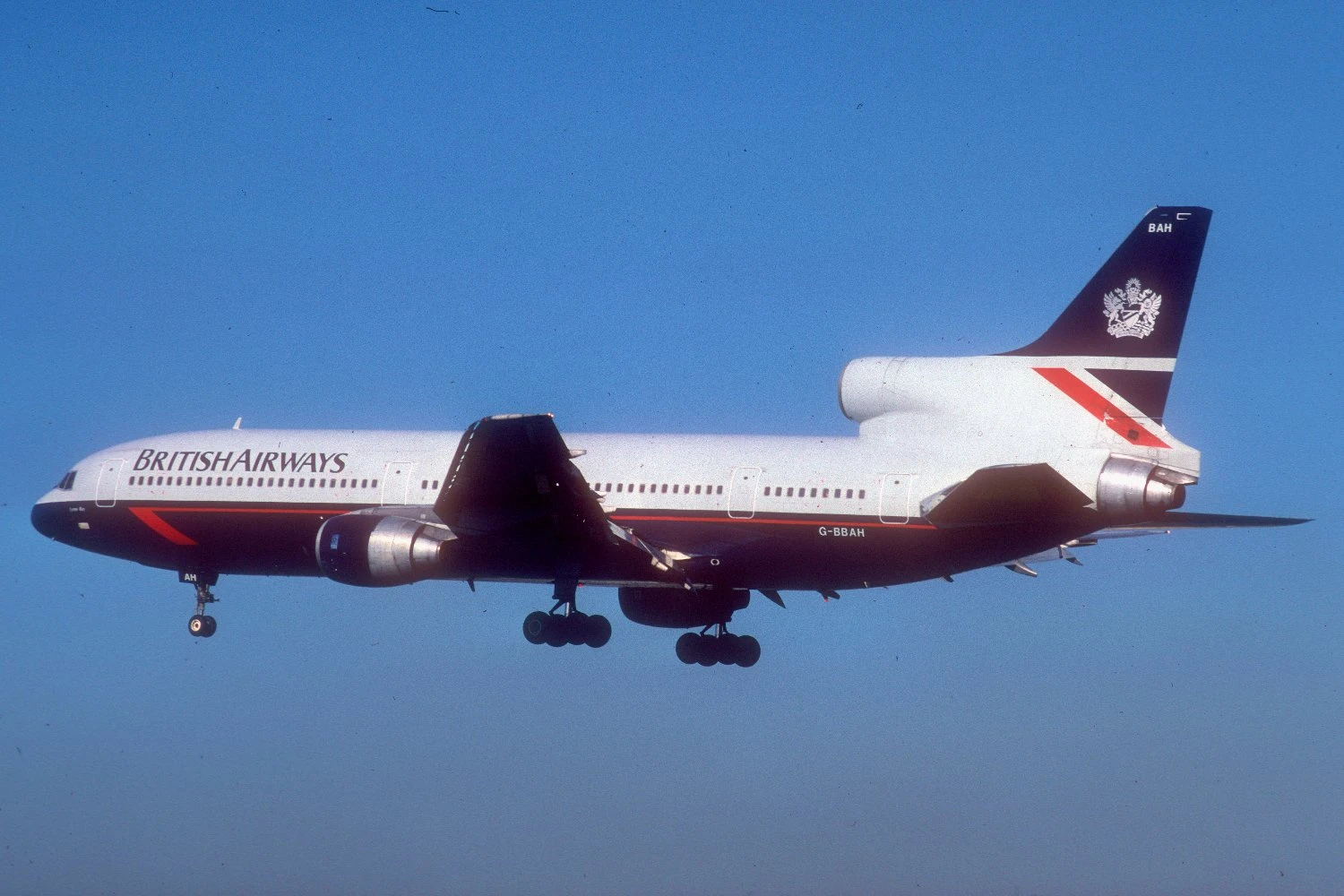
Lockheed L-1011 TriStar 1989 | Aero Icarus 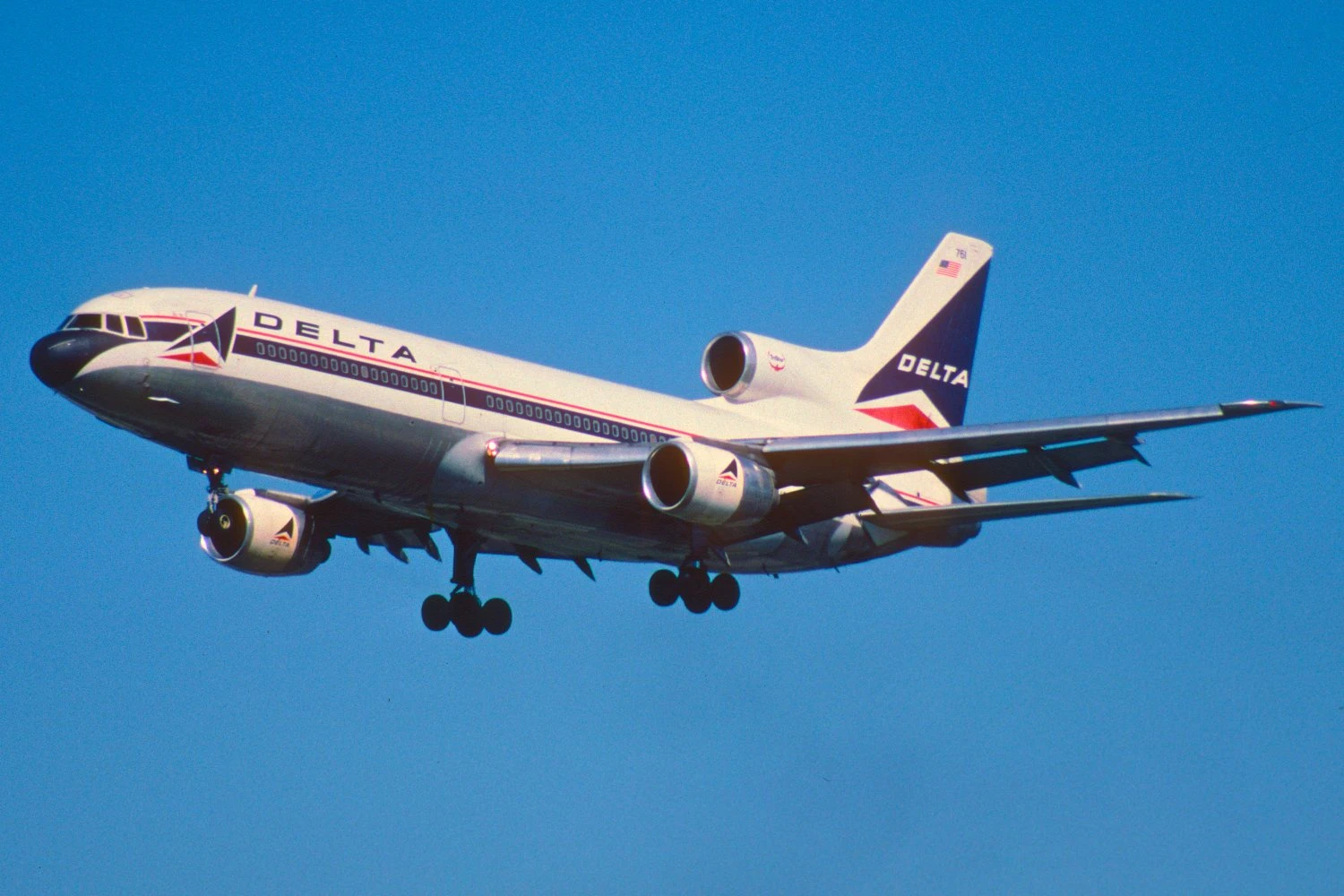
Lockheed L-1011 TriStar 1998 | Aero Icarus



The rivalry it never won
The TriStar’s main competitor, the McDonnell Douglas DC-10, reached the market earlier and secured key airline orders before Lockheed could deliver its aircraft.
By the time the TriStar was ready, many airlines had already committed their fleets. Even though the Lockheed jet was widely seen as more refined and technologically advanced, switching was not practical.
Production ultimately totaled 250 aircraft. The DC-10, despite its own challenges, achieved higher sales and wider adoption. For Lockheed, the outcome marked the end of its involvement in commercial airliner manufacturing.
Why it never became a freighter success
Unlike the DC-10, which went on to have a long and successful cargo career, the TriStar saw limited use as a freighter.
Part of the reason was timing. By the time large-scale cargo conversions became viable, the TriStar fleet was smaller and less widespread. Fewer available airframes meant less interest from conversion programs.
There were also structural and economic factors. The aircraft’s lower cargo deck design and conversion complexity made it less attractive compared to alternatives. Meanwhile, the DC-10 benefited from a larger installed base and earlier availability, allowing it to dominate the emerging widebody freighter market.
As a result, while some TriStars were converted or used in niche roles, the type never established a significant presence in cargo operations.
A favorite among those who flew it
Despite its commercial struggles, the TriStar earned a strong following among pilots and passengers.
Flight crews often described it as stable and predictable, with systems that reduced workload without sacrificing control. Passengers noticed the quieter cabin and smoother ride.
That contrast—technical excellence paired with limited commercial success—has helped sustain its reputation decades after its retirement.
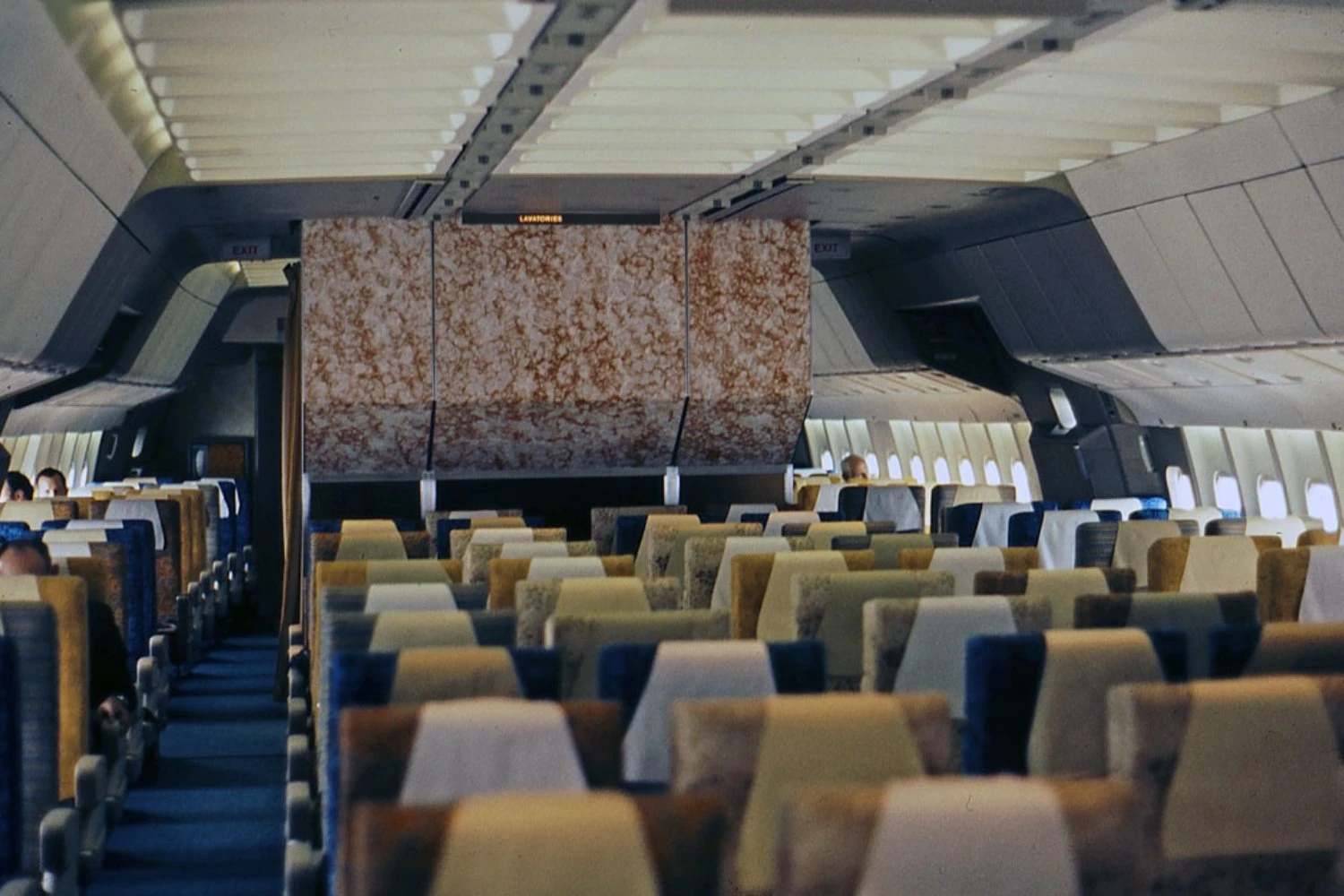
Lockheed L-1011 TriStar 1972 | Jon Proctor 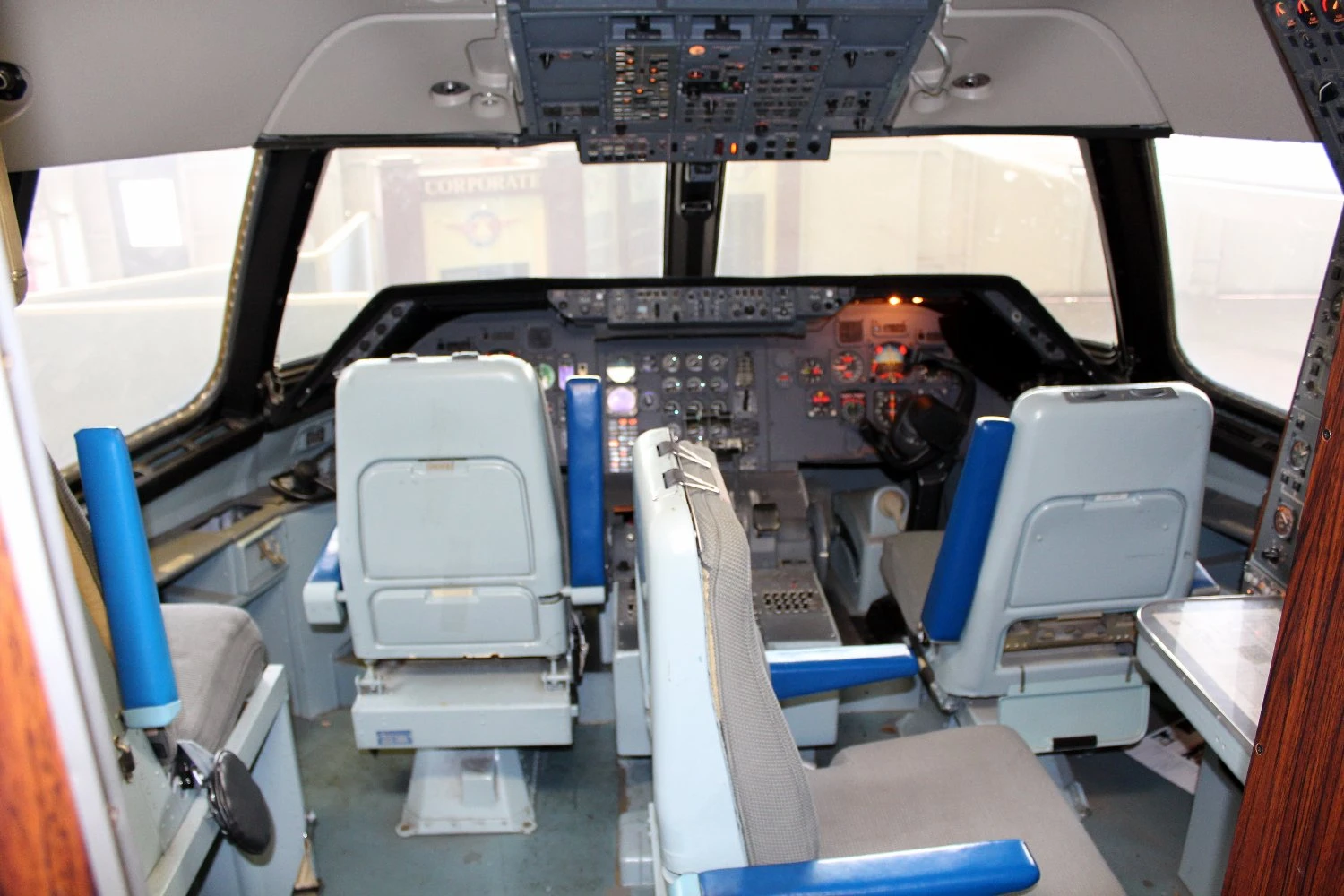
Lockheed L-1011 TriStar 2013 | Wally Gobeetz 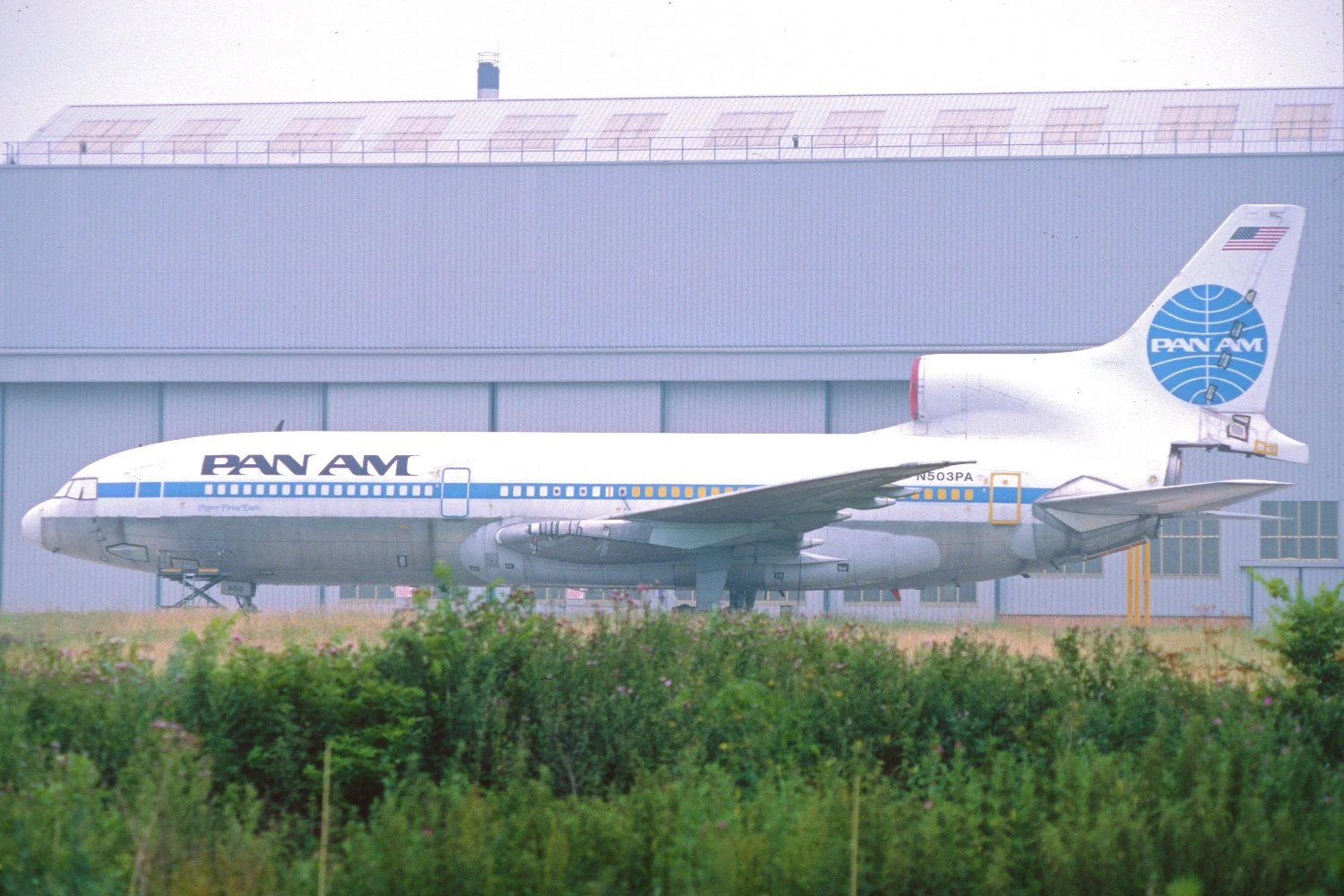
Lockheed L-1011 TriStar 1987 | Aero Icarus



The final passenger flights
The TriStar gradually disappeared from airline service through the 1990s and early 2000s, as twin-engine aircraft became more efficient and regulatory changes reduced the need for three-engine designs.
The last scheduled passenger flights are generally traced to the mid-2000s, with the type effectively leaving commercial passenger service around 2008, when remaining operators phased it out.
By then, the era of the trijet airliner was already coming to an end.
From airliner to space launch platform
The TriStar’s story did not end with passenger service. One aircraft, built in 1974, was later modified into a unique platform known as “Stargazer.” Instead of carrying passengers, it was adapted to launch Pegasus rockets from beneath its fuselage.
This unusual second life extended the aircraft’s relevance well beyond its original role.
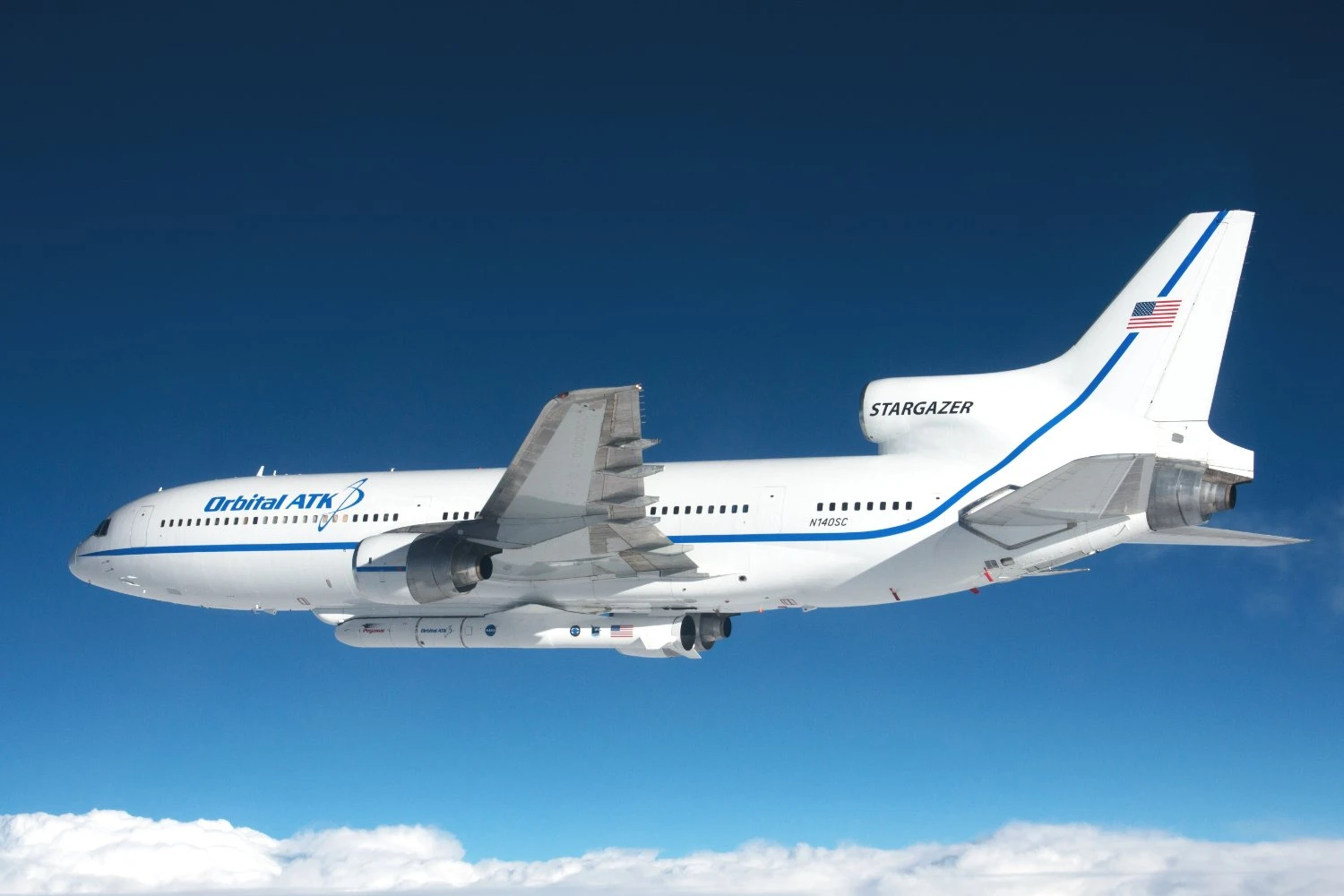
The last TriStar still flying
Today, only one L-1011 remains airworthy. Registered as N140SC and operated by Northrop Grumman, Stargazer continues to perform test and research flights, often operating out of Mojave, California. It has not launched a rocket in recent years but remains active as a specialized airborne platform.
Its continued operation makes it the final flying example of a type that once represented Lockheed’s most ambitious commercial project.