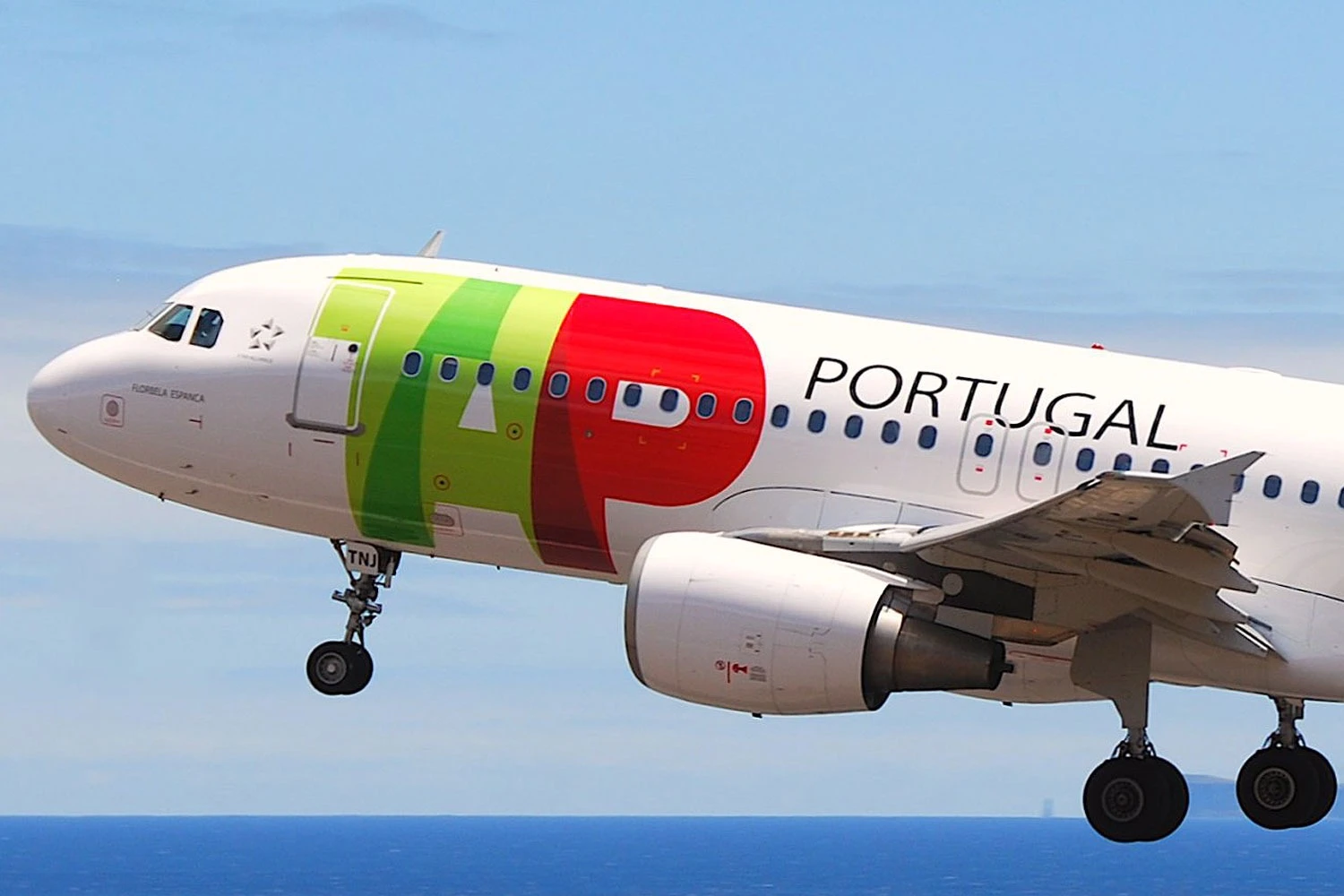
TAP Air Portugal recorded a €99.2 million (US$116 million) net loss in the first half of 2026 as a sharp increase in fuel costs outweighed higher passenger traffic and revenue, adding a new financial element to the Portuguese government's partial privatization of the airline.
The loss was 40% larger than the €70.7 million (US$83 million) deficit recorded in the first half of 2025. Operating revenue, however, increased 4.3% to €2.04 billion (US$2.39 billion), while passenger revenue rose 4.4% to €1.83 billion (US$2.14 billion).
Follow Air Data News: WhatsApp | Instagram | LinkedIn | Twitter | Facebook
The airline carried 8.2 million passengers during the six months, up 4.2%. Traffic measured in revenue passenger kilometers (RPK) increased 5.9%, considerably faster than the 1.7% increase in capacity, lifting load factor by 3.4 percentage points to 85.4%.
Those figures show that demand itself was not the main problem. TAP's expenses increased much faster than its revenue.
Recurring operating costs rose 9.6% to €2.12 billion (US$2.48 billion) during the first half. Fuel expenditure alone increased by €89.4 million (US$105 million), or 18.7%, to €566.4 million (US$663 million). Personnel costs were 7.5% higher, while depreciation and amortization increased 9.8%, partly as a result of investment in the fleet.
The difference was reflected in operating profitability. Recurring EBITDA — a measure of earnings before interest, taxes and major non-cash expenses such as aircraft depreciation — fell 29.8% to €181.9 million (US$213 million).
Recurring EBIT, which includes depreciation and therefore more directly captures the cost of operating and investing in the airline's aircraft and other assets, moved from a €17.3 million (US$20 million) profit in the first half of 2025 to an €83.7 million (US$98 million) loss this year.
Fuel shock hits second quarter
The deterioration was concentrated in the second quarter, when the increase in jet fuel prices had a much greater effect on TAP's costs.
The carrier spent €370.2 million (US$433 million) on aircraft fuel between April and June, 52.3% more than the €243.1 million (US$284 million) spent during the same period last year. The additional €127.1 million (US$149 million) in fuel expenditure came while operating revenue declined 0.6% to €1.13 billion (US$1.32 billion).
TAP said its ability to respond by raising fares was limited because a large portion of second-quarter tickets had already been sold when fuel prices began increasing.
Passenger revenue remained virtually unchanged at €1.02 billion (US$1.19 billion), while passenger revenue per available seat kilometer, or PRASK, increased only 0.3%.
The effect on the bottom line was substantial. Recurring EBITDA dropped from €256.3 million (US$300 million) to €86.4 million (US$101 million), while recurring EBIT swung from a €136.5 million (US$160 million) profit to a €47.6 million (US$56 million) loss.
TAP consequently ended the quarter with a €59.3 million (US$69 million) net loss, compared with a €37.5 million (US$44 million) profit a year earlier.
North America was also a weak point during the quarter. Unit passenger revenue declined 7% in the market as TAP added capacity and faced pressure on Economy fares. Europe improved 2% and Africa 3%, while the airline said South America helped unit revenue recover across the network in June.
TAP resumes fleet growth
The results also show TAP beginning to expand its operational fleet after years in which its size was constrained by the restructuring plan associated with the state aid granted to the airline during the Covid-19 crisis.
The European Commission approved €2.55 billion (US$2.98 billion) in restructuring aid for TAP in December 2021, including the conversion into equity of a €1.2 billion (US$1.40 billion) emergency loan previously granted by Portugal.
Related news
July 15, 2026
The restructuring plan imposed several conditions intended to reduce the competitive effects of the government support, including restrictions on fleet growth. With that restructuring period concluded, TAP has greater freedom to expand and renew its fleet.
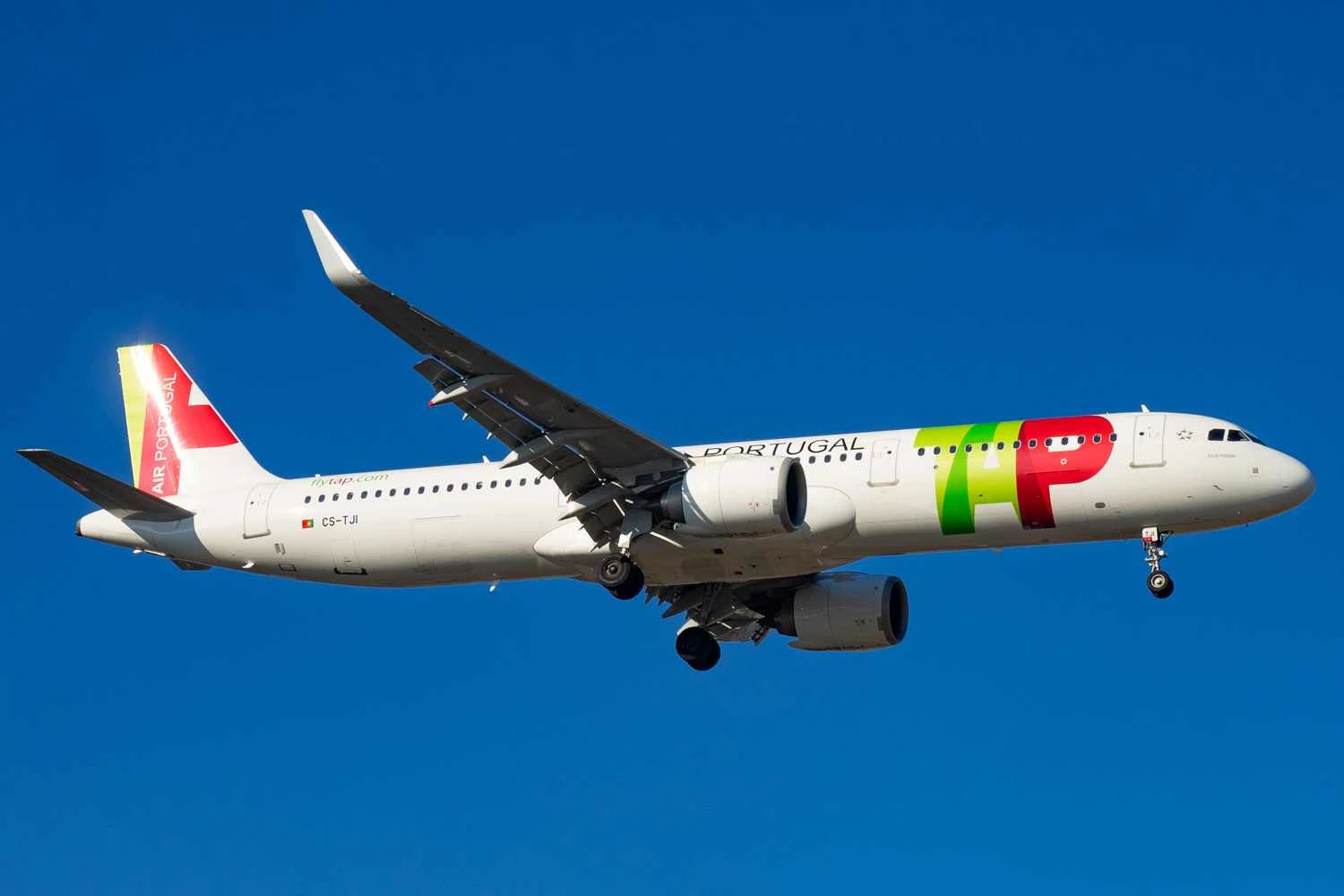
The carrier reported 101 operational aircraft at the end of June, two more than at the end of the first quarter.
An Airbus A320neo that was undergoing phase-in at the end of March entered service early in the second quarter, while another A320neo was received and placed into operation during the period. A third A320neo had been received by June 30 but remained in the phase-in process and was therefore not included among the 101 operational aircraft.
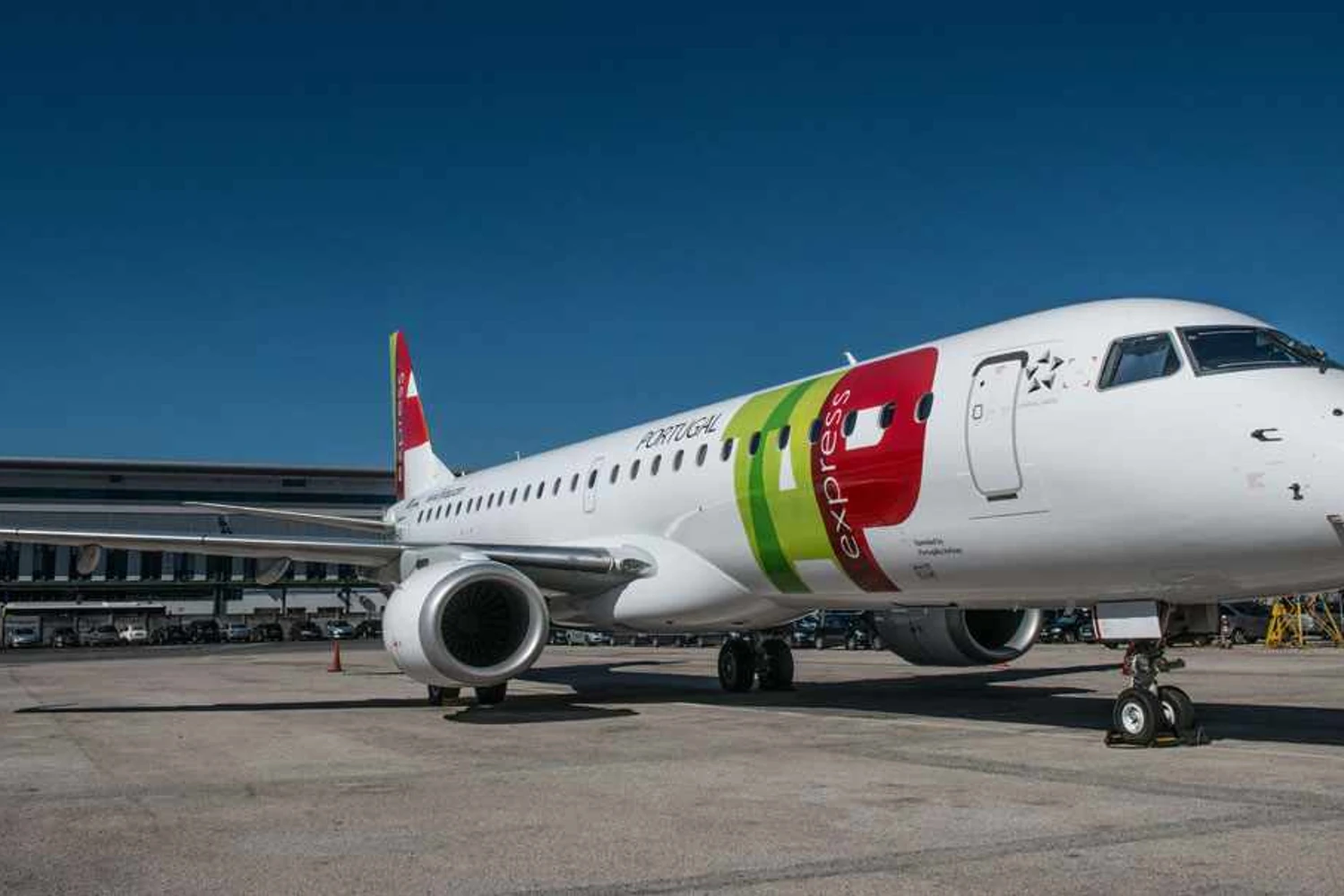
TAP's operational fleet at the end of June comprised 22 widebody aircraft, 60 narrowbodies and 19 regional aircraft.
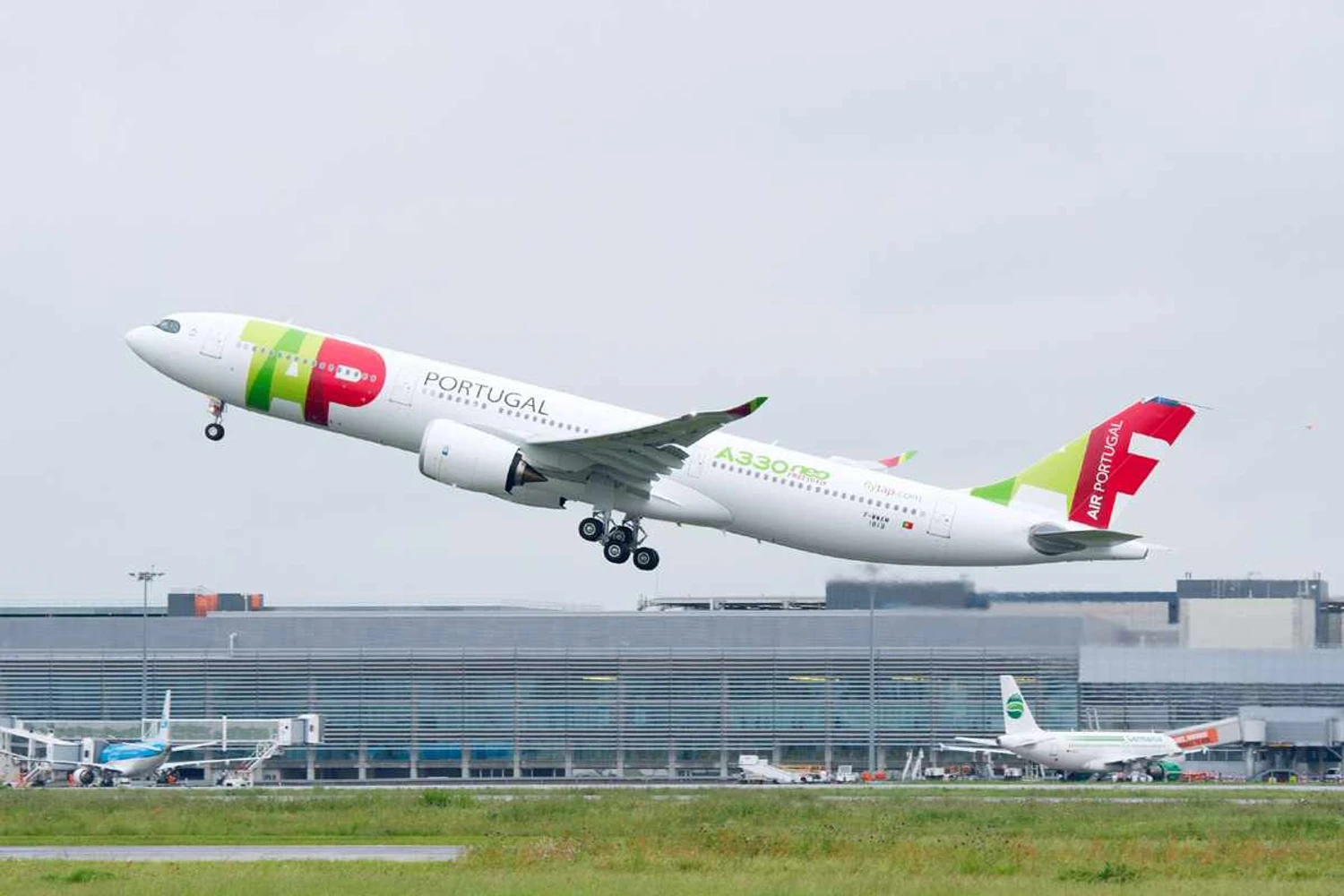
The widebody fleet included 19 A330neos and three previous-generation A330s. The narrowbody fleet comprised 13 A321LRs, 10 A321neos, 17 A320neos, three A321ceos and 14 A320ceos. Another 19 Embraer E-Jets formed the regional fleet.
According to TAP, 72% of its operational medium- and long-haul fleet consisted of Airbus A320neo-family and A330neo aircraft, compared with 71% a year earlier.
The additional aircraft are significant because TAP is entering a new phase in which fleet renewal and potential expansion will increasingly be determined by its post-restructuring strategy rather than the restrictions attached to state aid.
Results arrive during privatization
The financial results also come as Portugal moves forward with the partial privatization of TAP.
The government plans to sell up to 49.9% of the airline, with 44.9% intended for a strategic investor and as much as 5% reserved for employees.
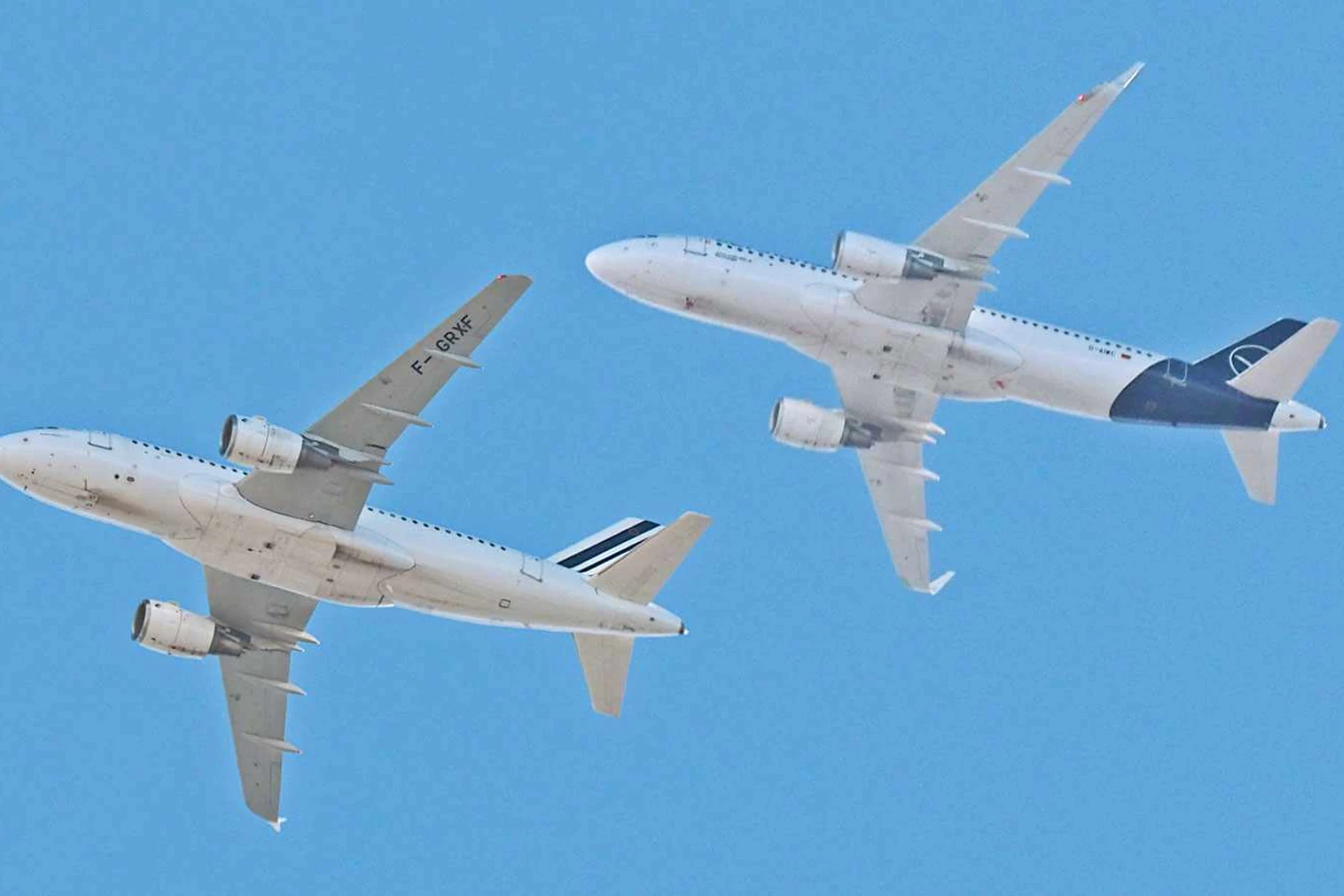
Air France-KLM and Germany's Lufthansa Group are competing for the strategic stake and submitted binding offers in July. The process is intended to bring a major European airline group into TAP's ownership while Portugal retains control of the carrier.
The selection is not based solely on the price offered for the shares. The Portuguese government is also assessing the bidders' industrial plans, financial capacity and proposals for TAP's future development, including its fleet and network.
That places the latest financial performance in a particularly important context for the two potential investors. TAP is carrying more passengers, filling more of its available seats and beginning to expand its fleet again, but the second quarter demonstrates how quickly an external cost shock can affect its profitability.
The airline nevertheless retains substantial liquidity. TAP ended June with €1.22 billion (US$1.43 billion) in cash and equivalents after issuing €350 million (US$410 million) in senior notes during the second quarter. Net financial debt stood at €787.1 million (US$921 million), slightly below the €803.7 million (US$941 million) recorded at the end of 2025.
TAP has also approved a strategic plan covering 2026 through 2035, centered on long-haul growth, product investment and new sources of revenue. Fleet investment and network development under that plan will be among the major strategic decisions facing TAP and whichever European airline group becomes its new minority shareholder.