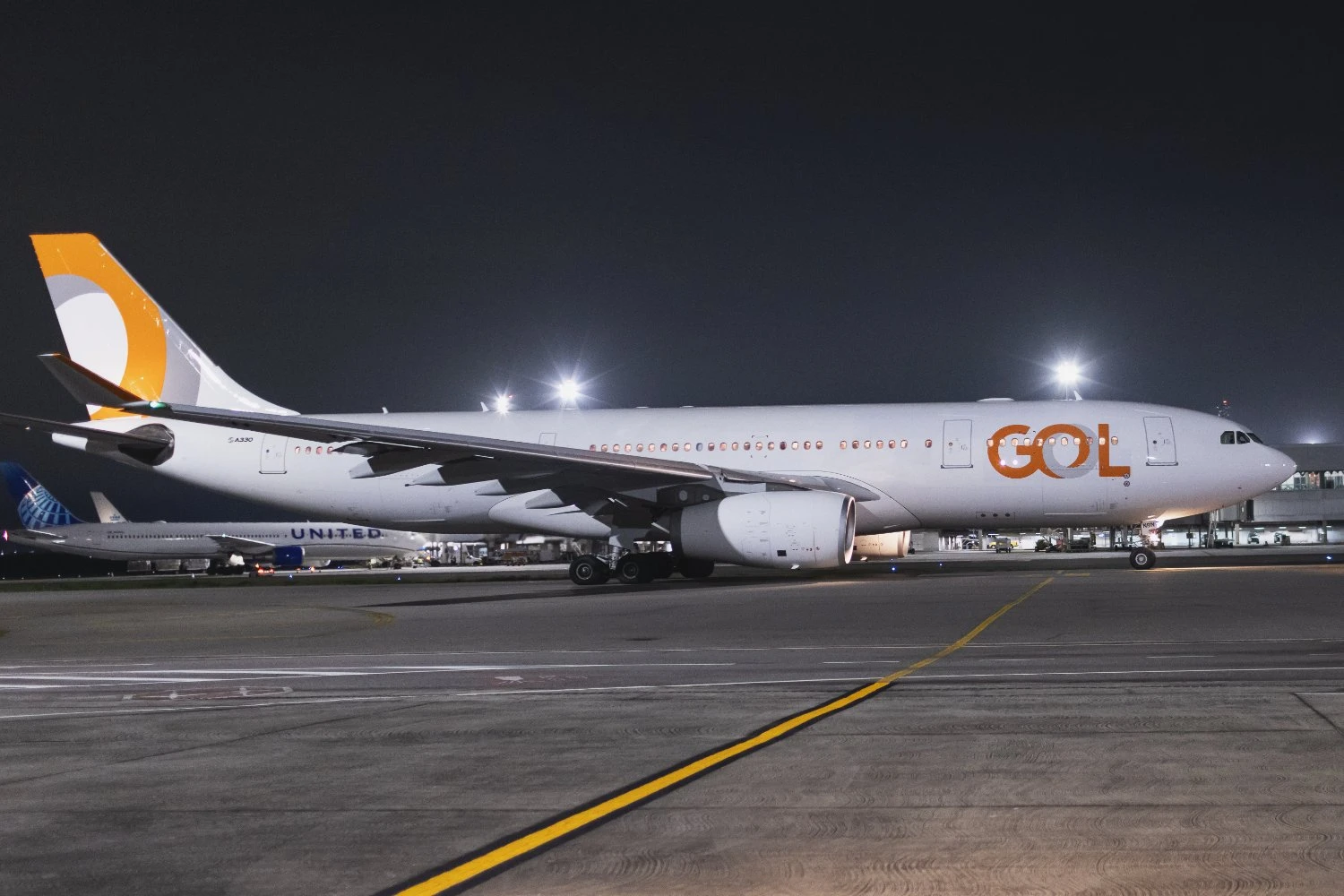
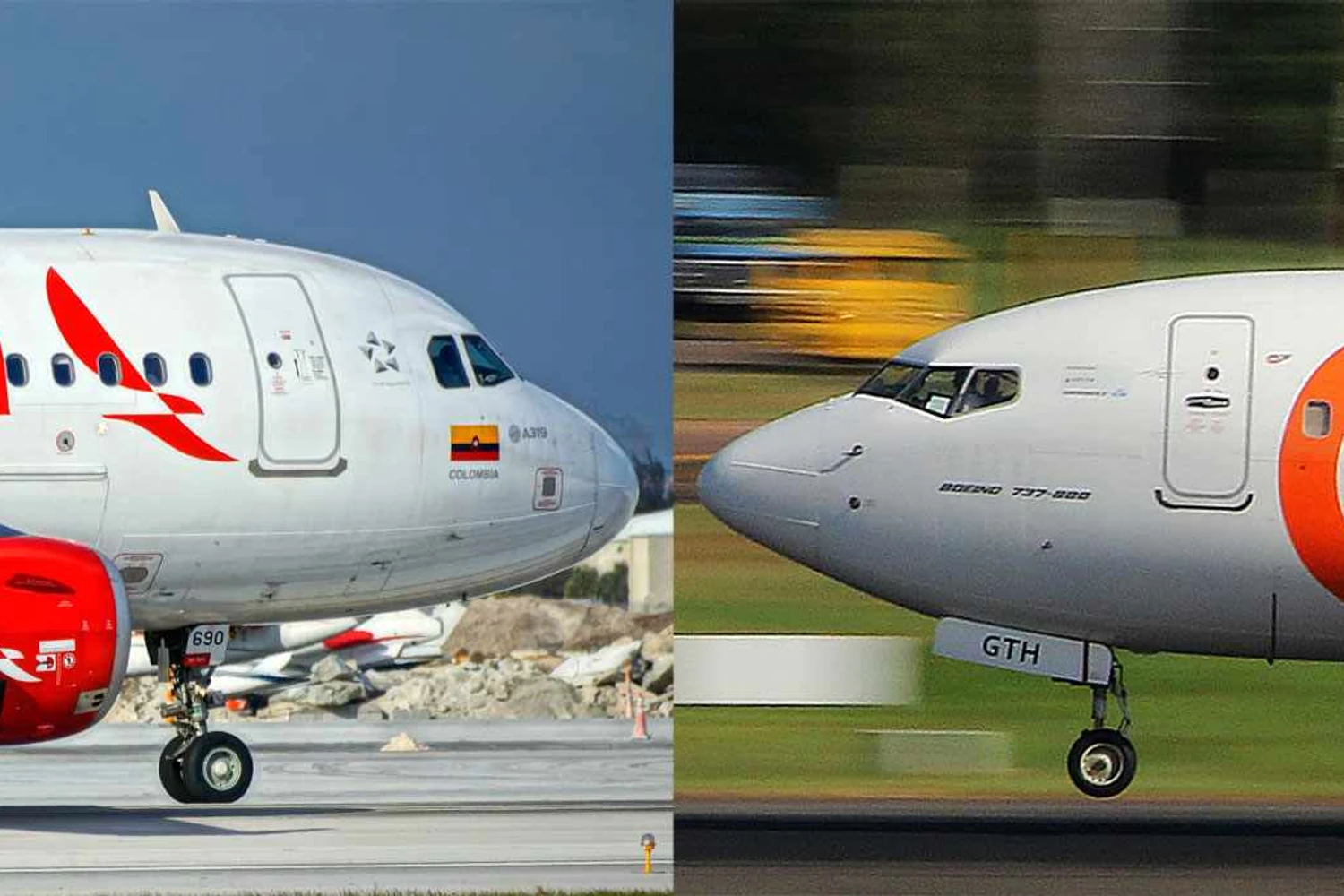
Abra Group reported higher passenger traffic and revenue in the second quarter of 2026, but a sharp increase in fuel expenses weighed heavily on earnings at the parent company of GOL and Avianca.
The group generated US$2.59 billion in operating revenue during the three months ended June 30, an increase of 17.7% from US$2.20 billion on a pro forma basis a year earlier. Passenger revenue rose 18.3% to US$2.15 billion, while cargo and other revenue increased 14.8% to US$448 million.
Related news
The improvement in revenue did not translate into higher profitability. Adjusted EBITDAR fell 61.7% to US$195 million, reducing the margin from 23.1% to 7.5%.
Aircraft fuel expenses reached US$984 million, up 80.2% from US$546 million in the comparable period of 2025. Abra said the increase included US$445 million in additional fuel expenses during the quarter.
The group posted a net loss of US$766 million, compared with a pro forma loss of US$178 million a year earlier.
Abra ended June with US$2.1 billion in liquidity, including US$1.4 billion in cash and cash equivalents. Net debt stood at approximately US$9.4 billion, while the net debt-to-adjusted EBITDAR ratio increased from 3.1 times at the end of the first quarter to 3.7 times.
Passenger traffic grows at GOL and Avianca
Abra carried 17.6 million passengers during the quarter, 4.3% more than a year earlier. Capacity increased 6.5% to 30.7 billion available seat kilometers (ASKs), while the group load factor remained almost unchanged at 79.7%.
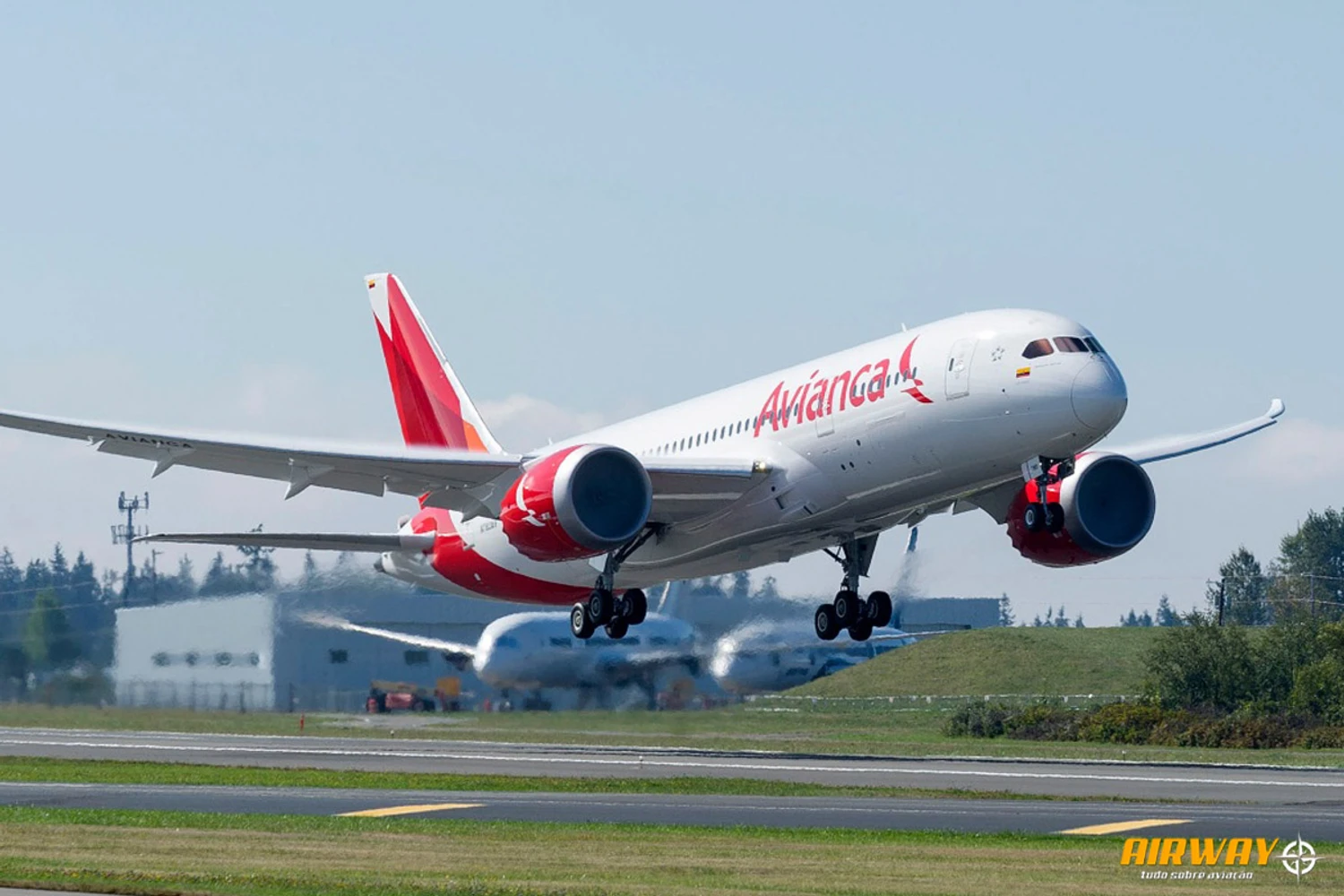
Avianca carried 9.1 million passengers, up 3.7%, as capacity increased 6.1% to 18.5 billion ASKs. Its load factor improved slightly to 78.8%.
Brazilian carrier GOL transported 8.5 million passengers, an increase of 5%. Capacity rose 7.2% to 12.2 billion ASKs, while load factor declined 1.1 percentage points to 81%.
Both airlines obtained higher yields during the period. Avianca's passenger yield increased 9.1%, while GOL recorded a 12% improvement. Passenger revenue per available seat kilometer, or PRASK, rose 9.7% at Avianca and 10.5% at GOL.
The surge in fuel prices prompted Abra to reduce planned capacity during the quarter. Compared with schedules prepared before the latest increase in fuel costs, Avianca cut planned ASKs by 1%, while GOL reduced them by 6%.
Group operates 310 aircraft
Abra had 328 aircraft under contractual arrangements at the end of the quarter, of which 310 were operating. The active fleet comprised 264 narrowbody passenger aircraft, 28 widebodies and 18 freighters.
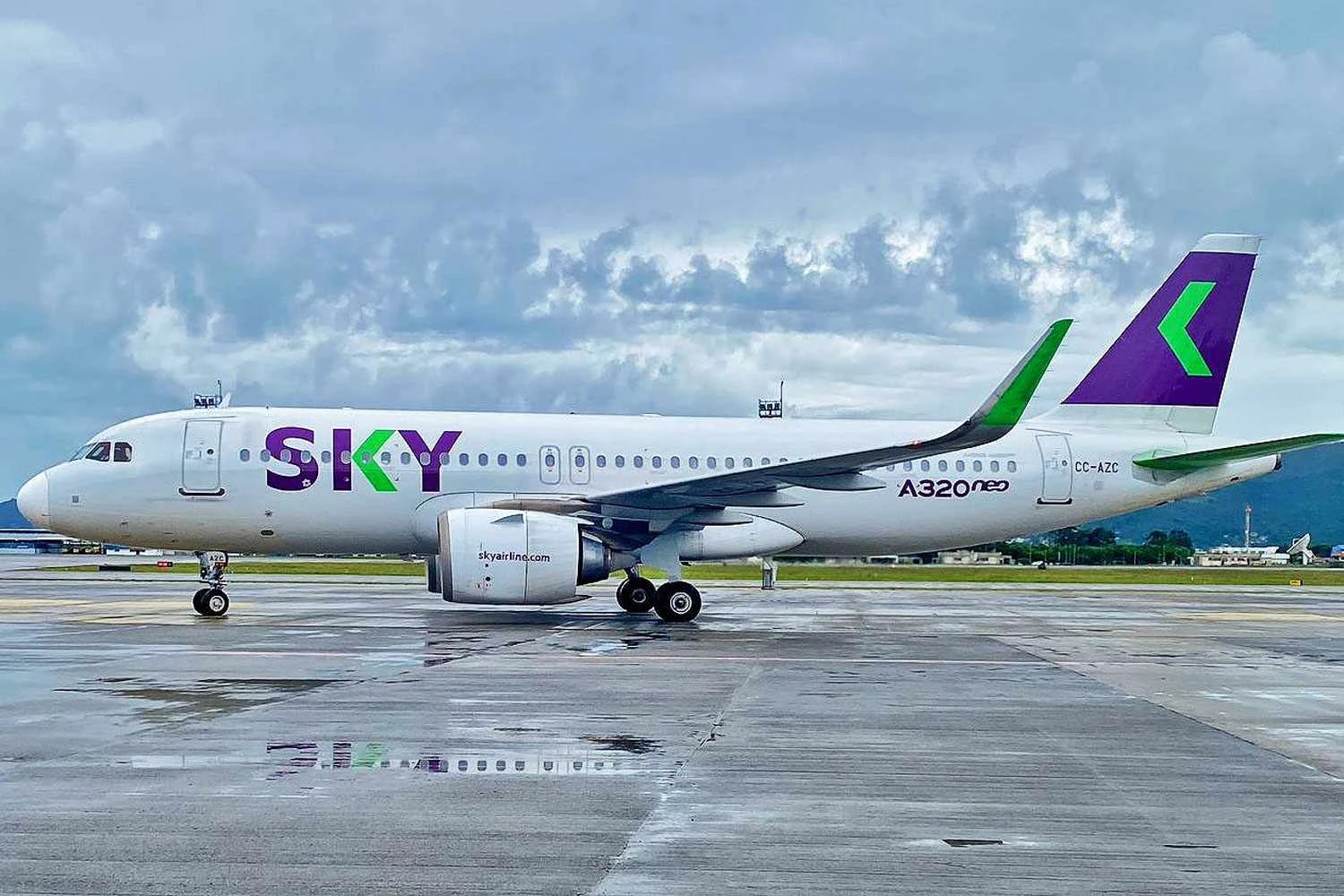
The operating narrowbody fleet included 135 Boeing 737-family aircraft and 129 Airbus A320-family jets. The group also had four ATR 72 turboprops under contract, although none was listed as operational at the end of June.
The widebody fleet consisted of 14 Airbus A330s and 14 Boeing 787s in operation. Another A330neo was included in the contractual fleet but had not yet entered service. Abra also operated nine Airbus A330 freighters and nine Boeing 737 freighters.
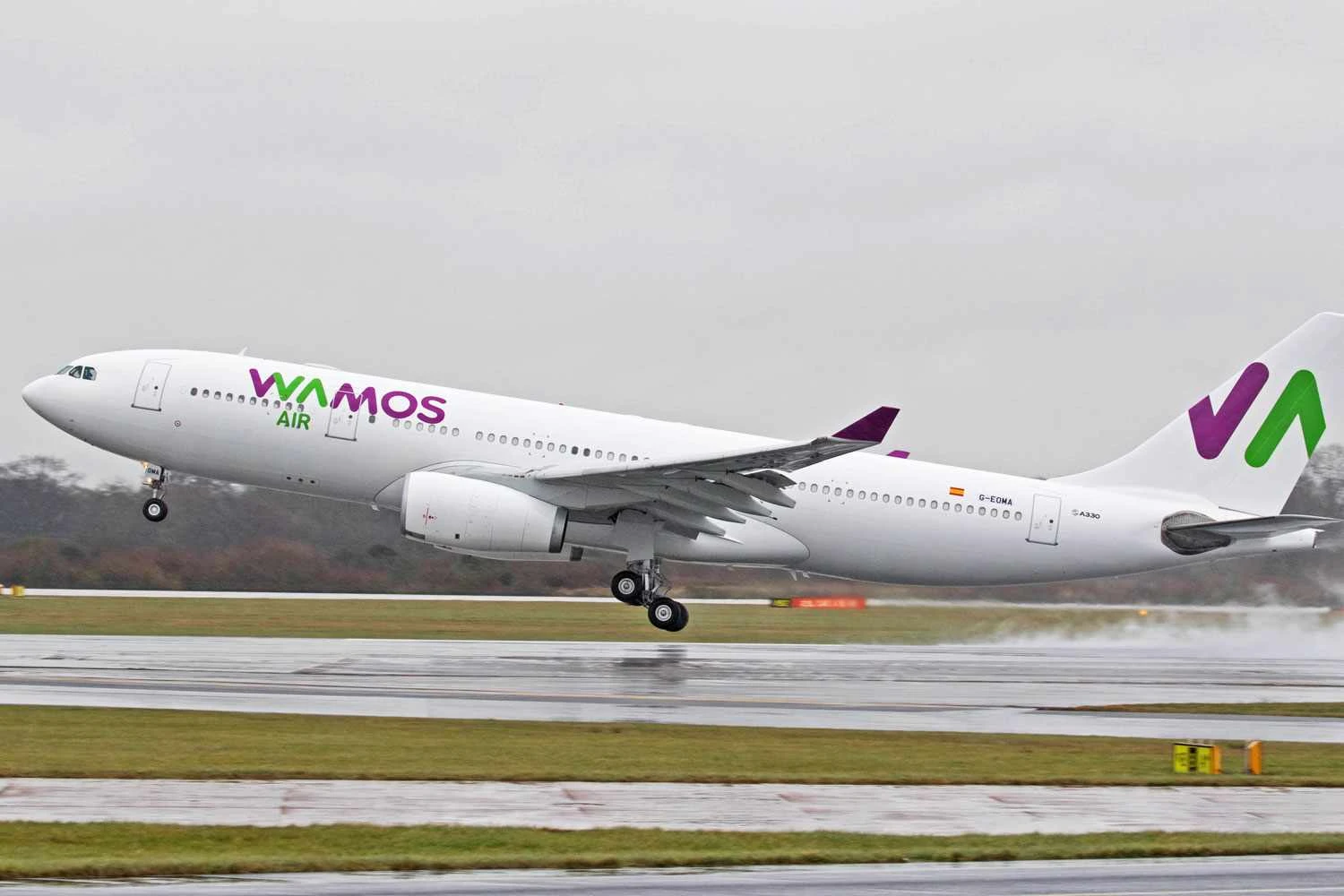
GOL began widebody international operations during the quarter between Rio de Janeiro, Brazil, and New York, United States, using Airbus A330 capacity supplied by Spanish ACMI operator Wamos Air.
Abra is also moving ahead with its future fleet plans. The group has an agreement with Embraer covering up to 45 E195-E2s and recently announced an order for 100 CFM International LEAP-1A engines to support its Airbus A320neo-family fleet.
The group said it now serves more than 145 destinations across 27 countries through a network of more than 370 routes. Its airlines operated approximately 74,000 flights during the second quarter.