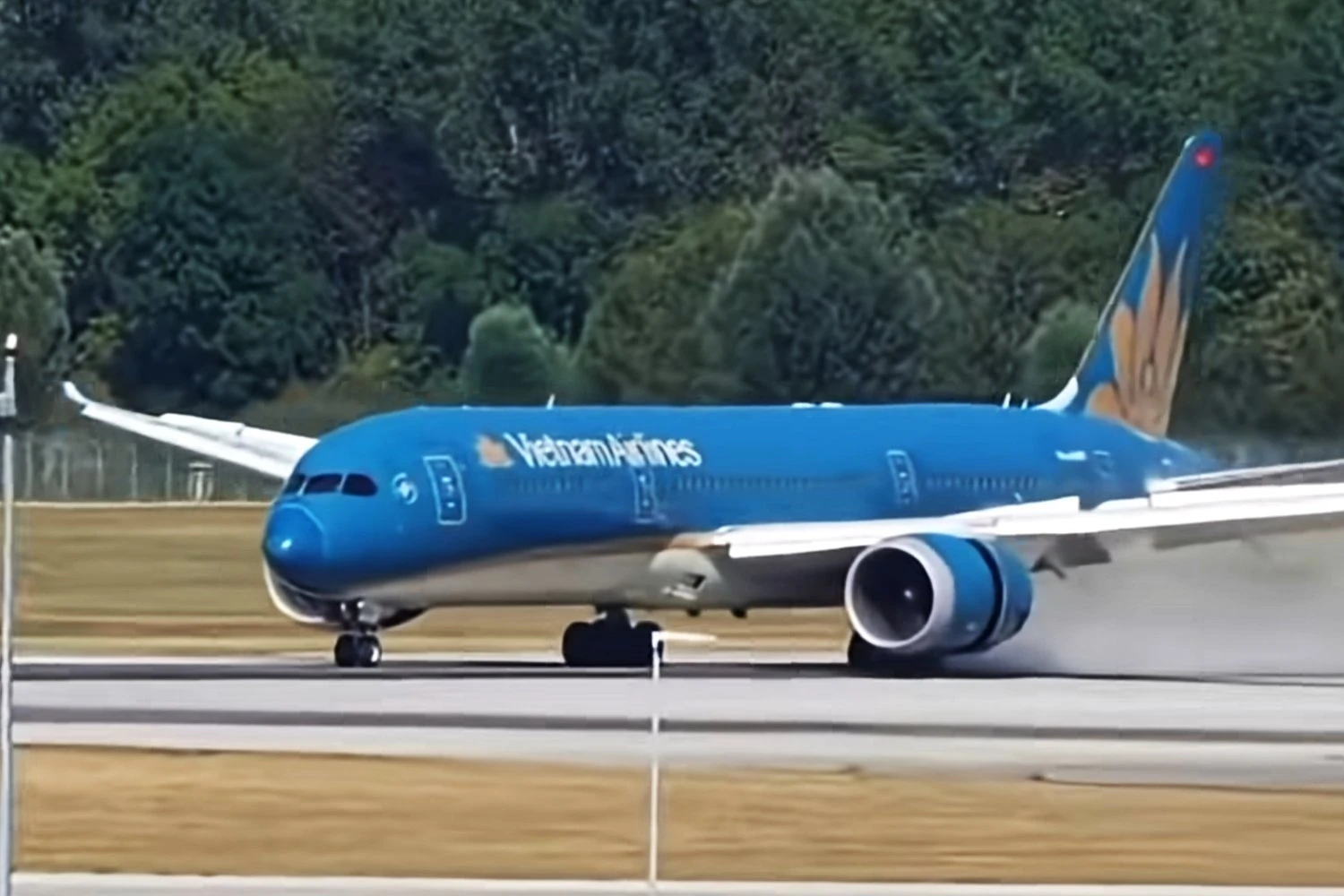
Vietnam's civil aviation authority has confirmed that a Vietnam Airlines Boeing 787-9 suffered a tail strike and triggered low tire-pressure warnings shortly after its troubled departure from Munich Airport on August 15.
The new information provides the first official confirmation of damage suspected after videos and images of the incident emerged over the weekend. Vietnam Airlines had initially described the reason for the return of flight VN34 only as a "technical issue."
Follow Air Data News: WhatsApp | Instagram | LinkedIn | Twitter | Facebook
"After takeoff, warnings were triggered indicating contact between the aircraft's tail and the runway and low tyre pressure," the Civil Aviation Authority of Vietnam (CAAV) said, according to Reuters.
Videos published after the incident provide a clearer picture of the departure. The 787 can be seen accelerating for an unusually long time before becoming airborne near the end of Munich's 4,000-meter (13,123-foot) runway 26L.
The aircraft then appears to leave the paved runway area during the final stage of its takeoff roll, throwing up a large cloud of dust. The footage does not establish why the takeoff developed this way, and investigators have yet to disclose the sequence of events that led to the tail strike and tire damage.
The aircraft involved was VN-A867, a 10-year-old Boeing 787-9 powered by GE Aerospace GEnx engines. It was operating VN34 from Munich to Hanoi with 271 passengers and 16 crew members.
After becoming airborne, the pilots remained near Munich for more than two hours before returning to the airport. The extended flight allowed the aircraft to reduce its weight before attempting to land with the known problems.
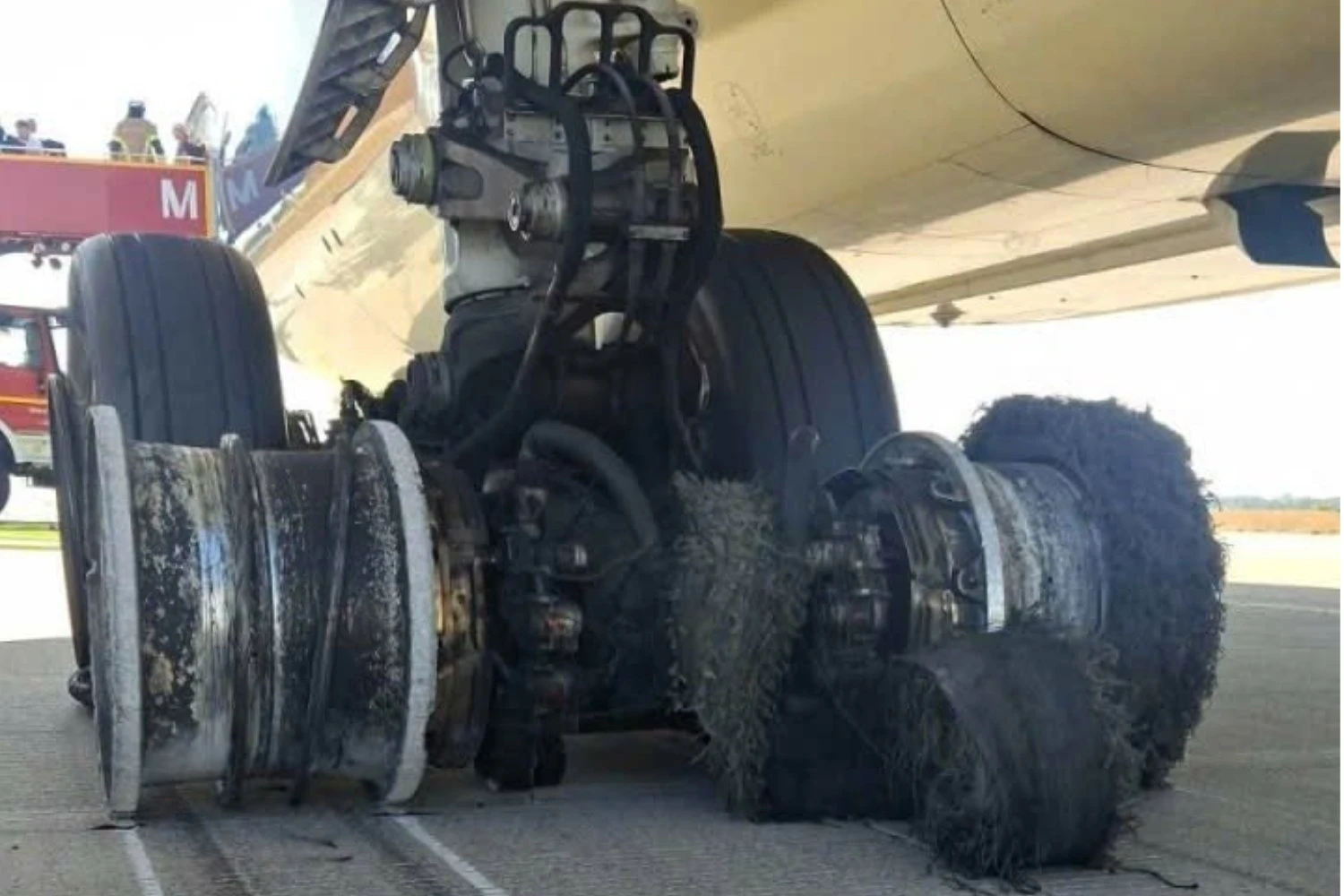
The 787 landed safely, but all tires on its left main landing gear were damaged. It was unable to taxi from the runway under its own power and remained there after stopping, forcing Munich Airport to close the north runway temporarily and route traffic through the other runway.
Related news
September 11, 2026
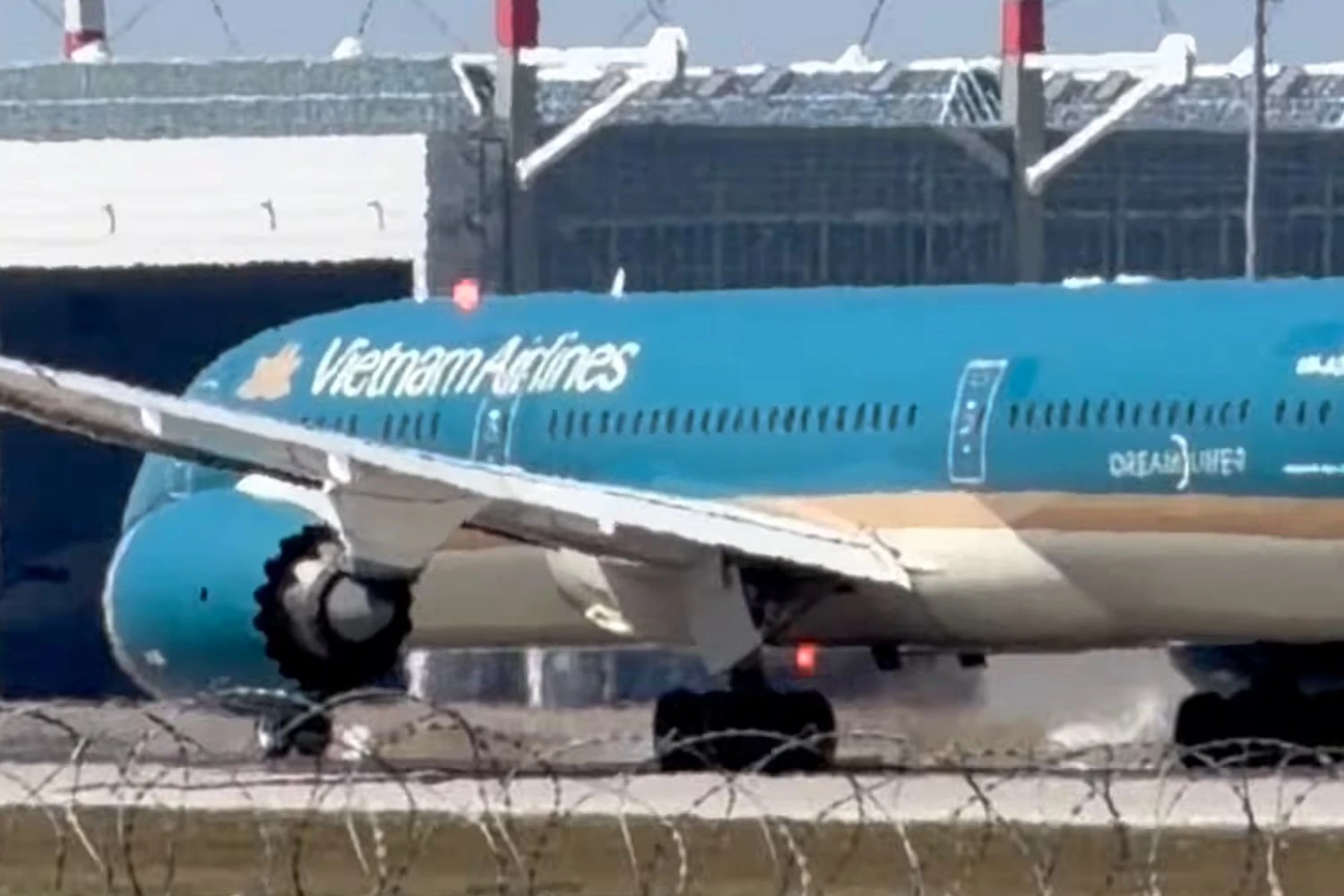
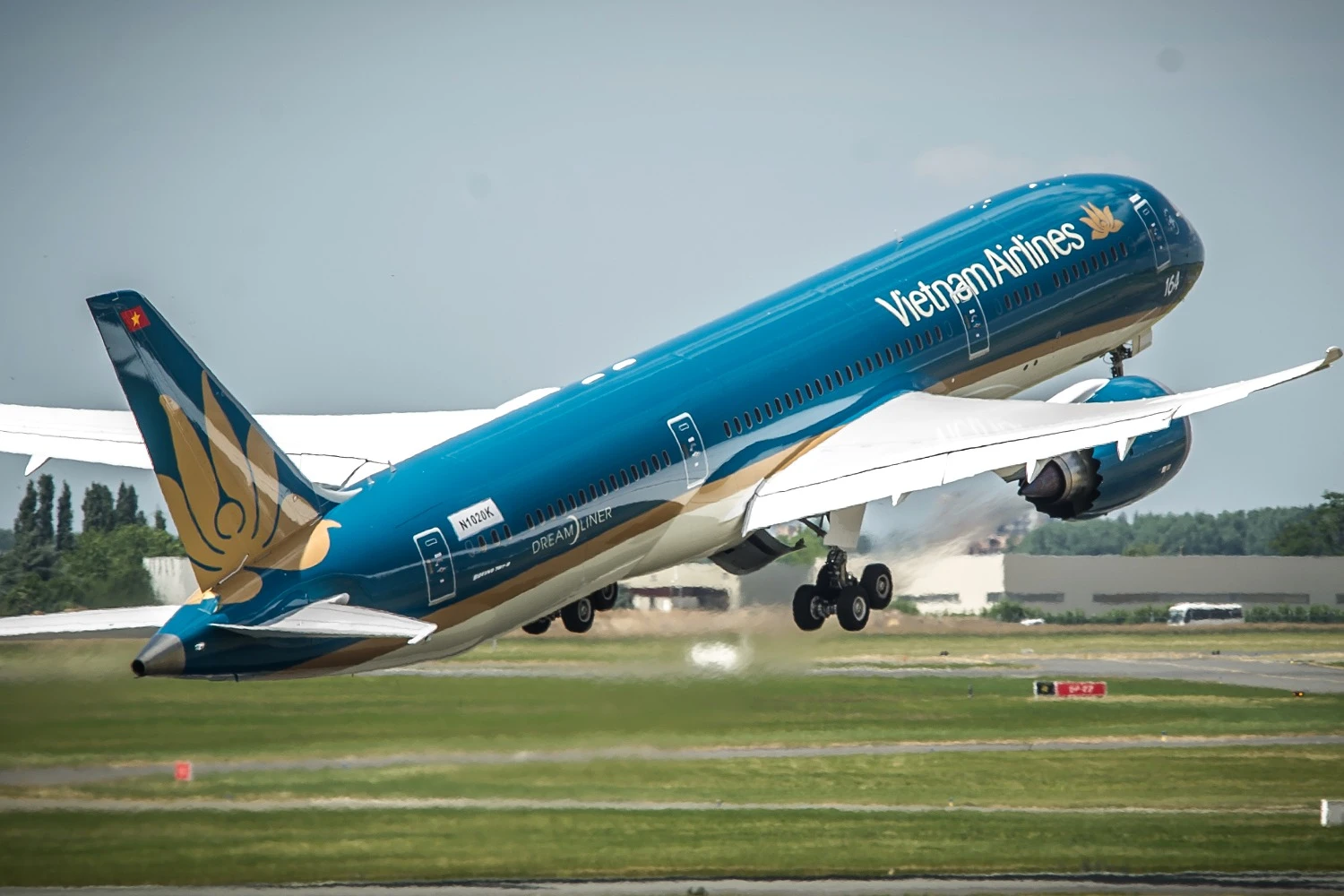
Images subsequently published also showed damage to the underside of the rear fuselage, consistent with the tail-strike warning now confirmed by the CAAV.
The German investigation authority is leading the investigation under international rules because the incident occurred in Germany. The CAAV said it is coordinating with German investigators, with Vietnam's aircraft accident investigation body expected to assist.
https://x.com/airwayaviation/status/2088937084346089630
A key question remains unanswered: why the 787 needed such a long ground roll before takeoff. Neither the Vietnamese authority nor Vietnam Airlines has yet identified the technical, operational or other factors that led to the abnormal departure.
VN-A867 was built at Boeing's Charleston plant and made its first flight in April 2016. It entered service with Vietnam Airlines later that month and has 274 seats in three classes.
Vietnam Airlines operates 17 Boeing 787s, comprising 11 787-8s and six 787-9s.