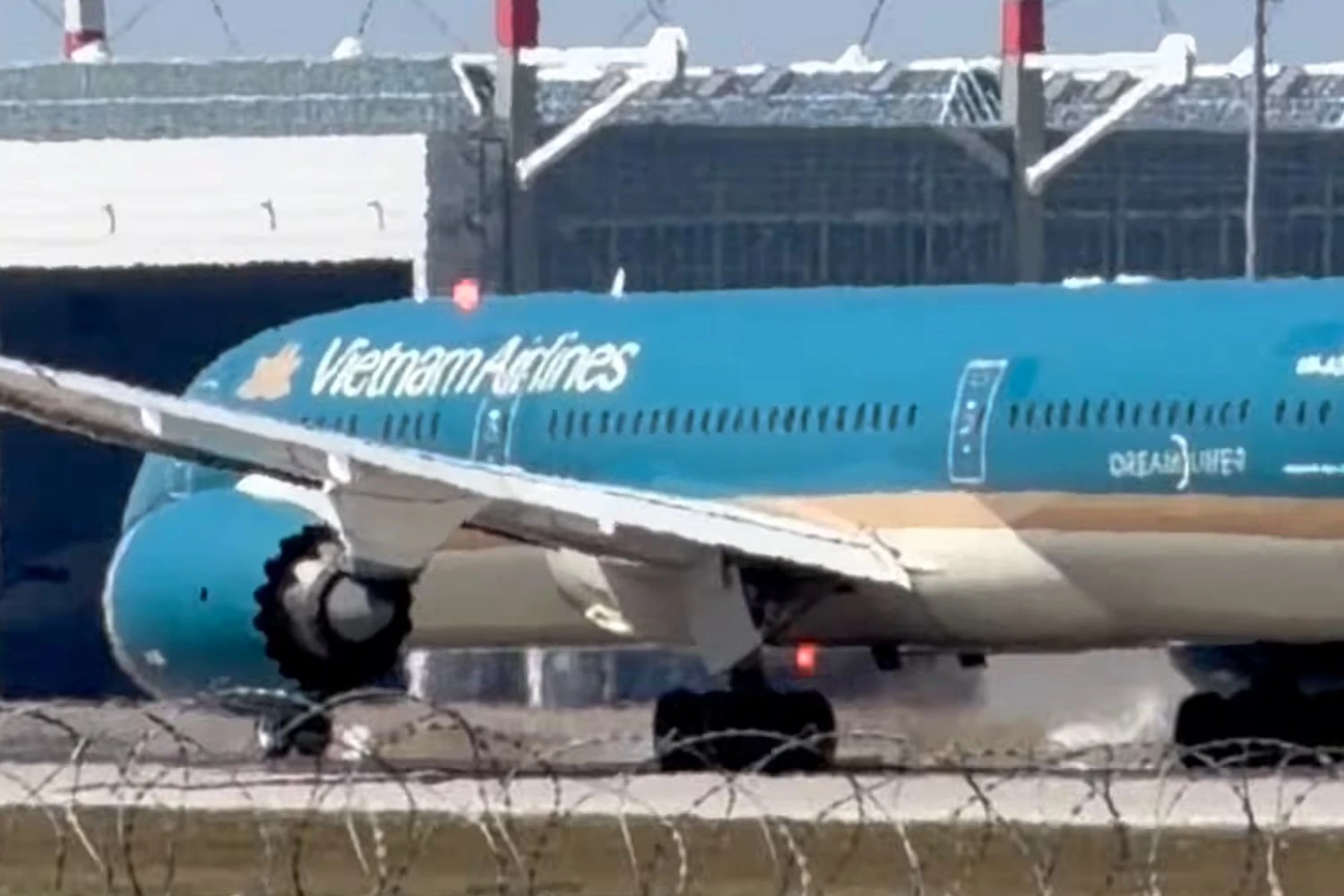
The pilots of a Vietnam Airlines Boeing 787-9 that overran the end of a runway during takeoff from Munich have reported that the aircraft stopped accelerating and later lost speed again before eventually becoming airborne.
The account provides the clearest description so far of what happened aboard VN34 on August 15 and helps explain videos showing the Hanoi-bound 787 using virtually the entire 4,000-meter (13,123-foot) runway 26L before continuing beyond the paved surface.
Follow Air Data News: WhatsApp | Instagram | LinkedIn | Twitter | Facebook
According to preliminary information from Vietnam's Civil Aviation Authority, the pilots said the aircraft stopped accelerating for approximately two seconds when it was around halfway along the runway. Acceleration then resumed and the 787 reached V1, the calculated takeoff decision speed.
After passing V1, however, the crew noticed the aircraft's speed decreasing again. At that stage, the pilots determined that there was insufficient runway remaining to safely reject the takeoff. They increased engine thrust to maximum and continued the takeoff attempt.
The crew began rotating the aircraft with approximately 91 meters (300 feet) of runway remaining. Video footage subsequently published from Munich shows the 787 continuing beyond the paved end of the runway, throwing up a large cloud of dust before finally establishing a climb.
The aircraft subsequently generated warnings indicating a tail strike and low tire pressure.
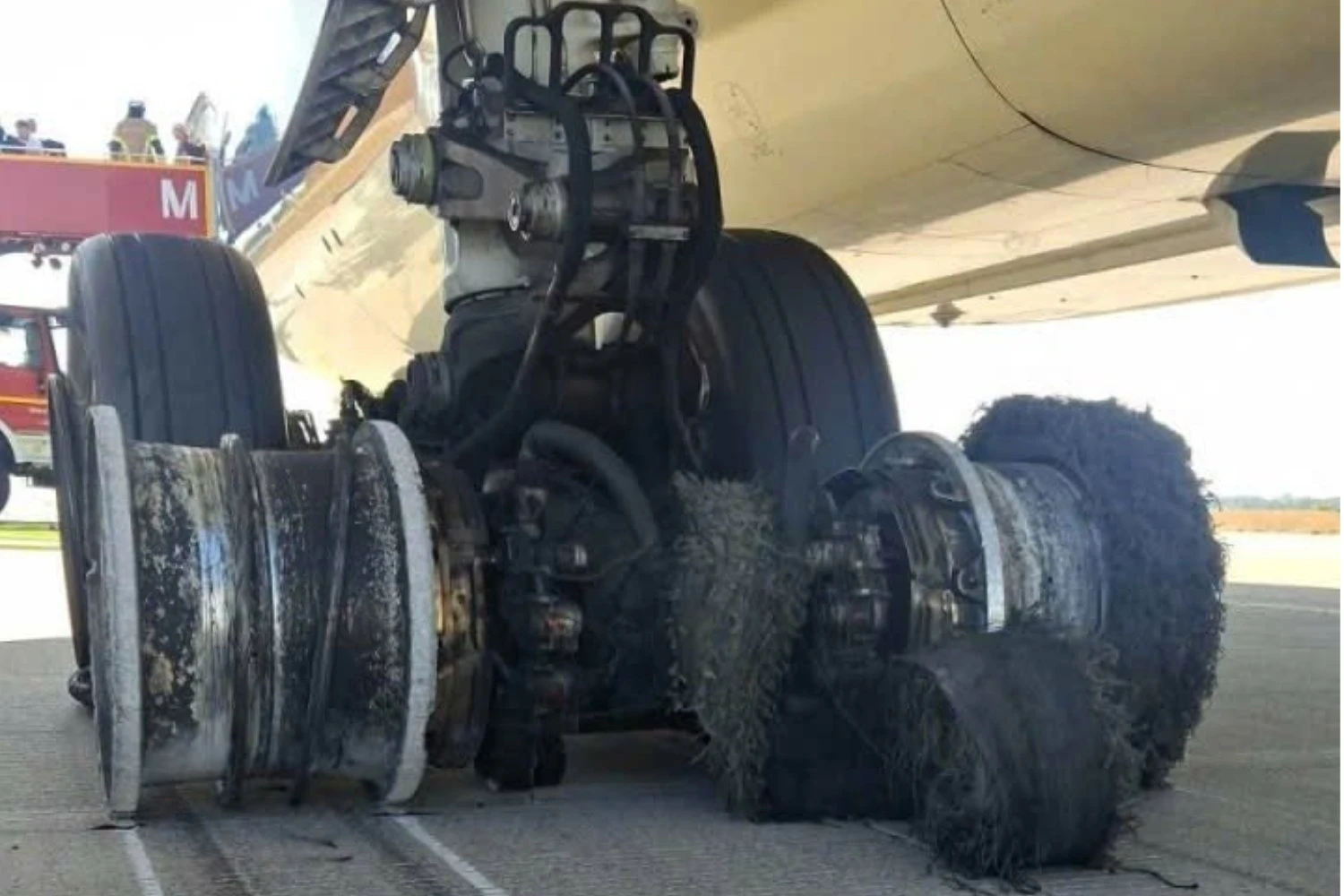
Unlike an overrun during landing, the Munich event involved an aircraft that continued its takeoff beyond the runway boundary before becoming fully airborne. A tail strike refers to contact between the lower rear fuselage and the ground during rotation, rather than the vertical or horizontal tail surfaces themselves striking the runway.
Aircraft was close to 240 tonnes
The aircraft involved, VN-A867, had a reported takeoff weight of approximately 240 tonnes. The maximum takeoff weight of the 787-9 is around 254 tonnes depending on the specific weight variant, meaning the aircraft was heavy but not necessarily operating at its structural limit.
Weather conditions do not immediately suggest an obvious environmental explanation for the unusually long takeoff. Visibility was at least 10 kilometers (6.2 miles), winds were reported at around 3 knots and the temperature was 33°C (91°F).
There were 271 passengers and 16 crew members aboard. The four pilots reportedly had a combined 63,938 flight hours, including 19,675 hours on the Boeing 787.
https://x.com/airwayaviation/status/2088937084346089630
After becoming airborne, the crew remained near Munich for more than two hours, reducing the aircraft's weight before returning to the airport. The 787 made several approaches before eventually landing safely.
The extent of the landing gear damage also became clearer after the aircraft returned. Preliminary information indicates that four of the eight main landing gear tires had lost pressure, including three on the left main gear and one on the right.
Damage was also found on the underside of the rear fuselage consistent with the tail strike reported by the aircraft's warning systems.
VN-A867 could not leave the runway under its own power after landing, forcing Munich Airport to close the north runway while the aircraft was removed.
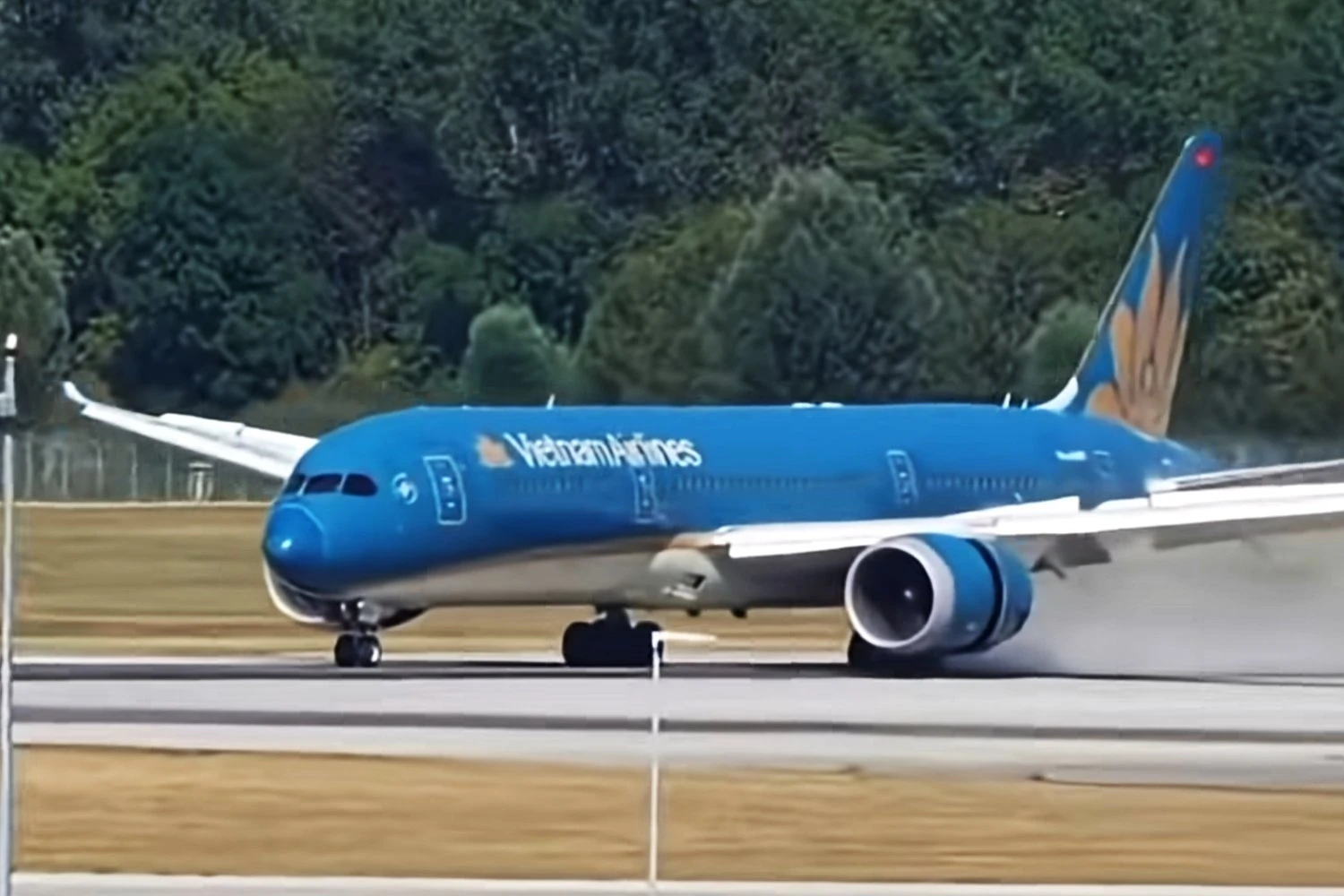
The sequence described by the pilots raises an important question over what caused the abnormal changes in acceleration during the takeoff roll. Images and reports have prompted speculation about possible braking-system involvement, but investigators have not established that as the cause.
Germany's Federal Bureau of Aircraft Accident Investigation (BFU) is leading the investigation. Data from the flight recorders should allow investigators to reconstruct the aircraft's speed, engine thrust, braking and other system parameters throughout the takeoff roll and determine why the 787 failed to accelerate normally.
VN-A867 is a 10-year-old Boeing 787-9 powered by GE Aerospace GEnx engines. It was delivered to Vietnam Airlines in April 2016 and is one of six 787-9s operated by the carrier, alongside 11 787-8s.