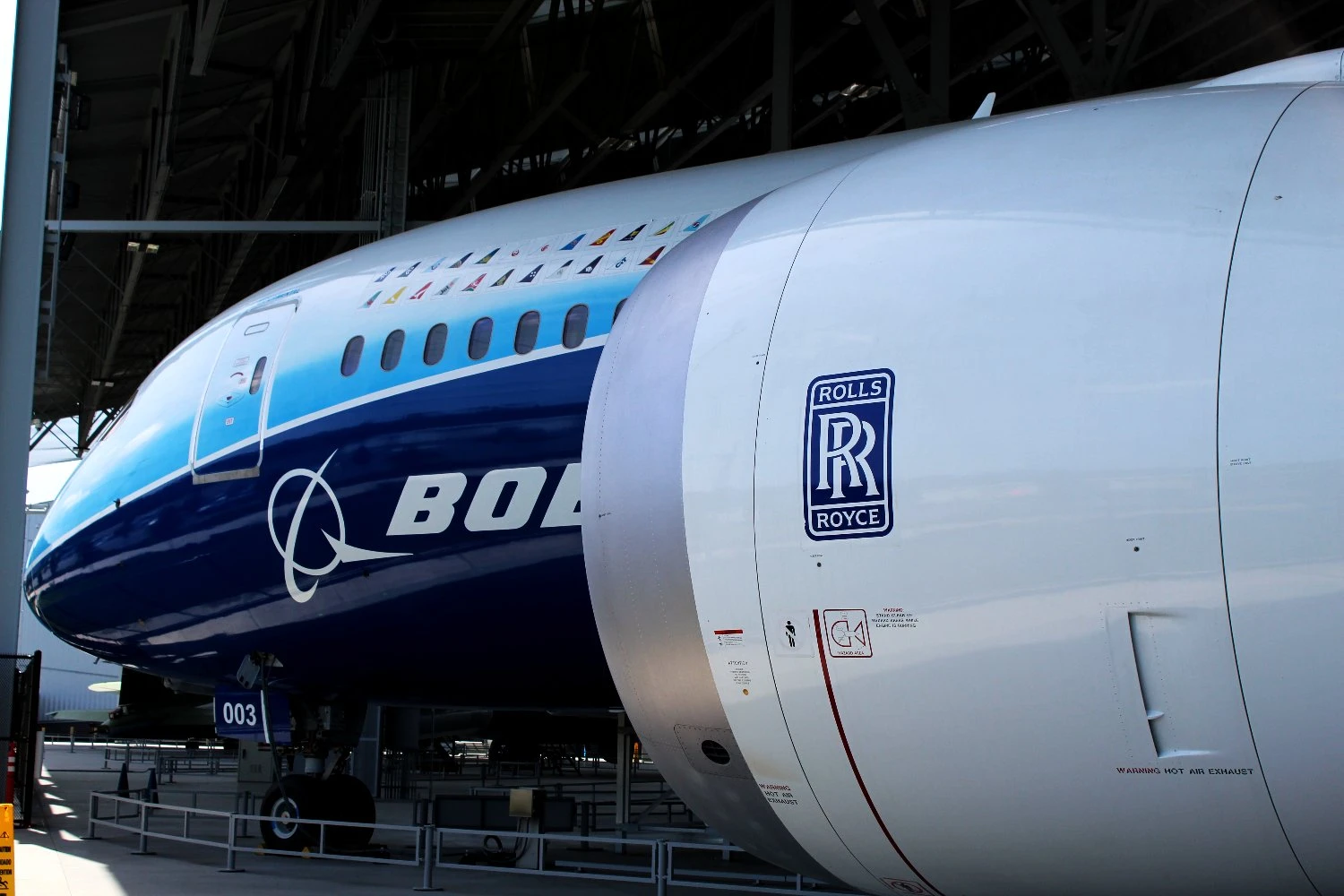
Rolls-Royce has secured its first new engine selection for the Boeing 787 in nearly three years, with an order recorded in March 2026 for eight aircraft, marking the first publicly disclosed Boeing order tied to Rolls-Royce engines since mid-2023.
The previous known order for the Rolls-Royce Trent engine dates back to May 2023, when Air Niugini selected the powerplant for two 787-8 aircraft. The gap of roughly 34 months highlights a prolonged period in which new Dreamliner orders were either tied to General Electric engines or listed as undisclosed.
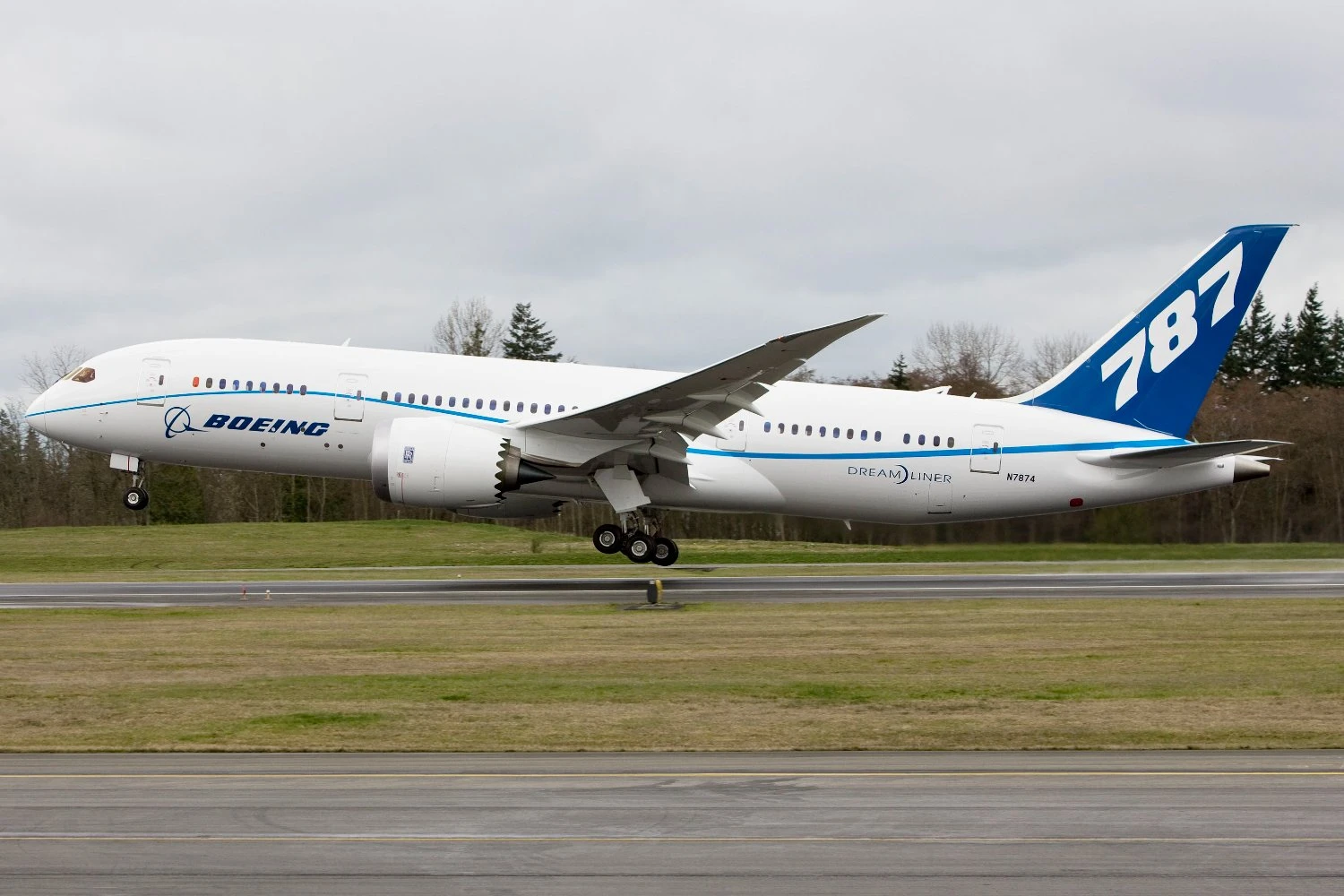
The March order, attributed to an unidentified customer in Boeing’s data, stands out in a program where engine competition has become increasingly uneven. Historically, the 787 has been offered with a choice between Rolls-Royce’s Trent 1000 and the GE Aerospace GEnx, one of the few widebody programs still allowing dual sourcing.
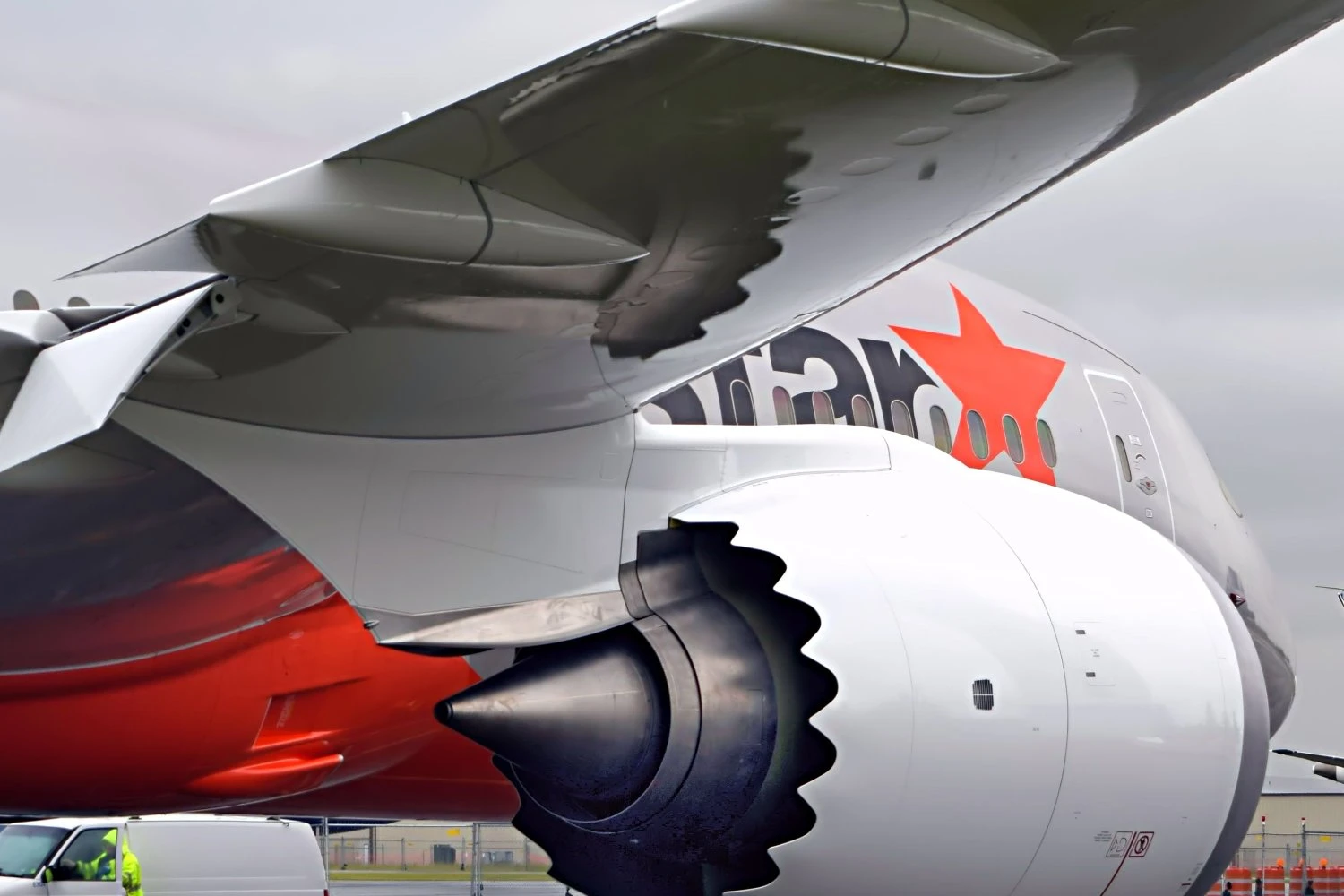
Data compiled from Boeing shows that, out of 5,694 gross orders for the 787, 2,014 have been tied to GE engines and 556 to Rolls-Royce, while 3,124 remain undisclosed. Rolls-Royce's relatively low market share can be explained by previous reliability issues with the Trent 1000 and by a shift in airline preferences over time.
The Trent 1000 lost momentum after durability problems earlier in the program, including blade cracking issues that forced airlines such as British Airways, ANA and Air New Zealand to temporarily ground 787s for inspections and engine replacements. The disruptions helped GE’s GEnx become the preferred option among airlines in recent years.
Rolls-Royce said it has introduced durability upgrades aimed at addressing those issues, including a redesigned high-pressure turbine blade that increases cooling airflow by 40%. According to the manufacturer, the modification triples the engine’s time on wing compared with the previous version, a metric that measures how long an engine can remain in service before requiring major maintenance.
Related news

September 16, 2026
September 14, 2026
The two engines offer similar performance on paper. The Trent 1000 has a slightly higher bypass ratio of 10:1 — meaning more thrust is generated by the fan rather than the core — while the GEnx uses composite fan blades and titanium-aluminide turbine blades to reduce weight.
Both engines produce roughly 74,000 pounds of thrust depending on the variant and are also used beyond the 787 program: the GEnx powers the Boeing 747-8, while Rolls-Royce developed the Trent architecture into the Trent XWB used exclusively on the Airbus A350.
Rolls-Royce sent Air Data News the following statement regarding recent Trent 1000 orders and improvements to the engine.
"Whilst we can’t disclose the airlines at this stage, we can confirm the Trent 1000 XE orders.
Our ongoing transformation has enabled us to make significant improvements with our Trent 1000 XE engine, more than doubling Time on Wing. These orders are testament to the step-change in performance our investment is delivering for current and future customers.
We know the re-engineered HPT blade has already improved Time on Wing for the Trent 7000 and we are confident it will deliver the same for Trent 1000 XE customers."