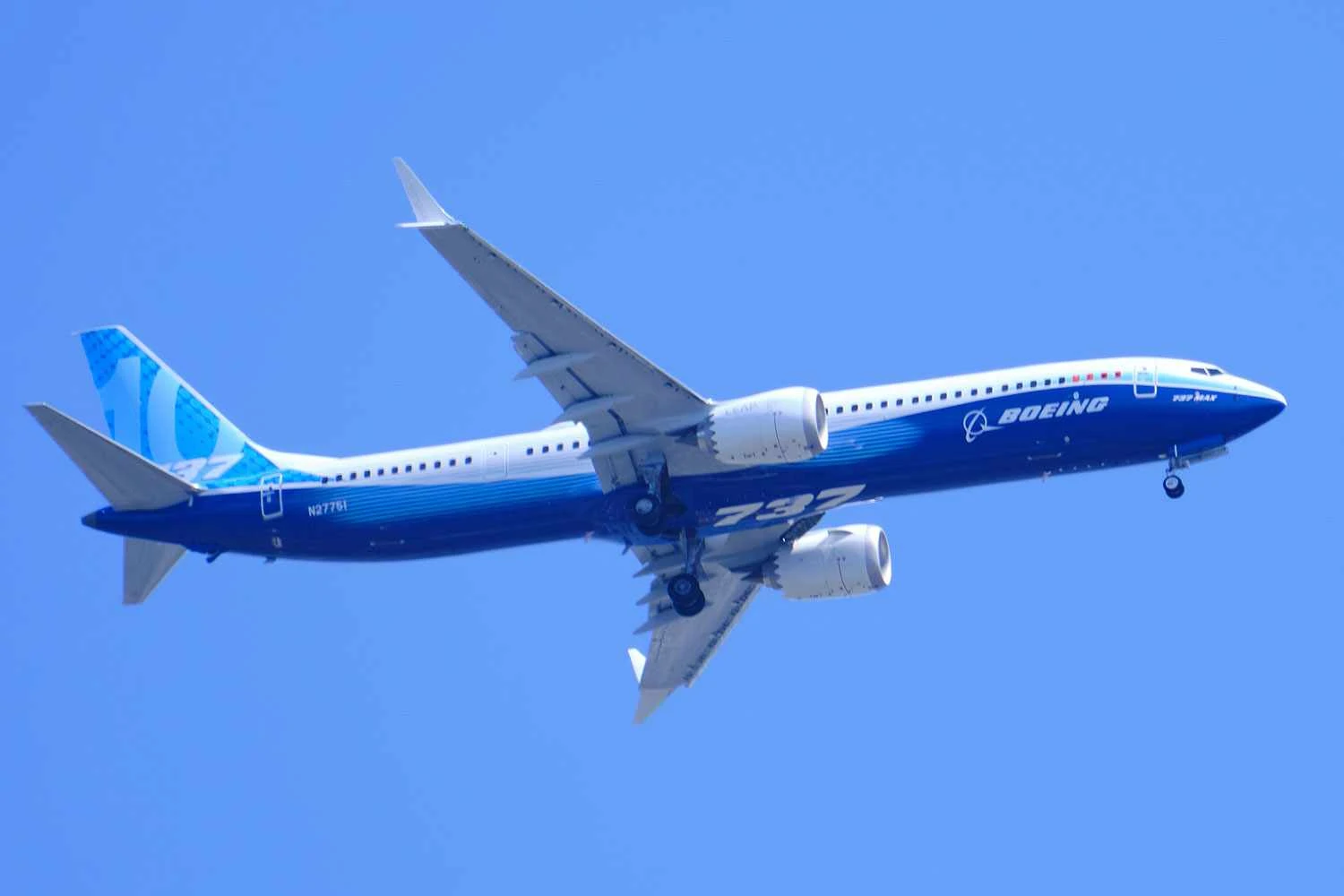
Boeing has started certification flight tests of a redesigned engine anti-ice system on the 737 MAX family, a step seen as critical for the approval of the MAX 7 and MAX 10, according to people familiar with the program, as reported by The Air Current.
The tests are being carried out using the company’s lead MAX 10 flight-test aircraft and represent one of the final stages before the smallest and largest members of the MAX family can be cleared for entry into service.
The anti-ice system has been at the center of certification delays for both variants. The original design raised concerns from the Federal Aviation Administration about the risk of overheating in certain conditions, forcing Boeing to rework the system after earlier attempts to fix the issue introduced additional technical problems.
Recent news
September 16, 2026

September 16, 2026

September 16, 2026
Details of the revised solution have not been disclosed, but a recently approved patent suggests the company is using a different approach to managing heat within the engine inlet structure, a key factor behind the original safety concern.
The lack of a finalized fix had already pushed certification timelines for the MAX 7 and MAX 10 into 2026. Boeing had previously aimed to deliver the first aircraft earlier, but the unresolved issue required further testing and validation before regulators would consider approval.
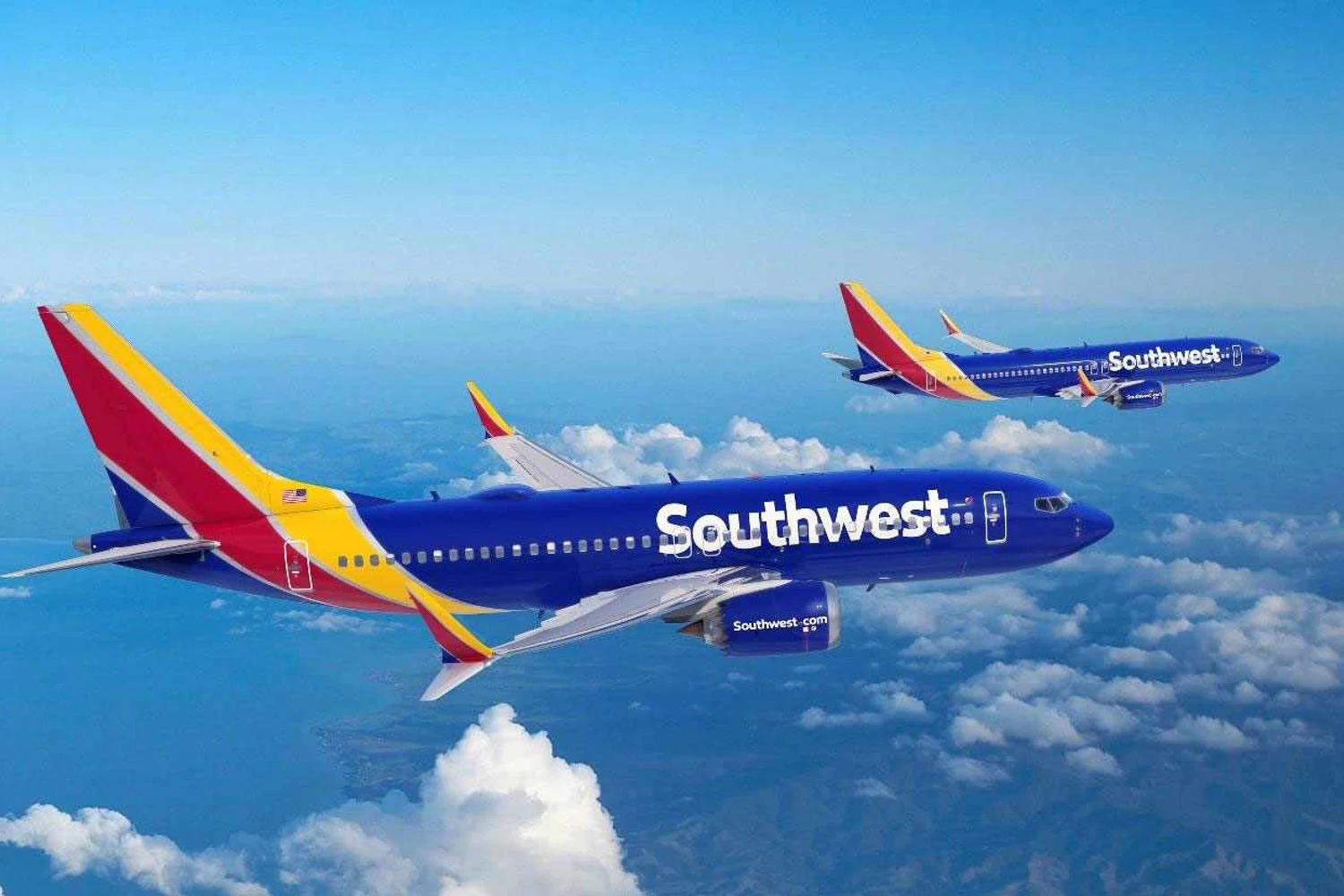
The two variants also face different market dynamics. The MAX 7, the smallest member of the family, had accumulated 276 orders by March 2026, with demand largely concentrated among a limited number of customers such as Southwest Airlines, the largest 737 operator.
By contrast, the MAX 10 has attracted significantly wider interest, with 1,404 orders over the same period. Its appeal is tied to higher seating capacity — up to around 230 passengers — making it the largest version of the 737 ever developed.
Related news
September 16, 2026
September 14, 2026
The MAX 10 was launched in response to the success of the Airbus A321neo, which dominates the upper end of the single-aisle market. While it does not match the A321neo in range or capacity, the Boeing jet benefits from fleet commonality with other MAX variants, an advantage for airlines already operating the type.