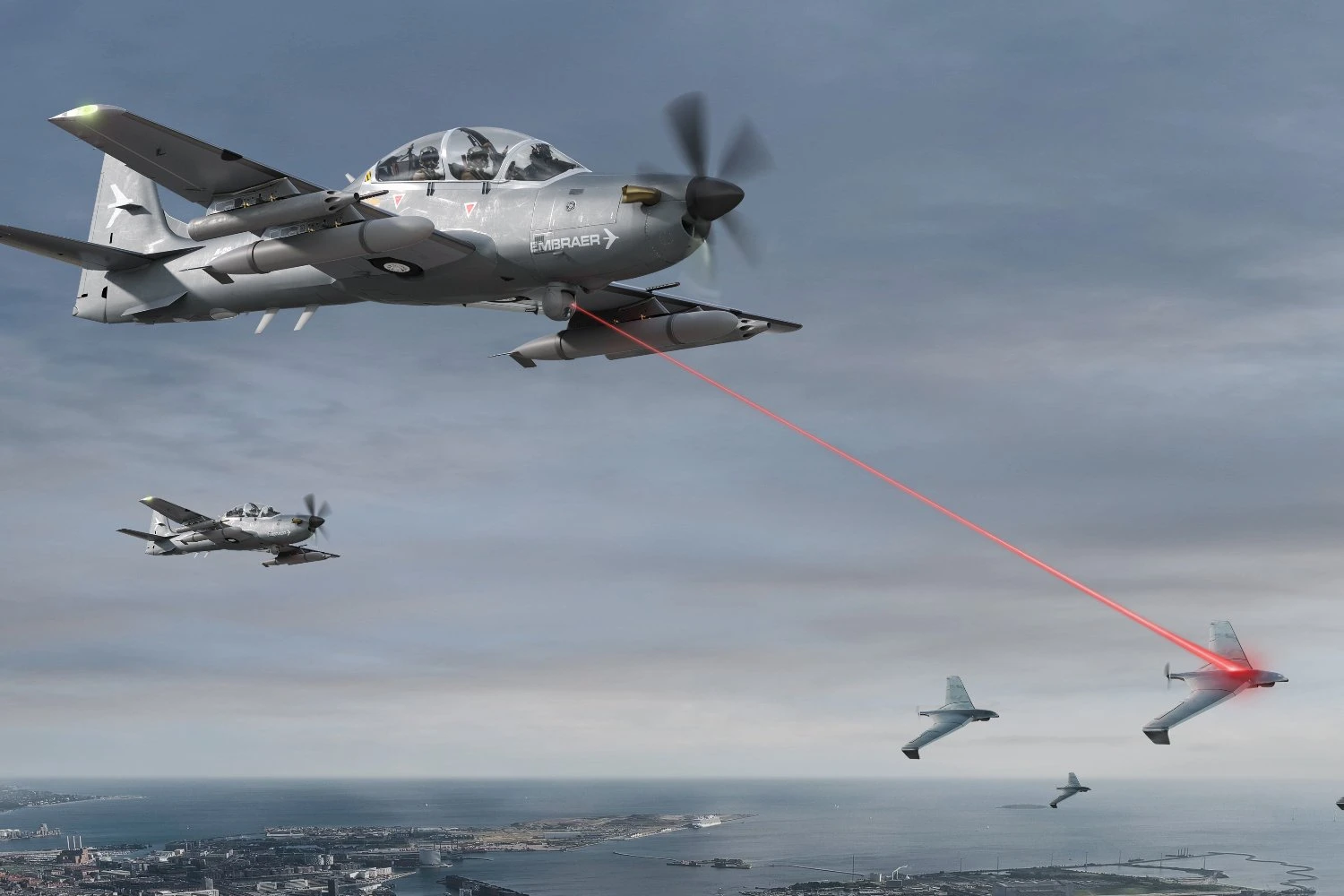
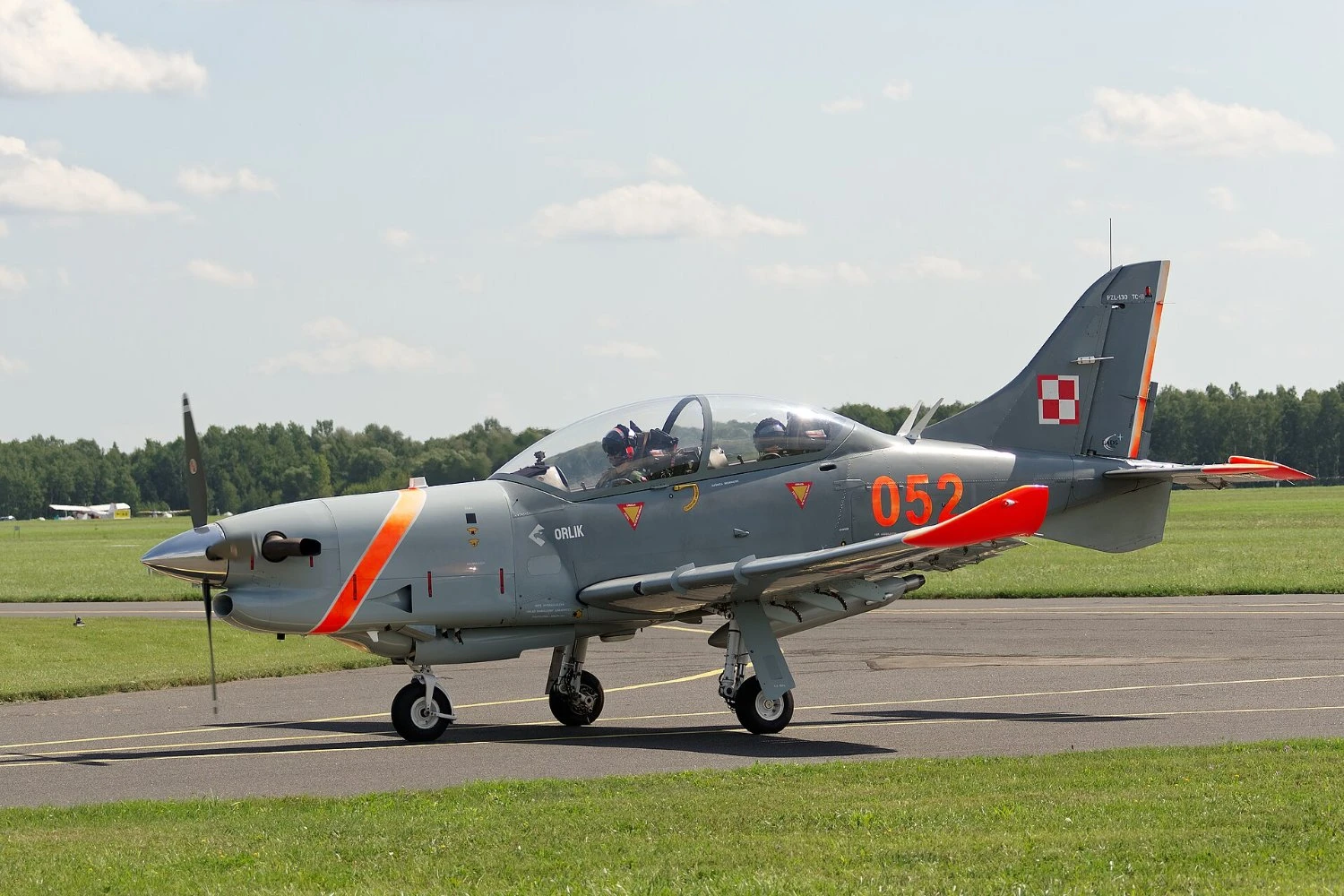
Poland is evaluating the Embraer A-29 Super Tucano and Pilatus PC-21 as potential replacements for its PZL-130 TC-II Orlik training aircraft, with both turboprops already assessed by the Polish military.
Major-General Ireneusz Nowak, Operational Commander of the Polish Armed Forces, confirmed the studies in an interview with Defence24. He said Poland has begun “serious analyses” to find a successor to the Orlik.
The evaluations included demonstration flights and assessments of the training systems offered with the A-29 and PC-21. Nowak said the military has reached conclusions about both aircraft but declined to reveal them.
The next step would be to include the requirement in Poland's operational needs for 2025-2039 and its Technical Modernisation Plan. No procurement process has been launched yet.
Recent news


October 19, 2026
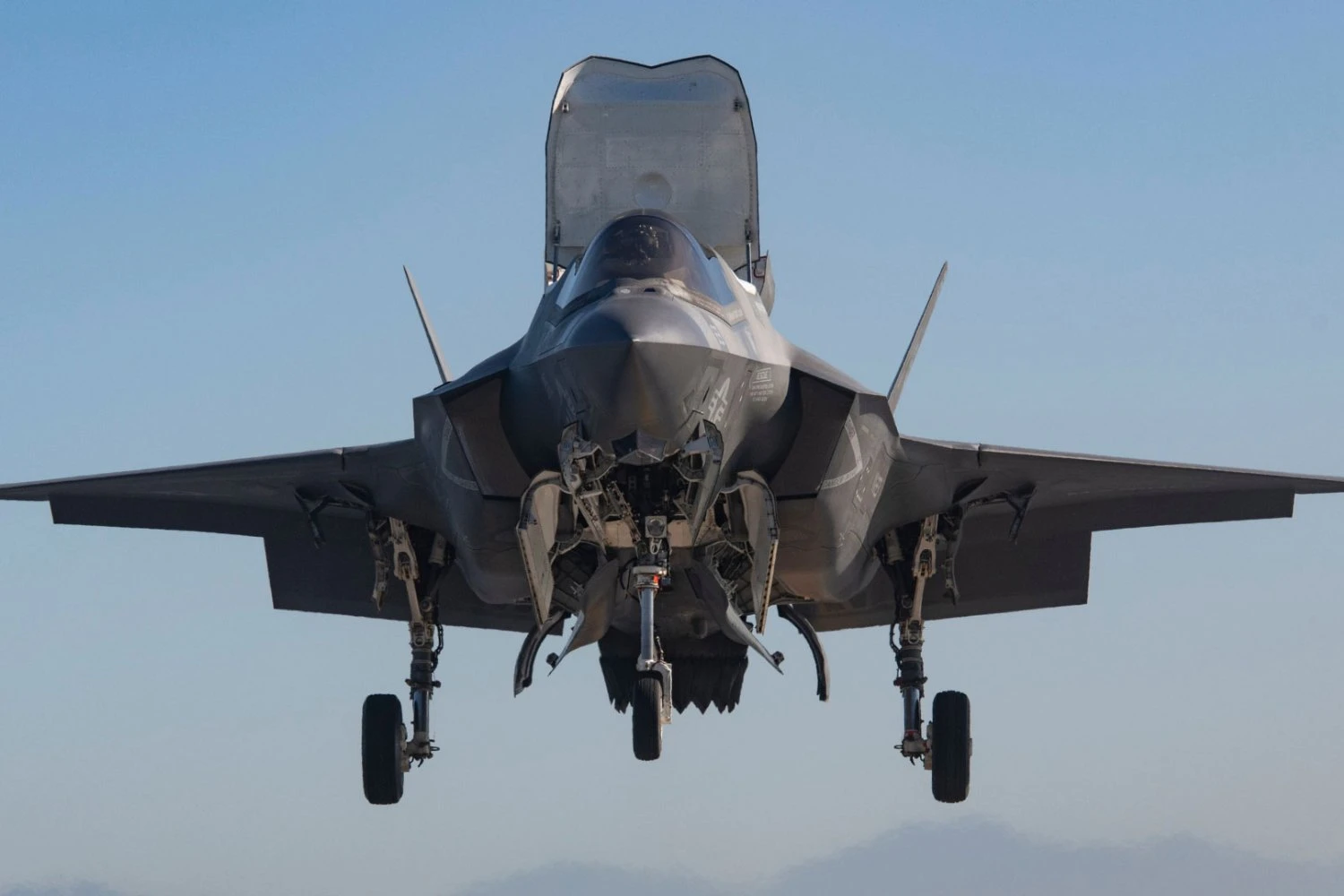
Poland uses the locally developed PZL-130 TC-II Orlik for pilot training, followed by the Leonardo M-346 Bielik at a more advanced stage. Nowak said the Orlik no longer fully meets the requirements for preparing pilots for aircraft such as the F-35A and upgraded F-16s.

The two aircraft offer different approaches. The PC-21 is a dedicated advanced trainer designed to prepare pilots for frontline fighters, while the A-29 combines training with light-attack and reconnaissance capabilities, including a more recent counter-drone role.
A-29 also assessed for counter-drone missions
Poland has already evaluated the Super Tucano for another role. In December 2025, Nowak revealed plans to assess the A-29 for counter-unmanned aircraft system (C-UAS) missions, particularly against slow and low-flying threats such as Shahed-type one-way attack drones.
A Polish delegation led by Nowak visited Embraer in Brazil in January and flew the Super Tucano.
Embraer has developed a counter-drone concept for the A-29 using an electro-optical/infrared (EO/IR) sensor, datalinks and weapons such as laser-guided rockets and its .50-caliber machine guns.
The mission has gained importance as Russia and Ukraine use large numbers of drones in attacks. Relatively inexpensive aircraft such as the A-29 could offer an alternative to using fighters or surface-to-air missiles against some of these targets.
Poland is also integrating Advanced Precision Kill Weapon System II (APKWS II) laser-guided rockets with its F-16s, while the FA-50PL is expected to receive the weapon later.
Nowak noted that the threat is changing, with Russia also employing faster jet-powered drones alongside piston-powered Shahed and Geran types.